REVIEW · KATHMANDU
Chitwan: Jungle Safari Tour with Canoe Ride in Forest River
Book on GetYourGuide →Operated by Vyas Treks and expeditions Pvt ltd · Bookable on GetYourGuide
Chitwan safari days move fast. This 3-day plan in and around Chitwan National Park blends early wildlife time with calmer river moments, then finishes with Tharu culture and guided walks. It’s a simple route that keeps you outdoors where the action is.
I especially like the mix of ways to spot animals: the morning jeep safari for big mammals and birds, then a slower canoe ride that’s made for watching crocs and water birds without the noise of an engine. Another plus is how the schedule uses guides well—there’s an English-speaking guide and even an English audio guide to help you follow what you’re seeing.
One thing to keep in mind: elephant bathing is listed as included, but one recent booking reported it didn’t happen. So if that moment matters to you, I’d confirm it clearly before you go (and ask what exactly will happen).
In This Review
- Key things I’d plan around
- Chitwan in 3 Days: How the Rhythm Helps You See More
- Jeep Safari for Rhino, Tigers, and the Big Stuff (Plus Deer and Birds)
- Canoe on the Rapti River: The Quiet Wildlife Watching Moment
- Gharial Breeding Center: Why This Conservation Stop Feels Meaningful
- Tharu Culture and Night Walks: The Human Side of Chitwan
- Lodges and Meals: The Comfort That Makes Safari Days Work
- Elephant Bathing: Included, But Ask the Right Questions
- Price and Logistics: What $201 Covers (and What You’ll Pay Extra)
- Best Time to Visit Chitwan National Park (and Why It Matters)
- Safety and Etiquette: Small Habits That Keep the Day Smooth
- Should You Book This Chitwan Jungle Safari Tour?
- FAQ
- What area is this tour in?
- How long is the tour?
- Is the group private?
- What’s included for meals?
- What activities are included on the water?
- Is elephant bathing included?
- Is a conservation visit part of the plan?
- What language support do you get?
- Is free cancellation available?
Key things I’d plan around
- Early jeep safari time: you’ll start out in the morning when animals are most active and visibility is usually better
- Rapti river canoe pace: quieter wildlife watching, plus chances for bird spotting and crocodile sightings
- Gharial Breeding Center: you’re not only chasing sightings—you get a real conservation context
- Tharu dance evening: culture is built into Day 1, not treated as an optional add-on
- Elephant bathing detail: included in the package, but worth confirming for your exact departure
- Private group format: you’re not stuck waiting for a big group to move
Chitwan in 3 Days: How the Rhythm Helps You See More
Chitwan works best when you respect the pace. This tour is built around early starts, calm mid-day water time, and evenings that still keep you moving—so you get multiple chances for wildlife without spending the whole day stuck in one place.
Day 1 is all about setting the stage. You arrive, check in at your lodge or hotel setup, then meet your guide for the outline of the days ahead. After that, you’ll do a nature walk around the lodge grounds—small, local flora and fauna can be a fun warm-up before the main park time. The day ends with a Tharu cultural dance performance, which is a smart choice because culture is part of the Chitwan experience, not a separate chore.
Day 2 is your main wildlife day. You go out in the early morning by jeep to cover more ground. The route includes time for conservation at the Gharial Breeding Center, then shifts to the Rapti River for a canoe ride. In the evening, a naturalist-led nature walk adds a different kind of spotting—nocturnal creatures are often the ones you notice only when you slow down and go quiet.
Day 3 keeps things light and focused. You start with an early morning birdwatching tour, then you wrap up with breakfast and departure. Birding is a nice way to finish because even if the big sightings happen earlier, the park still has constant motion in the treetops and along the river edges.
A few more Kathmandu tours and experiences worth a look
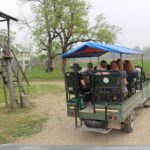
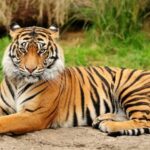
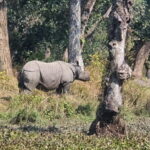
Jeep Safari for Rhino, Tigers, and the Big Stuff (Plus Deer and Birds)
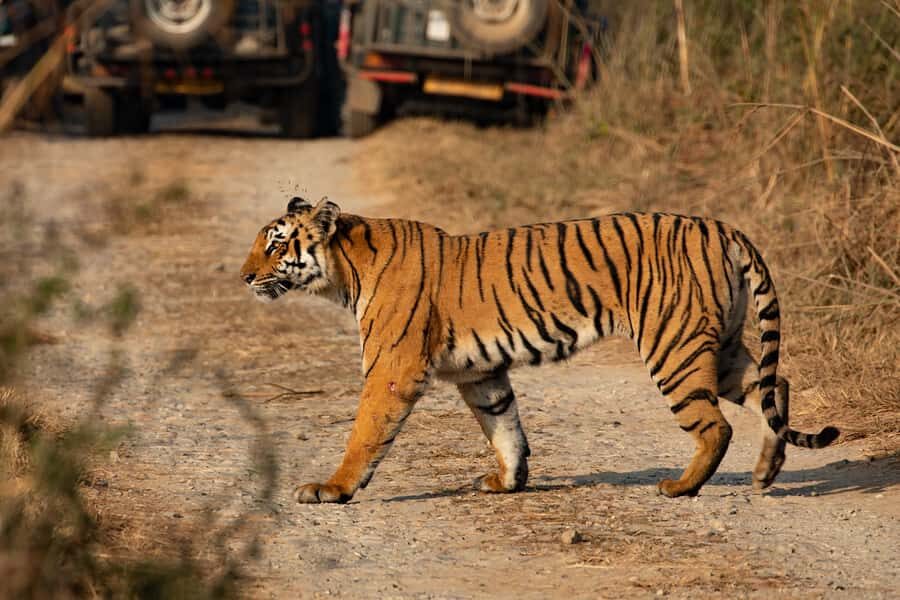
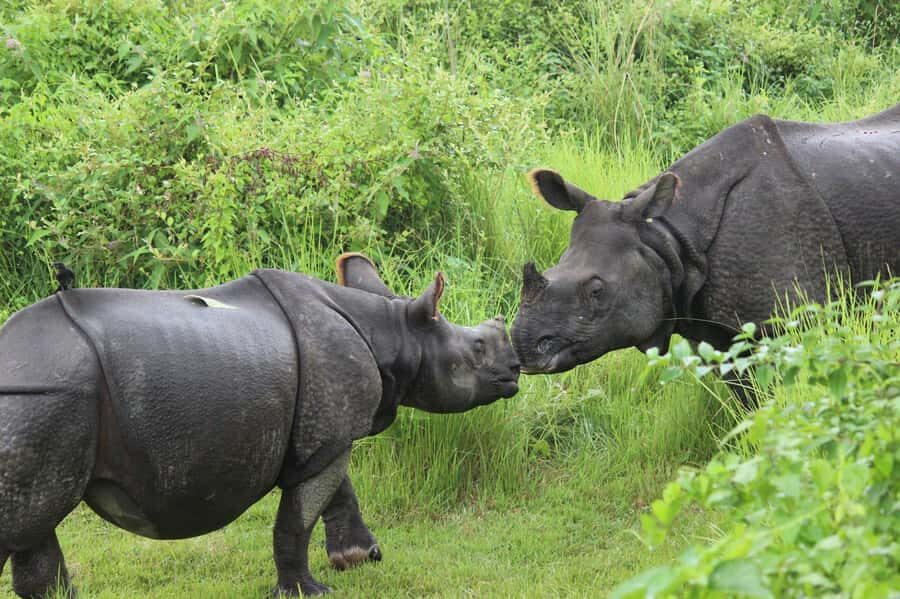
Chitwan’s main headline is wildlife. This itinerary specifically aims at animals like one-horned rhinoceros, Asian elephants, crocodiles, sloth bears, and even Bengal tiger in the park’s broader ecosystem. You’re also looking for deer and a wide variety of birds, which means you don’t go home empty even if the tiger doesn’t show up.
The jeep safari is the tool that makes this possible. From a practical angle, it lets your guide scan more habitats in fewer hours—grasslands, river corridors, and forest edges. That matters because animals don’t hang out in predictable spots all day long. You’re basically traveling to the best chances.
One detail I really like: the tour doesn’t treat wildlife as random. You’ll have an English-speaking guide, and the experience is paced so the guide can point things out as you travel and stop. In one booking, the canoe guide and the canoe person actively pointed out birds and crocodiles from the water, and the same spirit of attention usually carries into land spotting too.
Also, do set expectations honestly. You can be in the right place and still miss certain species. The upside is that Chitwan can deliver impressive results even without a tiger on camera—rhinos and crocs are the kinds of sightings that often become the story of the day.
Canoe on the Rapti River: The Quiet Wildlife Watching Moment
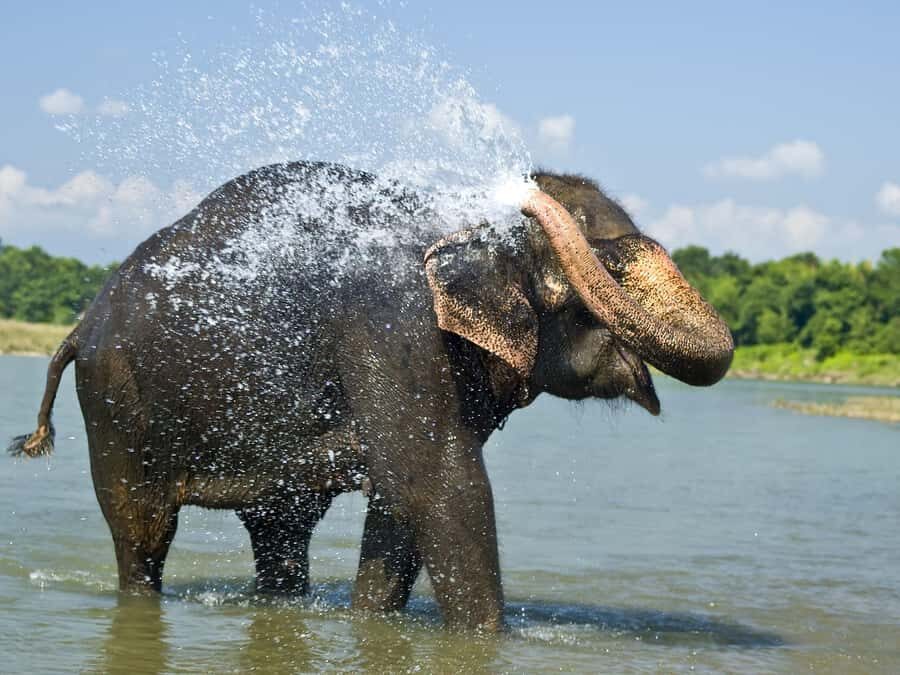
If you only did jeep safaris, Chitwan would still be worth it. But the canoe ride is what makes it feel special.
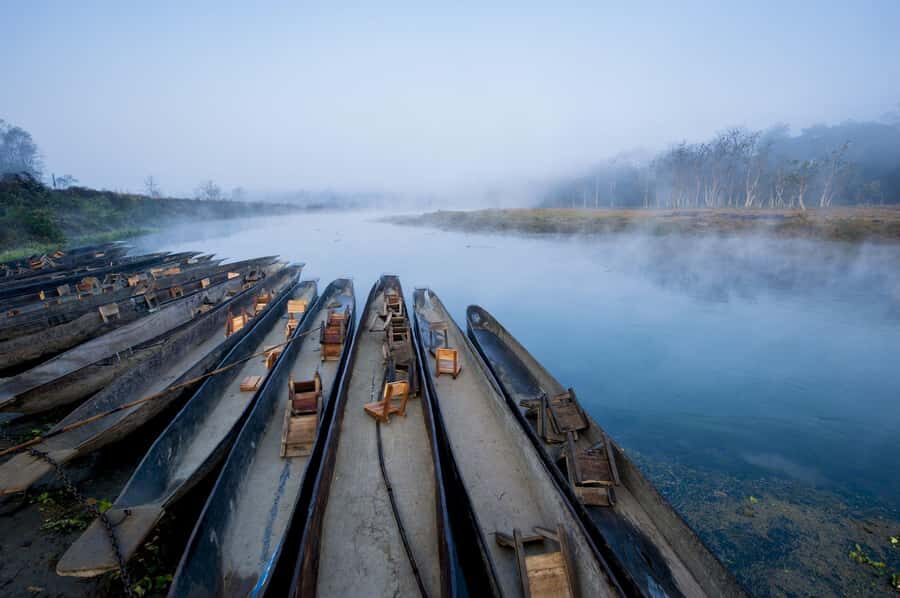
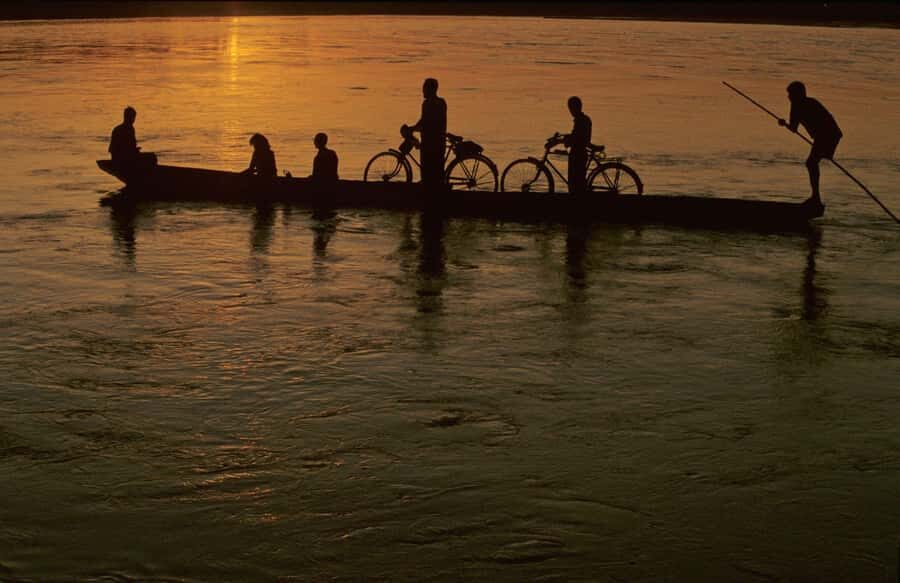
This tour includes a canoe river ride on the Rapti River. Instead of engine noise, you glide. That changes what you notice: water birds, subtle movement at the edges, and the slower, more relaxed scanning your eyes need to catch reptiles and feeding behavior.
The tone on the river is often the biggest part. In one recent booking, the canoe guide and the canoe person pointed out birds and crocodiles while gliding along. That kind of active bird-and-wildlife watching is exactly what you want on a river segment—because you’re not just riding, you’re learning how to read the water.
You’ll also see that the included activities list mentions boat rides connected to the Tharu River wording. Either way, the core point stays the same: you’re getting water time as an intentional wildlife platform, not just a transfer between places.
Gharial Breeding Center: Why This Conservation Stop Feels Meaningful
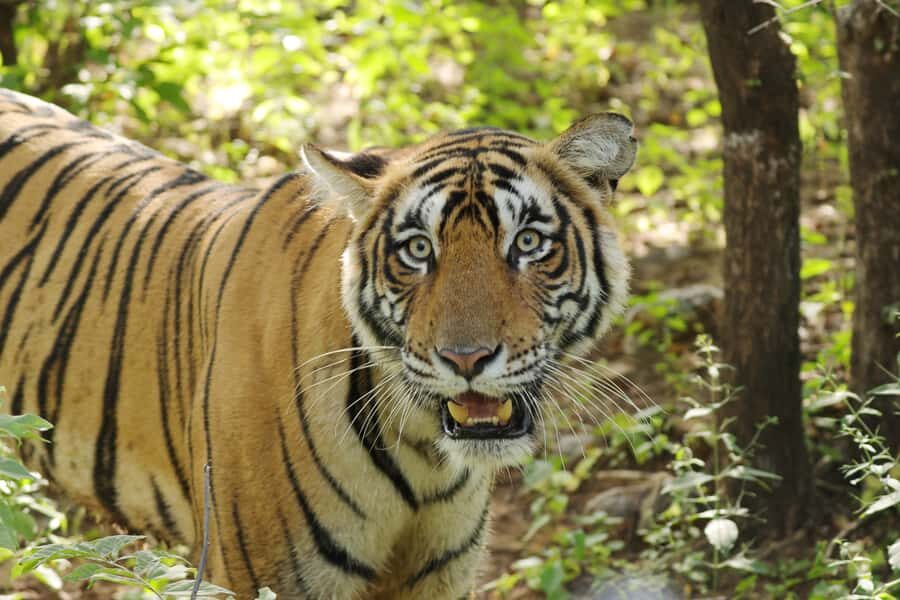
A good safari doesn’t only chase animals. It also explains why protection matters.
This itinerary includes a visit to the Gharial Breeding Center. The gharial is critically endangered, and seeing a center focused on breeding and conservation adds context to what you might see later—especially around crocodilians. Even if you don’t get a close-up croc sighting, you still leave with the why behind the ecosystem work.
From a value perspective, this stop is helpful because it turns the trip from pure luck into education. And it’s not just reading facts: you’re on the ground with the park’s conservation priorities, which makes the whole experience feel more complete.
Tharu Culture and Night Walks: The Human Side of Chitwan
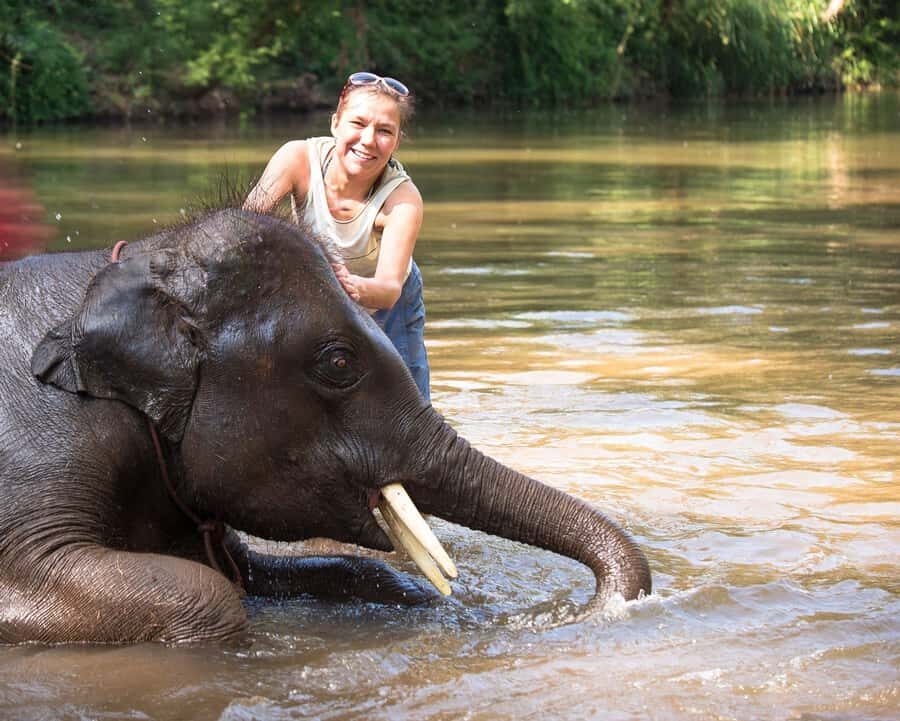
Chitwan is as much about people as animals. Your Day 1 ends with a Tharu dance performance, and that’s a smart way to ground the safari in the region’s living culture.
The other cultural and learning layer comes from how the evenings are handled. On Day 2, you’ll take a guided nature walk with an experienced naturalist to spot nocturnal creatures. Night walks can feel unpredictable on paper, but they’re often the best time to notice smaller movements and sounds—especially when your guide knows where to look and what signs to interpret.
One booking stood out for how the lodge and team handled a birthday. The group was surprised with a cake and a flower. That kind of small attention can matter more than you think after a day of early departures—because you’re not just doing wildlife tracking, you’re being treated like a person.






Lodges and Meals: The Comfort That Makes Safari Days Work
Safari days are tiring. You can’t enjoy animals if you’re sleeping badly or eating poorly.
This tour includes accommodation in a jungle lodge and all meals during your stay. Recent experiences described lodge rooms as spacious and clean, with delicious food and a wide selection. That wide selection matters in Chitwan, because your schedule is active and your appetite will follow.
Even more, the meal setup removes one of the most annoying travel headaches: guessing where to eat after the day’s activities. Here, food is handled as part of the program, which usually means less time lost and fewer decisions when you’d rather be outside.
If you care about the lodge vibe, it’s worth knowing that one recent booking called out a pool as part of their lodge setup. Not every lodge will match that detail, but it hints at the fact that the lodge choices are often designed to feel like a real base—not a basic rest stop.
Elephant Bathing: Included, But Ask the Right Questions
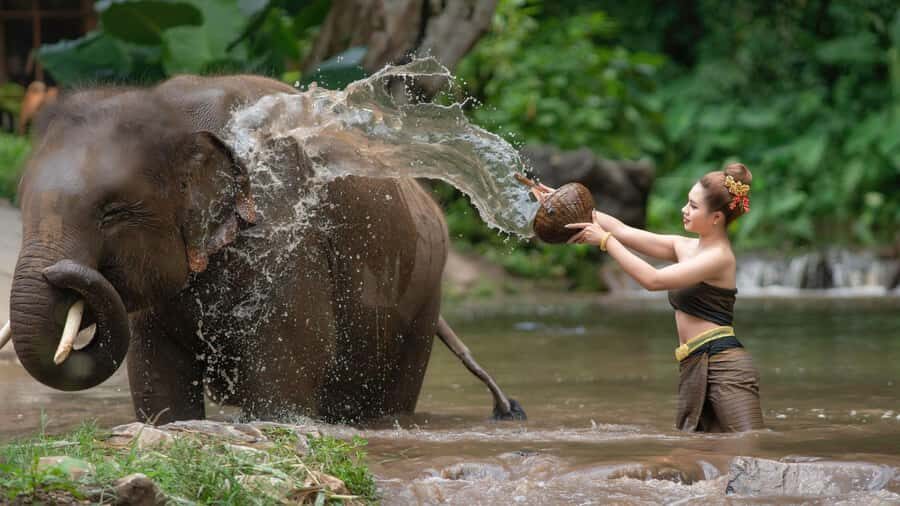
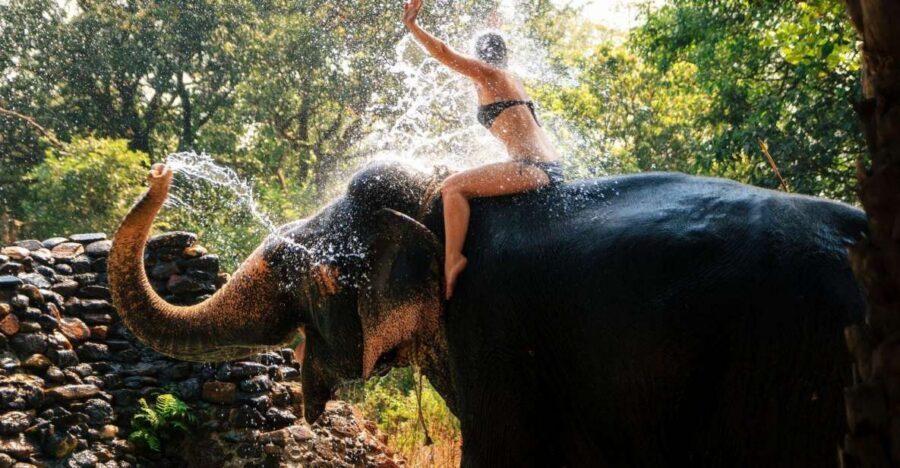
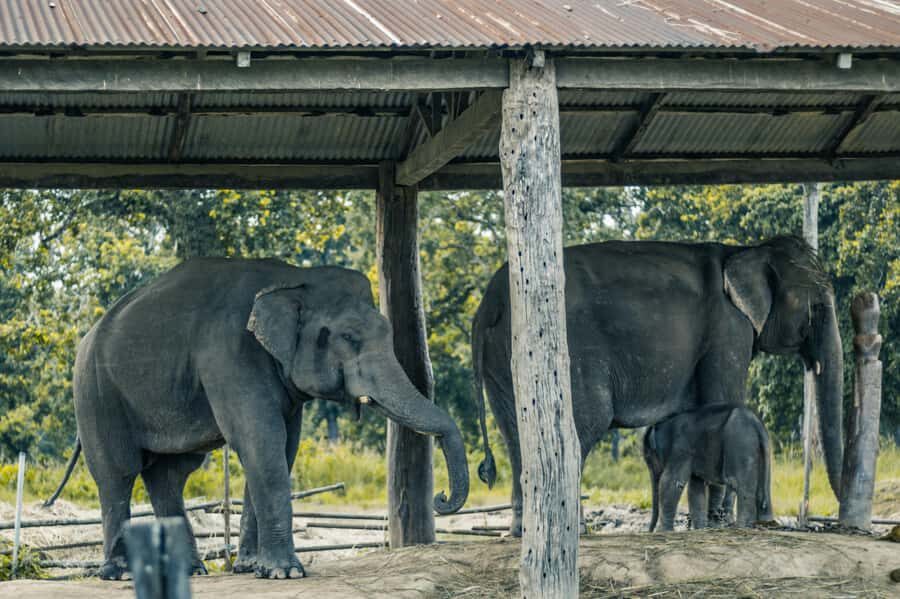
The itinerary highlights an elephant bathing moment (sometimes described as an elephant shower on the river). It’s included in the package list, and that’s why it’s one of the headline items.
But here’s the practical note: one recent booking reported that there was no elephant washing or bathing at all. That doesn’t mean it’s never done—it means you shouldn’t assume your departure will follow the exact same format.
If this is a must for you, ask two clear questions:
- What exactly will happen during elephant bathing/showering, and who conducts it?
- Is it guaranteed for your dates, or weather and scheduling dependent?
Also, keep your expectations flexible. Chitwan is a living conservation landscape. Sometimes what you want depends on how the day’s logistics line up with animal care needs and safety.
Price and Logistics: What $201 Covers (and What You’ll Pay Extra)
At $201 per person for three days, this package is priced like a true bundle: transport, park access, guides, and meals all wrapped together.
Here’s what’s included that drives the value:
- Transportation to and from Chitwan National Park
- Jungle lodge accommodation
- All meals during your stay
- Guided jeep safaris
- Canoe/boat rides
- National park entrance fees
- An English-speaking guide (plus an English audio guide)
- Elephant bathing
What’s not included:
- Personal expenses
- Optional activities such as elephant rides and birdwatching
That last point is worth attention. Birdwatching is already built into the schedule with an early morning tour on Day 3. So if you’re thinking of extra birdwatching hours, you’ll want to see what’s optional versus already planned.
The private group format also improves your odds of a smoother experience. You’re less likely to wait around for a large group, and your guide can often keep the plan moving at a human pace.
And yes, you can plan with confidence because the booking lists free cancellation up to 24 hours in advance for a full refund, plus a reserve and pay later option. For Nepal travel, that kind of flexibility can be a lifesaver.
Best Time to Visit Chitwan National Park (and Why It Matters)
The best time for this safari style is the dry season, typically October to March. Dry weather usually means trails and sightlines are easier, and animals gather more often around water sources. That can directly improve your chances of seeing wildlife during both land and river activities.
If you travel outside that window, you might still have an amazing trip. But rain and muddy conditions can affect how comfortable you are on early safaris and how water-level conditions play into canoe timing.
Safety and Etiquette: Small Habits That Keep the Day Smooth
Jungle safari safety isn’t complicated, but it is non-negotiable.
Follow your guide’s instructions. Maintain a safe distance from wildlife. Don’t litter. And if you’re asked to stay quiet or stop moving, do it. Your goal is to observe without pushing animals to change behavior.
Also, take the guide’s warnings seriously during river time. Canoes can be calm, but water and wildlife environments still require attention. If something feels off, it’s almost always safer to pause and listen than to improvise.
One more practical tip: bring layers. Early mornings in Chitwan can feel different than midday, and you’ll be outside for a mix of jeep time, nature walks, and river gliding.
Should You Book This Chitwan Jungle Safari Tour?
I’d book this if you want a balanced wildlife itinerary—jeep safari for the big sightings, canoe time for the quieter moments, plus conservation context and a Tharu cultural performance. It’s also a good pick if you like the value of having meals and park entrance fees handled for you, so you’re not constantly making decisions under fatigue.
I’d hesitate or at least confirm first if elephant bathing is a top priority, since one booking reported it didn’t happen. Also, accept that tiger sightings are not guaranteed in any safari—your best strategy is to enjoy the full range of animals and birds, not just one species.
If you’re coming from Kathmandu, Lalitpur, or Bhaktapur, this tour’s pickup from those areas makes it easy to start without juggling local transport.
Bottom line: if you want a well-paced Chitwan experience that mixes wildlife and culture, and you’re comfortable treating elephant bathing as a plan you should verify, this is a strong option.
FAQ
What area is this tour in?
The tour takes place in and around Chitwan National Park in Nepal, with location listed in Pashchimanchal, Western Region, Nepal.
How long is the tour?
It lasts 3 days.
Is the group private?
Yes, it’s listed as a private group.
What’s included for meals?
All meals during your stay are included.
What activities are included on the water?
You’ll have canoe/boat time, including a canoe ride on the Rapti River, and boat rides are listed as included as well.
Is elephant bathing included?
Yes, elephant bathing is listed as included. One booking noted that elephant washing or bathing did not happen, so it’s smart to confirm details for your specific dates.
Is a conservation visit part of the plan?
Yes. You visit the Gharial Breeding Center.
What language support do you get?
The guide is listed as English-speaking, and an English audio guide is included.
Is free cancellation available?
Yes. You can cancel up to 24 hours in advance for a full refund.