REVIEW · KATHMANDU
Langtang valley trek
Book on Viator →Operated by Nature Explore Trekking Pvt Ltd · Bookable on Viator
The road bends north into real mountain life. This private Langtang Valley trek trades big-city noise for rhododendron forests, Tibetan-style monasteries, and big Himalayan views around 7,000m peaks. What makes it especially appealing is the “walk out and look up” rhythm, plus a day hike to Kyanjing Ri when your legs are warmed up but you still get that rare high-altitude payoff.
I love how the trip is built around actual trail days, not just check-the-box photo stops. I also love the support setup: you get a professional guide and a supporting porter, plus breakfast, lunch, and dinner on trek so you’re not hunting meals at altitude.
One possible drawback: the itinerary starts with a long drive and climbs steadily, so if you’re sensitive to altitude you’ll want to take the pace seriously from day one. Also, trekking equipment is not included, so you’ll need to bring or rent the essentials yourself.
In This Review
- Quick highlights I’d plan around
- From Tribhuvan Airport to Syabrubesi: the road trip that sets your pace
- Lama Hotel (2400m) to Langtang Villages (3400m): your first real taste of the valley
- Kyanging Gompa and Kyanjing Ri (4700m): the hike that earns its views
- The Langtang “view list” isn’t random: here’s why it matters
- What life feels like on this route: Tamang and Buddhist traditions
- Meals, tea, and the support system that keeps the trek realistic
- Altitude and effort: how to handle 3700m to 4700m without rushing
- Price and logistics: what the $660 covers and what you’ll still handle
- Who this trek fits best
- Should you book the Langtang Valley trek?
- FAQ
- Where does the trek start?
- How long is the Langtang Valley trek?
- Is pickup included in this tour?
- Is this a private tour or a group tour?
- What’s included in the trek meals?
- Are trekking equipment and cold drinks included?
- Is drinking water provided?
- What altitudes are included in the itinerary?
- What kind of accommodation is included?
- Can I cancel and get a full refund?
Quick highlights I’d plan around
- Private transportation from Kathmandu to Syabrubesi and back, so you don’t waste energy on transfers
- Kyanjing Gompa (last stop) plus a hike to Kyanjing Ri viewpoint at 4700m
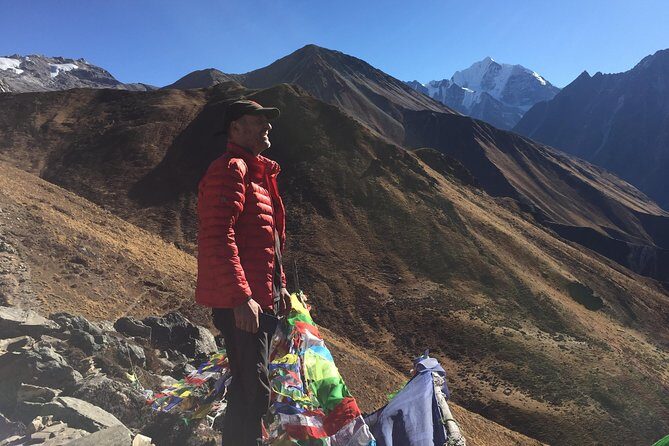
- A guided route through Tamang, Gurung, and Tibetan-influenced villages and Buddhist life
- Regular nourishment: tea or coffee, full meals on trek, and fresh fruit after dinner
- A value bundle: t-shirt, down jacket, and duffel bag (refundable after the trek)
From Tribhuvan Airport to Syabrubesi: the road trip that sets your pace
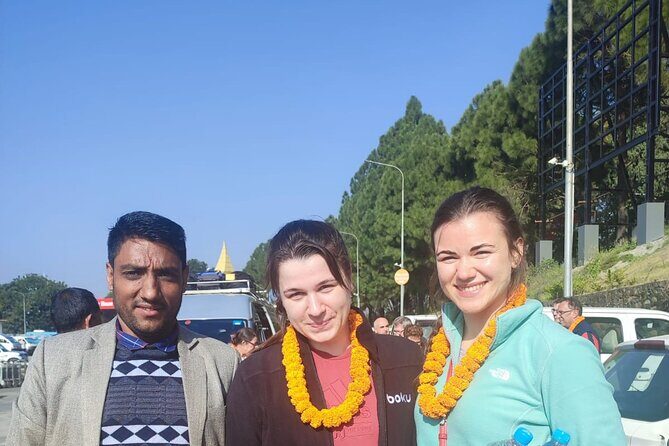
Your day starts in Kathmandu at Tribhuvan Airport with an 8:00 am start and an airport-to-hotel setup. That matters more than it sounds. Kathmandu traffic can turn the first day into a juggling act, and having a transfer sorted helps you arrive calm and ready to walk, not stressed.
Then you drive to Sybrubesi. It’s about 7 hours, with Sybrubesi listed at around 1400m. For most people, this is the real “warm-up day,” even if you’re seated. You’ll feel it later in your thighs and lungs once trekking starts, so treat the drive like part of the acclimatization plan: hydrate, keep layers on, and don’t overdo caffeine after you start to feel the altitude shift.
If you like structure, this itinerary is clear about where you’re going and what altitudes you’re moving through. You go from Kathmandu’s ~1300m vibe up into the trek corridor, then climb by step rather than by surprise. That’s a good fit for a classic first-time Langtang Valley rhythm.
You can also read our reviews of more hiking tours in Kathmandu


Lama Hotel (2400m) to Langtang Villages (3400m): your first real taste of the valley
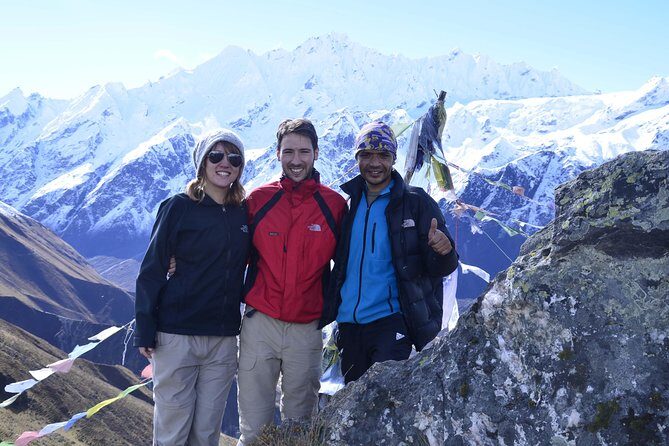
On trek day one, you walk roughly 4 hours to Lama Hotel at about 2400m. This is a very workable start. You’re gaining altitude, but you’re not jumping straight into the steep stuff. Expect a “mind-body check.” The air can feel sharper, and walking slowly becomes the whole strategy.
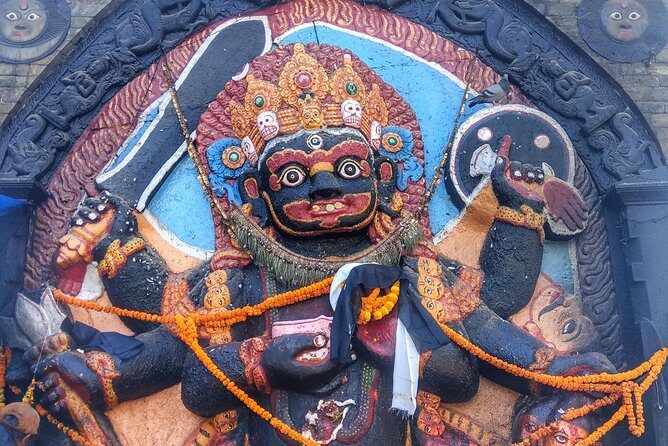
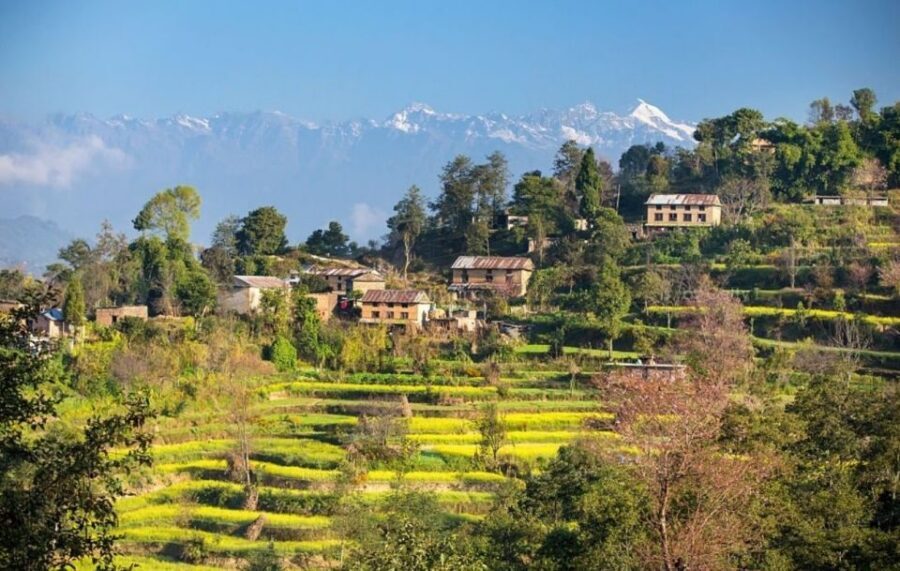
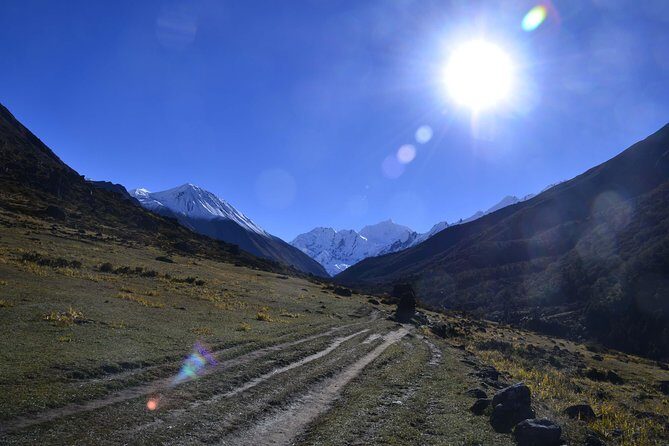
The next leg is about 5 hours to Langtang villages at around 3400m. This is where the valley starts to feel alive in a way you can’t get from a viewpoint alone. The region is inhabited by Tamang, Gurung, and Tibetan communities for generations, and the trek passes through their day-to-day world. Buddhist influence is everywhere, from monastery-style buildings to prayer flags, and the cultural rhythm becomes part of the walk rather than a side note.
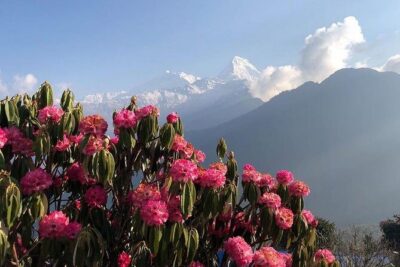
You also get the broader environmental feel: the route moves through alpine terrain and includes rhododendron and bamboo forests. That combination is one reason this trek stays appealing even when the weather is plain. Trees mean shade, cover for a passing rain, and a softer soundtrack than open ridgelines.
If you’re the kind of person who likes to understand what you’re seeing, the best approach here is simple: talk with your guide, ask what local festivals like Dumji, Loshar, Dashae, and Tihar mean in daily life, then notice where those traditions show up along the trail.
Kyanging Gompa and Kyanjing Ri (4700m): the hike that earns its views
After you settle in at Langtang villages, the next move is about 3 hours to Kyanging Gumpa at around 3700m. A gompa stop works well in a trek like this because it breaks your hiking time into two modes: walking, then pausing. You get a chance to reorganize layers, refill water, and just absorb the feel of the place.
Then comes the day hike to Kyanjing Ri viewpoint at about 4700m, followed by trekking back toward Langtang. This is the part many people remember. You’re higher than earlier days, and the air can feel thin enough that you stop automatically for shorter breaths and longer pauses.
A practical note: viewpoint days are also about timing. You’ll be moving in a way that’s slower than your fitness level would suggest, because altitude changes the math. A good guide approach is to keep effort steady and let your body catch up. In the tour materials, the emphasis is on safety support and having experienced staff, and in real-life situations that kind of pacing helps people who start feeling altitude stress.
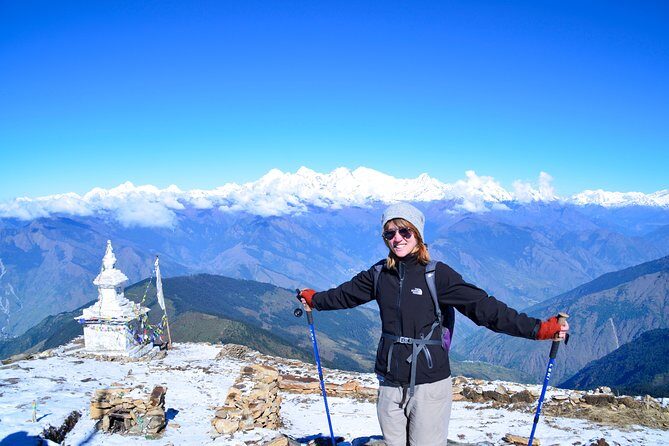
When the views hit, you’re also rewarded with a peak list that’s hard to match. The itinerary specifically calls out Langtanglirung (7240m), Ganchenpuhimal (7430m), Ganjala peak (6120m), Nyakhang (6160m), and Yala peak (5740m) plus the broader Ganesh Himal range. That’s not just bragging rights. Seeing multiple peaks in one day gives you orientation, so the valley feels less like a tunnel and more like a whole mountain system.
The Langtang “view list” isn’t random: here’s why it matters
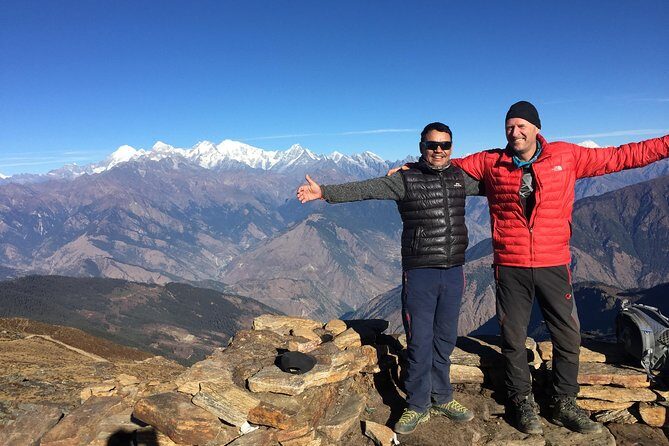
Big numbers can turn into wallpaper. What I like about this trek is that the high-altitude viewpoint isn’t separate from the valley experience. It’s earned through a route that climbs gradually: 1400m to 2400m, then 3400m, then 3700m, then up again to 4700m.
That progression helps you notice details. You start seeing how ridges relate to each other. You get a sense of where storms form. You also realize that clouds can be either a problem or a dramatic feature depending on how you time your photos.
The other point: the view list is a confidence builder for planning. If you’ve ever worried that a trek will be gray and disappointing, this itinerary’s design focuses on a dedicated viewpoint day plus multiple earlier overlooks as you climb. Even if conditions are mixed, the geography is built into the route.
What life feels like on this route: Tamang and Buddhist traditions
Langtang Valley is not just a trail through scenery. It’s a cultural walking corridor.
The itinerary highlights that the region has been inhabited for 6 to 7 hundred years by Tamang, Gurung, and Tibetan people. That timeline matters because the communities you pass aren’t temporary. They follow Buddhist traditions and keep festivals that shape the seasons and community calendar. If you’re lucky with timing, you might see hints of those celebrations in prayer practices, decorations, or simply how people interact when they’re in a festive mindset.
Even when festivals aren’t active, the Buddhist setting is visible in the smaller habits: how people greet you, how they care for their spaces, and how prayer sites appear near paths. It’s the kind of cultural detail that makes you feel like you’re meeting a living place rather than passing through a set.
I also appreciate the “people-friendly” element described in the trek overview. It’s not about putting on a show. It’s about making the trek feel human: you’re walking near families, shops, and community work, and your guide helps you navigate that respectfully.






Meals, tea, and the support system that keeps the trek realistic
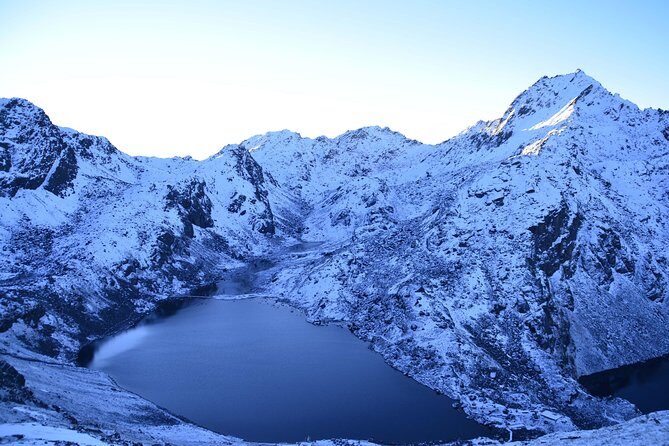
This trek is set up to reduce decision fatigue. You get breakfast, lunch, and dinner on trek, plus tea or coffee. That’s not just comfort; it’s logistics at altitude. When you aren’t worrying about where your next meal is coming from, you can pace your energy better.
You also get treated drinking water. Hydration is a big deal on trekking days, and having it handled makes you more consistent about water intake.
The itinerary also notes fresh fruit every day after dinner. That small detail is a morale booster. At altitude, you’ll burn through energy and often lose your appetite rhythm. Fruit can feel like a reset.
And the gear bundle is unusual for a trek at this price point: you receive a t-shirt, down jacket, and duffel bag, with items described as refundable after the trek. That means your clothing plan doesn’t have to start from scratch if you’re light on winter layers.
Finally, there’s an included first aid kit and guiding staff with porter support. That support matters most on the hard days or if someone in your group slows down. On this kind of route, you want someone who can troubleshoot the small problems before they become big ones.
Altitude and effort: how to handle 3700m to 4700m without rushing
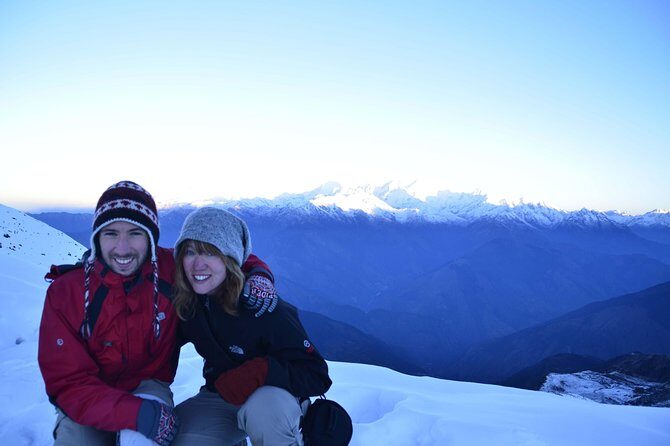
The itinerary lists altitudes as you go: around 1400m at Sybrubesi, 2400m at Lama Hotel, 3400m at Langtang villages, 3700m at Kyanging Gumpa, and then 4700m for Kyanjing Ri. That’s steady climbing, not a straight line, and steady is good.
Your job is to walk like you’re training, not like you’re chasing a summit badge. On higher days, your steps will naturally slow down. That’s normal. If you feel nausea, headache, or unusual fatigue, don’t try to power through. Let your guide adjust your effort and breaks.
One thing I like here is that the tour emphasizes a professional guide and supporting porter, and guides associated with this trek have been credited with helping people manage altitude issues by responding quickly. Even if you don’t have problems, that mindset helps the whole group move safely.
Also: bring sunscreen. The trek materials and practical advice point that out, and at higher elevations the sun can be sneaky even when you feel cool air.
Price and logistics: what the $660 covers and what you’ll still handle
At $660 per person, this trek looks like a “pay for the infrastructure” price. You’re paying for the parts that usually blow up your schedule: private transportation from Kathmandu, accommodation during the trek, a professional guide, and porter support.
It also includes all fees and taxes, trip documents, and treated water. That reduces the chances you’ll hit a surprise cost mid-trip.
From a value angle, I especially like that meals are included on trek. Many “cheap” treks lure you with low daily costs, then pile on meal and logistics later. Here, the itinerary assumes you’re fed and sheltered, which makes the walking days more enjoyable.
What’s not included is equally important:
- trekking equipment (you’ll need your own or arrange rental)
- cold drinks and personal extras like extra snacks in tea houses
- on the trek Wi‑Fi and laundry
- international airfare and personal insurance
- tips for staff
So my rule for this trek is: budget the $660 plus whatever it takes to bring reliable gear and insurance, and you’ll feel like you got a clean deal.
Who this trek fits best
This itinerary is best for people with moderate physical fitness who want a classic trekking shape: multi-day walking, steady altitude gain, and one main viewpoint day.
You’ll likely enjoy it if you:
- want a private setup for your group
- prefer meals and logistics handled
- like culture stops (villages, monastery-style areas) as part of the walk
- want big mountain views without needing technical climbing
It may feel like too much if you’re expecting an easy stroll. Even with gradual pacing, you’ll be hiking multiple hours at altitude, including a day up to 4700m.
Should you book the Langtang Valley trek?
If you want a trek that balances views, culture, and comfort without turning into a logistics puzzle, I’d lean yes. The mix of Kyanging Gompa, a dedicated Kyanjing Ri day hike, and the steady altitude progression is a smart structure for most hikers.
I’d book it with a few conditions in mind: commit to walking slowly, pack proper trekking gear since it’s not included, and plan for the long drive from Kathmandu. If you do those things, this trek has the right ingredients for an honest Himalayan experience.
If you want flexibility afterward, the operator also offers help extending your trip with more time around Kathmandu, Pokhara, Chitwan, or even the Buddha birthplace region.
FAQ
Where does the trek start?
The start point is Tribhuvan Airport, Kathmandu, Nepal, with a start time of 8:00 am.
How long is the Langtang Valley trek?
It’s listed as 8 days approximately.
Is pickup included in this tour?
Yes, pickup is offered.
Is this a private tour or a group tour?
This is a private tour/activity. Only your group will participate.
What’s included in the trek meals?
The tour includes breakfast, lunch, and dinner on trek, plus tea or coffee.
Are trekking equipment and cold drinks included?
No. Trekking necessary equipment and cold drinks are not included.
Is drinking water provided?
Yes. You get treated drinking water.
What altitudes are included in the itinerary?
The itinerary lists Sybrubesi at about 1400m, Lama Hotel around 2400m, Langtang villages around 3400m, Kyanging Gumpa around 3700m, and Kyanjing Ri around 4700m, with the return to Sybrubesi at about 1400m.
What kind of accommodation is included?
Accommodation is included, and you can also ask for help booking a Kathmandu hotel.
Can I cancel and get a full refund?
Yes, there is free cancellation. You can cancel up to 24 hours in advance for a full refund, and weather cancellations may offer a different date or a full refund.