REVIEW · KATHMANDU
Bhaktapur Durbar Square and Boudhanath Stupa
Book on GetYourGuide →Operated by Enticing Himalayas Travels Private Limited · Bookable on GetYourGuide
Two sacred stops, one memorable afternoon. You’ll start with Bhaktapur’s tightly packed old-town architecture, then shift gears to the Boudhanath Stupa where pilgrims move in steady rhythm around the shrine. I really like how the day balances carved details you can see up close with spiritual moments that feel bigger than sightseeing.
What also works well is the human side. You’ll have a licensed private guide who can steer you to the best things to notice and the best places for photos, with guides such as Prakriti or Bijay (and in one case, a local connection to Karma). The only drawback to plan around: heritage site tickets aren’t included, so you may still need to pay on the ground, even though you can skip the line.
In This Review
- Key highlights worth your time
- Bhaktapur and Boudha in 5 hours: how the day actually feels
- Getting from Kathmandu and staying comfortable
- Boudhanath Stupa: what to watch during the 80-minute visit
- Bhaktapur Durbar Square: UNESCO streets with wood, stone, and craft
- The guides make it click: Prakriti, Bijay, and what you get for private time
- Tickets, food, and the small costs that matter
- Photo stops and walking time: how to prep so it stays fun
- Who should book this tour (and who might want to choose differently)
- Value check: is $60 per person a good deal?
- Should you book Bhaktapur Durbar Square and Boudhanath Stupa?
- FAQ
- How long is the Bhaktapur Durbar Square and Boudhanath Stupa tour?
- Where does the tour start and end?
- How much does it cost?
- Is there an English guide?
- Are heritage site tickets included?
- Is the tour wheelchair accessible?
Key highlights worth your time
- Bhaktapur Durbar Square: UNESCO-listed streets, palaces, and carved architecture
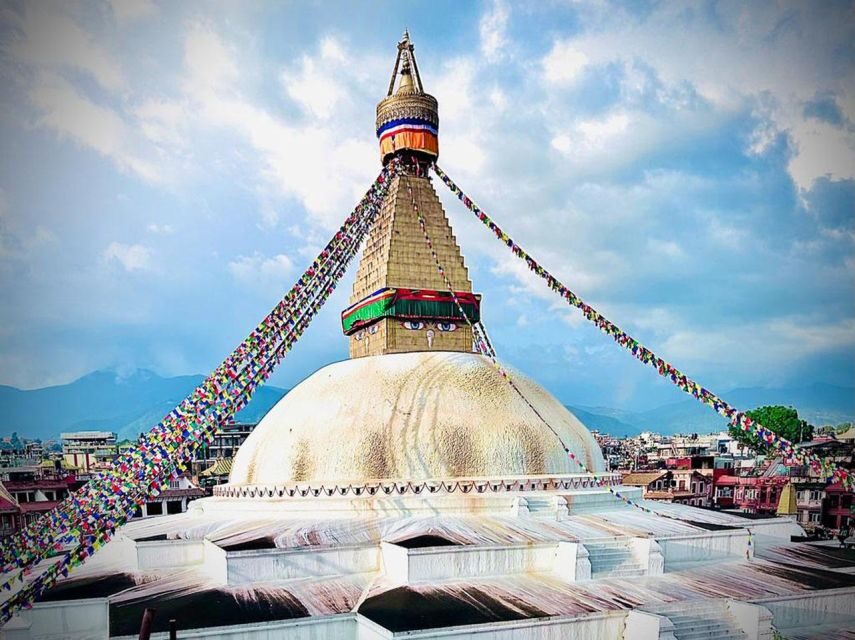
- Boudhanath Stupa kora: watch pilgrims circumambulate and spin prayer wheels
- Tibetan culture around Boudha: monasteries, prayer flags, and chanting you’ll hear and see
- Guide-led focus: context that turns buildings and rituals into a story
- Private vehicle pickup: door-to-door Kathmandu pickup and drop-off for an efficient day
- Photo-friendly pacing: built-in photo stops plus time to walk and look
Bhaktapur and Boudha in 5 hours: how the day actually feels
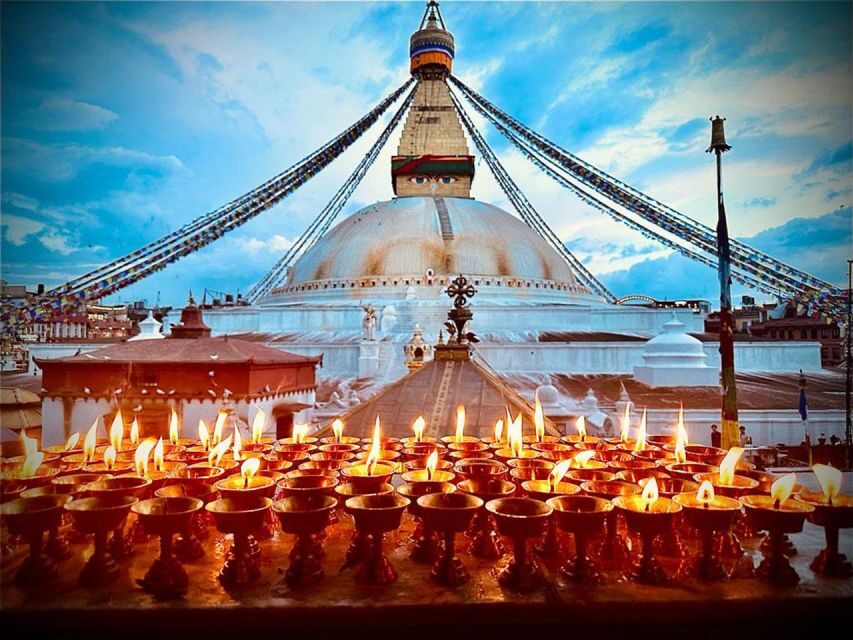
This tour is a tight, well-timed blend of old Nepal and lived spirituality. You’re not trying to cover half the country. Instead, you’re picking two places where details matter: Bhaktapur for its urban craft and stone-and-wood design, and Boudhanath for the Buddhist ritual landscape that surrounds the stupa.
I like that it’s structured but not rushed. You get walking time in both areas, plus photo stops that help you orient quickly. That matters in these neighborhoods, where alleys and courtyards can make you feel like you’re wandering—until you understand what you’re looking at.
At $60 per person, the value comes less from the sights being famous (they are) and more from the format: a private group, a licensed English guide, and a free vehicle with hotel pickup and drop-off. If you’ve only got one afternoon in Kathmandu and you want two top cultural anchors, this is the kind of itinerary that makes sense without turning into a checklist.
You can also read our reviews of more tours and experiences in Kathmandu.



Getting from Kathmandu and staying comfortable
The day starts with pickup in Kathmandu. Your driver or guide will call to confirm and meet you at your designated location. That may sound basic, but it saves you the usual energy drain of figuring out transport and meeting points when you’re new to the city.
You’re traveling by car between sites, which helps because Bhaktapur is a different feel from Kathmandu’s central areas, and Boudha is its own world once you arrive. Once you’re there, you still walk—your schedule includes a guided visit and photo stop at Boudhanath (about 80 minutes) and time in Bhaktapur Durbar Square (about 1.5 hours). So you’ll get that close-up experience, but it’s still manageable for most people.
Also note the format: this is a private group. That means you’re not stuck matching someone else’s pace, and you can ask your guide questions on the spot—about art, religion, or even what you’re seeing in the streets.
Boudhanath Stupa: what to watch during the 80-minute visit
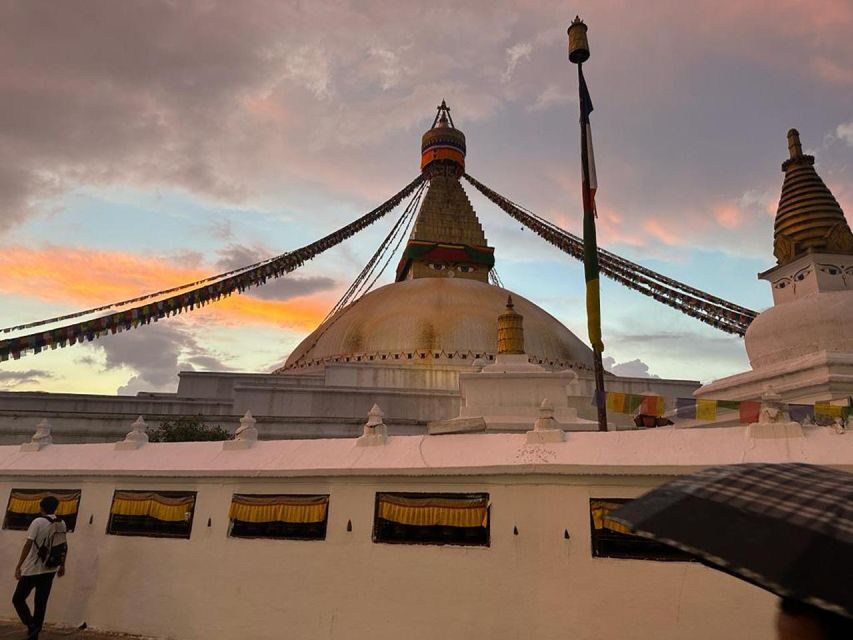
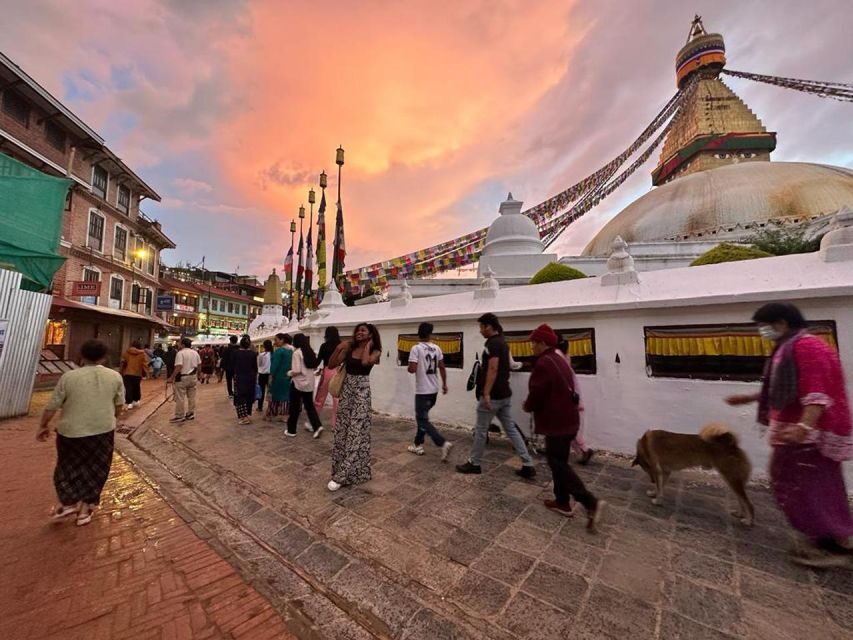
Boudhanath is one of those places where the visual language hits you fast: the scale of the stupa, the surrounding activity, and the way ritual becomes public life. Your visit includes a photo stop, guided tour, and time to walk.
Here’s what’s especially worth paying attention to:
- The kora route: pilgrims circumambulate the stupa in a steady flow. Watch how people choose their pace and where they focus their attention.
- Prayer wheels: as you walk, you’ll see people interacting with wheels as part of the ritual cycle. It’s not just decoration—it’s part of the action.
- Mantras and chanting: sound matters here. Even if you don’t understand every phrase, the rhythm adds to the atmosphere.
The best part is that your guide’s role isn’t to turn it into a lecture. It’s more like helping you interpret what your eyes are already catching. When I think of “value,” this is where it shows up: you understand why people are doing what they’re doing, rather than only knowing the name of the place.
One practical tip: plan for photos, but also plan to pause. The photo spots help, but Boudhanath rewards a slower look. If you’re the type who rushes from point to point, you’ll want to tell your guide you’d rather spend an extra minute watching the movement of the crowd.
Bhaktapur Durbar Square: UNESCO streets with wood, stone, and craft
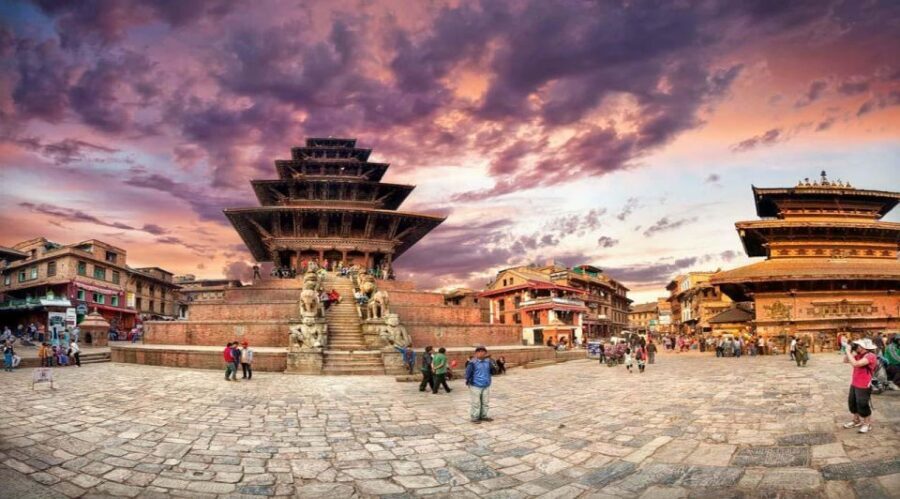
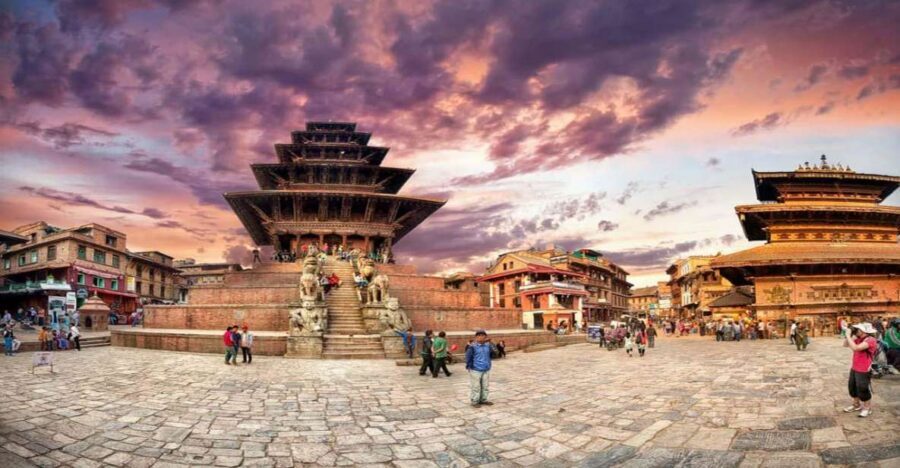
Bhaktapur Durbar Square is the part of the day where you can really feel Nepal’s design traditions up close. Your schedule includes a photo stop, guided tour, and free time within the area. You’ll also have a chance to shop and explore.
What makes Bhaktapur special is the way the architecture and everyday life are braided together. The guide will point out how the city’s Newari lifestyle shows up in the streets and how craft traditions—like woodworking and other artisan work—play out in real storefront energy, not staged museum calm.
You’ll see what people mean when they call this area UNESCO-listed. Look for:
- Pagoda-style temples and palace elements—the mix of layers, woodwork, and carved details
- Intricate doorways and facades, where the design isn’t random; it reflects the Malla dynasty’s role as an art and trade center
- Street scenes where artisans and local routines help explain why this place still feels alive
This is also where your guide’s expertise really helps with reading the city. Instead of just pointing at buildings, the guide explains why certain elements are placed where they are and what the structures meant in a trading and artistic hub.
If you want shopping time, you’ll have it. Bhaktapur is known for crafts, so it’s a good moment to compare items, ask about materials, and not rush your decisions. Just keep your own time in mind—your total Bhaktapur block is about 1.5 hours, so you’ll want to pick one or two shopping lanes rather than trying to cover everything.
The guides make it click: Prakriti, Bijay, and what you get for private time
In a private tour, the guide is not an add-on. They’re the difference between seeing objects and understanding context.
From the experience details I’m working with, guides named Prakriti and Bijay stand out for how they handle the day. They don’t just translate words. They guide your attention: where to look for key architectural features in Bhaktapur, and what rituals at Boudhanath mean in practice.
One small but meaningful advantage: these guides are willing to tailor your pace. If you’re a photo person, you can ask for the best spots for pictures. If you’d rather understand the story behind the buildings, you can lean into that too. The private format supports that kind of back-and-forth.
There’s also a local-relations angle in one account involving Karma as a friend of Bijay, which included extra time in the city’s nightlife after the main tour. Even if you don’t add anything beyond the scheduled stops, it’s a useful reminder: the guides often know how to connect your cultural visit to real Kathmandu life.




Tickets, food, and the small costs that matter
Your tour includes pickup and drop-off, a free vehicle, and a professional licensed private guide. It also says tickets to heritage sites are not included. That’s worth planning for.
So here’s how I’d budget:
- Heritage site tickets: expect to pay separately if the sites require entry fees
- Food: not included, so plan for a snack or meal depending on your schedule
- Personal expenses: souvenirs and anything you buy inside markets is on you
The good news: the experience includes skip the ticket line. That doesn’t mean the tickets are free. It means once you’re ready to pay or show what you need, you’re less likely to lose time in queues.
Photo stops and walking time: how to prep so it stays fun
This tour includes walking at both stops—about 80 minutes at Boudhanath and about 1.5 hours in Bhaktapur. That’s not a long hike, but these are old districts with uneven ground and lots of turns.
To keep it enjoyable:
- Wear shoes that can handle walking on rough or irregular surfaces.
- Bring a light layer. Kathmandu weather can shift, and temple areas can feel cooler or warmer depending on the time of day.
- If you’re carrying a camera or phone gear, keep it handy but secured. You’ll want photos, but you’ll also be moving through crowds.
The pacing is a big part of why people enjoy this format. You’re not stuck waiting around. There’s enough time to look closely without the pressure of trying to sprint through every corner.
Who should book this tour (and who might want to choose differently)
This tour is a strong fit if you:
- want a one-afternoon plan that hits both UNESCO-level architecture and major Buddhist ritual life
- prefer a private guide who can explain what you’re seeing rather than just pointing
- like photo opportunities but also want to understand the meaning behind the scenery
It may not be the best match if you:
- hate walking in historic areas
- want an itinerary where every single cost is bundled (since tickets and food aren’t included)
- are looking for a long day with multiple stops beyond Bhaktapur and Boudha
Value check: is $60 per person a good deal?
For $60 per person, you’re paying for a specific mix: private group, licensed English guide, and a free vehicle with Kathmandu pickup and drop-off for about 5 hours.
In plain terms, this is a good deal if you value:
- not negotiating transport on your own
- having someone guide your attention so you don’t miss the best features
- getting the timing right between Bhaktapur and Boudhanath
If you were to self-tour, you might save on guide cost—but you’d likely spend time figuring out transport and you might not get the context that makes the architecture and rituals land. Here, that context is part of what you’re buying.
Should you book Bhaktapur Durbar Square and Boudhanath Stupa?
I’d book it if you want a focused, culturally deep afternoon without turning it into a marathon. Two places, two different kinds of meaning—one built of carved stone and wood, the other built of ritual motion and chanting. With a private licensed guide (Prakriti, Bijay, or another English-speaking professional), you’ll spend more of the day understanding than guessing.
Just go in knowing that you’ll likely pay heritage site tickets on the ground, and plan a little time for walking. If that fits your style, this tour is a practical way to experience a big chunk of Nepal’s spiritual and artistic identity in one go.
FAQ
How long is the Bhaktapur Durbar Square and Boudhanath Stupa tour?
The tour duration is 5 hours.
Where does the tour start and end?
Pickup is from Kathmandu, and you’re dropped back in Kathmandu at the end of the tour.
How much does it cost?
The price listed is $60 per person.
Is there an English guide?
Yes. You’ll have a live tour guide in English.
Are heritage site tickets included?
No. Tickets to heritage sites are not included, but the tour includes skip the ticket line.
Is the tour wheelchair accessible?
Yes, it’s listed as wheelchair accessible.