REVIEW · KATHMANDU
4 UNSECO Heritage Sites Private Tour
Book on Viator →Operated by Himalayan Adventure Treks and Tours Pvt Ltd · Bookable on Viator
Four UNESCO stops in a day cuts the chaos. This 4- to 6-hour private Kathmandu outing is built for time-strapped days, with hotel pickup and drop-off from the Thamel area and end-to-end comfort in a private air-conditioned car. I especially like that the route includes the Kumari, a living Hindu goddess, during the Durbar Square visit.
One thing to plan for: entrance fees aren’t included, so you’ll want to budget a bit for site entry on the day.
In This Review
- Quick hits before you go
- Four UNESCO Sites in 4–6 Hours: A practical Kathmandu game plan
- Price and logistics: what you’re paying for at $80
- Pashupatinath: Hindu cremation grounds and a major spiritual complex
- Boudhanath Stupa: a Buddhist world in one very recognizable landmark
- Kathmandu Durbar Square and the Kumari: one stop that feels different
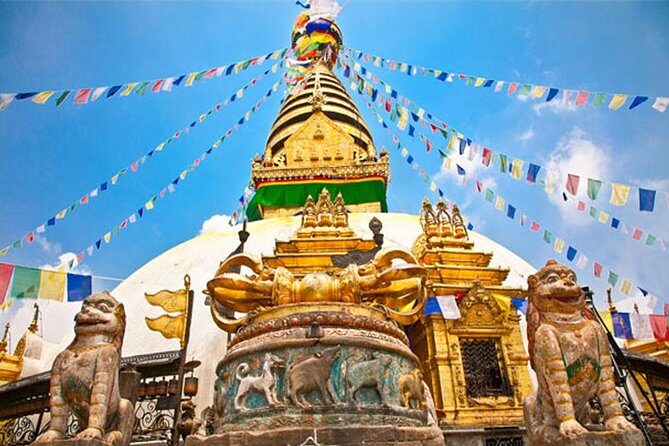
- Swoyambhunath (Monkey Temple): sacred views and a classic Kathmandu silhouette
- The guide experience: when names like Badri and Kapil show up
- Who this tour suits best (and who might want something else)
- What you’ll actually feel by the end of the day
- Should you book this 4 UNESCO Heritage Sites Private Tour?
- FAQ
- Which UNESCO World Heritage Sites are included?
- What time does the tour start?
- How long is the tour?
- Is hotel pickup included?
- Is this tour private?
- What transport is provided?
- What’s included in the price?
- What is not included?
- Is cancellation free?
- Is lunch provided during the tour?
Quick hits before you go
- Thamel-area pickup and drop-off keeps the day simple when you land or when you’re only in town briefly
- Private air-conditioned car means fewer transfers and less time haggling for rides
- Durbar Square + the living Kumari adds something you don’t usually get on a standard heritage loop
- Four UNESCO World Heritage Sites in one outing: Pashupatinath, Boudhanath, Kathmandu Durbar Square, and Swoyambhunath
- Experienced guide helps you connect what you’re seeing with the meaning behind it
- Mobile ticket makes it easier to show up and keep moving
Four UNESCO Sites in 4–6 Hours: A practical Kathmandu game plan
Kathmandu can feel like a lot at once: temples, stupas, courtyards, crowds, traffic, and the constant “Which one is worth my time?” question. This private tour solves the big problem with a tight structure. You’re not bouncing between half-planned stops or spending your morning chasing the right transport.
The best part is that you’re moving through multiple UNESCO-listed sights in one go—so you get a real sense of Kathmandu’s religious and historical layers without turning your day into a logistics test. The tour runs about 4 to 6 hours, starting at 9:15 am, which is a sweet spot for seeing key places while still keeping the rest of your day free.
And because it’s private, you’re not stuck waiting on a large group timeline. Only your party joins your guide, so the pace can be more natural and your questions won’t get swallowed.
You can also read our reviews of more private tours in Kathmandu


Price and logistics: what you’re paying for at $80
At $80 per person, this tour sits in the “good value if you want a focused day” category. You’re paying for three main things:
- Hotel/port pickup and drop-off from Thamel or near Thamel
- Private transportation by air-conditioned car
- An experienced guide to keep the route coherent
On top of that, you get a mobile ticket, plus confirmation at booking.
Here’s the catch: entrance fees are not included. That’s important, because two people can look at the same itinerary and feel totally different depending on what they expected the price to cover. If you’re budgeting tightly, set aside extra money for site entry and plan to handle those payments on the spot.
Also note the tour duration is listed as approximate. If you’re sensitive to timing, it helps to go into it expecting a morning-to-early-afternoon kind of day, not an open-ended sightseeing free-for-all.
Pashupatinath: Hindu cremation grounds and a major spiritual complex
Pashupatinath is one of the stops that gives this tour its backbone. It’s described as the crematory place of Hindus, and that detail matters because it signals the role this complex plays in both daily devotion and death rituals.
In practical terms, this stop is more than a quick photo stop. You’ll likely spend time orienting yourself in what you’re seeing—temples, sacred activity, and the dense spiritual atmosphere that makes Pashupatinath such a powerful landmark in Kathmandu.
If you like the kind of sightseeing where you understand why a place is important (not just that it’s old), a guided visit helps. A good guide will connect the site to wider Hindu beliefs and explain why certain spaces are treated differently.
Possible consideration: because it’s an active spiritual area, you’ll want to be respectful and ready for a lived-in environment—not a museum calm.
Boudhanath Stupa: a Buddhist world in one very recognizable landmark
Next up is Boudhanath Stupa, labeled in the itinerary as the largest Buddhist stupa of Asia. Even if you’ve seen photos before, Boudhanath has a presence that’s hard to fake. It’s the kind of place where everything around the stupa feels linked to Buddhist practice and community.
This is a strong counterbalance to Pashupatinath. You’re switching from a Hindu cremation complex setting to a Buddhist pilgrimage center, and that contrast is one reason the itinerary works so well. Kathmandu isn’t just one story; it’s multiple belief systems living side by side, often within the same day.
A guide’s role here is especially useful because a stupa can look “just sacred stone” until someone explains how the space is used and why people relate to it in the ways they do. With a private guide, you can ask the questions you actually care about—like what symbols mean and what visitors are expected to do in a respectful way.
Kathmandu Durbar Square and the Kumari: one stop that feels different
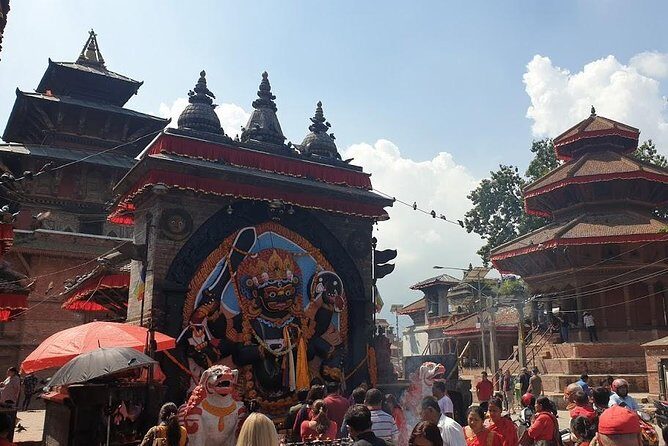
If there’s a reason people book a specific heritage route instead of random temple-hopping, it’s usually this kind of inclusion: Kathmandu Durbar Square plus a visit connected to the Kumari, the living Hindu goddess.
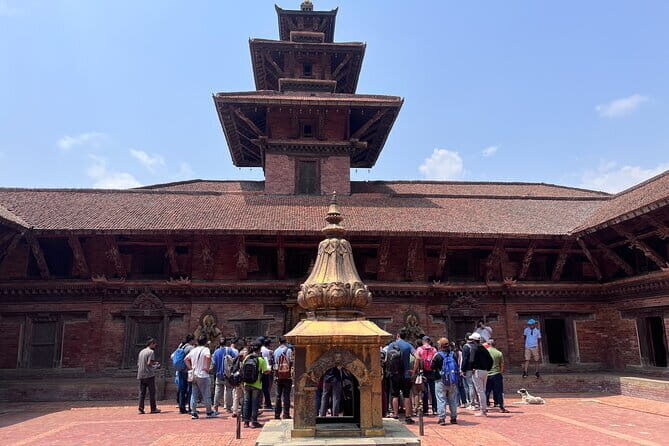
Durbar Square is framed in the itinerary as a historical and ancient palace area. That matters because it positions the site as more than a viewpoint. You’re there to understand the seat of old power and how sacred tradition ties into Kathmandu’s palace history.
Then comes the Kumari component, which is the itinerary’s standout cultural hook. The tour description calls her a living Hindu goddess, and that’s a different category of experience than “see a monument.” This stop is about witnessing a living tradition that many visitors find unforgettable because it’s not just heritage—it’s something people relate to in the present.
Practical note: because the Kumari element is tied to schedules and tradition, you’ll want to show up ready and on time. Starting at 9:15 am helps here by giving you more room within a 4- to 6-hour window.
You can also read our reviews of more historical tours in Kathmandu

Swoyambhunath (Monkey Temple): sacred views and a classic Kathmandu silhouette
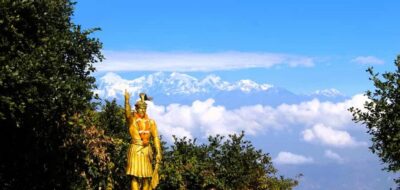
The itinerary includes Swoyambhunath, commonly known as the Monkey Temple. The name alone sets expectations: you’re visiting a place that’s famous on postcards, in conversation, and in Kathmandu orientation stories.
Why it fits this tour: it rounds out the day with a distinctly Kathmandu look. You get a chance to see the religious site that sits on the city’s skyline vibe, and it often becomes a visual anchor for the rest of your mental map of the valley.
This stop also works emotionally after the more grounded temple and stupa settings earlier in the day. You’ve already seen major religious landmarks—now you’re moving to a place that many people associate with the city’s identity itself.
Possible consideration: viewpoints and busy sacred areas can mean you’ll want to manage your patience. A private guide helps here by keeping you moving with purpose, not wandering without direction.
The guide experience: when names like Badri and Kapil show up
One theme in the feedback is that the human factor matters. Guides have been praised for making the experience feel engaging and personal, not like a script read at 2x speed.
In past experiences, people mention guides such as Badri, described as knowledgeable and friendly, and Kapil, praised for being fun and for sharing details that made the history and culture feel more interesting. There’s also praise for Bhagwat Simkhada and a welcoming approach that includes meeting you warmly and using your name upon arrival.
Now, to be clear: you won’t necessarily get the same guide every time. But what you can take from those stories is that this operator puts effort into the guide side of the experience—not just the driving.
If you care about context, this is where the value shows. A guide turns UNESCO names into something you can actually remember later, instead of a list of stops you barely recall.
Who this tour suits best (and who might want something else)
This is a strong match if you:
- have limited time in Kathmandu and want a heritage overview fast
- want private transport instead of figuring out rides on your own
- like the idea of seeing four UNESCO sites without creating your own route
- enjoy cultural explanations more than just “standing and photographing”
You might want to consider another format if you:
- expect the tour price to cover entrance fees (it doesn’t)
- prefer a slower day with fewer stops and more free time at each site
- want a very flexible itinerary with add-ons that aren’t listed in the route
Also, the tour notes say most travelers can participate. That doesn’t mean you won’t do some walking between sites, but it’s a good sign if you’re not planning something extremely strenuous.
What you’ll actually feel by the end of the day
By the time the tour wraps up, you’ll likely have a clearer mental picture of Kathmandu Valley as a whole—how Hindu sites and Buddhist landmarks sit side by side, how palace-area heritage connects to living traditions, and why these locations keep drawing visitors year after year.
And because the tour includes pickup and drop-off from the Thamel area, you don’t lose half your day getting to and from starting points. That practical convenience is quietly the difference between a good day and a frustrating one.
You’ll also come away with more than photos. A strong guide can connect what you saw at Pashupatinath, Boudhanath, Durbar Square, and Swoyambhunath to the broader story of Nepal’s cultural landscape—and that’s the part you can’t easily replicate with self-guided wandering.
Should you book this 4 UNESCO Heritage Sites Private Tour?
Book it if you want a focused, private day that hits the major UNESCO priorities in Kathmandu, with hotel pickup, air-conditioned car, and a guide who can help you make sense of the places you’re seeing.
Skip it or look for a different option if you’re the type who hates paying separate costs on arrival, because entrance fees aren’t included. Also, if you want lots of downtime in each location, this 4- to 6-hour format may feel a bit structured.
If you’re balancing a tight schedule and want a reliable cultural sampler of Kathmandu Valley, this one is a smart choice.
FAQ
Which UNESCO World Heritage Sites are included?
The tour route covers four UNESCO World Heritage Sites: Pashupatinath, Boudhanath Stupa, Kathmandu Durbar Square, and Swoyambhunath (the Monkey Temple).
What time does the tour start?
The start time is listed as 9:15 am.
How long is the tour?
The duration is approximately 4 to 6 hours.
Is hotel pickup included?
Yes. Hotel/port pickup and drop-off is included for places in or near Thamel.
Is this tour private?
Yes. It’s a private tour/activity, so only your group participates.
What transport is provided?
You’ll travel in a private air-conditioned car.
What’s included in the price?
Included items are hotel/port pickup and drop-off (Thamel or near Thamel), private air-conditioned transportation, and an experienced tour guide. You also receive a mobile ticket.
What is not included?
Lunch, personal expenses, and any kind of entrance fee are not included.
Is cancellation free?
Yes, free cancellation is offered. You can cancel up to 24 hours in advance for a full refund.
Is lunch provided during the tour?
No, lunch is not included.