REVIEW · KATHMANDU
Everest Base Camp Trek
Book on Viator →Operated by Nepal Trekking Routes Pvt. Ltd · Bookable on Viator
This trek turns Everest into a neighbor. You’ll start with a scenic Kathmandu-to-Lukla flight into Tenzing Hillary Airport, then end with the Kala Patthar 360° panoramic view that makes Everest feel uncomfortably close. Along the way, the Khumbu route reads like a living museum—Sherpa villages, monastery stops, and big-peak scenery that you can actually walk toward.
I love how the trip balances high-altitude drama with real-world practicality. You’re not just ticking off viewpoints; you’re also learning how the Khumbu works as a place—its trade center at Namche Bazaar, its culture, and why Sagarmatha National Park matters.
One consideration: altitude is the real boss here. Even with rest days and a steady climb, you need moderate fitness and common sense about pacing, hydration, and slow steps.
In This Review
- Quick Highlights You’ll Remember
- Kathmandu to Lukla: the flight that sets your pace
- Namche Bazaar and the Sherpa Museum: learning the Khumbu’s backbone
- Tengboche Monastery and the UNESCO-protected climb
- Everest View Hotel meals: comfort at high altitude
- Kala Patthar at altitude: earning the 360° Everest view
- Following Sherpa villages: culture you can actually talk to
- Guiding and logistics on the ground (and why it matters)
- Price and value: what $1,290 covers (and what it doesn’t)
- Physical fitness and altitude reality check (no drama, just truth)
- What the max group size feels like (15 people or less)
- Where you’ll start and where you meet your trek team
- Should you book this Everest Base Camp trek?
- FAQ
- Where does the Everest Base Camp trek start?
- How long is the trek?
- What is the highest elevation you reach on this trek?
- What is included in the tour price?
- What is not included in the tour price?
- Is airport pickup included?
- How big is the group?
- What level of fitness do you need?
- Is there free cancellation?
- When is the meeting window at Tribhuvan Airport?
Quick Highlights You’ll Remember
- Lukla (Tenzing Hillary Airport) flight: the dramatic start that sets expectations fast
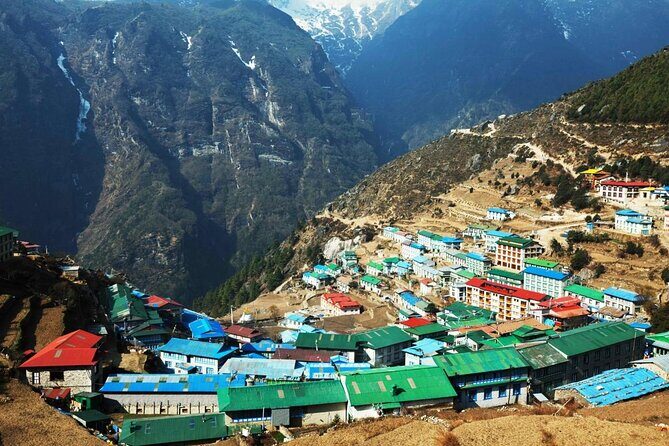
- Namche Bazaar + Sherpa Museum: understand the Khumbu beyond the scenery
- Tengboche Monastery: the Khumbu’s spiritual landmark with Everest’s backdrop
- Sagarmatha National Park: UNESCO-protected terrain you’re actually walking through
- Kala Patthar viewpoint: 360° panorama of Everest and neighboring giants
- Guiding + logistics: company support that helps when mountain travel gets moody
Kathmandu to Lukla: the flight that sets your pace
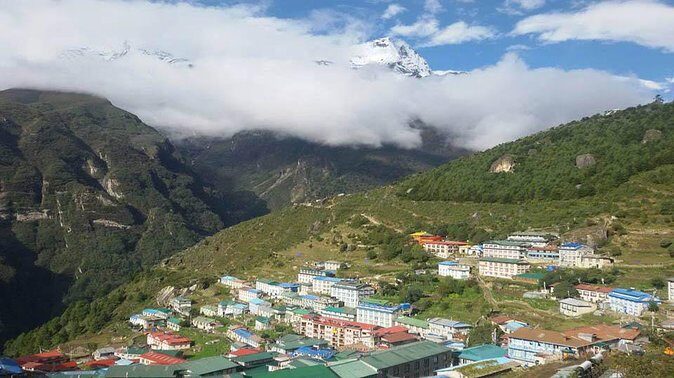
The whole Everest Base Camp story begins in Kathmandu, then jumps to the first big reset: your flight to Lukla (Tenzing Hillary Airport). This is not a casual hop. It’s part adrenaline, part boundary marker. Once you land in Lukla, you feel the change immediately—air gets thinner, schedules get tighter, and the mountains start calling the shots.
Lukla is also your first lesson in how this region runs. The Khumbu doesn’t move at the speed of cities. It moves at the speed of weather, trails, and practical decisions. That’s why having a guide/organizer who stays on top of details matters. When plans get affected—like flight delays or cancellations—this operator has shown it can reorganize so your trek doesn’t collapse into chaos.
If you like structure without micromanagement, you’ll probably appreciate this rhythm: move, adjust, climb, rest, repeat. It’s the same pattern you’ll use mentally all the way through the trek.
You can also read our reviews of more hiking tours in Kathmandu


Namche Bazaar and the Sherpa Museum: learning the Khumbu’s backbone
After Lukla, you’ll reach Namche Bazaar, described as the trade hub of the entire Khumbu region. That phrase is more important than it sounds. Namche isn’t only a scenic town stop. It’s where mountain life makes sense: goods move through here, news moves through here, and Sherpa life is visible in everyday ways.
One of the standout adds here is the Sherpa Museum. Even if you’re not a museum person, this gives you context that makes the trek feel sharper. You’ll start noticing details in villages and monasteries instead of treating everything like random scenery. It also helps you understand the people you’re sharing the trail with—their traditions, their hospitality, and how their culture fits into the big expedition world tied to Everest.
Namche is also a natural pacing point. You’re still building altitude awareness, so this is where a good group dynamic helps. Small-group trips (max 15 travelers) can make it easier to match your pace to the day and to the terrain without getting swallowed by a large, fast-moving crowd.
Tengboche Monastery and the UNESCO-protected climb
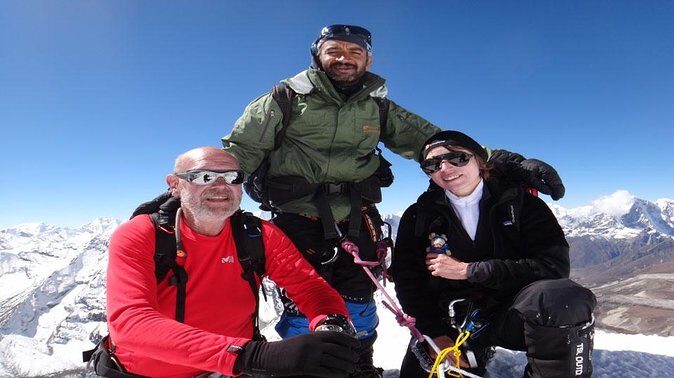
Tengboche Monastery is the kind of stop that makes sense even if you’re not religious. It’s the largest monastery in the Khumbu region, and it sits with Mount Ama Dablam and the Everest area close by. The effect is simple: you feel how spiritual practice and mountain life interlock here.
You also learn something practical from this setting. Monastery towns are often key nodes on trekking routes. They’re places where the trail community gathers, rests, and resets—so you’re not only sightseeing. You’re taking part in the walking culture of the Khumbu.
And you’re doing it inside a bigger protected framework: Sagarmatha National Park, a UNESCO World Heritage Site. That matters because it’s not just branding. It’s the reason the trekking environment is managed and conserved in a way that keeps the region recognizable for future walkers. It also gives your trek an extra layer of respect. You’re not just hiking through scenery; you’re in a place with rules, conservation goals, and cultural significance.
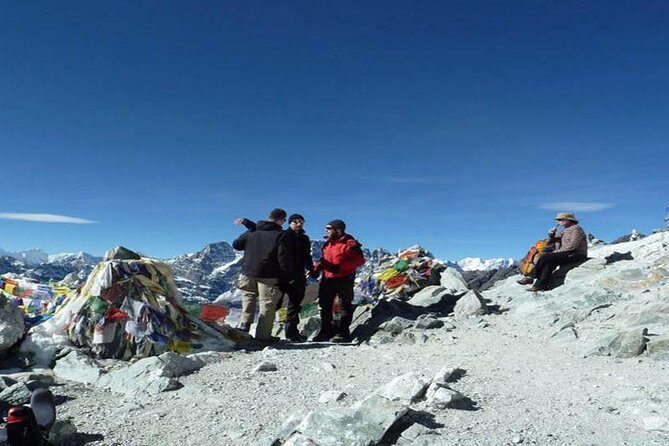
Expect your days here to feel busy in a good way: villages, prayer flags, stone walls, and the constant shift in mountain views as you gain height.
Everest View Hotel meals: comfort at high altitude
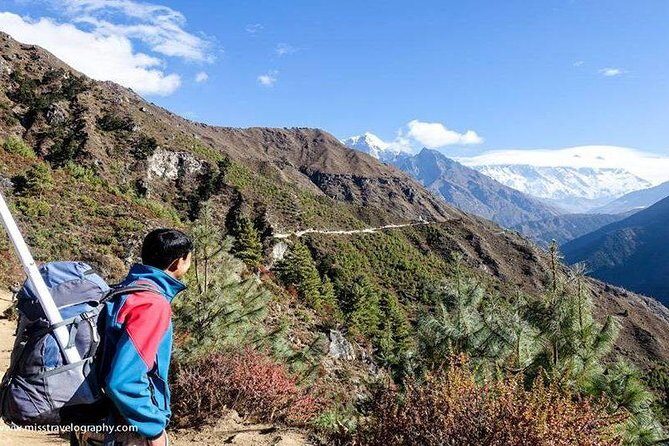
One detail I really like in this route is the chance to have breakfast or lunch at Everest View Hotel. Not because it’s fancy—because it’s high altitude, and it’s a real morale booster.
High-elevation trekking can turn food into a full-time job. When you reach a point where a hot meal and a stable stop are possible, it helps your body and your mind. Even a simple meal at altitude can make the next walking stretch feel less like punishment.
Also, the timing of this kind of stop matters. When you eat, you can settle your breathing and re-check your plan: do we keep moving slowly, do we take it easy, do we stay flexible? Good guiding shows up in those moments, and the Everest View Hotel stop is the kind of place where that coordination becomes obvious.
Kala Patthar at altitude: earning the 360° Everest view
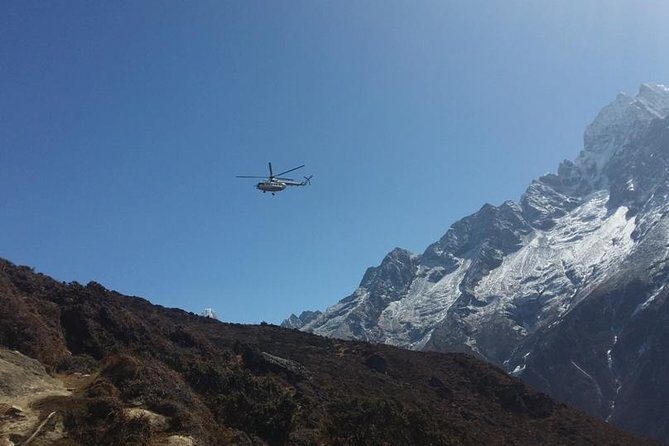
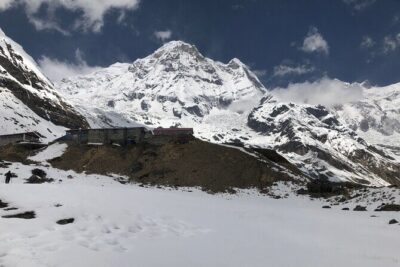
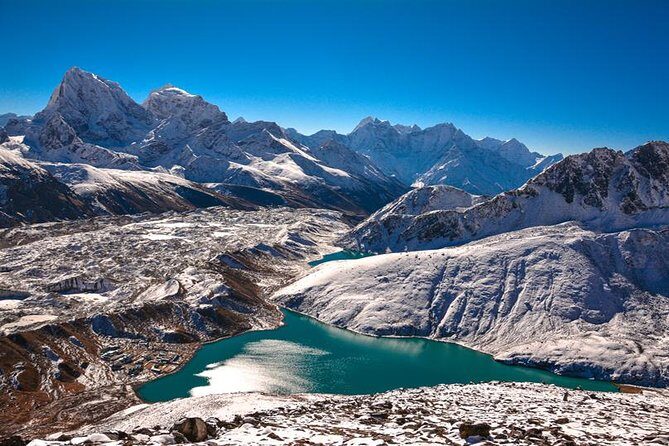
Kala Patthar is where this trek turns into a “wait, we’re really here” moment. The payoff is a 360-degree panoramic view of Mount Everest and nearby snowcapped peaks. It’s one of those sights where your brain tries to label everything at once—Everest, Lhotse, Cho Oyu, and the surrounding ridgelines that look both close and unreachable.
You’re also walking to a high point around the trek’s maximum elevation of about 5,380m (17,600ft) at Everest Base Camp. That’s plenty high for real altitude effects, so this section of the trek demands respect. The goal isn’t speed. The goal is steady movement, frequent hydration, and listening to your body.
There’s a reason people treat Kala Patthar like a rite of passage. The view isn’t just large; it’s directional. You can see the geometry of the mountain world. That’s when the Everest story stops being a headline and becomes a place you understand.
And because this route follows in the footsteps of Everest-era pioneers like Sir Edmund Hillary and Tenzing Norgay, the day carries a quiet historical weight too. It’s not staged. It’s more like standing at the edge of an ongoing legacy.






Following Sherpa villages: culture you can actually talk to
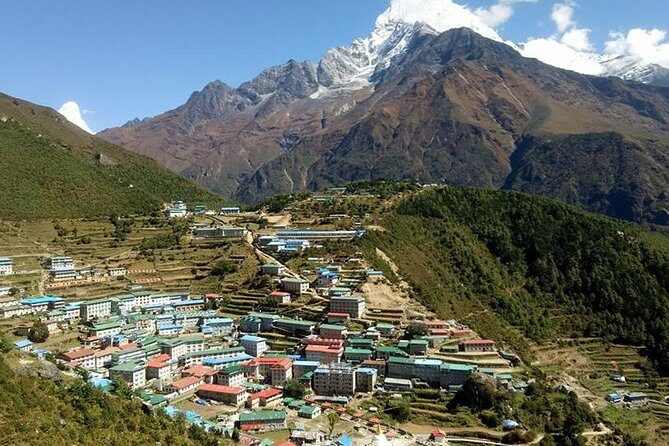
Between bigger landmarks, you’ll move through Sherpa villages that show their unique housing styles and everyday routines. This is where the trek stops feeling like a corridor of photos and starts feeling like a set of conversations.
Food and hospitality show up in small ways: shared spaces, tea breaks, and meals that are practical for trekkers and still tied to local tastes. If you’re curious and patient, you’ll learn more than you expected about what daily life looks like up here. And if you’re not a chatterbox, that’s fine too. The key is to observe respectfully and keep your energy for walking.
This cultural side is also why the trek is more than a physical challenge. You’re moving through a living community with traditions that don’t exist for tourism. Even when language barriers exist, warmth and helpfulness tend to translate.
Guiding and logistics on the ground (and why it matters)
Everest Base Camp treks can go sideways fast when timing collapses. In this operator’s case, the most praised theme is smooth logistics and fast communication—especially around the Lukla flight, where weather can create delays.
You might work with guides such as Bishnu, Navien, Nawin, Hari, or others named in past trips, and you may also meet porter support like Santa and Tek. What matters isn’t the specific name—it’s the approach. The team is described as professional and accommodating, and they’ve handled changes like extra hotel stays or adjusting the trek schedule, including skipping a rest day when that was the group’s choice.
That flexibility is a big deal in mountain travel. Plans can’t be carved in stone. When the organizer can respond without panic, your whole trip feels safer and less stressful.
Also, the company has experience with more than one style of route. Some past packages included helicopter return. If you’re considering that kind of option to save time or reduce fatigue, it’s worth asking during booking whether it fits your dates and goals.
Price and value: what $1,290 covers (and what it doesn’t)
At $1,290 per person for a trek around 14 days, the price sits in the “serious but not outrageous” zone for Everest-area organizing. The reason is what’s included:
- Overnight accommodation
- Airport/departure tax
- National park fees
That combination matters because those costs can add up quickly when you’re doing everything piece-by-piece. Handling park fees and key entry costs also reduces the chance of unpleasant surprises mid-trek.
What’s not included is equally important to budget:
- Alcoholic beverages
- WiFi on board
- Personal expenses
- Nepal arrival visa details (noted as using the arrival visa system)
- International flight fare
- Tips for guide and porter
For value, the real test isn’t only the dollars. It’s how much stress they remove. With an Everest trek, small uncertainties become big ones. When an organizer provides reliable coordination—picking you up, managing timing windows, and staying responsive—you end up paying partly for peace of mind.
If you budget tips separately and plan for personal spending, the package starts to look like a practical deal: you’re paying for access, fees, and organized support, not for luxury.
Physical fitness and altitude reality check (no drama, just truth)
The tour asks for moderate physical fitness. That’s a fair baseline for Everest Base Camp style trekking, where you’ll climb, descend, and walk on uneven terrain at altitude.
Here’s how I’d think about it:
- You don’t need mountain-athlete legs.
- You do need stamina for many hours of walking across multiple days.
- You must respect altitude pacing, especially near the top.
Altitude makes simple tasks feel harder. Breathing changes. Sleep can get weird. Appetites can shift. That’s why a calm, guided approach matters.
One more note: routes can vary in difficulty. One past trek included Kongma La (5,545m) as part of a higher-pass plan. If your departure includes additional passes, your body needs extra time and you’ll want to be extra strict about pace and hydration.
If you’re the type who tends to overdo day one, slow down early. Everest doesn’t reward ego.
What the max group size feels like (15 people or less)
Max group size is 15. That’s not huge. It’s also not so tiny that the trek feels lonely.
In practice, smaller groups tend to make logistics easier:
- it’s simpler to manage walking pace
- tea stops and rest breaks are less chaotic
- your guide can notice who’s struggling earlier
Also, it helps with the social side. Everest treks become better when you can share the day—especially on tough sections—without constantly stepping over each other.
If you prefer a more personal, less crowded trip, this size is a good fit.
Where you’ll start and where you meet your trek team
Your meeting point is Tribhuvan Airport in Kathmandu. The listed opening hours are 6:15 AM to 6:45 PM, with a confirmation received at booking. There’s pickup offered, which matters because Kathmandu airport logistics can be the difference between calm and scramble.
This is also where your trip starts to feel organized. You’ll want to show up rested and ready to move. If you arrive late or exhausted, you’ll feel it immediately once the trekking rhythm begins.
Should you book this Everest Base Camp trek?
I’d book it if you want the classic Everest Base Camp route with a strong mix of big views and real context. The Namche Bazaar + Sherpa Museum element is a smart choice for people who want more than scenery. Tengboche Monastery and Kala Patthar are the kind of landmarks that justify the effort.
I wouldn’t book it if you’re looking for an easy walk or if you’re not ready to handle altitude responsibly. This is a demanding trek. You can make it manageable with good pacing and moderate fitness, but it won’t be gentle.
If you like practical organizing—fast communication, flexible problem-solving when flights act up, and guides who focus on safety—this operator’s style matches that need. For the price, the included accommodation, taxes, and national park fees make budgeting cleaner. Then you just plan for your personal spending and tips.
If your main goal is to get close to Everest, learn the Khumbu as you go, and earn that Kala Patthar panorama with a supportive team, then yes—this trek is a strong call.
FAQ
Where does the Everest Base Camp trek start?
The meeting point is Tribhuvan Airport in Kathmandu, Nepal.
How long is the trek?
The duration is listed as about 14 days.
What is the highest elevation you reach on this trek?
The trek reaches an elevation of 5,380m (17,600ft) at Everest Base Camp.
What is included in the tour price?
Included items are overnight accommodation, airport/departure tax, and national park fees.
What is not included in the tour price?
Not included are alcoholic beverages, WiFi on board, personal expenses, Nepal arrival visa details (arrival visa system), international flight fare, and tips for guide and porter.
Is airport pickup included?
Pickup is offered.
How big is the group?
The tour has a maximum of 15 travelers.
What level of fitness do you need?
The tour is aimed at travelers with moderate physical fitness.
Is there free cancellation?
Yes. You can cancel up to 24 hours in advance for a full refund.
When is the meeting window at Tribhuvan Airport?
The listed opening hours are Monday through 6:15 AM to 6:45 PM (for the dates shown).