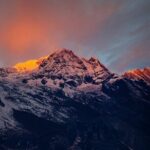
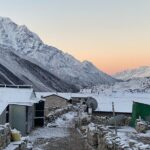
This trek turns big peaks into daily progress. I love the logistics that remove stress (bus to Pokhara, permits, a real map, lodge nights, and set meals), and I love the guides who keep things safe and steady, with names like Suman, Roman, Robin, Santosh, Bibek, and Suresh showing up in standout feedback for care and pacing. The one real consideration: this route climbs fast at altitude, so you’ll want at least moderate fitness and a calm, consistent walking rhythm.
You start with an early morning meet at 6:45 am, then you transition from Kathmandu’s streets to Pokhara’s hills before you ever see the big ridgelines. The trekking route builds toward the classic Annapurna Base Camp day (3700m), with a higher detour via Machhapuchhre Base Camp (4130m) that’s all about views and acclimatization logic. Lodges mean fewer “camp chores” and more time focusing on the trail and the mountain air.
One more thing I like is that it’s private: only your group. If road timing or your pace needs a tweak, the team has shown they’ll adjust rather than force the schedule. Still, you should plan on carrying your own personal items because a porter is not included, and personal trekking gear isn’t part of the package.
In This Review
- Key things to know before you go
- Kathmandu to Pokhara on a Tourist Deluxe Bus
- Ulleri and Ghorepani: easing into the Annapurna rhythm
- Poon Hill views, then down to Tadapani
- Sinuwa, Deurali, and the logic behind the big altitude steps
- The big push: Annapurna Base Camp via Machhapuchhre Base Camp
- Bamboo down to Jhinu Danda, then back to Pokhara
- Guides, lodges, and meals: where this trek really earns its stars
- Price and value: does $999 make sense for this route?
- What to pack (based on what’s not included)
- Should you book this Annapurna Base Camp trek?
- FAQ
- How long is the Annapurna Base Camp trekking experience?
- What time do we start?
- How do you travel between Kathmandu and Pokhara?
- What trekking gear is included?
- Are meals, permits, and lodge stays included?
- Do I need travel/medical insurance or a porter?
- What is the cancellation window for a full refund?
Key things to know before you go
- Guides who manage pace and safety (Suman, Roman, Robin, Santosh, Bibek, Rabin, Raj, Suresh Ariyel, Santos are all mentioned across feedback)
- Lodges + 3 meals a day while trekking, so you’re not stuck figuring out food at altitude
- Route includes Poon Hill plus Annapurna Base Camp, giving both panoramic highlights and the big goal
- Sleeping bag and down jacket included (you can return them after the trip)
- Transport is planned end-to-end, including a shared jeep from Jhinu to Pokhara
Kathmandu to Pokhara on a Tourist Deluxe Bus
Day 1 is all about getting you into position. You’ll ride a tourist deluxe bus from Kathmandu (1400m) to Pokhara (822m), then settle into two nights of standard accommodation in Pokhara. It’s a smart start because you arrive in the trekking region rested enough to handle Day 2 without feeling like you’re hiking right out of a long travel day.
The practical win here is timing. Even if you’re not a hardcore early riser, the tour’s structure builds in “real-life” travel days so you can keep your body from feeling totally scrambled by logistics.
You can also read our reviews of more hiking tours in Kathmandu


Ulleri and Ghorepani: easing into the Annapurna rhythm
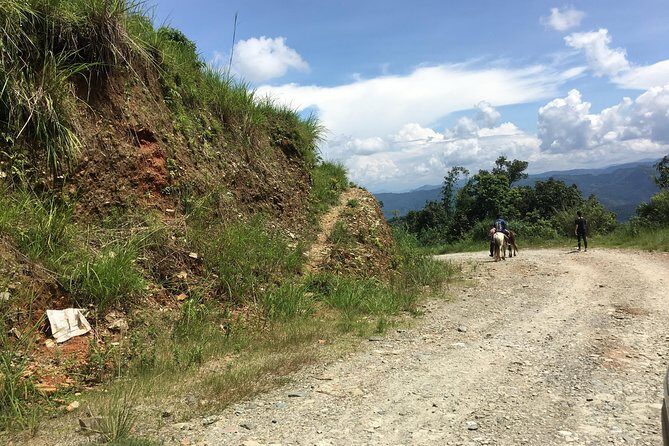
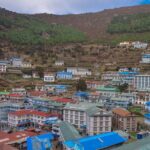
On Day 2, you drive from Pokhara to Birethanti (1263m), then trek up to Ulleri (1960m). That climb is steep enough to wake up your legs, but short enough to keep the mood positive. You’re also starting to experience the mixed feel of Nepal trekking: small paths, village stops, and views that gradually sharpen as you gain height.
Day 3 takes you from Ulleri to Ghorepani (2880m). This is where the day-to-day pacing starts to matter more than speed. Higher altitude means a slower effort level, and the best way to stay comfortable is to keep your breathing steady and let the guide set the rhythm.
Poon Hill views, then down to Tadapani
Day 4 is a highlight day in the route. You trek from Ghorepani (2880m) to Poon Hill (3210m) and then continue to Tadapani (2630m). That push up to Poon Hill gives you the classic “look where you’re going” feeling, and the drop down afterward is part of the acclimatization plan, not just a route choice.
The Tadapani stop is also a tone shift. Going from a high viewpoint into a lower village area helps your body recover while you still keep moving forward through different scenery.
Sinuwa, Deurali, and the logic behind the big altitude steps
Day 5 moves you from Tadapani (2630m) to Sinuwa (2340m). That’s another downward adjustment, which you’ll appreciate if you tend to feel altitude quickly. Lower altitude days like this are the kind of boring-but-smart choices that keep the long climb from turning into a grind.
Day 6 then brings the climb back up from Sinuwa to Deurali (3230m). This is the sort of day where your legs can feel it, even if the distance isn’t extreme on paper. The guide’s job here is huge: keeping everyone at a sustainable effort level, and making sure you don’t rush just because you feel okay at the start.
The big push: Annapurna Base Camp via Machhapuchhre Base Camp
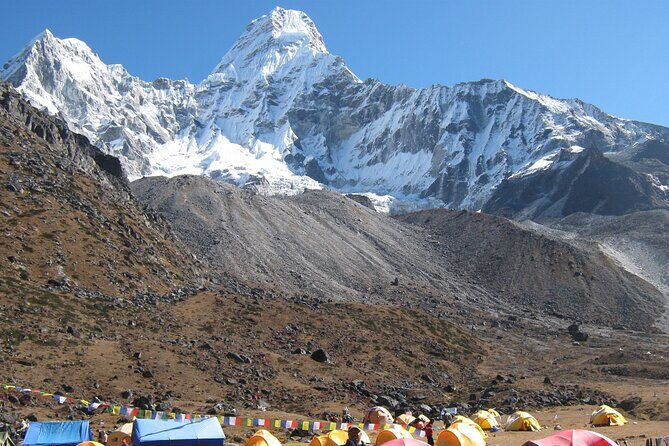
Day 7 is the main goal day, and it’s a serious one. You trek from Deurali (3230m) to Annapurna Base Camp (3700m), via Machhapuchhre Base Camp (4130m). That “higher intermediate point” is a big clue about how this trek thinks about acclimatization: you gain elevation for the payoff views, but you don’t end the day at the highest point, which helps your body settle.
When you reach Annapurna Base Camp, you’re not just arriving at a number on a map. You’re hitting the culmination of multiple days of gradual elevation changes, plus the emotional payoff of finally being at the place you planned around for weeks.
A small but important reality check: altitude can make sleep harder and breathing feel different. I’d treat this day like a long, steady effort rather than a sprint, even if your excitement is loud.





Bamboo down to Jhinu Danda, then back to Pokhara
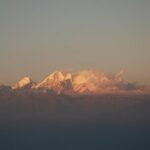
Day 8 takes you from Annapurna Base Camp (4130m listed on the route day) to Bamboo (2345m). That’s a major descent on paper, and it usually feels like a relief. But steep descents also mean your quads may complain, so trekking poles can help a lot if you use them.
Day 9 continues the descent theme: Bamboo to Jhinu Danda (1780m), then you drive back to Pokhara (822m). This is a “two-part day,” and it’s often where people feel the contrast most: hiking legs get tired, then you switch into vehicle mode for the return. It’s also the day that makes the whole trek feel complete, because you end back in a place with easier meals and a hotel bed.
Day 10 closes it out with the tourist deluxe bus from Pokhara back to Kathmandu (1400m). You don’t just get to leave the mountains behind, you also get a clean, planned exit instead of improvising your way out.
Guides, lodges, and meals: where this trek really earns its stars
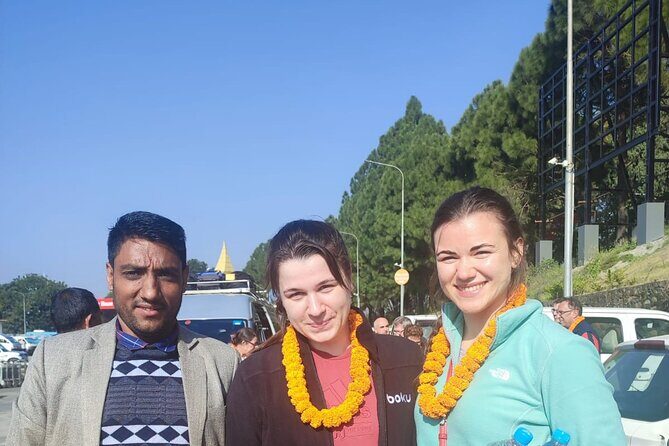
A lot of treks claim organization. This one has repeated feedback tied to people, not just schedules. Guides like Roman, Suman, Santosh, Robin, Bibek, and Suresh are praised for being ready to help, managing the group with patience, and adjusting to real pacing instead of forcing one size for everyone.
You’ll also feel it in daily life. Lodge accommodation during the trek means you’ll sleep in buildings instead of pitching tents, and the tour includes 3 meals (breakfast, lunch, dinner) while you’re on trek. For most people, that’s a big value factor because it reduces the “what do we eat now” decision-making at higher altitudes, where your energy matters.
One more practical included item that makes comfort easier early on: a sleeping bag and down jacket. The fact that you can return the items after the trip matters too, because it reduces luggage stress and cost for gear you might not use again.
Price and value: does $999 make sense for this route?
At $999 per person for about 10 days, this trek competes on value because it bundles the expensive friction points. You’re getting Kathmandu-to-Pokhara transport by tourist bus, Pokhara hotel nights, permits, a licensed guide, lodge stays, daily trek meals, trekking map, and even key warmth gear.
A fair way to look at it: the biggest things people often pay extra for on trekking holidays are guide support, permits, and scrambling for food and lodging. This package gives you structure for those items upfront, which is exactly what you want when you’re trying to focus on altitude and trail conditions rather than logistics.
Where the value can shrink a bit is in what’s not included. You still need to budget for travel/medical insurance, personal expenses (like snacks, phone/internet, laundry, charging devices), and the trekking gear you personally carry. If you want a porter, that cost is also on you since porter service is not included.
What to pack (based on what’s not included)
The tour supplies warmth gear for sleeping comfort and insulation (sleeping bag and down jacket), plus a trekking map and basic first-aid support. What it does not include is your full personal kit, plus the “nice extras” that hikers often assume are standard.
Plan to bring your own trekking equipment, and also bring cash or a payment plan for day-to-day personal spending. The non-included list explicitly points to items like bottled/boiled water, hot showers, battery recharge, and snacks, so if you want those comforts, assume they’ll be add-ons.
A smart packing mindset for this specific route is layers and footwear. You’ll start lower and climb to high elevations, so you’ll want clothing that works for cool mornings and colder evenings, plus shoes that can handle stone and dirt when your legs get tired.
Should you book this Annapurna Base Camp trek?
I’d book it if you want a guided trek with a tight logistics net and a route that hits the big goal without chaos. The repeated praise for guides like Suman, Roman, Santosh, Robin, Bibek, and Suresh matters because on a trek like this, the guide affects your pace, safety, and mood more than most people expect.
I’d think twice (or plan extra carefully) if you’re not ready for altitude and long hiking days. This isn’t a stroll, and you’ll also be responsible for your own personal gear and likely for your own carrying, since a porter is not included.
If you’re a first-time trekker or you’re trekking with beginners, this package structure can make the difference between a stressful trip and a confident one. If you’re an experienced trekker, you’ll still benefit from having permits, meals, and lodging handled, even if you bring your own gear and stay ready to move at your pace.
FAQ
How long is the Annapurna Base Camp trekking experience?
It runs for 10 days approximately, with a Kathmandu start and a return to Kathmandu on Day 10.
What time do we start?
The meeting/start time is 6:45 am.
How do you travel between Kathmandu and Pokhara?
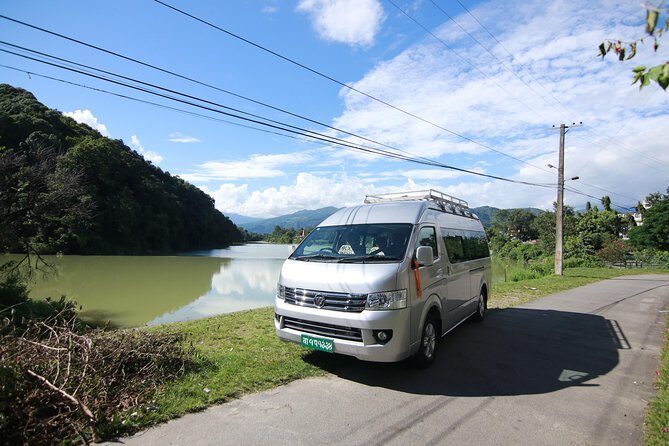
You take a tourist deluxe bus from Kathmandu to Pokhara on Day 1, and another tourist bus from Pokhara back to Kathmandu on Day 10. The trek also includes a drive from Pokhara to the trek start point, and a shared local jeep transport from Jhinu to Pokhara.
What trekking gear is included?
The trek includes a sleeping bag and a down jacket. The information also says you could return these after the trip.
Are meals, permits, and lodge stays included?
Yes. It includes necessary entry permits, lodge accommodation during the trek, and 3 meals per day (breakfast, lunch, and dinner) during trekking.
Do I need travel/medical insurance or a porter?
Travel and medical insurance are not included, and a porter is not included. Personal expenses and personal trekking gear/equipment are also not included.
What is the cancellation window for a full refund?
You can cancel up to 24 hours in advance of the experience’s start time for a full refund. If you cancel less than 24 hours before the start, the amount paid is not refunded.