REVIEW · POKHARA
Pokhara: 7-Day Annapurna Base Camp Trek with Hot Spring
Book on GetYourGuide →Operated by Snow Peak Tours and Travels pvt.ltd. · Bookable on GetYourGuide
That first climb out of Pokhara feels like a reset. This 7-day hike to Annapurna Base Camp pairs big mountain views with village life along the Annapurna circuit trails, starting from Nayapool and rising through rhododendron forests and classic stops like Ghandruk and Chhomrong. Two things I especially liked: the way the route stays human-scaled with tea houses each night, and how the experience mixes nature with real local culture from Gurung, Magar, and Tibetan communities.
I also liked the people behind the walk. In guides like Sun, Laxman, and Bishnugiri, you’ll see the same theme: friendly, practical support, plus motivation when the uphill starts to feel long. One consideration: you still reach 4,130m at the base camp, and the tour is not suitable for altitude sickness or mobility impairments, so you’ll want to be cautious with pacing and health.
In This Review
- Key moments that make this trek worth your time
- Where this trek starts: Pokhara, Nayapool, and the road-walking handoff
- Ghandruk and Chhomrong: the village-to-mountain rhythm
- Himalaya to Annapurna Base Camp: the 4,130m payoff
- Bamboo to Jhinu Danda: switching from summit mode to recovery mode
- The tea-house nights, basic lodges, and what “included” really means
- Guides you remember: Sun, Laxman, and Bishnugiri
- Price and value: what $207 covers and what you’ll still pay for
- Who this trek fits best (and who should skip it)
- What to bring: gear that matches this route and altitude
- Should you book the 7-Day Annapurna Base Camp trek with hot spring?
- FAQ
- What permits are included for the Annapurna trek?
- Where does the trek start from in the Pokhara area?
- What altitude do you reach at the highlight?
- Are meals included during the trek?
- What kind of accommodation do you get each night?
- Is this a private group trek?
- What language options are available for the guide?
Key moments that make this trek worth your time
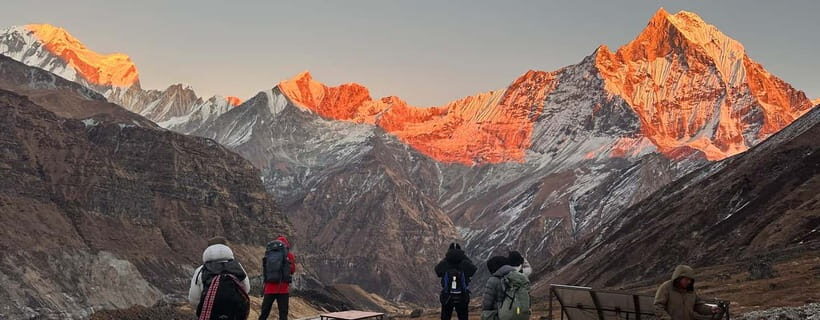
- Nayapool start, Modi Khola valley walking: you ease in with 5–6 hours to Ghandruk on Day 1, not a brutal first-day jump.
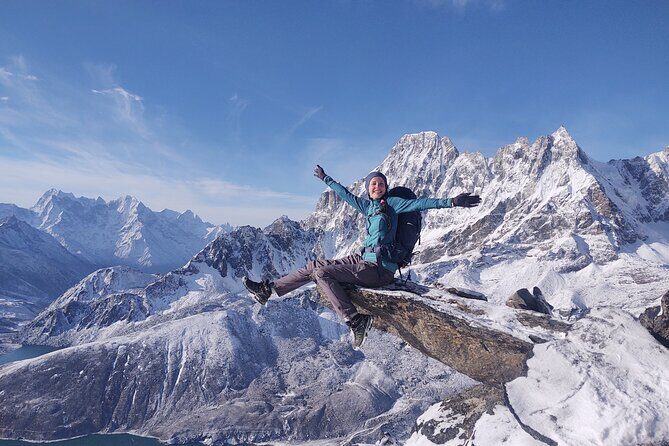
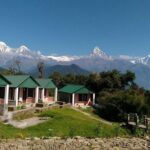
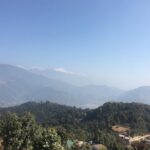
- Rhododendron forests and panoramic Annapurna views: the climb repeatedly pays you back with wide mountain sightlines.
- Chhomrong to Himalaya to Base Camp: each stage builds altitude gradually toward the 4,130m highlight.
- Annapurna Base Camp at the close-up payoff: staying overnight puts you right in the orbit of the peaks.
- Bamboo to Jhinu Danda hot springs: a recovery day with natural heat for sore muscles after trekking.
- Private guide support with English/Hindi/Nepali: you’re not stuck guessing what you’re looking at or what to do next.
Where this trek starts: Pokhara, Nayapool, and the road-walking handoff
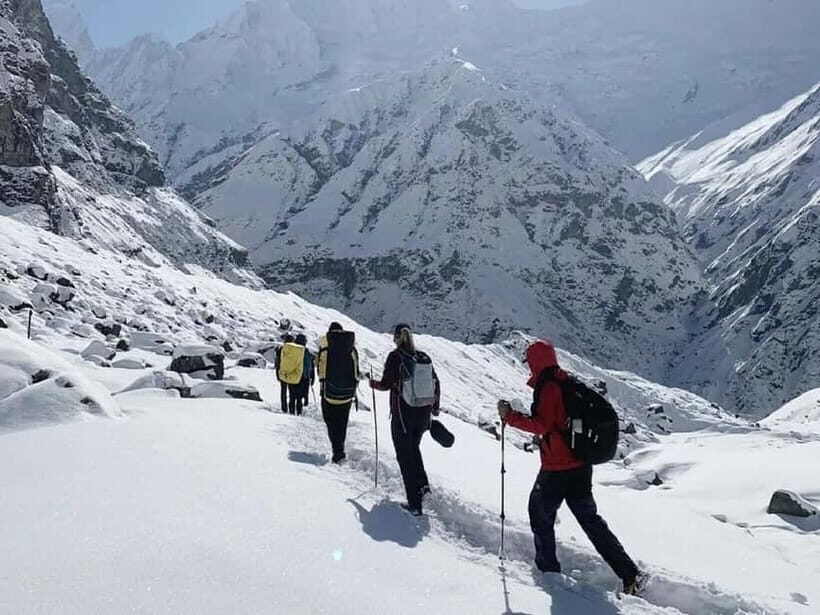
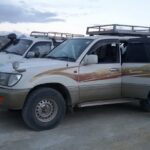
Most days on the trail feel best when you don’t have a long, confusing scramble to begin. Here, you’re picked up by private vehicle in Pokhara (including areas like Lakeside and even drop-off options like Pokhara International Airport), then transferred to the trek starting area at Nayapool. Day 1 is essentially the transition day: ride first, hike second.
Once you start walking, the first segment heads along the Modi Khola, with villages and forest scenery as your warm-up. You’re aiming for Ghandruk, about 1,940m, after roughly 5–6 hours on foot. If you’ve ever shown up to a trek and felt immediately behind, this is a good shape: you start climbing, but you’re not thrown into the highest altitude right away.
Practical note: this is a private group trek. That matters because it usually means your pace and comfort requests are easier to honor, especially on the slower uphill stretches.
You can also read our reviews of more hiking tours in Pokhara
Ghandruk and Chhomrong: the village-to-mountain rhythm
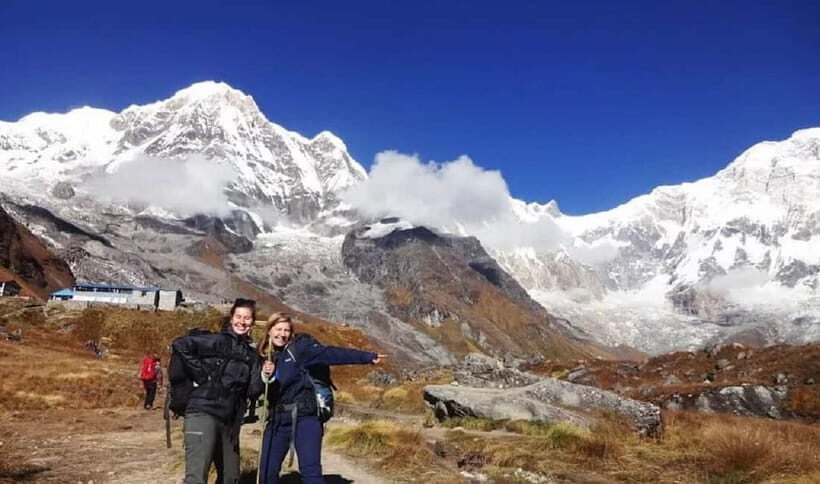
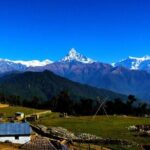
Day 2 climbs from Ghandruk to Chhomrong (around 2,170m). This is one of those days where the “walk” and the “view” often happen at the same time. The route threads through hilly settlements and rhododendron forests, and you’ll get obvious panoramic views of the Annapurna range as you move.
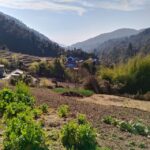
Chhomrong is also a village experience day, not just a hiking checkpoint. You’re going to notice how the trail life is organized around communities that have dealt with these mountains for generations. That village texture is what makes the trek feel more like a real journey than a checklist.
Day 3 takes you higher, heading to Himalaya at around 2,920m. Expect more rhododendron forest walking and mountain views that feel larger day by day. At this point, tea-house nights matter more too, because you’ll appreciate a place to reset before the next altitude step.
Himalaya to Annapurna Base Camp: the 4,130m payoff
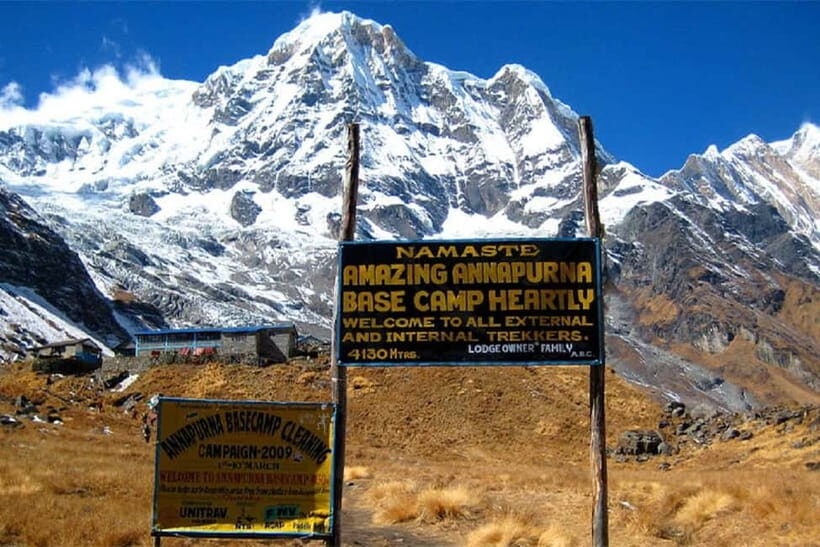
Day 4 is the big push: Himalaya to Annapurna Base Camp at 4,130m (13,550 feet). This is your peak highlight day, and you’ll likely feel it in your breathing. The good news is the itinerary gives you multiple overnight stops on the way, which helps you build toward the altitude rather than jumping straight into the hard stuff.
You’ll also pass through notable areas en route, with Machhapuchhre Base Camp mentioned as part of what you’ll experience along the way. And before you reach the main “wow” moment, you’ll typically move through places like Dovan and continue onward through familiar Annapurna trekking country.
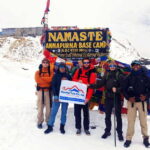
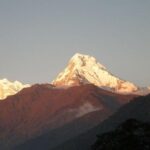
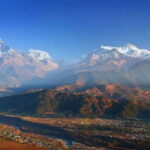
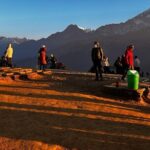
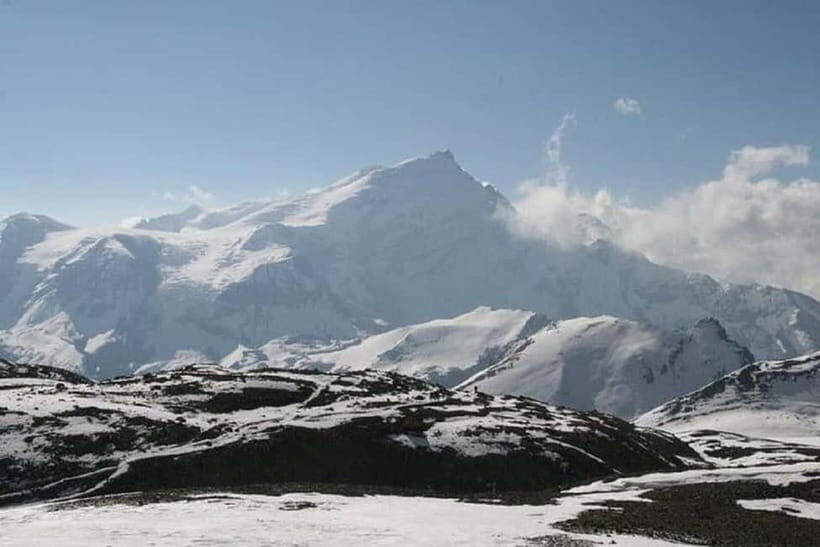
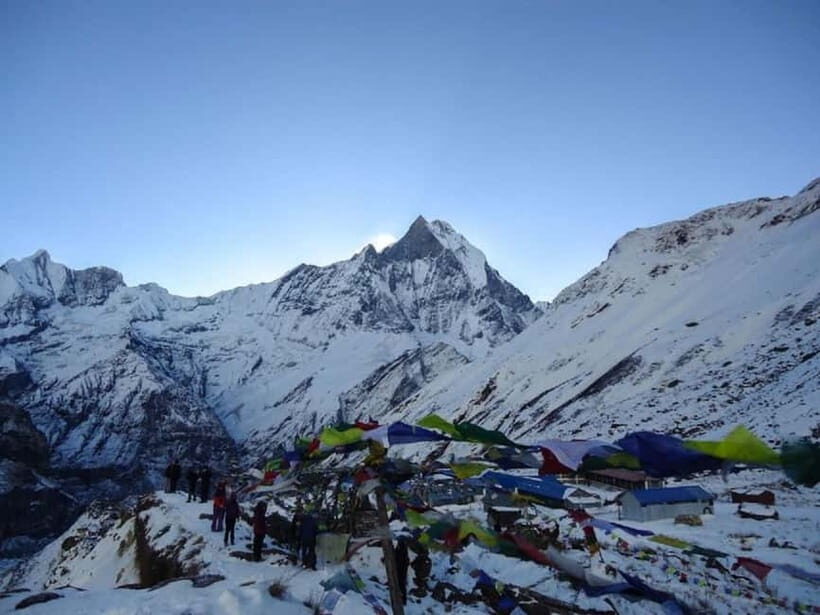
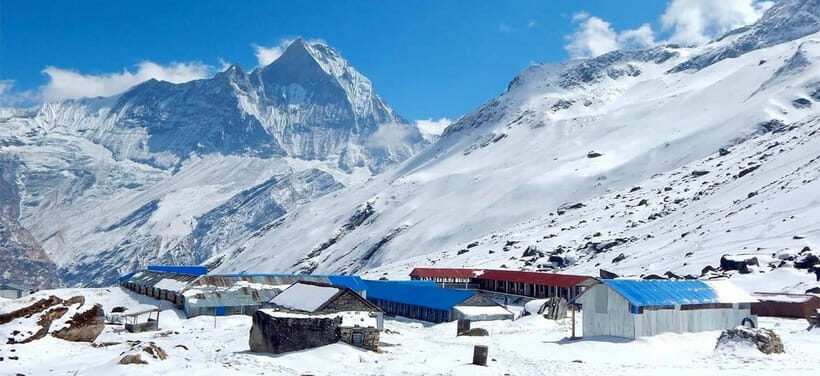
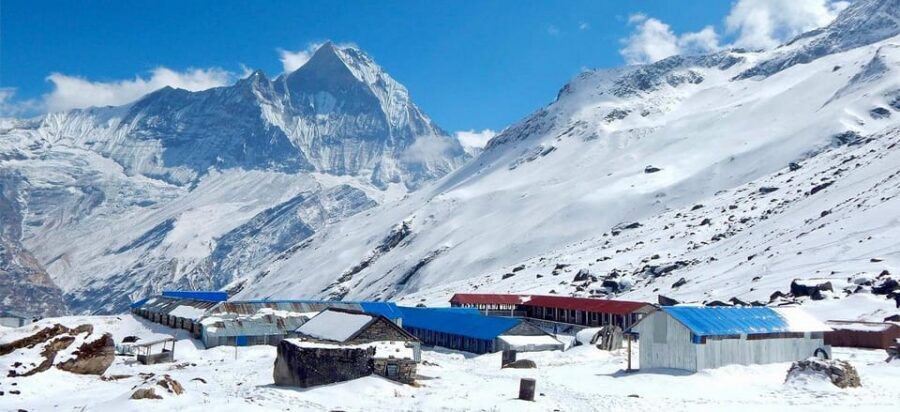
When you finally reach Annapurna Base Camp, you’ll stay overnight at the camp area. That one detail is huge. It means you’re not just snapping a photo and turning around; you get time when light changes and the mountain atmosphere shifts. You’re right near the peaks, and you’ll see why the Annapurna and Dhaulagiri mountain views are repeatedly called out as the main visual reward.
A reality check: the trek is not labeled as suitable for altitude sickness. If you’ve had issues before, or if you’re unsure how you respond to altitude, talk to a clinician before you go. On this route, “toughing it out” is not a strategy.
Bamboo to Jhinu Danda: switching from summit mode to recovery mode
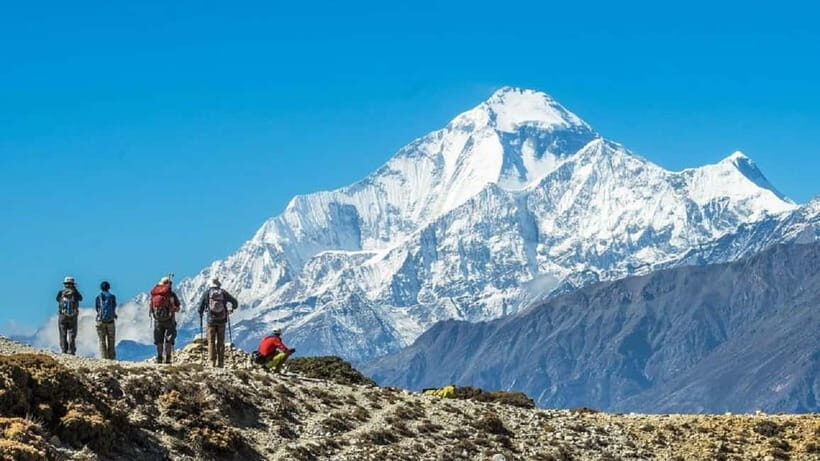
After the base camp day, Day 5 drops down to Bamboo at about 2,335m. The trail continues through rhododendron forests and you may encounter natural springs and waterfalls along the way. This is often the day where you feel the most grateful for the recovery rhythm: you’ve hit the high point, and now your body gets a chance to reset while still hiking.
Day 6 is where the “hot spring” promise becomes real. You hike from Bamboo down to Jhinu Danda at about 1,610m, and the main perk is the natural hot springs. It’s a straightforward idea, but it works: warm water helps your stressed muscles after days of uphill effort and altitude strain.
This is also a good emotional reset day. The base camp can feel intense, even if it’s beautiful. Jhinu Danda shifts the focus to comfort and relief, which makes the final day of trekking back feel more manageable.
The tea-house nights, basic lodges, and what “included” really means
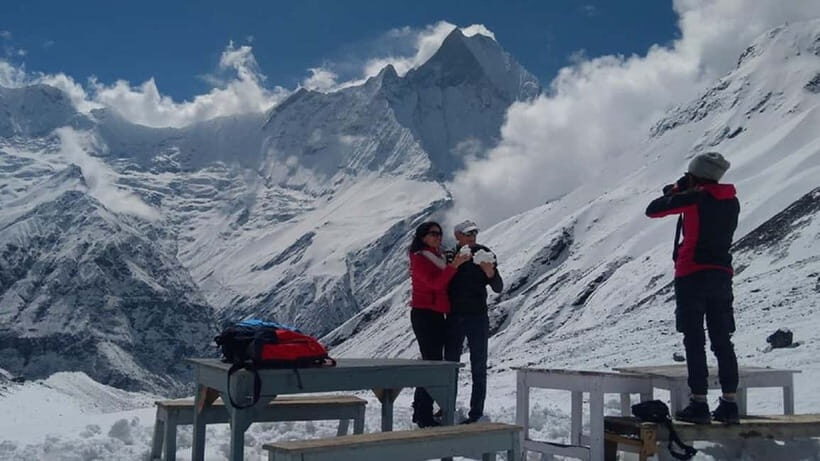
Your accommodation is in basic tea houses or lodges during the trek. That doesn’t mean it’s rough, but it does mean you should expect simple setups: think clean beds and a warm meal when available, not hotel standards. Meals during the trek are not included, so you’ll buy your food on the way.
What is included is the structure that makes the trek run smoothly. You get an ACAP permit (Annapurna Conservation Area Permit), a professional English-speaking guide certified by the Nepal Government, and a guide plus porter arrangement where foods, accommodation, insurance, salary, transportation, and equipment are covered by the operator for the trekking crew. You also get luggage storage in Pokhara, which is one of those practical touches that makes the whole trip easier.
Some trekking gear is also included as needed, including a trekking stick and sleeping bag. For your own planning, I’d still pack based on your personal comfort, but it’s reassuring that the operator intends to help equip you if you need basics.
A few more Pokhara tours and experiences worth a look
Guides you remember: Sun, Laxman, and Bishnugiri
One of the strongest parts of this trek is the people element. The guides named in past experiences—Sun, Laxman, and Bishnugiri—were praised for being kind, responsive, and genuinely invested in your comfort.
Sun, in particular, was described as taking care of the group, answering questions, and having clear experience in managing the week. Laxman was noted as looking after the trek and being kind throughout. Bishnugiri was recognized for encouraging you step by step and making the trek easier when things felt tough.
For you, that translates into something practical: you’re less likely to second-guess trail choices or lose your pace when the day gets steep. And on a trek where you’re hiking through villages, forests, and high-altitude terrain, guidance isn’t just a nice-to-have. It’s part of staying steady, safe, and confident.
Price and value: what $207 covers and what you’ll still pay for
At $207 per person, this trek is built for budget explorers who still want a real, organized Annapurna Base Camp experience. The value comes from the package pieces that add up fast on treks: private vehicle transportation between your hotel/airport and the trail start, the ACAP permit, tea-house/lodge accommodation during the trek, and a certified guide. You also get a first aid kit and government/local taxes handled.
Your main extra cost is meals. Since all meals during the trek are not included, you’ll need cash for food at tea houses along the route. There’s also an optional porter hire for $20 per day, which can be worth considering if you want to keep your own load light on the steeper days.
If you’re trying to decide whether this is a good deal, compare the total scope: guide + permit + lodging + transport are the big cost drivers here. What’s not included is what you’d expect on a trekking package: your personal expenses and trek-day meals.
Who this trek fits best (and who should skip it)
This is a strong choice if you want:
- A structured, guided 7-day route to Annapurna Base Camp from Pokhara
- Daily hiking through classic village scenery and rhododendron forests
- A natural hot spring stop at Jhinu Danda for muscle recovery
- A private group setup with guide languages that include English, Hindi, and Nepali
It’s less ideal if you:
- Need mobility-friendly terrain (the tour is not suitable for people with mobility impairments)
- Have altitude-sickness risks or medical constraints (the tour specifically notes it’s not suitable)
If you’re a first-time trekker, you’ll still want good footwear, warm layers, and a realistic attitude about pace. The itinerary helps, but it doesn’t remove altitude challenges.
What to bring: gear that matches this route and altitude
You’ll be happier if you pack for sun, cold nights, and wet weather. The essentials listed include comfortable shoes and hiking shoes, warm clothing, rain gear, gloves, a jacket, sunglasses, a sun hat, and sunscreen. Bring a towel, flashlight, and a power bank so you can keep devices going when outlets are limited.
At higher altitude, layers matter. The tour includes trekking gear like a sleeping bag as needed, but if you tend to get cold easily, plan to be warm. You’ll also want change of clothes and a small cash stash for tea-house meals.
Also, bring passport (a copy is accepted) since that’s part of what’s requested for the trip.
Should you book the 7-Day Annapurna Base Camp trek with hot spring?
I’d book it if you want a classic Annapurna Base Camp week that doesn’t feel like a rushed sprint. The combination of a guided, private setup, tea-house lodging, and a meaningful payoff at 4,130m makes the time feel earned. Then you cap it with Jhinu Danda hot springs, which is the kind of recovery that makes the last day back easier.
Skip it if you know you can’t handle altitude risks, or if mobility issues mean uneven mountain paths are a problem. Also, go in knowing meals aren’t included, so your budget should include food along the trail.
If you’re ready to work for the views and value steady guiding (the kind praised by Sun, Laxman, and Bishnugiri), this is a solid, cost-conscious way to do Annapurna Base Camp from Pokhara.
FAQ
What permits are included for the Annapurna trek?
The trek includes the Annapurna Conservation Area (ACAP) permit.
Where does the trek start from in the Pokhara area?
The hike starts from Nayapool, and you’re transported there by private vehicle from your hotel area.
What altitude do you reach at the highlight?
You reach Annapurna Base Camp at 4,130 meters (13,550 feet).
Are meals included during the trek?
No. All meals during the trek are not included, and you purchase food along the way.
What kind of accommodation do you get each night?
You stay in basic tea houses or lodges during the trek.
Is this a private group trek?
Yes, it’s listed as a private group.
What language options are available for the guide?
The live tour guide speaks English, Hindi, and Nepali.