REVIEW · POKHARA
Pokhara: 4-Day Ghorepani, Poonhill & Ghandruk Mountain Trek
Book on GetYourGuide →Operated by Snow Peak Tours and Travels pvt. ltd. · Bookable on GetYourGuide
Poon Hill sunrise can steal your morning. This 4-day Pokhara-to-Ghorepani trek stitches together big Annapurna and Dhaulagiri views with village life, from Magar hospitality in Ulleri to Ghandruk Gurung culture. I like that it’s short enough to stay focused, yet varied enough that you’re not just hiking from one viewpoint to the next.
The main thing to consider is the early starts and cold nights, especially when you’re moving fast in the dark for sunrise.
Key highlights to look for
- Poon Hill sunrise: the classic golden-mountain moment, usually after a very early wake-up
- Ghandruk village time: Gurung traditions, slower walking, and a real sense of place
- Rhododendron forest hiking: colored trails that change the feel of the climb
- Helpful, experienced guides: many trips succeed because your guide keeps pace and picks good stops
- Tea-house comfort after walking: simple lodges, warm blankets, and practical meals for recovery
In This Review
- Why this Ghorepani–Poon Hill–Ghandruk trek makes sense in 4 days
- Day 1: From Nayapool to Ulleri for a smooth start and village warmth
- Day 2: Ghorepani and the rhododendron forest stretch
- Day 3: Poon Hill sunrise, then Tadapani and Ghandruk’s Gurung heart
- The Poon Hill sunrise window
- After sunrise: breakfast, then trek onward
- Why Ghandruk is a standout ending
- Day 4: Down to Nayapool and back to Pokhara
- Tea houses, blankets, and what “simple” means in practice
- Guides: why the names you’ll see matter (Jeet, Chandra, Santosh, and more)
- Permits, permits, permits: the one paperwork step you can’t skip
- Price and value: what $181 covers and what you might add
- Best fit: who should book this trek
- Should you book this Pokhara Ghorepani, Poon Hill & Ghandruk trek?
- FAQ
- What does the price of $181 per person include?
- Are meals included during the trek?
- Where do pickup and drop-off happen in Pokhara?
- What kind of accommodation should I expect?
- What permits do I need?
- Do I need travel insurance?
- Is a porter included?
- What should I pack for cold nights and sunrise?
- How early will I need to start for sunrise?
Why this Ghorepani–Poon Hill–Ghandruk trek makes sense in 4 days
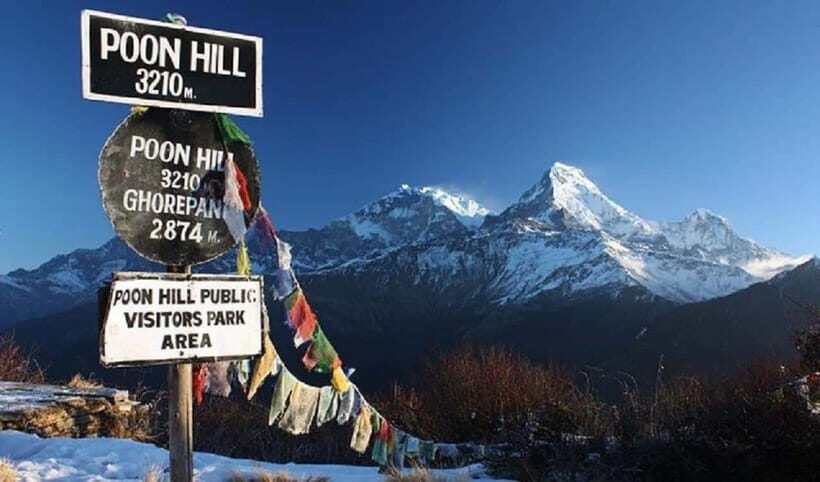
This is one of the better “time-efficient” Annapurna region hikes. You get the big sunrise payoff at Poon Hill, but you’re also trekking through villages like Ulleri and Ghorepani, then ending in Ghandruk, which feels more deeply local than a pure viewpoint stop.
The daily hiking windows are long enough to feel like a real trek, but not so long that you’re in survival mode. That matters because most people on a shorter trek want two things at once: strong views and a pace you can actually enjoy. You’ll likely walk several hours each day, with the hardest part being the combination of elevation, stairs, and early mornings.
One more practical win: the route is flexible for different fitness levels. Guides commonly adjust pacing, and many groups report finishing even when they were a bit unfit at the start.
Day 1: From Nayapool to Ulleri for a smooth start and village warmth
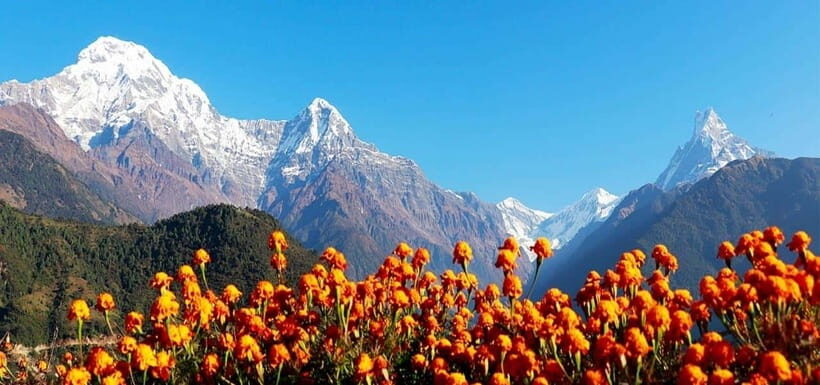
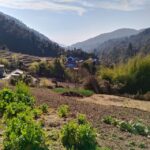
Your day begins with transport from Pokhara to Naya Pul, then a trek that climbs toward Ulleri over about 5 to 6 hours. This is a “get your legs working” day rather than a punishing grind. You’ll pass through local settlements and start noticing how the Annapurna foothills are lived in, not just walked through.
Ulleri is where the Magar community hospitality shows up in a big way. It’s also one of the places where you’ll get that first batch of tea-house life: ordering dinner, settling into a simple room, and realizing nighttime temperatures can drop quickly.
What to watch for: if you’re not used to uphill steps, start slower than you think you need to. Your guide can help you find a pace you can keep through Day 2 and the early wake-up on Day 3.
You can also read our reviews of more hiking tours in Pokhara
Day 2: Ghorepani and the rhododendron forest stretch
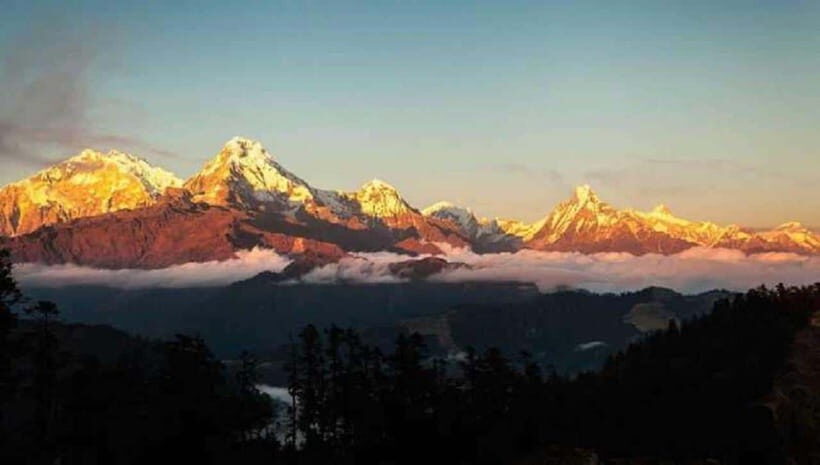
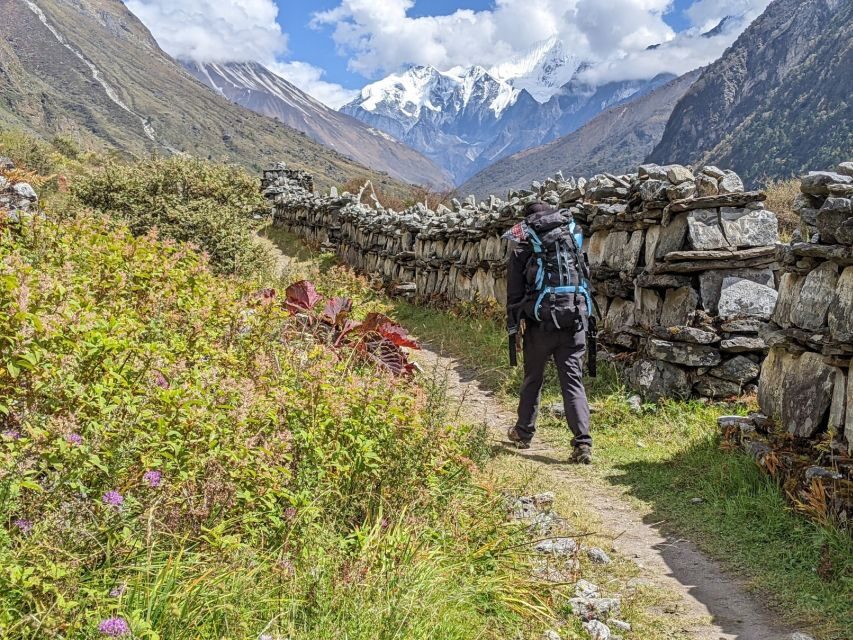
Day 2 is your rhodo forest and village-hopping day. You hike from Ulleri onward through forested sections and local communities, typically 4 to 5 hours to reach Ghorepani.
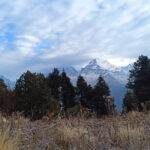
This is where the trek turns from “climb toward a viewpoint” into “enjoy the trail.” Rhododendrons are a major visual feature here, especially in seasons when they’re in bloom. Even when the flowers aren’t the main event, the forest cover changes the temperature and the feel of the walk, and it makes the day feel less monotonous.
You’ll stop for lunch around Nangethati, which helps break up the day into something manageable. Another thing I appreciate about this route: you might get wildlife sightings along the way. In the experience reports, people mention animals like monkeys, and at least one group recalls a lemur sighting later on the journey.
Reality check: wildlife spotting is never guaranteed. The reliable part is the steady sense of progress as you close in on Poon Hill.
Day 3: Poon Hill sunrise, then Tadapani and Ghandruk’s Gurung heart
This is the day everyone talks about because it mixes the dramatic and the human.
The Poon Hill sunrise window
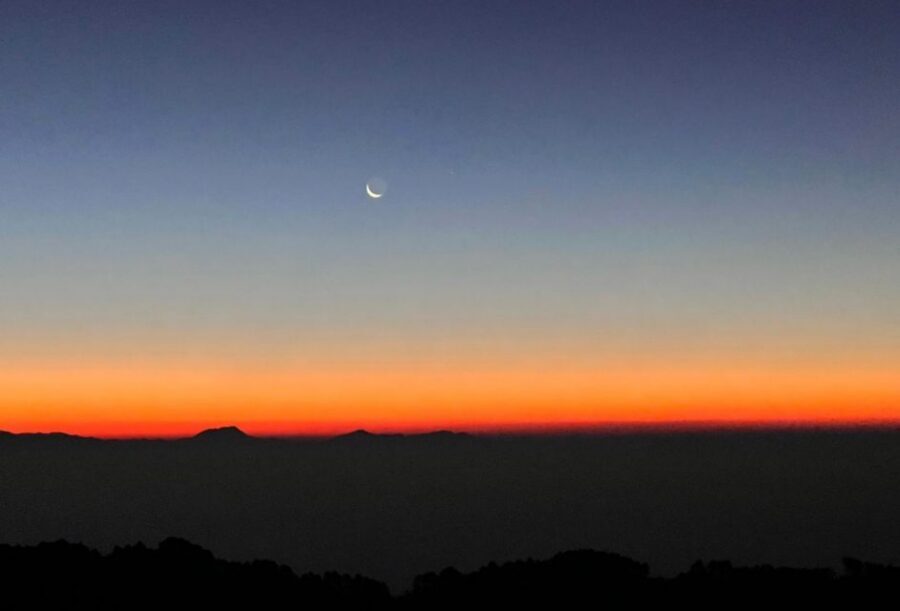
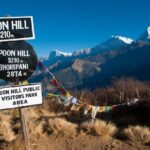
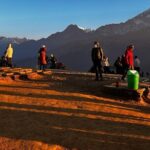
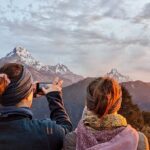
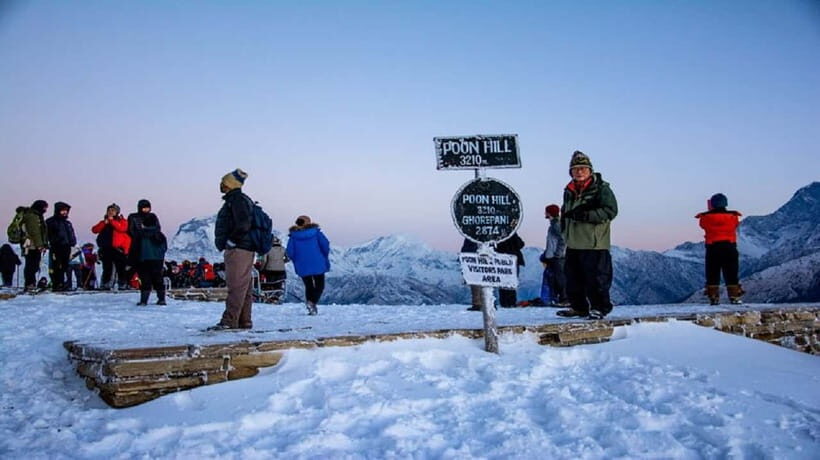
You’ll rise early for Poon Hill (the walk to the viewpoint is part of the morning plan, and the sunrise time at the top is short). Many experiences mention waking up around 4 am, so plan for a cold start if you’re traveling in cooler months.
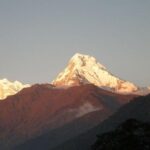
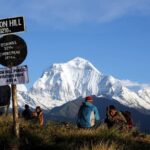
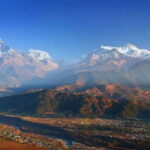
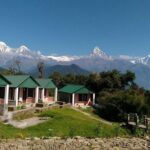
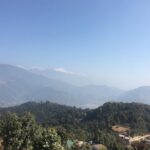
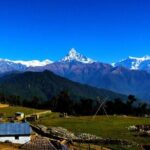
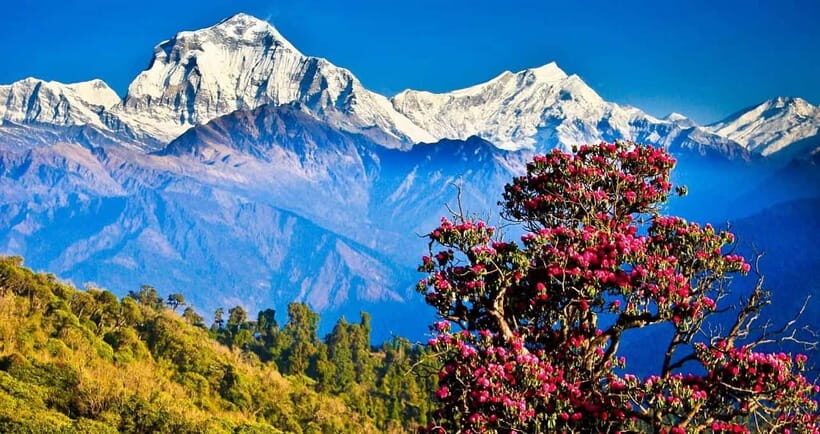
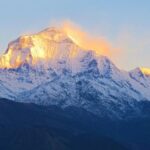
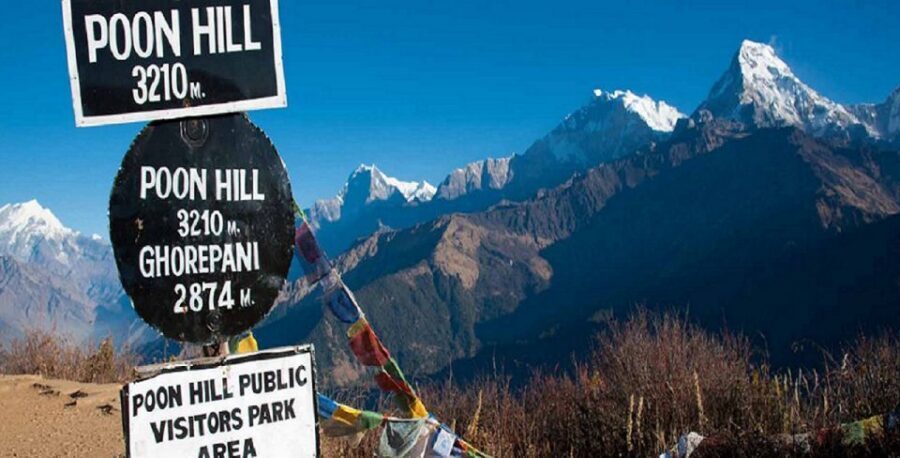
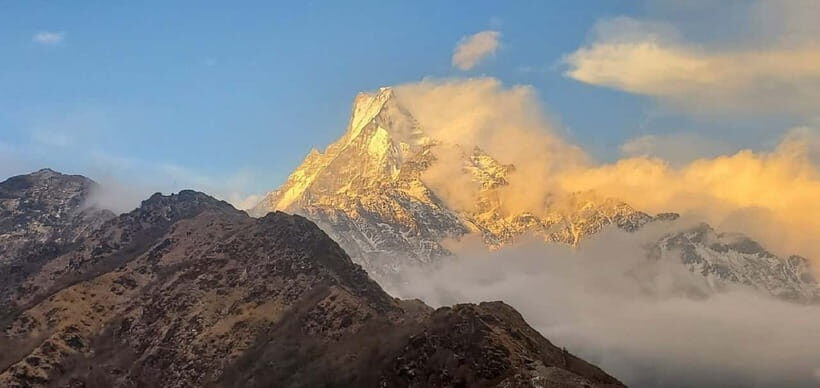
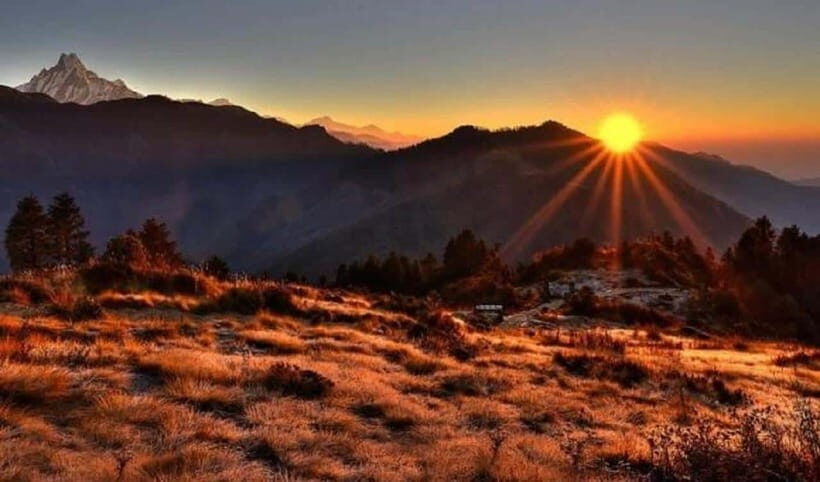
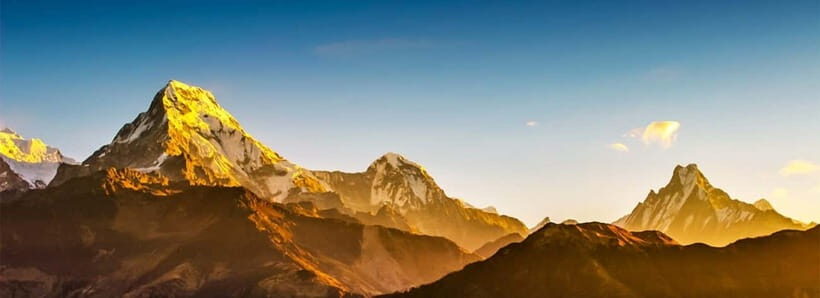
Once you’re up there, the goal is simple: watch the Annapurna and Dhaulagiri ranges light up. On clear mornings, the view turns into that gold-on-snow effect people chase for years. Even when weather is less perfect, the act of being there early feels special because the hills are quiet and the crowds (if any) are small compared with later in the day.
After sunrise: breakfast, then trek onward
After the sunrise, you return for breakfast, then continue trekking toward Ghandruk. Along the way, you’ll pass through quieter spots like Tadapani, where the pace often slows a bit and the walk feels less about altitude gains.
You also get lunch stops on the way, which helps you keep energy for the final stretch into Ghandruk. By the time you reach Ghandruk, the “show” shifts from mountains to people and culture.
A few more Pokhara tours and experiences worth a look
Why Ghandruk is a standout ending
Ghandruk is built around Gurung traditions. You’ll spend the remainder of the day there, which means you’re not rushing through. This time window matters because villages are where you notice small differences: how people live, how tea houses function, and how the landscape changes from “trail” to “home.”
If you want a Nepal trek that feels more than just a set of stairs, Ghandruk is one of the best ways to get it in only four days.
Day 4: Down to Nayapool and back to Pokhara
Your final day is a descent toward Naya Pul, then a vehicle ride back to Pokhara. It’s your “enjoy the last hours” day.
The walk down is generally easier than the climbing days, but don’t underestimate it. Your knees and feet still do work on downhill stretches, and you’ll want comfortable shoes. If you took a slightly aggressive pace earlier, Day 4 is where you feel it.
One nice touch on this final day: you’ll have a traditional Gurung breakfast in Ghandruk before the descent. Then you’ll hit the road and land back in Pokhara with time to decompress rather than immediately getting hit by another day of travel stress.
Tea houses, blankets, and what “simple” means in practice
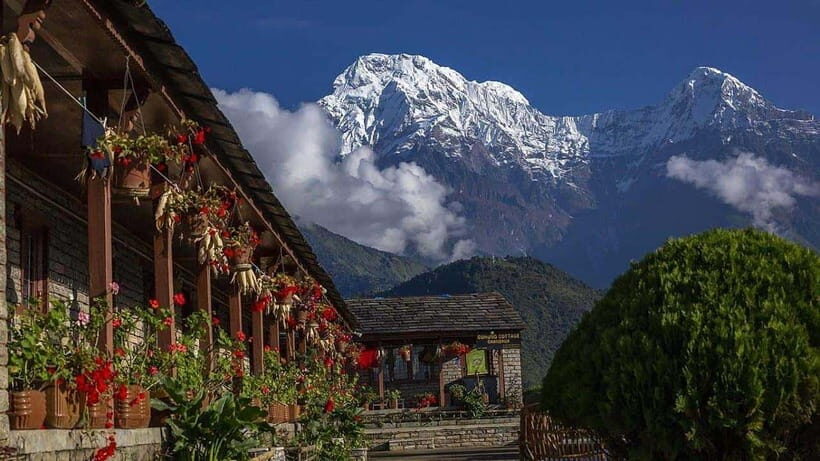
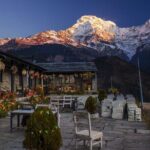
This trek uses simple tea houses or lodges for overnight stays. That sounds basic, but the lived reality is more nuanced.
Expect:
- clean rooms, but not luxury hotels
- meals that are straightforward and warming after a long hike
- nights that can get cold quickly at these elevations
In the reports, people highlight that blankets help a lot, and some seasons include hot water options like hot showers in certain places. Still, I’d plan like you won’t have perfect heat. Bring warm layers and wear what you can for sleeping. If you travel with a sleeping bag, you’ll feel more in control.
Also plan for the kind of day-hike food you’ll actually want after you walk: soups, noodles, and filling staples that keep energy steady for the next climb. The meals are included in this package (depending on the option selected), which removes a common “budget surprise” on treks.
Guides: why the names you’ll see matter (Jeet, Chandra, Santosh, and more)
The biggest consistent theme in the experience reports is that guides make the trek feel smooth, even when the legs are tired. When your guide manages pace, timing, and stop choices, you spend more time enjoying the route instead of worrying about logistics.
You’ll see many praised names tied to this specific trek experience, including Jeet Bhadur Nepali, Chandra, Santosh, Bala, Purushottam, Raju, and Tanka. The common threads are:
- keeping pace when people are beginners or a bit unfit
- helping you choose good food and rest stops
- explaining mountain ranges and local life so the views feel earned, not random
If you can request a guide, it’s worth doing. Several experiences specifically call out certain guides as a major highlight because they kept everyone safe and moving at the right speed.
Permits, permits, permits: the one paperwork step you can’t skip
This trek includes the required permits and fees as part of the service. The practical catch is that you’ll need to submit a copy of your passport or ID ahead of time.
If you’re booking, plan to send your passport copy at least one day before the trek. Missing that step is the kind of avoidable hiccup that can slow down permit processing for your group.
Price and value: what $181 covers and what you might add
At $181 per person for four days, the value mainly comes from what’s handled for you.
Included value includes:
- round-trip transportation between your Pokhara hotel area and the trek starting point
- meals throughout the trek (depending on option)
- tea house or lodge accommodation
- a certified trekking guide, plus guide expenses
- all required permits and fees
- luggage storage in Pokhara
- a first aid kit
- trekking gear such as trekking sticks and sleeping bags as needed
Not included value you should budget for:
- travel insurance (mandatory for your safety and peace of mind)
- personal snacks and beverages
- emergency rescue services
- porter (optional, listed as $20 per day if needed)
Here’s how I think about it: if you had to arrange your own guide, permits, lodging, and transport, the cost usually climbs fast. This package aims to remove those decision headaches so you can focus on the walk, the sunrise, and the village time.
If you hate carrying weight, consider adding a porter, especially if you’re arriving with a heavy backpack.
Best fit: who should book this trek
This trek is a great match if you:
- want major sunrise views without committing to a long trek
- prefer a guided experience with meals and lodging handled
- like cultural stops as much as scenic ones (Ulleri and Ghandruk both matter here)
- are a beginner or “first-time trekking” type, as long as you’re ready for early mornings and hills
It’s also a solid choice for couples and small groups because the route length gives you shared moments without turning into a slog.
Should you book this Pokhara Ghorepani, Poon Hill & Ghandruk trek?
I’d book it if your priority is classic Annapurna scenery in a manageable time frame. The combination of Poon Hill sunrise plus a real village finish in Ghandruk is the strongest reason, and the inclusion of guide, permits, lodging, and meals makes the whole thing feel practical rather than chaotic.
Hold off or ask more questions first if you know you’ll struggle with cold mornings or you’re worried about the physical demands of multiple uphill days. Get honest about your fitness, pack warm, and consider a porter if your backpack will be heavy.
If you want a short trek that still feels distinctly Nepal—mountains first thing in the morning, village life after breakfast—this is one of the better ways to do it in four days.
FAQ
What does the price of $181 per person include?
It includes round-trip transportation between your hotel area (or Pokhara International Airport) and the trek starting point, meals throughout the trek (depending on option), tea house/lodge accommodation, a certified trekking guide, permits and fees, guide expenses, luggage storage in Pokhara, and a first aid kit. Trekking gear like trekking sticks and sleeping bags are listed as provided as needed.
Are meals included during the trek?
Yes, meals are included throughout the trek depending on the option you select.
Where do pickup and drop-off happen in Pokhara?
Pickup is offered from many hotel locations in the Pokhara Lakeside and Sarangkot areas and also from Pokhara International Airport. Drop-off is also offered back to multiple Pokhara areas and hotels.
What kind of accommodation should I expect?
You’ll stay in simple tea houses or lodges on overnight stops during the trek.
What permits do I need?
All required permits and fees are handled as part of the service. You’ll need to submit a copy of your passport at least one day prior to obtain the necessary permits from the Government of Nepal.
Do I need travel insurance?
Yes. Travel insurance is mandatory for your safety and peace of mind.
Is a porter included?
Porter service is not included by default. If you need one, it’s listed as $20 per day.
What should I pack for cold nights and sunrise?
Bring warm clothing, a sun hat, hiking shoes, comfortable clothes, a camera, and cash. A sleeping bag is recommended, and it’s also listed as available as needed. Travel insurance and an ID/passport are required.
How early will I need to start for sunrise?
You’ll start very early for the Poon Hill sunrise. Some experiences mention waking up around 4 am to make it to Poon Hill on time.