REVIEW · POKHARA
4-Day Private Poon Hill Trekking Tour
Book on Viator →Operated by Breathe Nepal Trekking · Bookable on Viator
A few hours can change your whole Nepal story. This 4-day private Poon Hill trek packs the classic Annapurna sunrise run and village hiking into a schedule that still feels human. You’ll climb through the Ulleri and Ghorepani area, then chase dawn at Poon Hill (3,210 m), with the Annapurna peaks putting on a show nearby.
I love how much is handled for you: a professional English-speaking guide, plus trekking permits and TIMS cards are included. I also like the structure—teahouse accommodation and meals are included—so you can focus on the trail, not logistics.
One thing to consider: teahouses are basic by design, and lodges do not provide towels or toiletries. If you’re the type who hates missing comforts, plan to bring what you need.
In This Review
- Quick Take: What Makes This Trek Worth Your Time
- Why Poon Hill in Four Days Works So Well
- Pokhara Pickup and Nayapul: Getting on the Trail Without Stress
- Ulleri on Day One: First Climb, First Village Feeling
- Ghorepani Day Two: Rhododendrons, Waterfalls, and Quieter Steps
- Poon Hill at 3,210 m: The Sunrise Moment You’re Actually Paying For
- The Final Morning Near Pokhara: Another Peak View Before You Finish
- Teahouse Accommodation and Included Meals: Comfort With Limits
- Guide, Permits, and Safety: What “Private” Really Changes
- Value Check: Is $359 Reasonable for What’s Included?
- Who This Trek Suits Best (And Who Should Rethink It)
- Packing and Pace Tips That Make Poon Hill Feel Easier
- Should You Book This Poon Hill Tour?
- FAQ
- How long is the Poon Hill trekking tour?
- What time does the tour start?
- Is pickup included?
- Are trekking permits and TIMS cards included?
- What meals are included during the trek?
- Is accommodation included?
- What’s not included in the tour price?
- Is free cancellation available?
Quick Take: What Makes This Trek Worth Your Time
- Private pacing with your group. You’re not sharing the trail with random strangers.
- Real sunrise focus. Poon Hill sunrise is the big event, with another mountain-sun moment on the final morning.
- Village-to-view rhythm. You’ll mix climbs with rhododendron forests, bridges, and small settlements.
- Permits handled. Trekking permits and TIMS cards are included, along with a first-aid kit.
- Teahouse days included. Breakfasts, lunches, and dinners are part of the package on the trekking days.
- Service options. You can choose Essential, Comfort, Full Service, or Premium to match your style.
Why Poon Hill in Four Days Works So Well
If Nepal is short on time, Poon Hill is the best kind of shortcut. You get high Himalayan views without committing to a long expedition-style trek. This one is also moderately challenging, which means it’s active, but not built like a survival test.
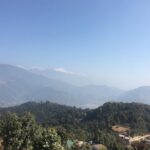
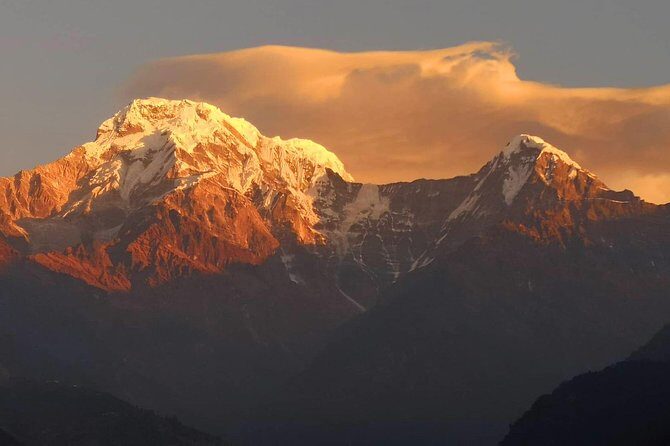
The payoff is the sunrise circuit. You’ll set out early for Poon Hill, then later have another morning viewing moment with Annapurna South and Hiunchuli in the backdrop. It’s a great fit if you want the mountains to be the star of the trip, not just a background detail.
It also makes sense logistically. You start in Pokhara, and the trek is short enough that you can still enjoy a couple of calmer moments before and after the hiking.
You can also read our reviews of more private tours in Pokhara
Pokhara Pickup and Nayapul: Getting on the Trail Without Stress
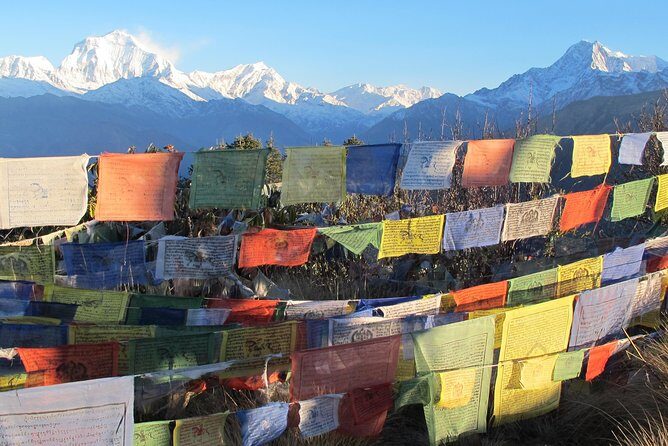
Your day starts with a pickup after your morning meal in Pokhara. Then you take a taxi ride to Nayapul, which sits at 1,009 m and takes about one hour. From there, the trek begins at a point that’s high enough to feel like you’re moving into the mountains quickly.
This matters more than it sounds. When you shave off the “getting started” friction, you arrive with energy for the first real walking day. It also helps if you’re coming from a flight or driving into Pokhara and just want a clean handoff into the trek.
The tour meeting point is listed with a start time of 8:00 am, which makes planning easier. You’ll still need to be ready for early mornings on trek days, but at least Day 1 starts with a clear timeline.
Ulleri on Day One: First Climb, First Village Feeling
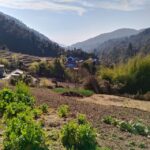
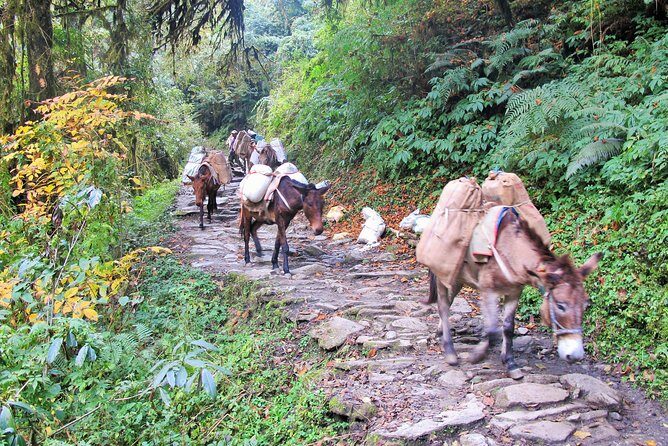
Day 1 focuses on Ulleri, and you’ll spend about 6 hours hiking overall. This is your “wake up the legs” day. Ulleri is known for a village feel and steep paths that get your cardio going without requiring technical skills.
What I like about putting Ulleri early in the route is pacing. You’re not thrown straight into a long grind at altitude. You’re building stamina while also getting that classic feel of Nepalese village hiking—small paths, local scenery, and lots of fresh air.
A practical note: the first day is where you’ll discover what your boots and socks are really like. If you’re even slightly unsure about your footwear, use Day 1 to confirm you’re comfortable before the later sunrise pushes.
Ghorepani Day Two: Rhododendrons, Waterfalls, and Quieter Steps
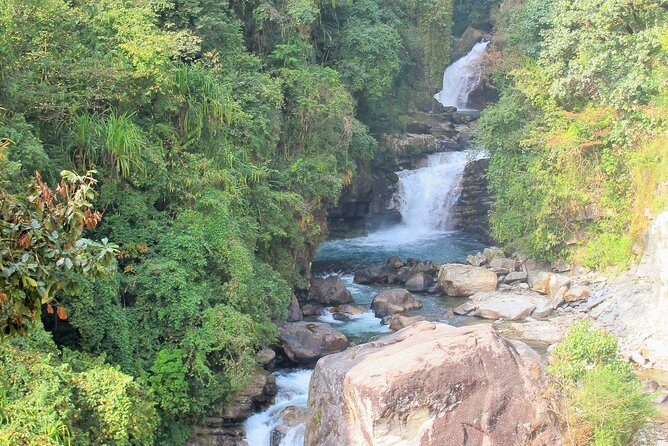
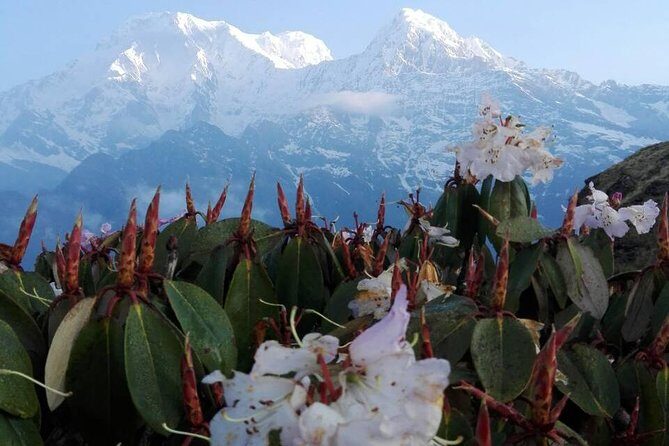
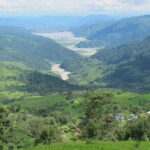
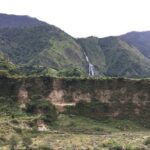
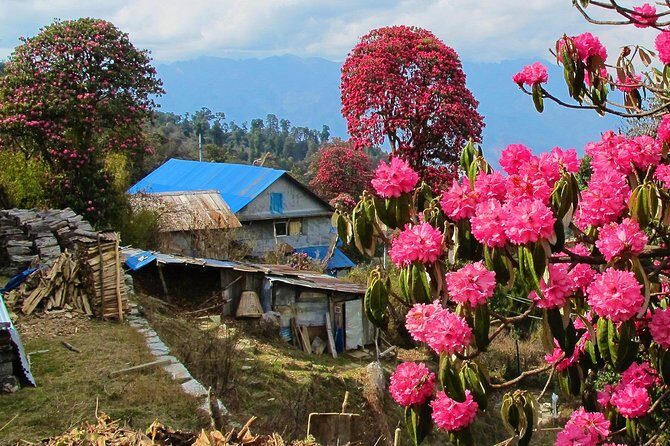
On Day 2 you head toward Ghorepani for about 5 hours of hiking, and the vibe shifts to something gentler. The route is described as passing through rhododendron forests, plus you’ll likely see waterfalls and small bridges along the way.
This is the day for steadier effort. It’s not the “big lung day,” so you can settle into rhythm. That matters because Day 3 is the one with the early start for sunrise at Poon Hill, and you’ll enjoy it more if your body isn’t already cooked.
This is also a good day for culture cues. Ghorepani-style trekking areas tend to be busy enough to feel alive but not so frantic that you lose the quiet payoff. You’re still walking through places where daily life continues, and the guide can point out what you’re seeing as you go.
Poon Hill at 3,210 m: The Sunrise Moment You’re Actually Paying For
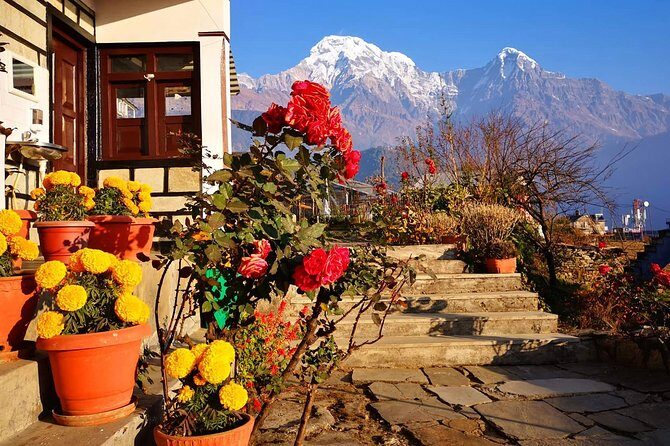
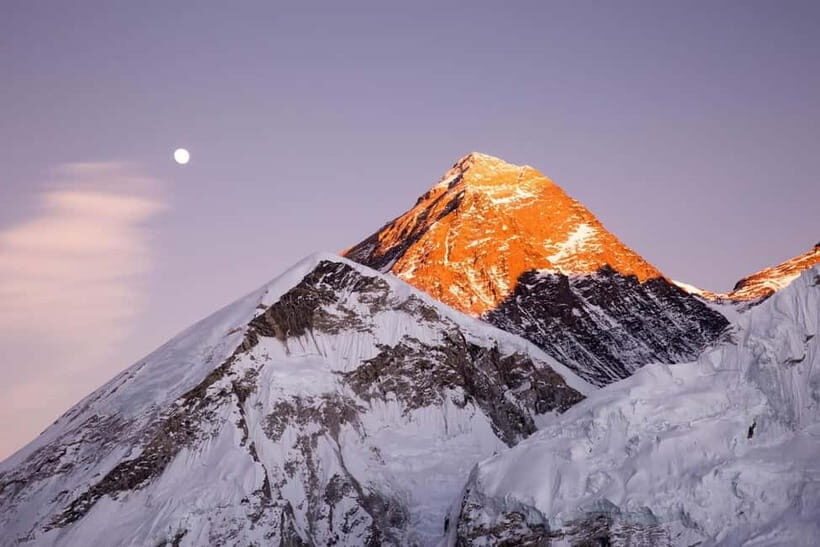
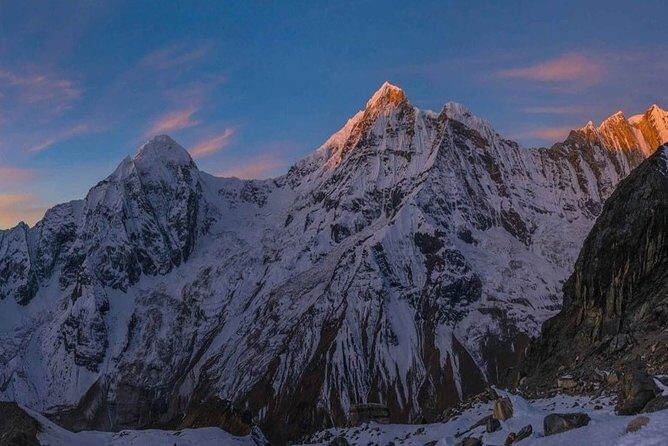
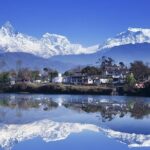
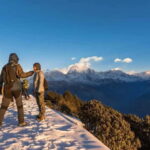
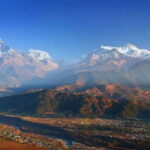
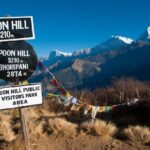
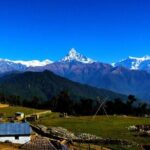
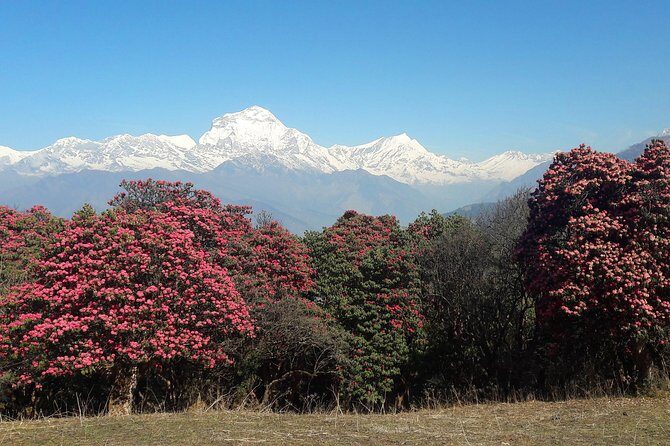
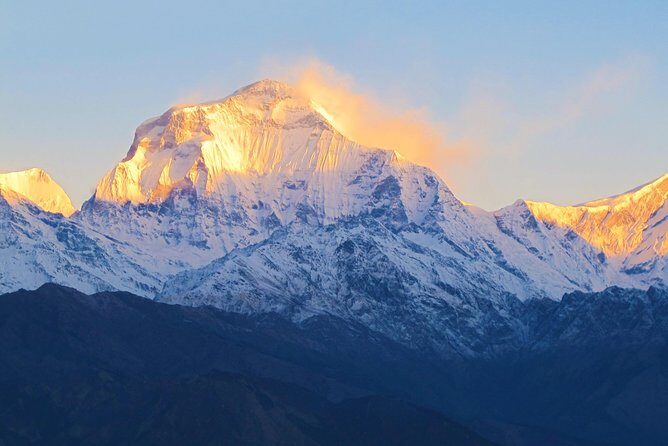
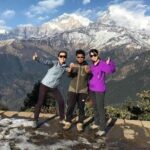
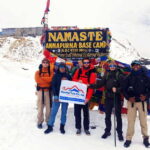
Day 3 is the highlight day, and it runs about 8 hours overall. You’ll set out early to witness sunrise from Poon Hill (3,210 m). The view is described as including Dhaulagiri, Fishtail, and the entire Annapurna range, which is exactly what people come to this region for.
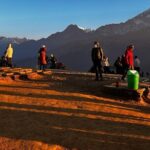
The early start is the trade. Sunrise treks mean cold mornings and short patience for delays—especially if you’re sharing the space with the whole “sunrise crowd” in the area. The upside is that the reward is concentrated: you’re not hunting views all day.
From a planning standpoint, this is the day where you should keep your morning routine simple. Bring layers you can manage fast, and keep your energy stable. If you’re prone to getting cold, this is where you’ll feel it most.
Also, note that the route is described as taking you to Poon Hill via Ghandruk. Even if you don’t think about Ghandruk every hour, it signals that this trek isn’t just straight-line stairs. You’re moving through a network of villages and trails that gives the trip a real “region feel,” not just a viewpoint.
You can also read our reviews of more hiking tours in Pokhara
The Final Morning Near Pokhara: Another Peak View Before You Finish
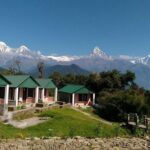
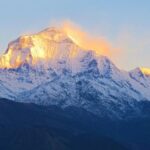
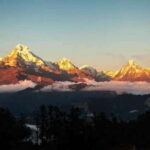
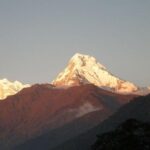
Day 4 takes about 5 hours and ends back in Pokhara. You’ll wake early again for a mountain view moment, this time with Annapurna South (7,219 m) and Hiunchuli (6,441 m) as the backdrop. The description specifically notes the view from your lodge terrace.
That’s a smart touch. One sunrise day is great, but two separate mountain moments make the trip feel bigger than just one checkpoint. It also gives you a calmer finish than you might expect after a long sunrise day.
What I’d call out as a consideration: two early mornings can be tiring if you don’t handle mornings well. The trek is built for active people, so if you want a very restful schedule, you might still enjoy it, but you’ll need to adjust your expectations about sleep timing.
Teahouse Accommodation and Included Meals: Comfort With Limits
This trek uses teahouses for accommodation and includes meals. Your package includes breakfast (4), lunch (4), and dinner (3). That’s a huge value on a short trek because you don’t have to line up restaurants or budget every meal along the way.
I also like that you’re not stuck with random meal timing. With meals included, the hiking day feels more predictable. You’ll have fuel for the morning starts and a warm dinner to reset at the end of the day.
However, teahouses are what they are: simple mountain lodging. The tour notes that lodges do not provide towels or toiletries, so pack accordingly. If you rely on those basics at home, you’ll want to bring them or buy them locally when possible (the tour does not include personal expenses like that).
Beverages during trekking are not included either. So if you like tea, coffee, or water in a certain way, you’ll want some extra cash ready for that part of the budget.
Guide, Permits, and Safety: What “Private” Really Changes
You’re trekking with a professional English-speaking guide, and the package includes his insurances and expenses. You also get a pre-trekking meeting with your guide the day before, which helps a lot if you’re new to trekking or just want clear expectations.
A private tour changes the experience in a practical way: you can move at your own pace. It’s still a scheduled trek, but your guide can adjust breaks and timing based on your energy level. That matters on a route that includes early mornings.
Permits and safety items are part of the package too. You’ll receive trekking permits and TIMS cards included, plus a first-aid kit. It’s not magic, but it reduces common friction for independent hikers—especially if your Nepal paperwork would otherwise take time to sort out.
Value Check: Is $359 Reasonable for What’s Included?
At $359 per person for four days, the best way to judge value is what’s included versus what you’d pay anyway. Here, your package covers the guide, permits (TIMS plus trekking permits), and the bulk of day-to-day food and lodging while on the trek.
A lot of the expense in Nepal trekking comes from the quiet stuff: guide time, paperwork, and getting the schedule to run smoothly. This tour includes those pieces so you’re not piecing them together day by day.
Where you’ll still spend extra is the stuff most treks never cover fully:
- beverages during trekking
- accommodation in Pokhara
- personal items like snacks, Wi‑Fi, battery charging, or laundry
- travel and rescue insurance for you
- tips for your guide and porter
- towels/toiletries not provided by lodges
So the real question for you is mindset: do you want to manage details, or do you want to hike? If you’d rather walk and learn about the nature and culture along the way, this price structure makes sense.
Also, timing helps. The tour notes it’s commonly booked about 35 days in advance on average. If your dates are firm (especially in peak seasons), book earlier than the last week.
Who This Trek Suits Best (And Who Should Rethink It)
This trek is made for active travelers who want Himalayan views with limited time. It’s also a good choice if you’re worried about getting lost, because you’ll have a guide and planned route.
It’s also described as a great match for short-on-time visits to Nepal. If you want a taste of the Annapurna region without spending a full week or more on the trail, four days is a strong compromise.
Where it may not fit as well:
- If you want lots of luxury comfort, teahouses are basic and towels/toiletries are not included.
- If you hate early mornings, the sunrise focus requires you to wake up and move early.
- If you need full medical coverage, note that travel and rescue insurance for guests is not included in the package.
The tour allows service animals, and it’s private, so it can work for different group needs as long as everyone meets the moderate physical fitness level.
Packing and Pace Tips That Make Poon Hill Feel Easier
You don’t need fancy gear for this trek, but you do need smart basics.
First, expect early starts on sunrise-focused days. Pack layers so you can peel off warmth when the trail warms up. Bring a daypack for water and snacks since beverages during trekking aren’t included.
Second, bring your own hygiene kit. The lodges don’t provide towels or toiletries, so plan to carry a small set you’ll actually use.
Third, choose pace over heroics. The trek is moderately challenging and uses days of long walking hours, including 6 hours on Day 1, 5 hours on Day 2, and 8 hours on Day 3. If you start out too fast on Day 1, you’ll feel it later when you need energy for sunrise.
Finally, accept that you’re in a mountain environment. Weather can shift, and your guide will help you adjust. Your job is to show up prepared and listen to the plan on the days where sunrise time matters.
Should You Book This Poon Hill Tour?
I’d book this trek if you want the Annapurna sunrise experience but you only have a few days. The included permits, TIMS cards, guide support, and teahouse meals reduce the stress that can turn a great trip into paperwork or late-night scrambling.
You should also strongly consider it if you like structure but still want some flexibility. A private format means you’re not locked into the pace of strangers, and the pre-trek meeting gives you a smoother start.
Skip it or at least adjust expectations if you require hotel-level comfort. Teahouses are simple, and you’ll handle basics like towels and toiletries yourself.
If your main goal is Himalayan views in a moderately challenging four-day format, this is a solid, practical pick.
FAQ
How long is the Poon Hill trekking tour?
The tour runs for 4 days (approx.).
What time does the tour start?
The meeting point start time is 8:00 am.
Is pickup included?
Yes, pickup is offered in Pokhara.
Are trekking permits and TIMS cards included?
Yes. Trekking permits and TIMS cards are included in the package.
What meals are included during the trek?
Breakfast is included 4 times, lunch 4 times, and dinner 3 times.
Is accommodation included?
Teahouse accommodation is part of the trekking experience, but accommodation in Pokhara is not included.
What’s not included in the tour price?
Not included are beverages during trekking, accommodation in Pokhara, personal expenses (snacks, Wi‑Fi, battery charge, laundry, etc.), travel and rescue insurance for guests, and tips for guide and porter. Lodges also do not provide towels and toiletries.
Is free cancellation available?
Yes. You can cancel up to 24 hours in advance for a full refund. If you cancel less than 24 hours before the start time, the amount you paid will not be refunded.