REVIEW · POKHARA
Pokhara: 2-Day Ghorephani and Poon Hill Private Trek
Book on GetYourGuide →Operated by Travel Guides · Bookable on GetYourGuide
Two days, one big Himalayan morning. I love the Poon Hill sunrise that lights up Annapurna and Dhaulagiri, and I also love the slow climb through rhododendron forests and friendly Gurung villages. The only real drawback is the early starts plus long, sometimes bumpy road time before you even begin hiking.
What makes this trek especially appealing is how tightly it fits together: pick-up in Pokhara lakeside, drive to the trailhead, a full first-day ascent to Ghorepani, then a dawn hike to the main viewpoints. Guides in this program, including people like Rajesh, Sagar, Shiva, and Roshan, tend to keep things calm and paced for real humans, not just hardcore walkers.
If you’re prone to getting cold or you don’t like stairs, plan for it. The hiking is described as easy-to-doable for beginners with decent fitness, but you’ll still feel the steps, especially on day two.
In This Review
- Key Highlights You’ll Actually Feel on This Trek
- The 2-Day Shape of the Poon Hill Trek from Pokhara
- Day 1: From Pokhara Roads to Ulleri, Then Up to Ghorepani
- Day 2: The Early Climb to Poon Hill and the Return to Ulleri
- Guides, Lodges, and the Comfort Reality Check
- Price and Logistics: Is $104 for Two Days a Good Deal?
- What to Expect on the Trail (Beyond the Postcard Views)
- When Roads Fail: Landslides and Route Changes
- What to Pack and How to Stay Comfortable
- Who This Trek Fits Best
- Should You Book This 2-Day Ghorephani and Poon Hill Private Trek?
- FAQ
- How long is the trek?
- Where do you pick me up in Pokhara?
- What transportation is included?
- Are trekking permits included?
- What food is included?
- What should I bring?
Key Highlights You’ll Actually Feel on This Trek
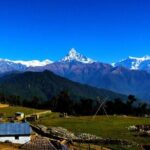
- Poon Hill sunrise over Annapurna and Dhaulagiri, plus a wider view that can include Machhapuchare and other peaks
- Rhododendron and forest trails that make the climb feel more like a hike than a grind
- Ghorepani overnight in a cozy lodge area with good food and options like dal bhat, plus warming setups you might find
- Gurung and Magar village flavor along the way through places such as Tadapani and Ghandruk
- Private, English-speaking guiding where you can go at your pace with help and route adjustments when needed
- Value-focused short duration with trekking permits, transfers, and basics bundled for a 2-day format
The 2-Day Shape of the Poon Hill Trek from Pokhara
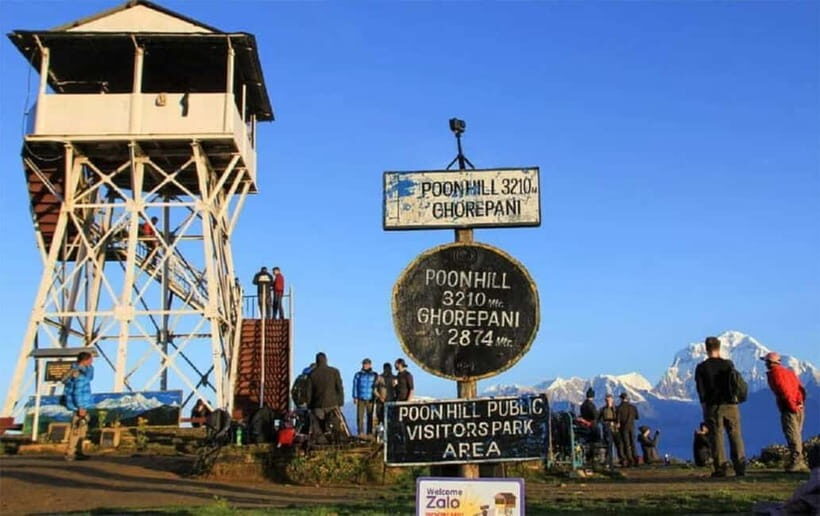
This is a short trek designed for maximum payoff per hour. You’re not trying to conquer a long mountain route. You’re getting a taste of the Annapurna region—big views, village life, and a proper sunrise moment—without spending a whole week away from Pokhara.
You’ll start the experience with a hotel pick-up from the Pokhara lakeside area, then drive toward the Annapurna trail gateway at Nayapul and on through the early trail roads. After that, it’s mostly about climbing: day one to Ghorepani, and day two to Poon Hill and back down.
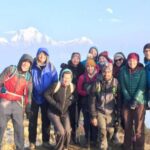
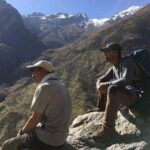
The “private” part matters. It’s not a chaotic pack of strangers trying to match one speed. Many guides are used to first-time trekkers and can slow down, offer breaks, and explain what you’re seeing as you walk.
You can also read our reviews of more private tours in Pokhara
Day 1: From Pokhara Roads to Ulleri, Then Up to Ghorepani
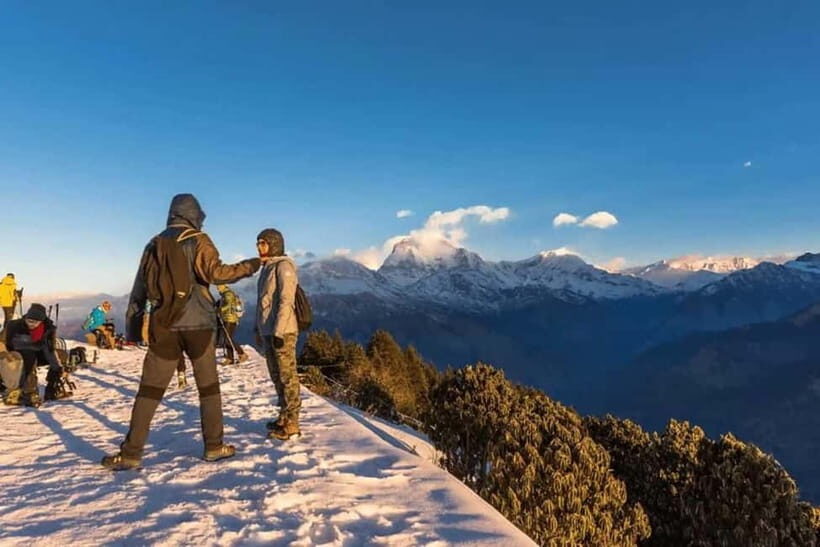
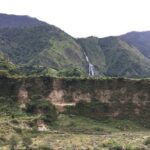
Day one starts with a guide picking you up and taking you from your lakeside hotel to the drive portion. The plan typically pushes you through Nayapul and onward past farm villages and waterfalls, and then up to areas like Hile and Tikhedhunga before you reach Ulleri.
Once you arrive near Ulleri village, your actual trek starts by heading past places such as Bhanthati, then into cooler forest paths. This is the part I like best for the “feel” of the region: the trail goes through tall trees and mixed forest (rhododendron, magnolia, oaks, pines, and fir are mentioned), so the walk isn’t just exposed mountain dust and sun.
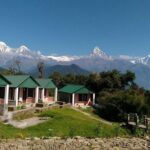
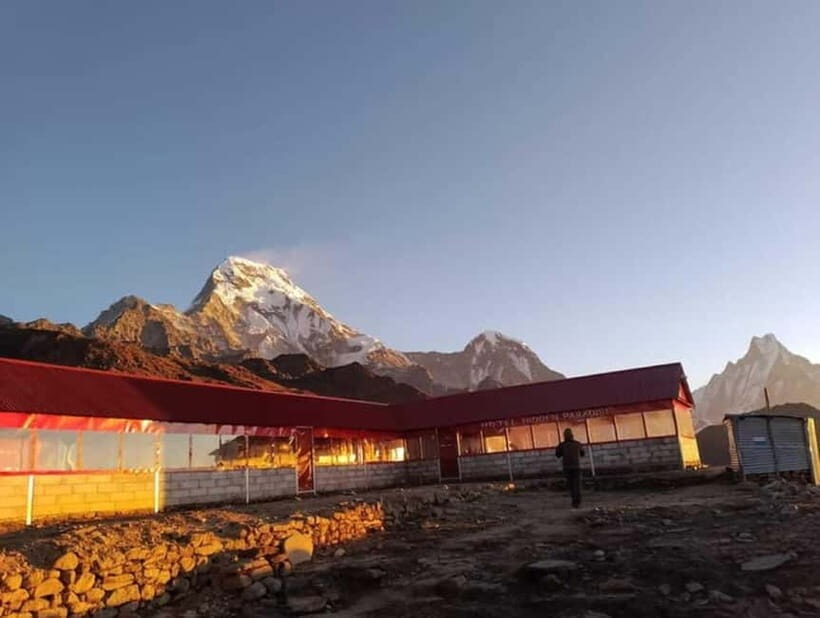
You’re aiming for Ghorepani, a village perched on a ridge. That location is why it works so well for Poon Hill. You’ll sleep at a lodge there—often described as comfortable, with an attached bathroom, and in some stays with hot shower access. One caution: heating varies by lodge, so pack for cold, not for comfort guarantees.
Trek rhythm for day one: expect about 4 to 5 hours walking, plus multiple hours of driving. If you’re feeling fresh, you still might find yourself mentally tired from the road time first. That’s normal here. It’s part of the deal when you’re shortening a trek into two days.
Day 2: The Early Climb to Poon Hill and the Return to Ulleri
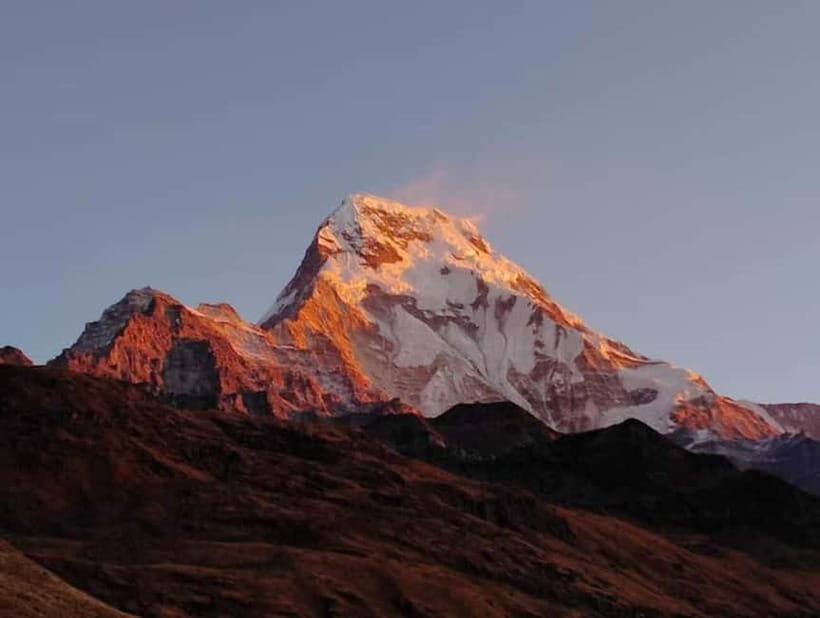
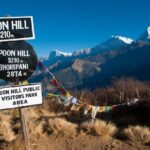
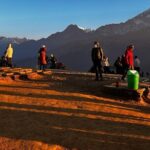
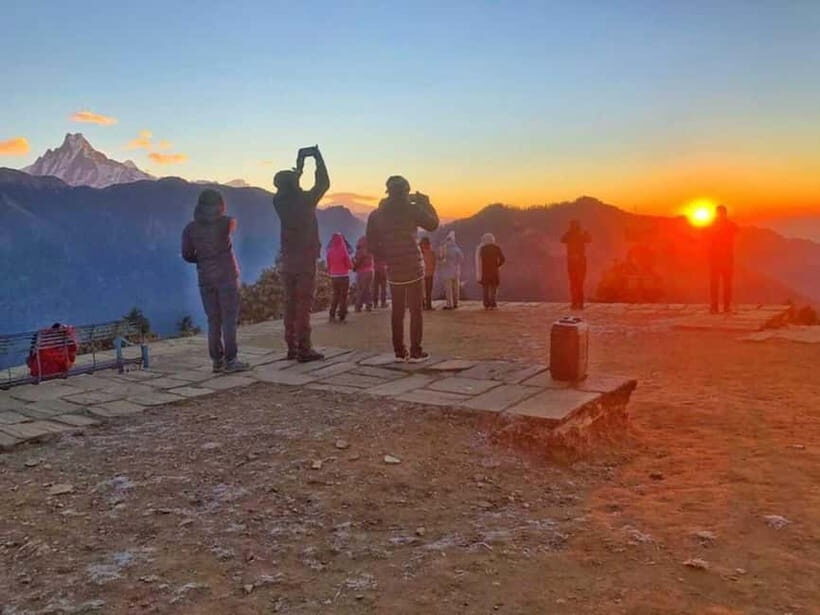
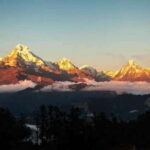
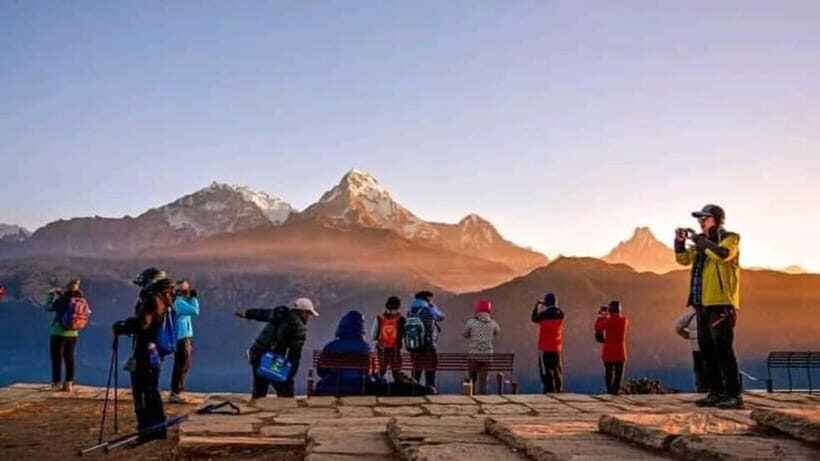
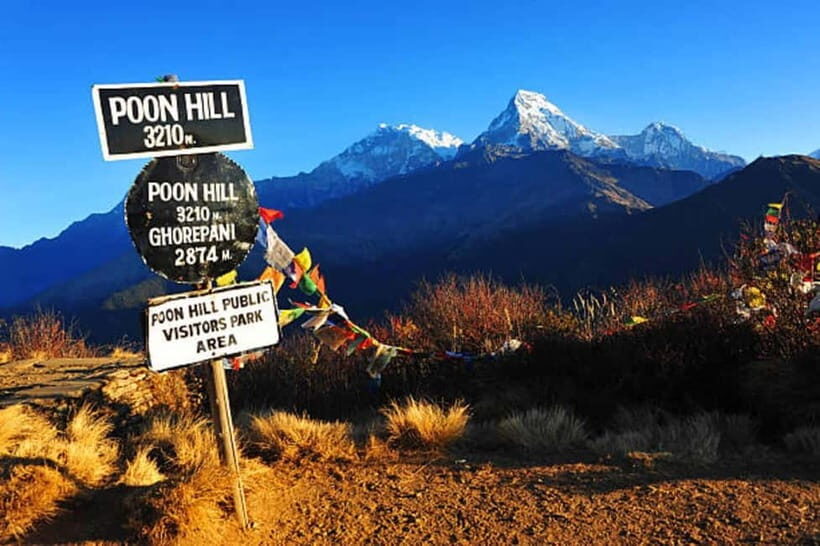
Day two is the big one because of the sunrise hike. You’ll wake up early, then walk up to Poon Hill (3,210 m / 10,531 ft) for panoramic views.
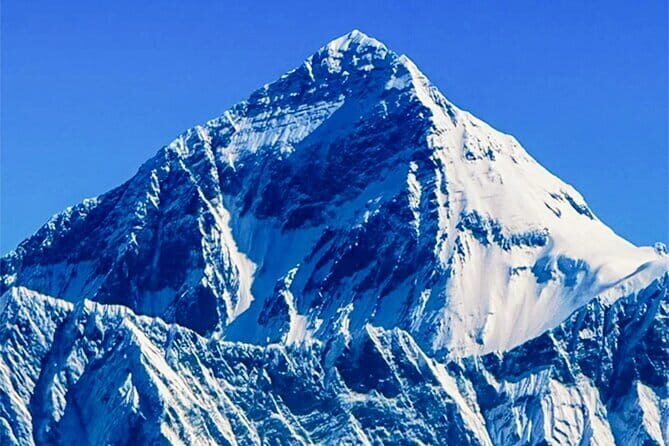
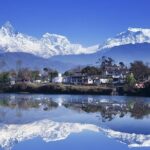
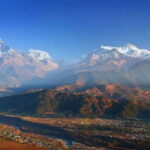
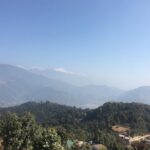
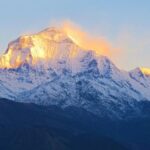
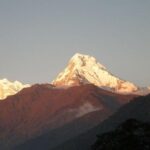
What you’re hoping to see is a sunrise over the Annapurna and Dhaulagiri ranges, with a wider sweep that can include peaks like Machhapuchare (the Fish Tail), Lamjung, Manaslu, and even Mustang Himal and Nilgiri depending on weather and visibility. Sunrise is the headliner here, and the views are the whole point of the trek being “short and sweet.”
After you enjoy the viewpoint, you head downhill back toward Ghorepani, grab breakfast, and then continue descending through the forested sections and back past Bhanthati toward Ulleri. From there, you transfer back to Pokhara—often around a 6-hour total block that mixes driving and walking time.
About difficulty: guides pace this trek so it can work for beginners who are comfortable with stairs and a steady climb. Still, it’s not a casual stroll. You’ll be on steps and downhill slopes, and the early morning can feel tough at first.
Guides, Lodges, and the Comfort Reality Check
A big reason this trip scores well is the guiding style. You’ll typically have a licensed, English-speaking trekking guide (some language options include Japanese as well), and people like Rajesh and Sagar are specifically praised for patience, friendliness, and good pacing. If you’ve never trekked before, the calm coaching matters. It’s the difference between feeling rushed and feeling in control.
The guide also helps with practical stuff you don’t want to think about: permits and official documents are included, and you’ll have a normal first-aid kit with the guide.
Food and lodge comfort are usually a win, but here’s the honest breakdown:
- Breakfast is included, so you won’t start day two empty.
- Other meals and drinks are available to buy, so budgeting helps.
- One review notes electric blankets for warmth, which is a great sign for cold mornings.
- Another review mentions rooms not being heated and that a warm shower may be an extra cost depending on the lodge setup.
So I’d plan like this: the lodge will be usable and comfortable, but you should still bring warm layers and expect that weather control is limited.
Also, bring cash. ATMs can be scarce, and you’ll want Nepalese rupees for snacks, hot drinks, and any extra comfort buys.
Price and Logistics: Is $104 for Two Days a Good Deal?
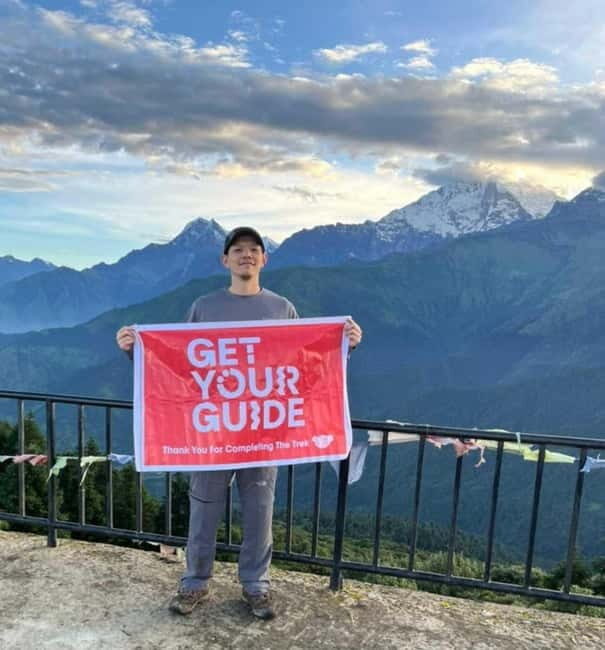
At $104 per person for a 2-day private trek, the value comes from what’s bundled rather than from the hiking itself. You’re paying for:
- Pick-up and drop-off within Pokhara lakeside
- A licensed guide with English support
- Trekking permit and official paperwork
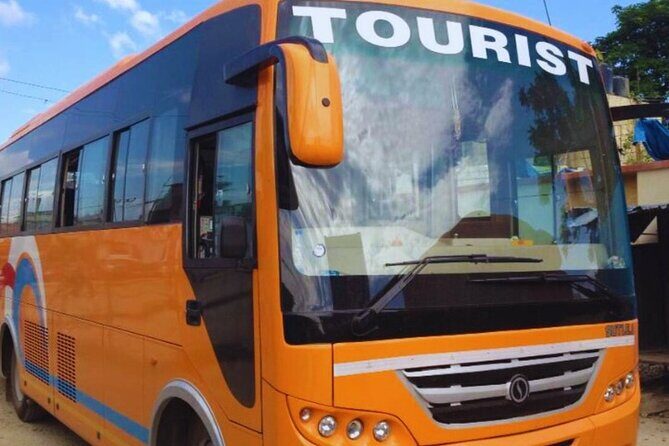
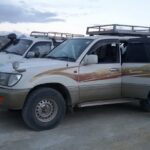
- Round-trip transfers by sharing jeep or bus
- An overnight lodge stay in Ghorepani (with attached bathroom mentioned, and hot shower access mentioned in the provided details)
- Trekking pole included
- Guide food and expenses covered
- Breakfast included
If you tried to do this solo without a guide, you’d likely spend time figuring out transport, permits, and safe route options—things that can get frustrating in a short schedule. The private format also helps if you want a slower pace or want someone to handle paperwork cleanly.
The trade-off is that you’re buying a short itinerary, so the day’s comfort depends on road conditions. Expect long drive time and bumpy sections, especially on the approach routes. Think of it like part of the adventure: you get more hiking per day, but you also give up some smoothness getting there.
You can also read our reviews of more hiking tours in Pokhara
What to Expect on the Trail (Beyond the Postcard Views)
The trail experience mixes big views with a lot of walking through real life.
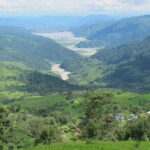
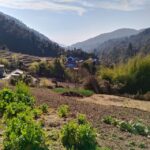
You’ll pass through terraced fields and forest sections, and you’ll move between village areas where Gurung and Magar cultures show up in everyday routines. Names like Tadapani and Ghandruk appear in the route description, and those are exactly the kinds of stops where you’ll see how people live with the landscape rather than just looking at it.
One practical point: the trek is often described as easy to pleasant for people with average physical condition, but the stairs can still feel relentless. If you don’t love steps, use trekking poles if they’re available (you’ll have them included), take breaks before you feel wiped out, and keep your breathing steady.
Weather matters too. Clear views are strongly tied to sunrise success. On foggy mornings, you might still get a nice show, but it won’t be the crisp mountain lineup you dream about.
When Roads Fail: Landslides and Route Changes
This trek is short enough that a route shift can feel major. The good news is that experienced guides can adjust and still keep you on track.
For example, one traveler reports a landslide that prevented the bus from reaching Ulleri, leading to an unexpected extra trek. They still reached Ghorepani before dark thanks to pacing and planning. That kind of flexibility is worth paying for, because it protects your schedule.
My advice: go with the mindset that conditions can change. When they do, focus on the guide’s instructions and don’t force a plan that nature has already edited.
What to Pack and How to Stay Comfortable
The essentials from the provided info are a solid start:
- Comfortable shoes (non-negotiable for steps)
- Warm clothing for cold mornings
- Camera (you’ll want it at dawn)
- Snacks and water
Here’s how I’d tailor it for this specific trek:
- Wear layers for sunrise. Morning temps can bite, and you’ll warm up as you climb.
- Bring a small snack for the early hours so you’re not relying entirely on breakfast timing.
- Carry water, but also be ready to purchase extra drinks along the way since food and drinks aren’t included beyond breakfast.
One last note: smoking isn’t allowed.
Who This Trek Fits Best
This is a good match if you want Himalayan scenery without a long commitment. Based on the guidance and how the trek is described, it fits best for:
- First-time trekkers who are comfortable with stairs and steady climbing
- People looking for an easy-to-moderate trek in two days
- Anyone who wants the Annapurna region views, especially the sunrise at Poon Hill
It may not be suitable if you have:
- Back problems or heart problems
- Pregnancy
- Children under 8
If you’re unsure about your fitness level, treat this as a “moderate fitness needed” hike. You don’t need to be an athlete, but you should be able to handle uphill steps early in the morning.
Should You Book This 2-Day Ghorephani and Poon Hill Private Trek?
Book it if you want the Annapurna viewpoint experience in a compact format, and you’d rather pay for a smooth plan (permits, guide, transfers, lodge) than wrestle with logistics yourself. The sunrise at Poon Hill is the kind of payoff that makes two days feel totally worth it.
Skip it or rethink it if:
- You hate early mornings and long road time
- You’re very sensitive to cold and can’t pack warm layers
- You want a quiet, car-free hiking day start-to-finish (this involves a lot of driving)
If you do book, bring warm layers, wear solid shoes, and trust your guide’s pacing. On this route, the best souvenir is the calm feeling of knowing exactly what’s next—while the mountains take their turn in the sunrise.
FAQ
How long is the trek?
It’s a 2-day trek with a day-one drive and hike to Ghorepani, then an early morning hike to Poon Hill on day two before returning to Pokhara.
Where do you pick me up in Pokhara?
Pick-up is included from hotels located in the Pokhara lakeside area. You’ll wait in the hotel lobby for your guide, and they typically arrive after about 10 minutes.
What transportation is included?
Round-trip transfers are included by sharing jeep or bus according to the itinerary.
Are trekking permits included?
Yes. Trekking permits and all official documents are included.
What food is included?
Breakfast is included. Other food and drinks are available to purchase along the trek.
What should I bring?
Bring comfortable shoes, warm clothing, a camera, snacks, and water.