REVIEW · POKHARA
Trekking in Annapurna/Langtang/Everest/Upper Mustang regions
Book on Viator →Operated by Trekking Nepal with Raju - certified & professional guide · Bookable on Viator
Pokhara is your launchpad for mountain hiking. This experience is set up for treks that start and end in Pokhara, so you’re not spending your whole time shuttling around before you even hit the trail. With pickup offered and a mobile ticket, it’s built for real-world travel days, not just wishful thinking.
What I like most is the planning help you get before you commit. When you’re unsure which route fits your time, your guide (certified and professional, Raju Bhandari) helps you map out an itinerary with your group.
One thing to consider: while your fee covers the guide’s food and accommodation, your own trek meals and lodging are extra. So you’ll still want to budget for that, especially if you choose a multi-day plan.
In This Review
- Key points to know before you go
- Pokhara Start-And-End Makes the Trek Feel Manageable
- Choosing Your Trek: Annapurna vs Upper Mustang (and the Big-Himalaya Theme)
- The Annapurna 8-Hour Day: Mountains and Nepal’s Mountain Life
- Raju Bhandari’s Planning Style: Texts, Photos, and Trail Talk
- Your Pace, Your Group: Private, Small, and Fitness-Focused
- Price and Value: What $40 Covers and What You Still Pay
- Meals, Lodging, and Local Stops Without the Headache
- Weather and Day-of Reality: Why Flexibility Keeps This Fun
- Should You Book This Pokhara Trek Planning Setup?
- FAQ
- Where do the treks start and end?
- What regions can you choose from?
- How long are the treks?
- Do you get pickup?
- How big is the group?
- What is included in the price?
- What is not included?
- What happens if weather is bad?
Key points to know before you go
- Pokhara in and out makes it easier to connect to flights, buses, and hotel plans
- Annapurna or Upper Mustang routes with day hikes or multi-day options
- Private group with a max of 15 so you get more attention and can set a pace
- Your fee includes the guide’s lunch and dinner plus guide accommodation
- You’ll pay for your own trek food and lodging, but the guide can help arrange details
Pokhara Start-And-End Makes the Trek Feel Manageable
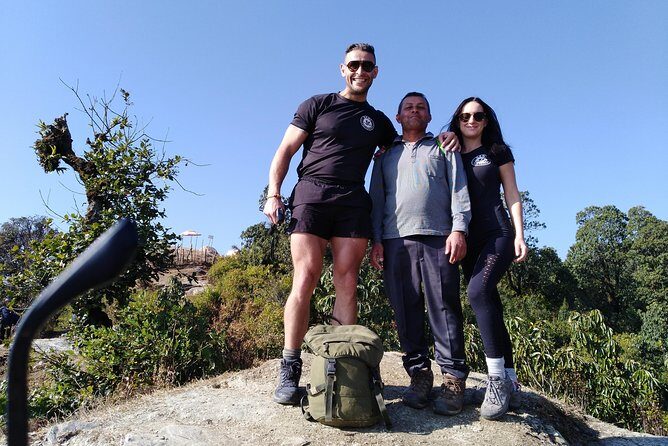
Pokhara is the real advantage here. You start in Pokhara and you end back in Pokhara, which matters more than people think. It means your trek feels like a focused mountain day (or set of days), not a half-week of travel logistics.
This also pairs well with different travel schedules. The trip is offered for short outings that can run roughly 2 hours to 1 day, so you’re not forced into a massive commitment if your schedule is tight. And if you want the longer version, your guide can shape a multi-day itinerary too—still with Pokhara as the home base.
You’ll also appreciate the practical touches: pickup is offered, and you receive a mobile ticket. The meeting area is described as being near public transportation, which helps if you’re navigating on your own once you arrive in town. That freedom is useful when you’re tired, jet-lagged, or just trying to keep your day simple.
You can also read our reviews of more hiking tours in Pokhara
Choosing Your Trek: Annapurna vs Upper Mustang (and the Big-Himalaya Theme)
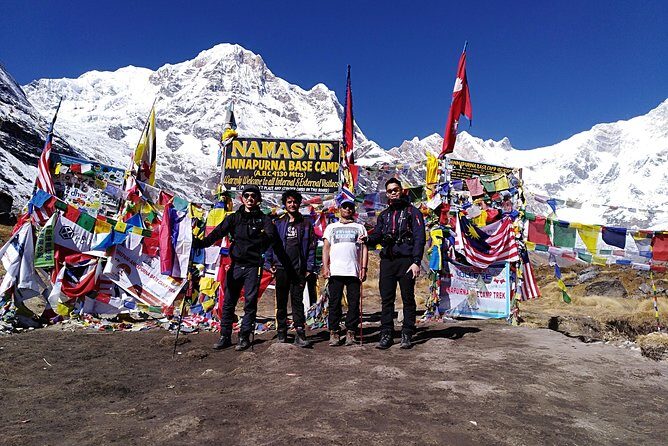
The experience is built around choosing routes in the Annapurnas or Upper Mustang, with your guide helping you arrange the itinerary. You can pick day treks or multi-day treks, depending on your fitness, your time, and how much you want to slow down.
The tour’s overall theme mentions trekking across Annapurna, Langtang, Everest, and Upper Mustang regions, so you can ask about options beyond just one valley. The key is that the practical structure still keeps things centered on routes beginning and ending in Pokhara, which gives you consistency in planning.
Here’s what that approach does for you: your guide doesn’t just point at a trail and hope for the best. You choose the trek style you want, and then you work together to set the plan for your group. With a max group size of 15, you’re not getting stuck in a crowd where everyone pulls in a different direction.
One detail worth noting: the itinerary example for the Annapurna side includes an admission ticket that’s listed as free. That doesn’t automatically mean every stop is free, but it does suggest the plan is built to keep ticket costs low where possible.
The Annapurna 8-Hour Day: Mountains and Nepal’s Mountain Life
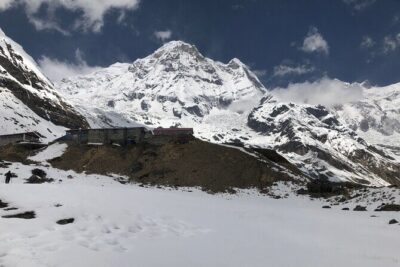
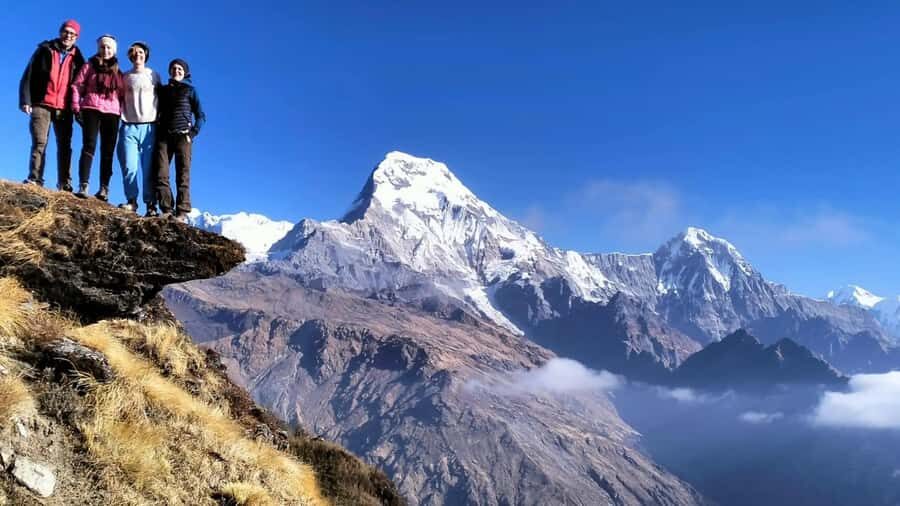
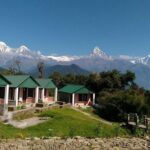
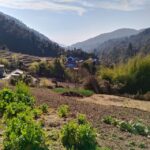
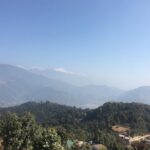
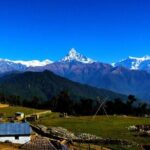
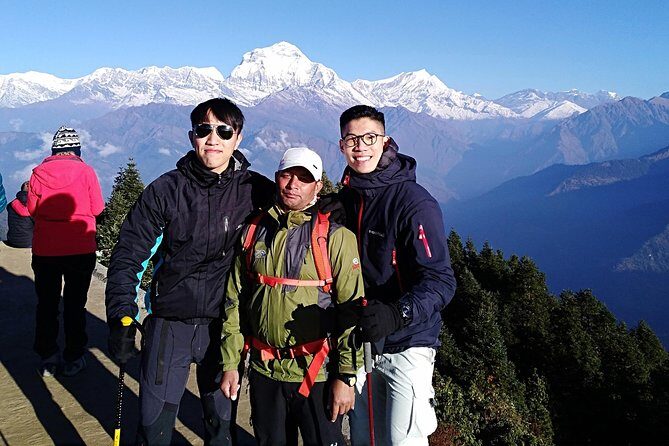
One clear example is an 8-hour Annapurna day. You’re looking at big mountain views and the chance to experience Nepali mountain life as you hike. That mix is exactly what most people want from a trek like this: scenery plus the sense of place.
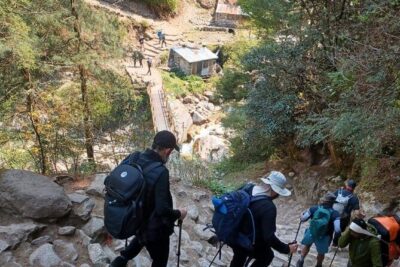
The structure is simple. You’ll be walking for a full stretch (8 hours in the example), and the emphasis is on seeing the mountains while moving through the kinds of areas where local life exists alongside the trail. In planning terms, that means you should expect a steady day on your feet, not a quick stroll with frequent sitting breaks.
There’s also a value angle here. Because your guide’s lunch and dinner are included, your day is less likely to feel like a constant decision about food. You still handle your own meals and drinks as a participant (more on that in price), but having the guide’s side handled reduces friction and helps the schedule run smoothly.
The trade-off is time and energy. The experience calls for moderate physical fitness, and an 8-hour hike is a serious enough day that you’ll want to show up ready. If you’re coming from sea level or you’re recovering from a long travel day, choose a shorter option instead of forcing the full-day plan.
Raju Bhandari’s Planning Style: Texts, Photos, and Trail Talk
This is where the reviews really point the needle. Raju Bhandari stands out for how he communicates and how he helps you make a decision. People describe him sending options through text before the hike, including photos so you can choose between routes more confidently.
That sounds small, but it changes everything. When you’re standing in Pokhara with limited time, picking the wrong trail can turn your day into stress. Instead, Raju helps you get your bearings fast—then you move forward with a plan that matches what you want to see.
The feedback also emphasizes that he explains trails and local culture in a way that sticks. People talk about learning about natural surroundings and local mountain life, not just checking boxes for distance. Raju is described as experienced and attentive, and that matters on hikes where small route decisions can affect how enjoyable the day feels.
In particular, he’s guided routes around Pokhara like hikes to Australian Camp and Dhampus. Even if you don’t choose those exact names, the pattern is useful: he’s familiar with popular foothill routes and can help you pick something that fits your comfort level and interests.
One practical takeaway for you: if you’re undecided, ask for multiple options and visuals. This experience is designed around that kind of back-and-forth, and it’s a big part of why people feel the day matched their expectations.
Your Pace, Your Group: Private, Small, and Fitness-Focused
This is a private tour/activity, meaning only your group participates. That’s a big quality-of-life factor. Instead of navigating as a large group with one slow person and one fast person, you can get a guide’s attention and adjust pacing.
With up to 15 people, it’s still small enough to ask questions without feeling like you’re competing for help. And because your guide will arrange details with you and your group, you’re more likely to get a plan that fits your day rather than a rigid itinerary that only works for a specific type of hiker.
The experience notes that you should have moderate physical fitness. Translation: you don’t need to be an ultra-athlete, but you should be comfortable walking for hours and handling some uneven terrain. If your definition of “trek” is something closer to a gentle nature walk, you may want to choose a shorter duration option.
Also, the time range matters. The experience can run from 2 hours to about 1 day, and the Annapurna example goes as long as 8 hours. That means you should pick the option that matches your energy—not just what sounds good on paper.

Price and Value: What $40 Covers and What You Still Pay
The published price is $40 per group (up to 15). That’s striking on paper, but you’ll get the best value by understanding what it covers.
Your fee includes the guide’s lunch & dinner and the guide’s accommodation. That’s a real cost you’d otherwise be paying indirectly. It also helps the day run without awkward budget pauses for your guide.
What’s not included:
- Your own lunch/food and drinks (the guide may stop for meals at local spots, but you pay the restaurant directly)
- Your accommodation during the trek (especially relevant for multi-day plans)
- Private transportation if you request it (it’s available upon request, but not included in the base rate)
- The guide’s tip
So what does that mean for you? You’re paying for guided trekking support and planning, while your personal trek costs sit outside the base fee. If you’re traveling in a group, that can be great value because your fixed guide costs are spread across people.
If you’re traveling solo or in a small group, you’ll want to treat the total budget as:
- Base guide fee
- Your food and drinks
- Any trek lodging
- Local transportation choices
- A tip for the guide
In practice, the value sweet spot is when you want guidance plus local culture context, and you don’t want to plan every tiny detail on your own.
Meals, Lodging, and Local Stops Without the Headache
Food and lodging are where most trekking plans either feel smooth or turn into a scramble. Here, the guide’s side is included—guide lunch and dinner, plus guide accommodation.
For you, meals and drinks are not included. The plan also notes that if desired, you can stop off for lunch or dinner with local mountain spots, with payment handled directly to the restaurant owner. That’s a nice option because it gives flexibility without forcing you into a specific restaurant.
For multi-day trekking, your accommodation is additional too. The good news: your guide helps arrange the itinerary details, and that usually makes it easier to line up lodging without turning it into a second project.
A smart move is to set your preferences early. If you want simple meals, tell your guide. If you’re trying to keep costs down, ask about options. When you choose day treks vs multi-day routes, the “extras” change, and your guide can help you avoid surprises.
Weather and Day-of Reality: Why Flexibility Keeps This Fun
The experience requires good weather. That’s not just fine print. On a trek day, weather affects trail safety, visibility, and how enjoyable the hike feels.
The plan includes flexibility if it’s canceled due to poor weather: you can be offered a different date or you can get a full refund. That’s the kind of safety net that makes it easier to book confidently, especially if you’re working around a travel schedule.
One more practical note: the guide’s planning support is strongest when you stay flexible. If the weather shifts, being willing to adjust the trek length or route choice can save the day.
Should You Book This Pokhara Trek Planning Setup?
Book it if you want a guided trek that starts and ends in Pokhara, with a guide who helps you choose the route and shapes your plan for your group. It’s especially worth it if you don’t want to guess between trails and you value clear communication—Raju Bhandari’s text-based options and photo guidance are a big part of why this works.
Consider not booking if you’re trying to keep the trip budget ultra-tight, because your meals, your trek lodging, and private transportation (if needed) are not included. Also, if your fitness level is low or you hate longer walking days, choose the shorter duration options rather than pushing for a full-day trek.
If your goal is a well-planned day in the Annapurna foothills or a route geared toward Upper Mustang style hiking, this setup is a solid, practical choice.
FAQ
Where do the treks start and end?
These treks are arranged to begin and end in Pokhara.
What regions can you choose from?
You can pick routes in the Annapurnas or Upper Mustang, and the broader experience theme also includes trekking regions like Langtang and Everest.
How long are the treks?
Options run from about 2 hours to roughly 1 day, and one example includes an 8-hour Annapurna day.
Do you get pickup?
Yes, pickup is offered.
How big is the group?
It’s private, with only your group participating, and the group can be up to 15 people.
What is included in the price?
Your fee includes the guide’s lunch & dinner and the guide’s accommodation.
What is not included?
Not included are participants’ lunch/food and drinks, participants’ accommodation during the trek, private transportation (if you request it), and the guide’s tip.
What happens if weather is bad?
The experience requires good weather. If it’s canceled due to poor weather, you’ll be offered a different date or a full refund.