REVIEW · KATHMANDU
Everest Base Camp Landing by Helicopter at kalapathar View Point
Book on Viator →Operated by Welcome Nepal Treks P.ltd · Bookable on Viator
Kalapathar turns Everest from legend into something you can frame. This helicopter day tour (about 5–6 hours) is built for time-bound travelers, with a short air program that still delivers 360-degree mountain views and a rare landing at the Everest area. I like that you also get Sherpa-side moments and an organized, early start that keeps the day efficient. The main drawback to plan around is weather: when conditions are poor, landings and the breakfast stop may change.
If you want the Everest Region without the weeks-long logistics of a trek, this format works. The icing on the cake is the Kala Patthar landing for photos and video, plus extra viewpoints around Khumjung and the Everest View area when the flight schedule allows. One more thing to consider: you’re moving from airports to viewpoints quickly, so you need to dress for cold (down to about -5°C to -10°C at higher points) and be comfortable with short, high-altitude exposure.
In This Review
- Key Highlights Worth Getting Excited About
- Why Kalapathar Landing Changes Your Everest Day
- 5:30 a.m. Start From Kathmandu: What That Early Means
- The Kathmandu Valley to Lukla Hop: Real Everest Geography, Fast
- Overfly and Kalapathar: The Everest Moment in 10 Minutes
- Khumjung Stop and Breakfast at Everest View Hotel (Weather Permitting)
- Safety and Oxygen: What’s Actually Included
- Price and Value: What You’re Paying For (and What You’re Not)
- Packing for -5°C to -10°C: Don’t Underestimate Cold and Wind
- Timing, Weather, and Expectations for Visibility
- Who This Helicopter Everest Day Tour Fits Best
- A Quick Note on Guides and the Human Side
- Should You Book This Kalapathar Helicopter Landing?
- FAQ
- What time does the tour start in Kathmandu?
- How long does the Everest Base Camp helicopter day tour take?
- Is hotel pickup and drop-off included?
- Do I need to bring my passport?
- Are the national park and municipality fees included?
- Is breakfast included?
- Is there a weight limit for passengers?
- What happens if the tour is canceled due to poor weather?
- Is this tour private or shared?
Key Highlights Worth Getting Excited About
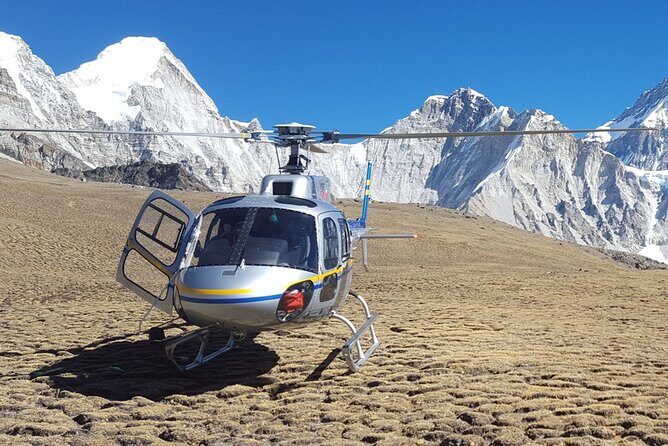
- Kalapathar landing for photos and video at one of the highest practical viewpoint areas
- Short, focused flight day that fits into a tight Kathmandu schedule
- Lukla fuel stop that matches the real start point culture of Everest trekking
- Khumjung/Everest View breakfast option when weather allows (subject to timing and conditions)
- Safety gear included with first aid kit and an oxygen cylinder for emergencies
- Help from an experienced local team including guides such as Hari and support from Nawa and the team
Why Kalapathar Landing Changes Your Everest Day
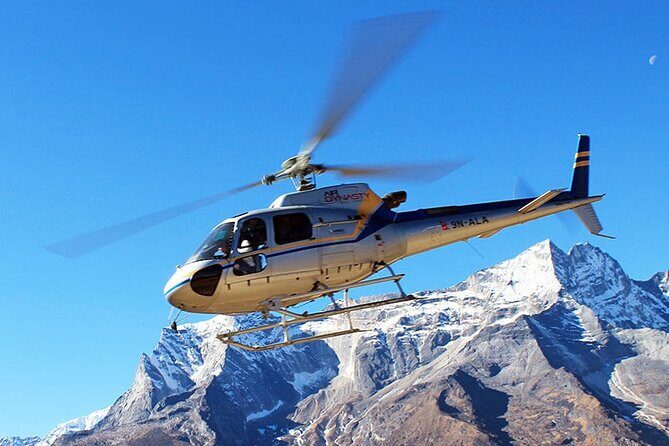
Most Everest trips, even the fast ones, end with an aerial view. This one is different because the plan includes an actual landing around Kalapathar for a brief, high-impact look at Everest and neighboring giants. Ten minutes doesn’t sound like much until you realize what you’re buying: a clear moment to turn views into photos you’ll actually look at later.
I also like the way the day is structured around viewpoint potential. You’re not just flying in and out. The itinerary is designed for repeated perspective shifts, including an overfly of Everest Base Camp and then time at the highest-feeling photo point. When visibility is good, the composition is spectacular—Everest, plus mountains like Pumori, Lhotse, and Nuptse can come in very clearly.
One more value piece: this tour is aimed at travelers who can’t hike weeks. You still get the Everest Region feel—scale, terrain, and human settlements layered into the mountains—without spending your entire trip walking uphill every day.
A few more Kathmandu tours and experiences worth a look

5:30 a.m. Start From Kathmandu: What That Early Means
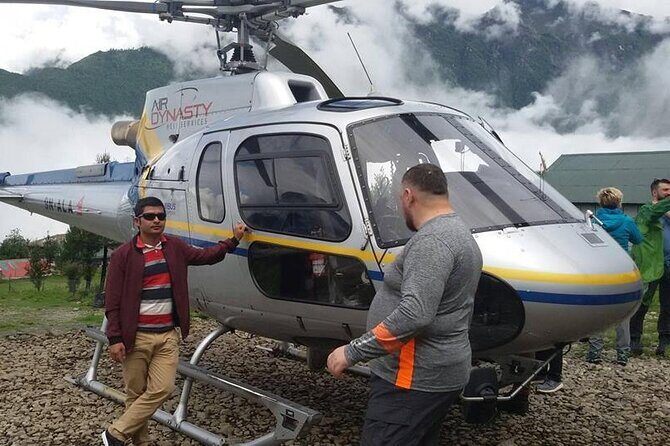
Your day begins before sunrise. You’re picked up around 5:30 a.m. and taken to Kathmandu Airport for check-in at the helicopter counter. Bring your passport for check-in; if you don’t have the physical document, a passport copy (even a picture on your phone) works based on the tour guidance.
Why does this matter? Because helicopter schedules aren’t flexible in the way city sightseeing is. Early departures help you catch the best chance for weather and visibility. The whole day is built to use the early window efficiently—so even if you’re staying in Kathmandu, expect this to feel like a real start-time day, not a casual morning.
You’ll also see how the team runs the process: check-in, then a tight sequence of flights and fuel handling. The plan includes dropping return fuel at Lukla, which is exactly the kind of behind-the-scenes step that keeps the day from falling apart mid-route.
The Kathmandu Valley to Lukla Hop: Real Everest Geography, Fast
The itinerary includes a flight to Lukla, with time for de-fueling. Lukla is the airport that trekkers land at before beginning their Everest journeys, so it’s a meaningful stop even if you’re not trekking. You’re basically getting a quick geography lesson in the middle of your day: this is where the walking begins for thousands of people each year.
The schedule also gives you time in the air to notice what you normally only see from the trail—grasslands, settlements, and the way the Himalaya rises from the valley. Even if you only have short flight segments, the altitude jump changes what the mountains look like. From up high, terrain becomes layered and graphic, not just a distant backdrop.
If you’re wondering whether this feels too rushed: it’s short by design. You’re trading time on foot for time in the sky and at viewpoints. For the right traveler, that trade is worth it.
Overfly and Kalapathar: The Everest Moment in 10 Minutes
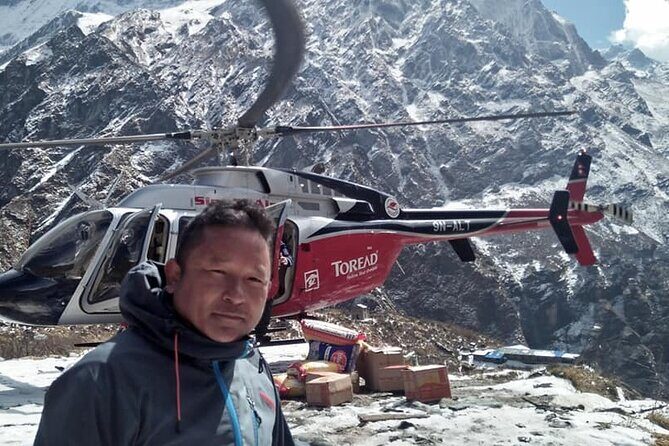
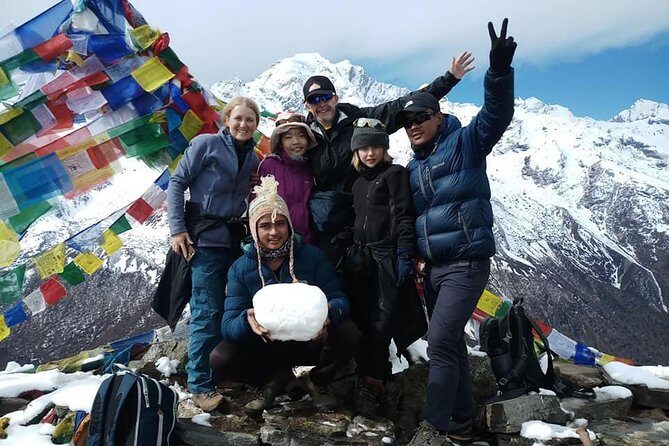
This is the main event. The helicopter program includes an overfly of Everest Base Camp, then a landing at Kalapathar for photos and video.
Plan for a quick, focused window. You get around 10 minutes at the landing area, so don’t expect a slow stroll, long conversations, or time to wait for perfect photos. What works best is knowing what you want before you arrive: Everest centered shots, plus nearby peaks that can pop in when visibility is clear.
The view expectations are specific. When conditions align, you can see Mount Everest very clearly along with Mount Pumori, Lhotse, and Nuptse. Even when light and clouds shift, the height and geometry of the peaks still reads beautifully. This is one of those situations where the airplane doesn’t just move you—it changes your ability to see the mountain’s shape.
Also, treat the photo moment as a team sport. You’ll likely be given guidance on where to stand and how to angle for visibility. This is where having support from an experienced local guide can help a lot. People often remember how smoothly the guide helps them time shots and not waste the brief landing window.
Khumjung Stop and Breakfast at Everest View Hotel (Weather Permitting)
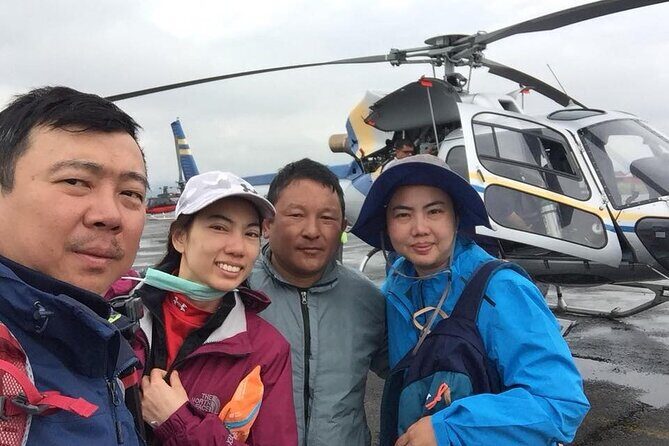
After Kalapathar, the itinerary may include a stop in the Khumjung area and time at Hotel Everest View for breakfast—though the plan is explicitly subject to weather.
The idea here is smart: you get a second chance at panoramic mountain views from a different vantage, plus a warm-ish meal moment that breaks up the cold travel feeling. Usually, you may have about one hour at this stop.
Here’s what to know about breakfast: it’s not automatically included. The tour guidance says to carry about USD 31 per person for a set breakfast at the hotel, and it can’t happen if weather doesn’t cooperate. So for budgeting, treat breakfast as an add-on that depends on conditions.
Even if you don’t do the breakfast plan, the Khumjung stop is about more than eating. It’s a window into Sherpa-side life and the cultural texture that surrounds Everest viewpoints. The tour’s highlight list also mentions monasteries of the Himalayan region and interaction with Sherpas—so this stop is where those elements make sense in a short day itinerary.





Safety and Oxygen: What’s Actually Included
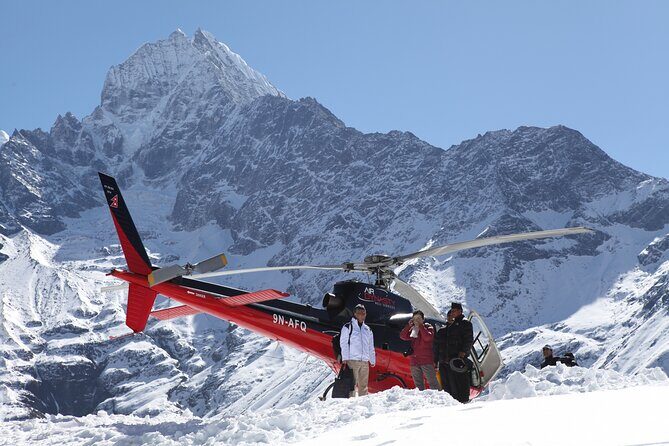
One of the best parts of this tour is that safety gear is not hand-wavy. The package includes a first aid kit box and an oxygen cylinder for emergency cases.
That doesn’t remove the reality that you’re moving at altitude. But it does mean the operator is thinking beyond comfort. For travelers who worry about altitude uncertainty, that inclusion brings real peace of mind.
Also, keep expectations realistic. The flight is short, but you’re still in the Everest zone long enough to feel cold and wind. You’ll want layers and good gloves, and you’ll want to listen to your pilot and guide about what’s safe to do during landings.
Price and Value: What You’re Paying For (and What You’re Not)
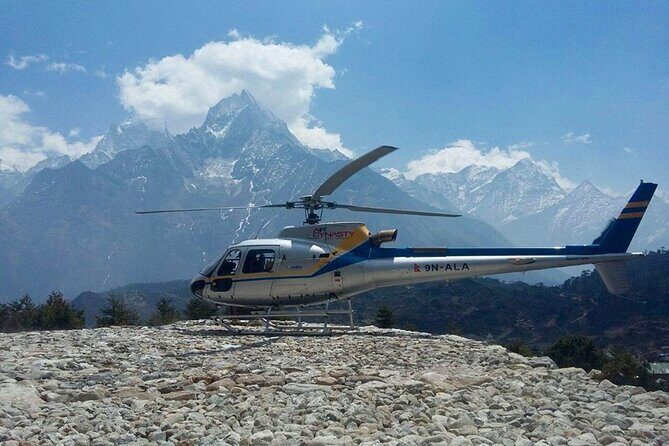
At $3,300 per person for a roughly 5–6 hour day, this is not a budget tour. So I’d frame the value as a math problem:
You’re paying for speed, access, and a landing at a high viewpoint that would otherwise require serious hiking time. If your trip window is short, helicopter access can turn a long trek dream into a feasible plan.
You’re also paying for operational complexity:
- Transfers and early check-in
- A multi-leg flight plan with fuel handling at Lukla
- Landing permissions and multiple viewpoint stops
- A private helicopter with an expert pilot
- Government taxes, VAT, and office service charge
What’s not included is also clear:
- National park entrance fees and municipality entry fees (about USD 50 or NPR 6000 per person, paid locally)
- Optional breakfast (about USD 31 per person, subject to weather)
So the best value question isn’t just cost. It’s whether you need this specific product: Kalapathar landing with an efficient Everest-region day. If yes, the price can start to make sense. If you’re flexible and have time for trekking, a long trek may be a better financial deal.
Packing for -5°C to -10°C: Don’t Underestimate Cold and Wind
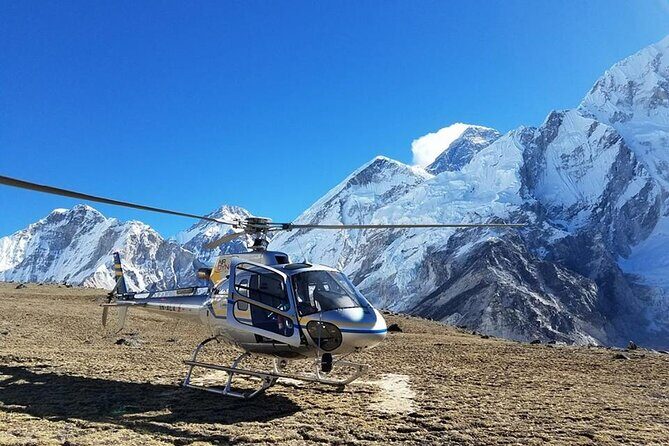
The tour guidance calls out warm dress for -5°C in summer and -10°C in winter for higher points. Even if you think you can tough it out in a puffer and a scarf, helicopter landings can feel colder because of wind chill.
I’d pack like you’ll be standing still outside. Think warm gloves, a hat that covers ears, and layers you can adjust quickly. If you wear bulky items, remember you’ll also have a weight limit: total weight per passenger is listed at 221 lbs.
Footwear matters too. You may move around airport and landing areas quickly, so good grip helps. Bring sunglasses as well; at altitude, glare can be intense even when clouds sit low.
Timing, Weather, and Expectations for Visibility
This is an experience that runs on weather. The tour is explicitly described as requiring good weather. If canceled due to poor conditions, you’re offered another date or a full refund, depending on what the operator can arrange.
On a clear day, the flight over Everest and the Kalapathar landing can deliver very sharp mountain detail—Everest and surrounding peaks can look crisp. On a less cooperative day, you might still get views, but not the same photo-level clarity.
The key mindset: you’re not just buying sightseeing. You’re buying a weather-dependent operating plan. That’s why the early start, landing logic, and backup options matter so much.
Who This Helicopter Everest Day Tour Fits Best
This tour makes the most sense for:
- You have limited time in Kathmandu and need a one-day Everest plan
- You want a viewpoint landing at Kalapathar rather than only seeing Everest from far away
- You prefer comfort and speed over weeks of trekking
- You like organized, structured days with a clear schedule and safety support
It may not be the best fit if:
- You want hours of walking and immersion on foot
- You hate cold weather and wind exposure at viewpoints
- You’re hoping for a long, relaxed pace at each stop
This also isn’t the kind of activity where you should treat it like a flexible afternoon outing. It’s structured around flight windows, fuel stops, and visibility.
A Quick Note on Guides and the Human Side
The most praised parts from people who did this kind of day often come down to two things: calm organization and knowledgeable, friendly help. Names like Nawa and Hari show up as examples of team support that can make a 5:30 a.m. start feel manageable and a brief landing feel well timed.
You don’t need a complicated relationship with your guide. You just need competence when it counts—during check-in, during short photo stops, and when weather shifts.
Should You Book This Kalapathar Helicopter Landing?
I’d book it if you check these boxes:
- Your schedule is tight and you can’t commit to a long trek
- You really want a Kalapathar landing moment and not just an aerial glance
- You’re comfortable paying a premium for time and access
- You can handle early mornings and cold layers
I’d think twice if you can hike. A trek gives you days of acclimatization and time to savor the region at ground level. But if trekking is off the table, this helicopter day tour is one of the clearest ways to get Everest’s scale in a single day.
If you go, do one smart thing: prepare for weather as a variable, not a surprise. Dress for wind, keep your camera ready, and treat the landing window like a timed photo mission—because that’s exactly what it is.
FAQ
What time does the tour start in Kathmandu?
The meeting time is 5:30 a.m. for hotel transfer to Kathmandu Airport for helicopter check-in.
How long does the Everest Base Camp helicopter day tour take?
The duration is listed as 5 to 6 hours approximately, with flight segments that add up to a short air program.
Is hotel pickup and drop-off included?
Yes. Round-trip transfer is included by car pickup from your hotel and drop back after the flight.
Do I need to bring my passport?
Yes, you’ll need your passport for check-in at the helicopter counter. A passport copy (including a photo on your phone) is stated as working, and you don’t need the original passport.
Are the national park and municipality fees included?
No. National park entrance fees and municipality entry fees (about USD 50 or NPR 6000 per person) are to be paid locally.
Is breakfast included?
Breakfast is optional and is described as about USD 31 per person at Hotel Everest View, and it’s subject to weather.
Is there a weight limit for passengers?
Yes. The tour lists a total weight per passenger of 221 lbs.
What happens if the tour is canceled due to poor weather?
If poor weather causes cancellation, you’ll be offered a different date or a full refund.
Is this tour private or shared?
It’s described as a private tour/activity, meaning only your group participates.