REVIEW · KATHMANDU
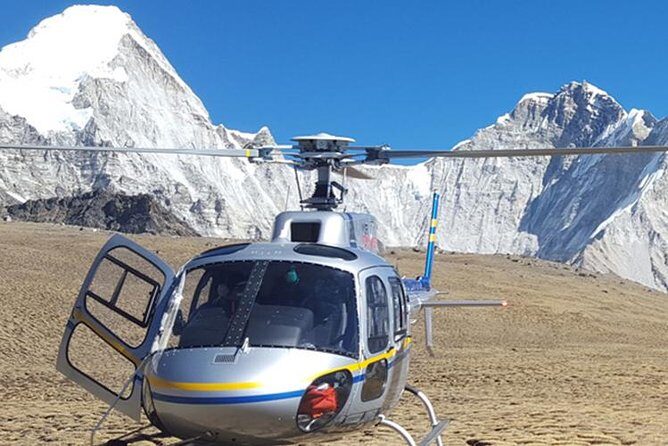
Everest Base Camp Helicopter Tour landing at Hotel Everest View
Book on Viator →Operated by Adventure White Mountain Pvt.Ltd · Bookable on Viator
Helicopter views of Everest feel unreal. This Everest Base Camp helicopter tour turns limited time into real high-altitude wow-factor, with flyovers toward Everest Base Camp and Kalapathar, plus a planned landing at Hotel Everest View if weather plays along. You’re also not stuck watching from a single angle all day; the route includes multiple stops and landing points that make it easier to grab photos without racing the clock.
What I like most is how the day is built for seeing the big names of the Khumbu from above—Everest, Lhotse, Pumori, and the surrounding ridgelines. I also love the way logistics are handled, with Dipak Sapkota highlighted in the feedback for keeping things smooth and stress-light, including smart group handling around window seats. The one real consideration: this tour runs only on good weather, and costs on top of the ticket can add up (national park, airport taxes, and fees).
If you’re the type who wants Everest pictures fast, and you don’t mind a weather-dependent schedule, this tour is a strong bet. But if you’re traveling with very strict timing or you hate cold, you’ll want to plan clothing carefully and be ready to pivot if conditions don’t cooperate.
In This Review
- Key things I’d watch for before you book
- Why This Everest Helicopter Route Feels Worth It
- Kathmandu Pickup to the First Big Views: What the Morning Run Feels Like
- Lukla Fuel Stop: Short, Necessary, and Not a “Scenic Moment”
- Pheriche Stop and the Window-Seat Trick for Groups
- Everest Base Camp Flyover and Kalapathar Views You’ll Remember
- Hotel Everest View Landing: Your Optional Breakfast Stop
- The Helicopters, Timing, and Comfort Reality Check
- Price and Value: What $1,600 Really Buys You
- Who This Tour Suits Best (and Who Might Hate It)
- Should You Book the Everest View Hotel Landing Tour?
- FAQ
- How long is the Everest Base Camp helicopter tour?
- How much helicopter flight time is included?
- Is hotel pickup and drop-off included?
- Is the breakfast at Hotel Everest View included?
- What extra fees might I need to pay?
- How many passengers are typically in the helicopter?
- What should I wear or bring for the cold?
Key things I’d watch for before you book
- Kalapathar angles plus photo time: You get a close, dramatic perspective that trekking alone takes days to chase.
- Hotel Everest View landing for optional breakfast: A real break point, usually around one hour, tied to weather.
- Window-seat planning: When groups are larger, you may be split so people can get better views during the Everest Base Camp portion.
- Lukla fuel stop (about 10 minutes): It’s short, but it’s part of how the route is timed.
- Weather decides everything: Beautiful conditions mean flight; rough conditions mean rescheduling or a refund.
Why This Everest Helicopter Route Feels Worth It
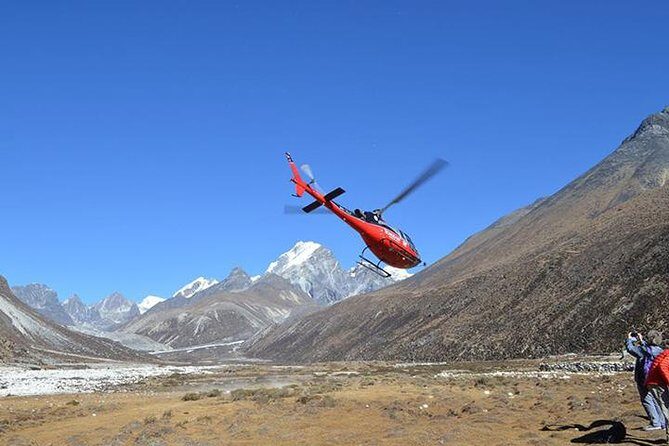
This is a helicopter tour designed for people who want the headline sights without spending weeks on the trail. Yes, the core flight segments are short—listed flight time is about 4 to 6 minutes—but the full experience is 4 to 6 hours because your day includes multiple takeoffs, practical stops, and time windows for views and photos.
The value here is not just “going up.” It’s the way the route is structured so you see Everest from a handful of angles rather than a single quick pass. You’ll spend time near key areas like Lukla, Pheriche, and the Everest Base Camp viewpoint zone, then finish with the Hotel Everest View landing option.
And that last piece matters. Hotel Everest View isn’t just a name on a map—it’s the on-the-ground moment that helps your brain connect the dots after all that aerial geometry. When you’re coming from Kathmandu and flying into the Khumbu region for hours, that landing stop makes the whole day feel more “real” and less like a drive-by.
One more thing: this is group sharing (typically 5–6 passengers with a pilot). That keeps the experience social, but it also means you should expect a bit of coordination—like following the boarding plan and staying flexible if your group has to be handled in a different seating pattern.
A few more Kathmandu tours and experiences worth a look

Kathmandu Pickup to the First Big Views: What the Morning Run Feels Like
The day starts with hotel pickup and drop-off in Kathmandu, so you’re not trying to coordinate transport on your own. After pickup, you head to the Kathmandu airport area for the helicopter portion. The experience runs in a wide daily window—7:15 AM to 11:45 PM—but your exact timing will depend on the schedule and weather.
From Kathmandu, the plan includes a flyover of the highest viewpoint of the Base Camp area and then continuing onward to Lukla by helicopter (aircraft types listed include Airbus H125 and Eurocopter 350, depending on the operation). This first hop is where you get that sudden shift from city noise to high-mountain scale.
A quick reality check: Lukla is often considered a “trekker airport” because trekkers commonly start their trek there. In this tour, Lukla isn’t about trekking at all—it’s a practical stop.
Lukla Fuel Stop: Short, Necessary, and Not a “Scenic Moment”
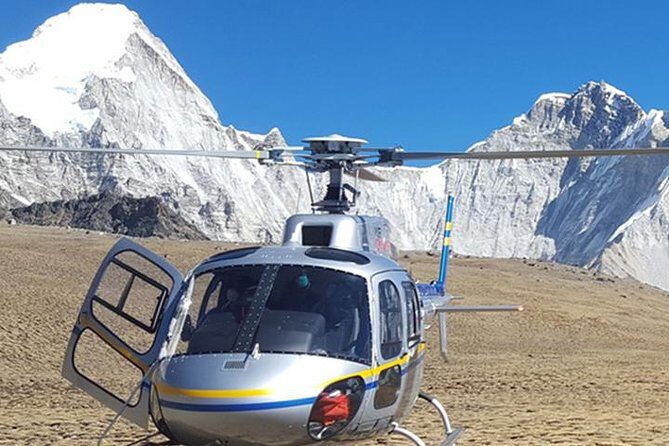
At Lukla, the stop is listed as about 10 minutes, primarily for fuel purposes. That’s not the part you’ll brag about over dinner, but it’s also not wasted time. It’s one of the reasons the helicopter can complete the route and still give you time for views around the Base Camp zone and nearby stops.
You should plan for the stop to feel quick and procedural. Expect that you’ll follow the crew’s guidance and move at helicopter pace. No long viewing terrace breaks here—this is a functional pause so the pilot can keep the day on track.
If you’re prone to getting nervous during flights, this is actually a helpful segment. Ten minutes passes fast, and it’s a clear signal that the route is being managed step-by-step.
Pheriche Stop and the Window-Seat Trick for Groups
Next up is Pheriche, listed at about 20 minutes. This is a key stop for a reason that has nothing to do with sightseeing.
The route description includes a planning note for larger groups: Pheriche is used as a splitting point if there are more than three passengers flying together. The idea is that you may be flown in two sub-groups (for example, two people first, then three) so window seats are guaranteed for the Everest Base Camp part only.
Why this matters: from a helicopter seat, your best photos tend to come from the “right side” or “best side” of the cabin. If you’ve ever shot from a moving bus or train, you know how frustrating it is when your view is blocked or angled. This window-seat planning is one of the smarter touches in the whole experience.
So if you’re booking with friends and you care about photos, this is the part you should mentally prepare for. It’s not just travel trivia—it’s the mechanism that can make the difference between decent shots and the kind of images you’ll keep forever.
Everest Base Camp Flyover and Kalapathar Views You’ll Remember
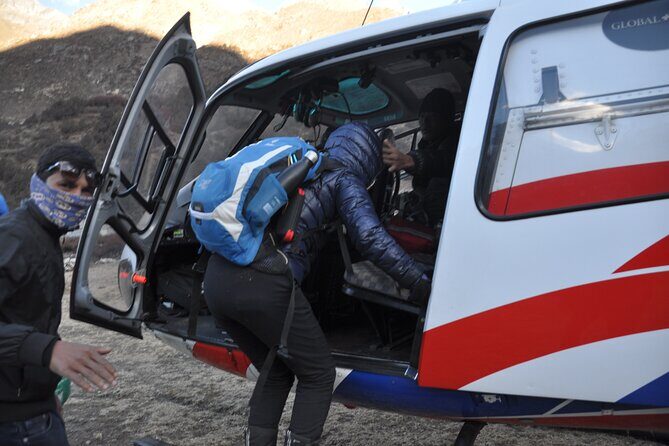
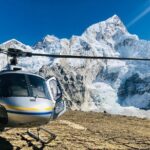
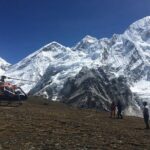
After Pheriche, the core of the day kicks into high gear: the tour includes an Everest Base Camp viewing segment and overfly Kalapathar for spectacular perspective.
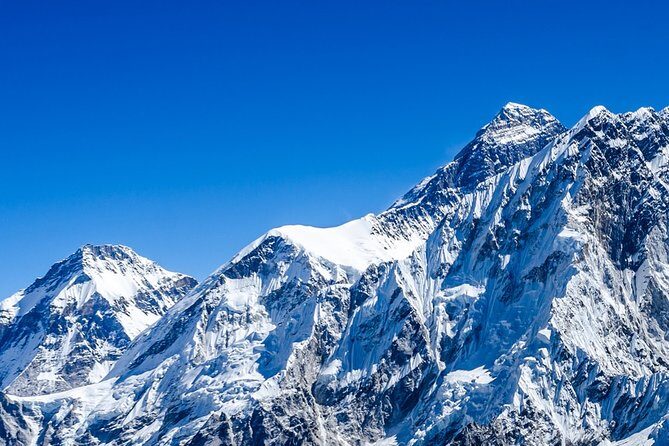
You’ll be looking down at the kind of terrain that’s hard to comprehend from ground level: glacial rivers, deep valleys, jagged ridges, and ice formations that look almost unreal from above. In the feedback, people consistently mention the surreal scale—snow-capped cliffs and glaciers spreading out in patterns that feel like you’re studying a giant relief map.
Kalapathar is the highlight zone here. It’s often described as the up-close Everest viewpoint because it puts you in the right relationship to the peak visually. In the tour framing you received, Kalapathar is specifically called out for stunning views, and the results of that are exactly what you’d expect: sharper impressions of Everest and the surrounding high peaks like Lhotse and Pumori.
What to do during these sighting moments:
- Have your phone or camera set before you arrive at the best angle.
- Be ready to shoot quick bursts—helicopter motion doesn’t wait for perfect settings.
- Don’t spend all your time filming. Take a few seconds to just look.
This is the kind of segment where your brain tends to go quiet. That’s good. You don’t need to do anything fancy—just let the views land.





Hotel Everest View Landing: Your Optional Breakfast Stop
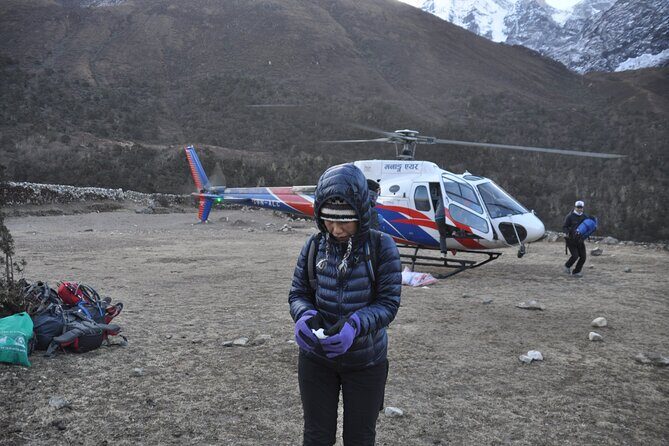
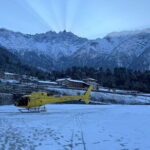
This is the part you asked about directly: the tour includes a stop at Hotel Everest View (called out as a landing breakfast point) at Syangboche Marg.
If weather allows, you stop for an optional breakfast at the hotel. The duration is typically about one hour. The catch is that the breakfast isn’t included in the base price—you’re expected to carry USD 31 per person for the set breakfast, and the tour notes it’s subject to weather conditions.
If you’re wondering whether this stop is “worth it,” here’s my practical take: it’s worth it because it gives you a non-helicopter moment when you can warm up and reset. After hours of cold air and scanning the horizon, sitting for a proper break helps you enjoy the rest of the day instead of just surviving it.
Also, a meal at that altitude-related area helps you feel like the day has a rhythm. You’re not just flying past points—you’re briefly landing and participating in a real-world stop.
The Helicopters, Timing, and Comfort Reality Check
The route description names two helicopter models used for parts of the operation: Airbus H125 and Eurocopter 350. Either way, the basic idea is the same: this is a fast, high-impact aerial experience.
What matters for comfort is less about brand and more about what you’re carrying and how you dress. The tour guidance includes temperature cues for higher points:
- warm dress for winter around -10°C
- summer guidance around -5°C
- and an extra note to bring warm jacket/dress for roughly -2°C in winter and 0°C in spring/summer for higher points
Even if you feel fine in Kathmandu, it’s smart to plan for cold at altitude. Bring layers you can actually move in, and consider gloves if you tend to get cold hands.
One more practical detail: there’s a listed weight limit per passenger of 221 lbs. The information also asks passengers over 100 kg to text after booking. If you’re over that threshold, do it early so your booking can be handled properly.
Price and Value: What $1,600 Really Buys You
At $1,600 per person, this isn’t a budget helicopter ride. So the honest question is: does it pay off?
Here’s what you are paying for, based on what’s included:
- hotel pickup and drop-off in Kathmandu
- helicopter flyover trip on a group sharing basis (typically 5–6 passengers plus pilot)
- multiple landing points for better viewing and pacing
- a mobile ticket
The helicopter time itself is short on paper (4–6 minutes), but the day isn’t short because you’re getting multiple regions and a hotel landing moment. That’s the value angle: you’re buying access to the Everest region from the air, with enough structure to actually see multiple viewpoints.
What’s not included adds another layer:
- National park fee (listed USD 26)
- airport tax (listed USD 8)
- Khumbu village development fees (listed USD 16)
- optional breakfast at Hotel Everest View (listed USD 31 each, subject to weather)
So your “all-in” cost depends on your choices and fees. Still, for the time trade-off—especially if you have only a few days in Nepal—this can be one of the most efficient ways to get an unforgettable Everest experience.
If you’re trying to keep costs down, compare alternatives. Trekking takes time and money too. But a helicopter tour is the direct route to the iconic views.
Who This Tour Suits Best (and Who Might Hate It)
This works best for you if:
- you have limited time in Nepal and still want Everest’s big visual hit
- you’re okay traveling in a group and following a tight schedule
- you value photos and want the best angles around Everest Base Camp and Kalapathar
- you want a landing moment at Hotel Everest View to break up the flight time
This might not be your ideal choice if:
- weather disruptions would ruin your trip plans
- you’re extremely sensitive to cold and don’t want to layer up for subfreezing conditions
- you’re looking for a long, walking-based experience (this is view-focused, not a hike)
The weather note isn’t small. The tour is explicitly described as flying on beautiful weather only, and it requires good conditions. So your best move is to schedule this early in your stay in Kathmandu, so you have backup days if conditions force a change.
Should You Book the Everest View Hotel Landing Tour?
I’d book it if you want Everest views that feel close and cinematic, and you’d rather spend the day flying and photographing than trekking toward the same peaks for days. The pairing of Base Camp-area flyover plus Kalapathar views, then ending with the Hotel Everest View landing for an optional meal, makes the day feel complete instead of half-done.
But don’t book it if your schedule is locked down tight or if you’re unwilling to handle cold and possible rescheduling. This is an experience where good weather is the main ingredient, and the tour design is built around making the most of it when it shows up.
If you’re flexible, reasonably comfortable with cold, and you care about the iconic viewpoints, this is a strong use of your Nepal time—especially if you want Everest without waiting for weeks.
FAQ
How long is the Everest Base Camp helicopter tour?
The duration is listed as approximately 4 to 6 hours, depending on the day’s routing and weather.
How much helicopter flight time is included?
The flight time is listed as about 4 to 6 minutes, with additional time built around stops during the route.
Is hotel pickup and drop-off included?
Yes. Hotel pickup and drop-off are included. You’ll need to provide your hotel name and address so they can set the pickup time.
Is the breakfast at Hotel Everest View included?
No. Breakfast at Hotel Everest View is optional and costs USD 31 per person, subject to weather conditions.
What extra fees might I need to pay?
The tour notes these as not included: National park fee (USD 26), airport tax (USD 8), and Khumbu village development fees (USD 16).
How many passengers are typically in the helicopter?
The tour is described as a joining group sharing setup with about 5–6 passengers and a pilot, and it also notes a maximum of 15 travelers.
What should I wear or bring for the cold?
Bring warm layers. The guidance includes winter temps around -10°C (and summer around -5°C) for higher points, plus a note to bring a warm jacket/dress for winter about -2°C and around 0°C in spring/summer.