REVIEW · KATHMANDU
Everest Base Camp helicopter tour with landing
Book on Viator →Operated by Adventure Master Trek · Bookable on Viator
Everest by helicopter is the fast track to seeing the big names—Everest, Lhotse, Nuptse—without spending weeks on a trail. What I like most is the landing at Everest Base Camp plus the built-in mountain picnic, so it’s not just a drive-by from the air. The tour is also set up as a small-group, private helicopter experience, which makes the whole day feel calmer and less hectic than you’d expect for a hype route.
There’s a downside to think about: the day is weather-dependent, and you’ll start very early (5:30am). If conditions aren’t good, your flight plans can change and you may have to switch dates.
In This Review
- Key highlights
- The 5:30am Kathmandu start and how the day really moves
- Kathmandu to the Everest region: the first helicopter flight moments
- Lukla and the Everest gateway: why that airstrip stop matters
- Kala Patthar flyover: the view you came for, minus the slog
- Everest Base Camp landing and mountain picnic: the real payoff
- Syangboche and the Everest View Hotel stop: a classic Everest pause
- Lukla again, then back to Kathmandu: closing the loop
- Price and what you’re paying for at $1,600 per person
- Safety and comfort: oxygen monitoring and passenger coverage
- Who should book this helicopter Everest day, and who shouldn’t
- Weather, timing, and how to prepare like a pro
- Should you book the Everest Base Camp helicopter landing tour?
- FAQ
- What time does the tour start?
- Where do I redeem my ticket?
- How long is the Everest Base Camp helicopter tour with landing?
- Is this tour private?
- What is included in the price?
- What is not included?
- Is breakfast included?
- Do I need a permit for Sagarmatha National Park?
- Is travel insurance included?
- Can I get a refund if the weather is poor?
Key highlights
- Everest Base Camp landing plus a high-altitude picnic stop
- Small group setup (up to 5 passengers per ride) for a more personal feel
- Oximeter checks (pulse, oxygen saturation, heart rate) included
- Oxygen tank and first-aid kit service fees are included
- Lukla (Tenzing-Hillary Airport) touchdown as part of the route
- Syangboche + Everest View Hotel stop for a classic Everest-region vantage
The 5:30am Kathmandu start and how the day really moves
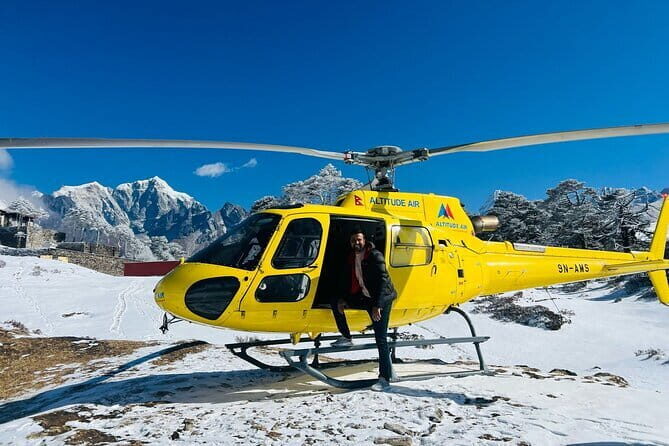
This is not a “sleep in and stroll” kind of trip. Your day begins at 5:30am, and the tour includes private transportation to get you to the domestic airport with minimal fuss. The idea is simple: you want the clearest skies you can get, and you want enough buffer in the schedule for whatever the operation needs on a mountain flight day.
Once you reach the airport area, expect the process to be pretty direct: you’re taken through ticketing and then to the helicopter pad. One thing you’ll appreciate about the way this tour runs is that it’s designed to reduce decision-making on your part. You’re not hunting down gear or scrambling for information at altitude.
If you’re the type who gets stressed by early mornings, plan for that now. I’d rather you show up rested than trying to “power through” a cold, early start.
A few more Kathmandu tours and experiences worth a look

Kathmandu to the Everest region: the first helicopter flight moments
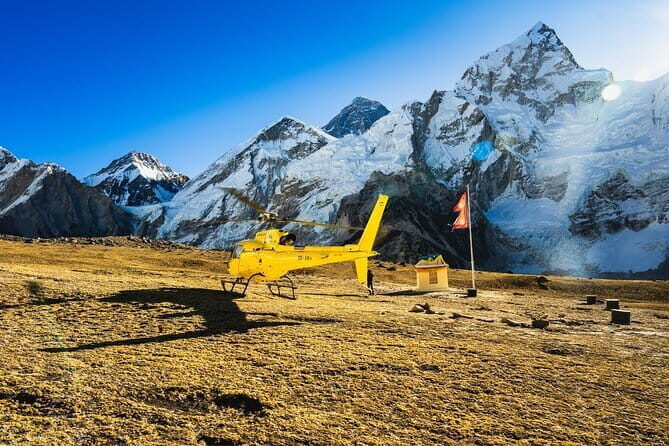
The flight portion is built around a ~5-hour flight time within a total day of about 5 to 6 hours. That’s a long stretch in one seat, so the private helicopter setup matters. Instead of sharing the experience with a crowd, you’re going to be among a small group—max 5 travelers—which typically makes the ride feel more conversational and less like boarding a bus.
As you move away from Kathmandu, you get your first big-picture views of the Himalayas. The route is also timed to give you “layers” of sight: early wide views over the region, then tighter, more iconic angles as you get closer to the Everest area. If you care about photography, this tour gives you multiple chances from different directions, not just one straight pass.
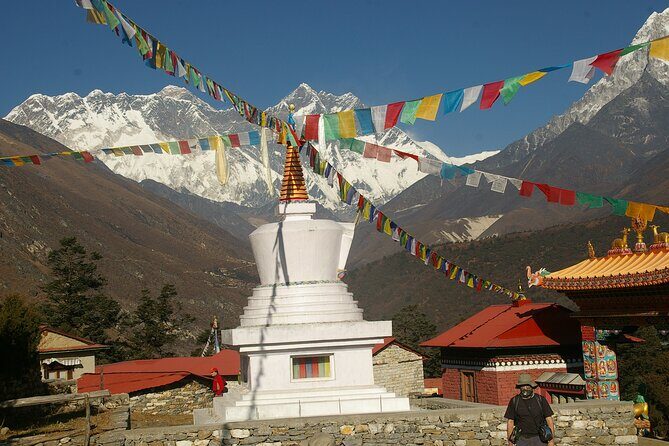
Also, the tour is specifically framed to show you the core Everest skyline: Everest plus neighboring giants like Lhotse and Nuptse. That’s the main reason many non-trekkers choose this option—seeing the correct peaks together, in the same frame, without the logistics of reaching them on foot.
Lukla and the Everest gateway: why that airstrip stop matters
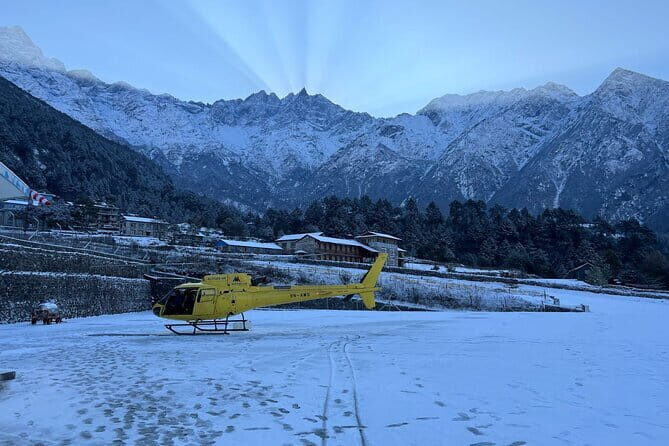
Lukla is called the gateway to the Everest region for a reason, and this tour uses it as a recognizable anchor point. You’ll see Lukla Airport (Tenzing-Hillary Airport) in the schedule, and the experience includes air time before and after the Lukla portion.
Why I think the Lukla stop adds value: it signals you’re in the real Everest travel system. Even if you’re skipping the trek, you still experience the same air approach route many climbers start from. It’s one of those details that turns a helicopter tour from a “nice scenic flight” into an Everest day.
One practical note: on mountain aviation days, there may be a refuel stop depending on conditions. In similar experiences with this route, passengers have described a quick pause at a small mountain-side location to refuel. You shouldn’t count on seeing anything dramatic during the stop, but you should expect the flight plan to flex as needed.
Kala Patthar flyover: the view you came for, minus the slog
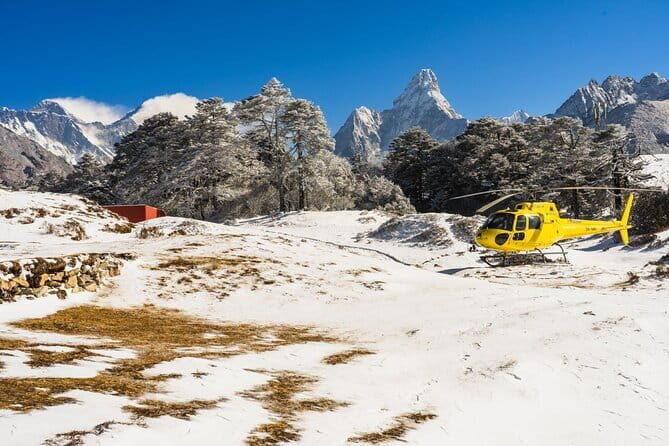
Kala Patthar is famous because it’s one of the best vantage points in the Everest area. In this tour, you get a flyover of Kala Patthar with a view that includes Everest Base Camp from the air. This is the big “shortcut” element: you get the sightlines people chase on multi-day hikes, without the hours of walking at high altitude.
From your seat, this part works well even if the landing portion is short, because the flyover tends to be all about angles—watching the mountain structure change as the helicopter shifts position. You also get a strong sense of how Everest Base Camp sits within the larger Everest basin. That spatial context helps a lot when you later look at photos or try to place what you’re seeing.
A small trade-off: because it’s a flyover, you won’t be standing at the viewpoint yourself. If you need that “I was there at eye level” feeling, the Base Camp landing is what’s meant to give you that.
Everest Base Camp landing and mountain picnic: the real payoff
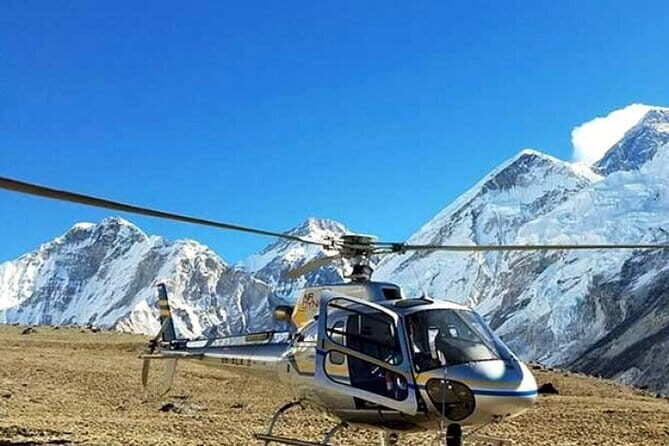
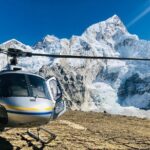
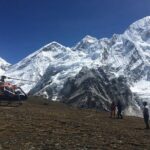
The highlight here is the landing at Everest Base Camp—a rare moment that turns this from a sightseeing circuit into a true altitude experience. The tour description also includes a gourmet mountain picnic, so you’re not just stepping out for a photo and rushing back in.
Here’s why I think this matters for you: base camp is the whole reason most people dream about Everest in the first place. The area has a built-in meaning, even if you’re not trekking there. Landing gives you a sense of arrival—the ground under your boots, even briefly. And the picnic turns that arrival into something you actually do, not just something you witness.
What to consider: it’s high altitude, and your time outside may feel short and efficient. The tour takes safety seriously, and you’ll want to respect that. If you’re sensitive to cold or altitude effects, this is one of those days where you shouldn’t push your limits.





Syangboche and the Everest View Hotel stop: a classic Everest pause
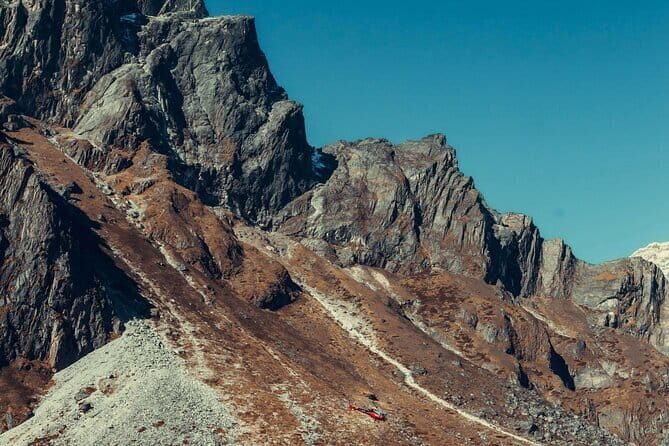
After the big Everest-region moments, the tour includes a touchdown at Syangboche (described as the gateway area), followed by time connected to the Everest View Hotel. This stop functions like a breather between the intense view moments.
Even if you aren’t staying at the hotel, the value is that you get a “real place” stop rather than only airport-to-helicopter movement. It’s the kind of pause that helps you process what you just saw. If you’re the type who tends to rush through experiences, this segment helps slow things down.
There’s also a useful reality check here: your body is still at altitude exposure during this whole day. A short guided transfer through an established hotel area gives you a chance to reset before the later segments of the route.
Lukla again, then back to Kathmandu: closing the loop
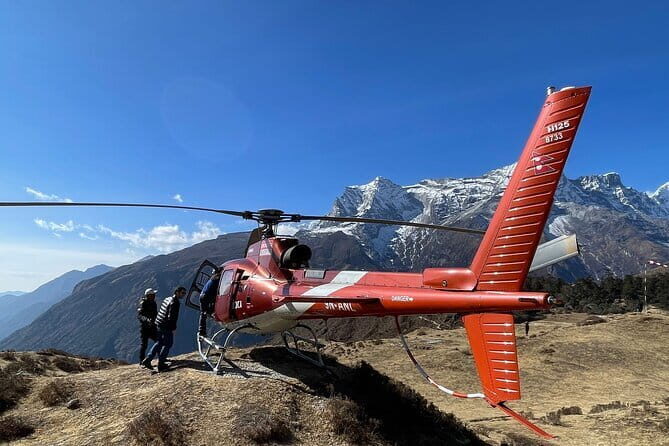
Lukla isn’t just a starting logo. The schedule includes another Lukla touchpoint tied to the return segment. From the way this tour is planned, the last flight segment includes a shift back toward the Kathmandu side, with one more set of Everest-region views along the way.
This “closing loop” matters because you get to see the mountains again as you leave. You’re not staring at Everest only once. You’re seeing how it looks as you fly away, which helps your brain lock onto the shape of the range.
And yes, this tour is built for comfort within the limits of helicopter travel. Your ride back is part of the overall structure, so you’re not doing extra chasing once you’re back on the Kathmandu side of the world.
Price and what you’re paying for at $1,600 per person
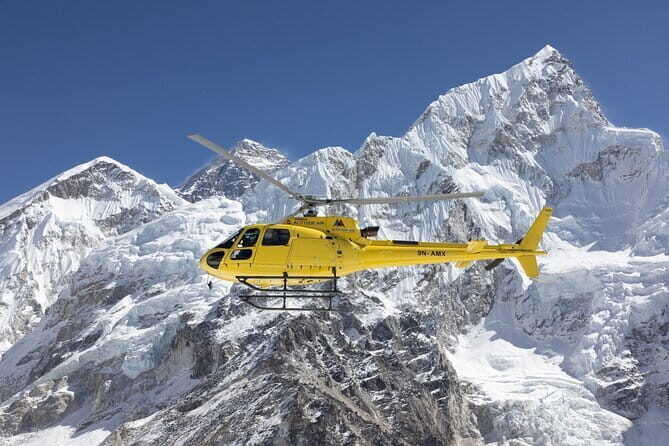
At $1,600 per person, this is premium travel. The key question isn’t the number—it’s what you actually get for it.
You’re paying for:
- a private helicopter experience (not a shared bus of passengers)
- landing at Everest Base Camp
- multiple high-demand viewing components (Kala Patthar area flyover and Lukla segments)
- included health monitoring tools like an oximeter
- included safety gear service fees (oxygen tank and first-aid kit)
You’re also paying for time. In one day, you get a high-altitude taste that would take trekkers multiple days (and a lot of personal effort) to approximate. If you’re short on time in Nepal or your fitness plan doesn’t include a trek, this helicopter version can make sense despite the cost.
What’s not included also affects value. You’ll likely need to budget for:
- Sagarmatha National Park permit fees (listed as $45 per person)
- airport tax at Tribhuvan International Airport ($7 per person)
- breakfast ($35) if you want it
- travel insurance (not included)
So the smartest move is to treat the sticker price as a starting point, then pencil in the permits/taxes and any meals.
One more booking reality: the tour is commonly reserved about 49 days in advance, so if your dates are fixed, don’t wait until the last moment.
Safety and comfort: oxygen monitoring and passenger coverage
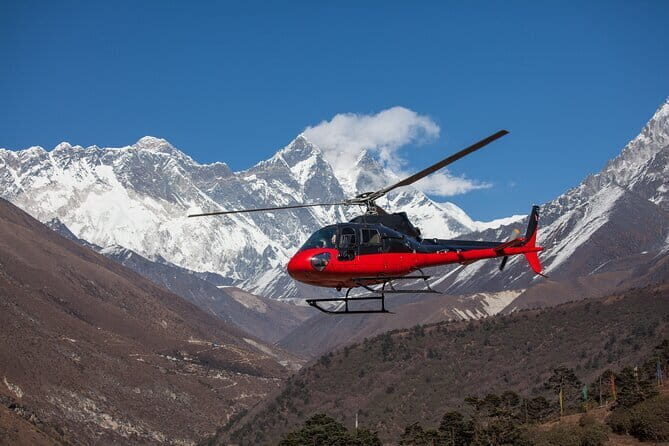
This operator lists safety tools and medical monitoring as part of the included experience. That’s a big deal on an Everest-region day where even small health issues can snowball.
Included safety items:
- Helicopter insurance that covers passengers too
- oxygen tank and first-aid kit service fees
- an oximeter to check pulse, oxygen saturation, and heart rate
Even if you feel fine, I like that this tour doesn’t treat health monitoring as optional. At high altitude, numbers help guide decisions.
There’s also a weight guideline you should plan around: total weight per passenger is 207 lbs. If you’re over 100kg, the tour notes you may need to pay extra. If you’re close to that line, confirm before booking so you aren’t surprised later.
The small-group max of 5 travelers also matters here. In a crowded helicopter, stress rises. In a smaller group, you’re less likely to feel “trapped” in a chaotic environment.
Who should book this helicopter Everest day, and who shouldn’t
This tour makes the most sense if you:
- want Everest Base Camp landing but don’t want a multi-day trek
- have limited time in Nepal
- prefer a small-group, guided, structured day
- value safety monitoring and medical readiness tools
It may not fit as well if you:
- hate early mornings (5:30am start is non-negotiable)
- want a slow, unhurried mountain experience with lots of wandering (this is a flight day with short on-ground moments)
- don’t deal well with weather uncertainty, since the experience requires good weather
Also, the tour mentions travelers should have moderate physical fitness. That’s less about endurance and more about being able to handle altitude exposure and a helicopter-day schedule comfortably.
Weather, timing, and how to prepare like a pro
Because this experience requires good weather, you should treat your travel calendar with flexibility if possible. The tour also states that if it’s canceled due to poor weather, you’ll be offered a different date or a full refund.
Your best preparation is practical:
- plan for an early wake-up and cold morning start
- bring layers you can handle quickly (high altitude temps can shift fast)
- if you’re prone to altitude discomfort, plan your day around calm pacing rather than rushing
If you’re taking medications, keep them easy to access. Helicopter days don’t have the time for complicated reruns.
And because breakfast is not included (but available for $35), decide ahead of time whether you’ll eat before pickup or purchase breakfast through the tour day plan.
Should you book the Everest Base Camp helicopter landing tour?
If your priority is seeing Everest without the trek—and you specifically want an actual landing at Everest Base Camp—this is the kind of day trip that can justify its high price. The inclusion of oximeter monitoring plus oxygen and first-aid readiness is also reassuring, and the small group size helps keep the experience focused on the views.
But don’t book it as a gamble if you can’t handle weather changes. Book it with realistic expectations: the schedule is designed for clear conditions, and nature runs the final word.
If your Nepal itinerary can flex by a day, and you’re ready to trade hiking effort for helicopter time, then yes—this is a very strong way to experience Everest’s “front door” in a single day.
FAQ
What time does the tour start?
The start time is 5:30am.
Where do I redeem my ticket?
The ticket redemption point is Hotel Everest View, Lukla – Shyangboche Marg, Khumjung 56000, Nepal.
How long is the Everest Base Camp helicopter tour with landing?
It runs about 5 to 6 hours total, with approximately 5 hours of flight time.
Is this tour private?
Yes. The private helicopter ride is described as up to 5 people per ride.
What is included in the price?
Included items are private transportation, helicopter insurance (covering passengers too), service fees for the oxygen tank and first-aid kit, an oximeter to check pulse/oxygen saturation/heart rate, and the private helicopter ride to Everest Base Camp and flight back to Kathmandu.
What is not included?
Not included: breakfast (listed as $35), travel insurance, and Sagarmatha National Park permits (listed as $45 per person), plus airport tax at Tribhuvan International Airport ($7 per person).
Is breakfast included?
No. Breakfast costs $35.
Do I need a permit for Sagarmatha National Park?
The permit cost is listed as $45 per person and is not included, so you should plan for it.
Is travel insurance included?
No, travel insurance is not included.
Can I get a refund if the weather is poor?
The experience requires good weather. If it’s canceled due to poor weather, you’ll be offered a different date or a full refund.