REVIEW · KATHMANDU
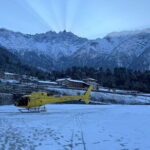
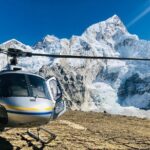
Everest Base Camp Helicopter Tour landing at Everest View Hotel.
Book on Viator →Operated by Eco Holidays Nepal · Bookable on Viator
A short flight, a giant mountain. This Everest Base Camp helicopter experience is built for people who want the Himalaya’s big drama in a half-day window, including a landing at Everest View Hotel. You’ll lift off early, watch Kathmandu give way to hills and rugged peaks, then head into the Everest region.
I especially like the small-group setup (max five passengers). It keeps the cabin quieter and lets you actually enjoy the views instead of playing elbow-tag with strangers. I also appreciate the included airport transfers in Kathmandu, because early-morning logistics are the last thing you want to wrestle with.
The one thing to think about is the early start and the cost: you’re paying a premium for speed, and the whole plan depends on good weather. If the weather turns, your schedule can shift.
In This Review
- Key things that make this helicopter tour worth your time
- Why this Everest Base Camp helicopter landing at Everest View Hotel matters
- Price and logistics: what you’re really paying for ($1,985 and the fine print)
- The 5:15 am start: how early-morning transfers change your experience
- From Kathmandu to the Everest region: what you see on the way up
- The highlight segment: flight time around Base Camp and Kalapathar
- Stop at the Everest Base Camp Trail: a taste without the trek
- Everest View Hotel breakfast break: why this landing is more than a souvenir stop
- Who this small-group Everest Base Camp helicopter tour fits best
- Weather and weight: the two real constraints you should plan around
- Real talk on value: how to decide if it’s worth paying for
- Should you book this Everest Base Camp helicopter tour to Everest View Hotel?
- FAQ
- What time does the Everest Base Camp helicopter tour start?
- How long is the tour overall?
- How much of that is actual flight time?
- How many passengers are in the group?
- Is airport pickup or transfers included in Kathmandu?
- What happens at Everest View Hotel?
- Is breakfast included in the price?
- Are there any extra fees I should budget for?
- What is the weight limit per passenger?
- FAQ
- What is the cancellation policy if weather stops the tour?
Key things that make this helicopter tour worth your time
- Max five passengers makes the trip feel personal, not packed.
- Everest View Hotel landing gives you more than just a flyby screenshot.
- Three hours of flight time is substantial for an easy, no-trekking day.
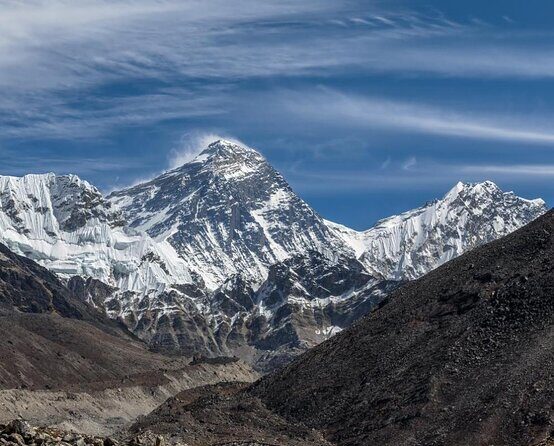
- Circling Base Camp and Kalapathar helps you see Everest from the angles most people never get.
- Short time on the ground (including a quick Base Camp Trail stop) fits tight itineraries.
- Insurance included, so you’re not going in completely uncovered.
Why this Everest Base Camp helicopter landing at Everest View Hotel matters
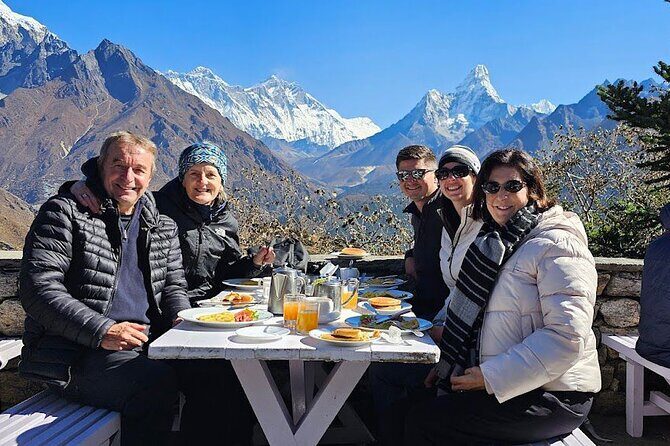
Most Everest helicopter rides do one thing well: they get you flying fast. This one adds a second payoff—the aircraft lands at Everest View Hotel after the Base Camp–area portion. That means you get a real pause in the day, instead of racing from the hotel to the airport and right back again.
Everest View Hotel is also a practical staging point. After you land, you’re not just staring out a window from the sky—you can actually orient yourself and explore around the area while you have time on the ground. Even the short stop is useful because it turns the flight into a mini-experience, not just a transport service.
And there’s another quiet advantage: landing at the hotel can reduce the feeling that you’re stuck waiting in limbo. You’re moving through the day with clear beats—fly up, see the region, land, take a break, then head back.
A few more Kathmandu tours and experiences worth a look

Price and logistics: what you’re really paying for ($1,985 and the fine print)
At $1,985 per person, this isn’t a budget-friendly way to see Everest. But here’s the fair way to judge it: you’re paying for time and access. You skip days (or weeks) of trekking to reach vantage points near Everest Base Camp. You also get a helicopter flight time of about three hours, which is a lot of airborne sightseeing for a single half-day outing.
What’s included:
- Helicopter ride
- Airport drop by private vehicles
- Insurance for travelers
- Mobile ticket
- Flight experience duration listed as about 4 to 5 hours total (including ground time)
What you should expect to pay extra:
- Breakfast (not included)
- National Park fee (you pay)
- Airport tax (you pay)
- Drinks (not included)
Those extras aren’t unusual in Nepal, but they do change the real out-of-pocket number. If you’re doing this, I’d plan a little buffer for the national park fee and airport tax so you don’t get surprised at the last moment.
Also note the weight limit: the tour lists 198 lbs per passenger. That matters because helicopter seating is about capacity and balance. If you’re close to that number, it’s worth double-checking early so there’s no stress later.
The 5:15 am start: how early-morning transfers change your experience
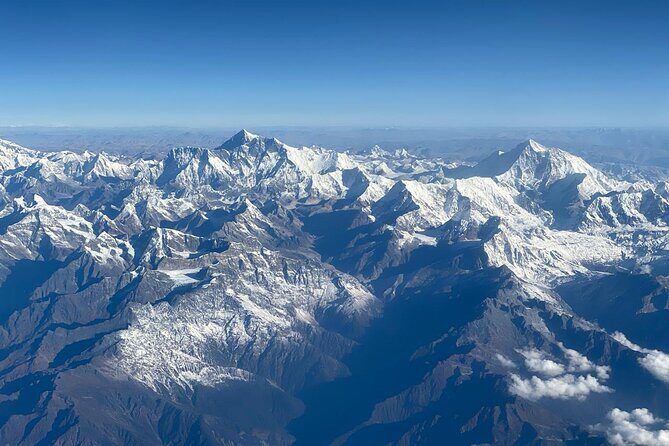
The tour start time is 5:15 am. That’s early enough that it will feel like a different day starts before you’ve properly finished the previous one.
Here’s why that start time can still be worth it. The flight takes you out of Kathmandu and toward higher terrain while daylight is fresh. Clear visibility is everything for this kind of sightseeing, and in mountainous regions, weather can change fast. Starting early is a simple way to give the day the best chance.
The tour info also indicates that airport transfers in Kathmandu are included (and pickup is offered). In practice, that means you’re not trying to coordinate your own ride in the dark. I like that because the early part of Everest plans is where people lose time and patience.
One more practical tip: keep your morning simple. Bring what you’ll actually use in the cabin, and avoid packing so much that you’re still fighting your bag when it’s time to move.
From Kathmandu to the Everest region: what you see on the way up
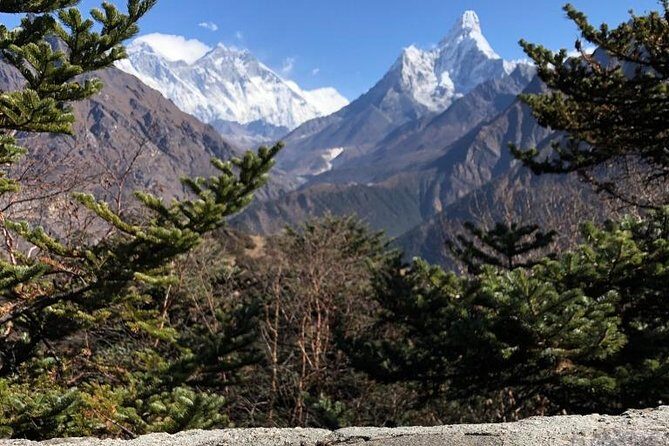
Once you lift off, you’ll see Kathmandu Valley spread out behind you—urban area, then hills and farmland as the helicopter climbs. This is one of those details that sounds minor until you’re actually watching from above.
The transition matters because it sets expectations. Everest doesn’t look like a postcard mountain from ground level. From the air, you see the terrain step upward: farmland turns to rougher ground, and the peaks grow higher as you approach. It’s a visual progression that makes the final views feel earned.
Then, as you get closer to Mount Everest, the peaks become part of the same view frame. That’s when the “big mountains everywhere” feeling kicks in—exactly what makes this tour for people who don’t want to trek but still want the real scale.
The highlight segment: flight time around Base Camp and Kalapathar
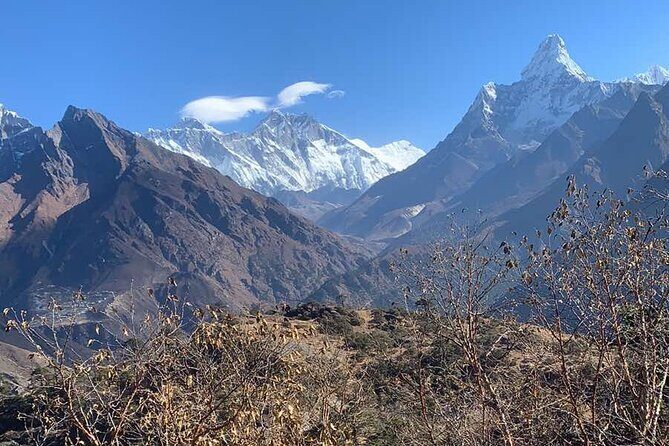
The flight portion is listed as about 3 hours total, with an “over sky” sightseeing experience focused around Everest Base Camp and Kalapathar. This is key. Kalapathar is famous for vantage points, and the helicopter route is designed to give you sightlines toward Everest and nearby high peaks without you hiking to them.
From the Pheriche side, the flight lines up so you can see the world’s highest mountain Everest, along with other 8000m peaks such as Nuptse, Choyu, and Lhotse. Even if you’re not a hardcore peak-bagger, knowing those names helps you read what you’re seeing. You’re not just looking at a wall of rock; you’re looking at distinct summits that stack into the horizon.
One practical note: helicopter viewing is time-efficient but fast. Expect that you may have short moments where clouds, angle, or slight movement changes what you can identify. I’d keep your phone ready, but also spend some time just looking without screen-watching. The view is the point.




Stop at the Everest Base Camp Trail: a taste without the trek
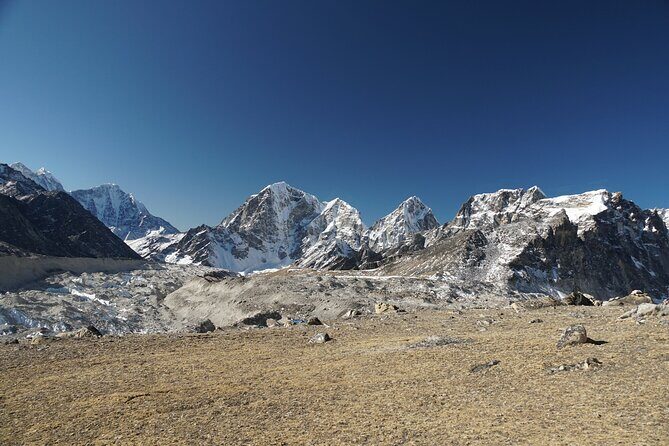
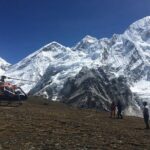
After the sightseeing flight, the itinerary includes a stop at Everest Base Camp Trail for about 20 minutes, and the admission ticket for that stop is listed as free.
Twenty minutes won’t replace trekking. If you want time to walk, stop for photos every ten steps, and soak in the atmosphere, a helicopter stop is brief by design.
But it’s a smart trade if your priorities are:
- seeing Base Camp from the best possible vantage (from above and then briefly on the ground)
- keeping the day short
- fitting Everest into a tight Kathmandu itinerary
There’s also a nuance here. Even though this stop is listed with free admission, the tour does note that the National Park fee is paid by the guest. So plan on paying that separately if required at the relevant time.
The benefit of the short on-ground stop is that it lets you do something other than sit in a helicopter. You get a quick connection to the idea of Base Camp, before you’re back in flight and on your way to the hotel landing.
Everest View Hotel breakfast break: why this landing is more than a souvenir stop
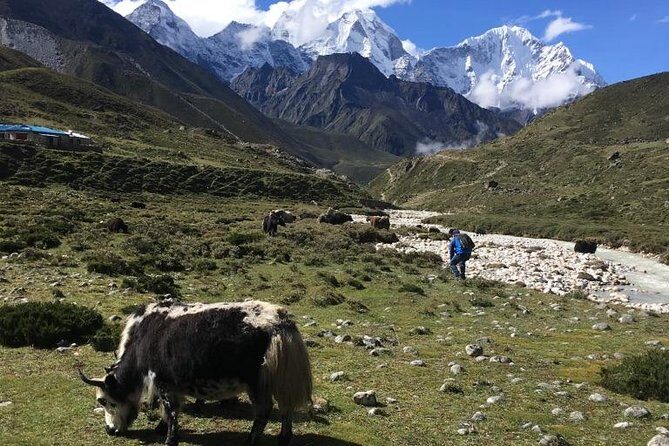
After your “over sky” segment, the helicopter lands at Everest View Hotel. The stop is listed at about 40 minutes, and the tour notes breakfast there—while breakfast itself is marked as not included in the price.
So what can you actually expect from this hotel landing?
- A chance to reset mentally after the flight
- A place to orient yourself with real surroundings
- Time to explore around the hotel area (within the limits of the schedule)
This part is valuable because it breaks the experience into two modes: aerial panorama first, then a short ground moment. That combination often feels more satisfying than purely flying past and leaving immediately.
Also, having a defined stop means you’re not stuck guessing when the tour will turn back. You’ll fly back to Kathmandu after the hotel timing, which keeps the day structured.
Who this small-group Everest Base Camp helicopter tour fits best
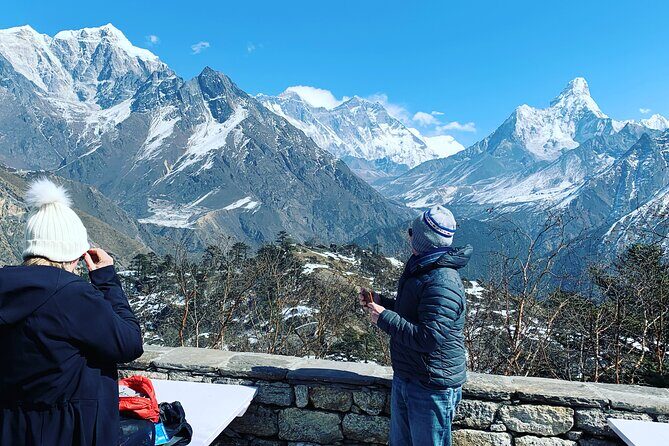
This is built for travelers who:
- don’t have time to trek all the way to Everest Base Camp
- want a high-impact experience without committing multiple weeks
- are in Kathmandu and need an Everest moment that fits a half-day window
- prefer a smaller group setting (max five passengers)
It also works well for couples or solo travelers who don’t want the stress of big group tours. The cabin size matters when you’re dealing with early morning and a lot of anticipation. Smaller is calmer.
If you’re traveling with people who get altitude fatigue or have limited mobility for trekking, this type of flight can be a practical compromise. It doesn’t replace trekking, but it can still deliver the awe.
Weather and weight: the two real constraints you should plan around
This tour requires good weather. That’s not a small footnote—it’s the difference between going to plan and having your day adjusted.
Here’s what you can do before you go:
- Aim for a flexible day in Kathmandu if your schedule allows
- Don’t lock yourself into other early-morning commitments the same day
- Keep your expectations realistic: mountain weather isn’t negotiable
The tour information also lists a total weight per passenger of 198 lbs. Helicopters have strict capacity rules, and this one is explicit. If you’re near the limit, confirm in advance so the experience stays smooth.
Finally, note what’s not included: drinks and breakfast. The flight is short enough that hydration still matters, so I’d make sure you’re prepared with what you’ll need based on your own preferences (within whatever the tour allows).
Real talk on value: how to decide if it’s worth paying for
If you’re trying to decide whether this is worth the money, use this logic:
You’ll love it if:
- you want Everest views fast
- you want the Base Camp region plus Kalapathar perspectives
- you like a small-group ride
- you value convenience (included transfers and structured timing)
You might feel disappointed if:
- you want a long hike, a slow pace, or deep time on the ground
- you need a fully included meal and drinks package
- you’re hoping to spend less than a premium helicopter day
It’s also smart to think about opportunity cost. In Nepal, time can be more expensive than cash. If you can’t afford trekking days, this flight can be the only way you’ll get the Everest region experience without sacrificing your broader itinerary.
Should you book this Everest Base Camp helicopter tour to Everest View Hotel?
I’d book it if your main goal is simple: see Everest up close without trekking, and do it in a half-day. The combination of an intimate max five passenger flight, the Base Camp Trail stop, and the landing at Everest View Hotel gives you more than a quick flyby.
I would hesitate only if your schedule can’t handle weather variability, or if you want hours on the ground instead of brief, efficient stops. For the right traveler, it’s one of the most direct ways to turn Kathmandu into an Everest story in a single morning.
If you do book, plan your day to protect the 5:15 am start, budget for the national park fee and airport tax, and keep your weight within the tour’s limit. Then go with a clear mindset: this is about views and access, not trekking length.
FAQ
What time does the Everest Base Camp helicopter tour start?
The start time is listed as 5:15 am.
How long is the tour overall?
Duration is listed as 4 to 5 hours (approx.).
How much of that is actual flight time?
The flight time is listed as about 3 hours.
How many passengers are in the group?
The tour has a maximum of 5 travelers, so it’s small-group by design.
Is airport pickup or transfers included in Kathmandu?
Yes. The information states airport transfers in Kathmandu are included, and pickup is offered. It also includes airport drop by private vehicles.
What happens at Everest View Hotel?
After the flight portion, the helicopter lands at Everest View Hotel for about 40 minutes, and breakfast is mentioned as part of the hotel stop (breakfast itself is listed as not included).
Is breakfast included in the price?
No. Breakfast is not included.
Are there any extra fees I should budget for?
Yes. You pay the National Park fee and the airport tax yourself. Drinks are also not included.
What is the weight limit per passenger?
The tour lists a total weight per passenger of 198 lbs.
FAQ
What is the cancellation policy if weather stops the tour?
The tour offers free cancellation if you cancel up to 24 hours in advance for a full refund, and it also requires good weather—if canceled due to poor weather, you’ll be offered a different date or a full refund.