REVIEW · KATHMANDU
14 Days Everest Base Camp Trekking
Book on Viator →Operated by Hiking Himalayas Trek and Expedition Private Day Tours · Bookable on Viator
Everest Base Camp is the kind of goal that changes how you see mountains—and this 14-day trek is built to make the journey practical. I like the Lukla flight start (a real jump-off to the Khumbu) and the English-speaking guide and porter support, because it turns a scary-sounding adventure into a step-by-step plan you can actually follow. One consideration: this price doesn’t include your Kathmandu hotel and meals, which adds cost once you arrive.
In This Review
- Clear pacing with acclimatization built in
- Key highlights
- Kathmandu to Lukla: where the trek truly begins
- Lukla to Phakding: Dudh Koshi valley warm-up (Day 2)
- Phakding to Namche Bazar: bridges and Sagarmatha National Park (Day 3)
- Namche rest day plus Everest View Point (Day 4)
- Tyangboche: big Khumbu views and gompa atmosphere (Day 5)
- Dingboche region: crossing toward Pangboche and Ama Dablam views (Day 6)
- Dingboche acclimatization with Tshola Tsho options (Day 7)
- To Lobuche: glacier country begins (Day 8)
- Gorak Shep to Everest Base Camp at 5,364m (Day 9)
- Kala Pathar sunrise views, then down to Pheriche (Day 10)
- Heading back: forests, rhododendron, and the Namche loop (Day 11)
- Final trek to Lukla and a celebration evening (Day 12)
- Lukla back to Kathmandu: time to reset (Day 13)
- Departure day: airport handoff (Day 14)
- Guides, food, and the small details that keep you sane
- What’s included on the trail
- What’s not included (and why it matters for budgeting)
- Price and value: is $1,420 “fair” for Everest?
- Who should book this Everest Base Camp trek?
- Should you book Hiking Himalayas for Everest Base Camp?
- FAQ
- How long is the Everest Base Camp trekking itinerary?
- Where does the trek start in Nepal?
- What is included in the tour price of $1,420?
- What about flights and transfers within the trip?
- Do I need a visa for Nepal?
- Are meals included during the trek?
- Is hot shower included?
- Is travel insurance included?
Clear pacing with acclimatization built in
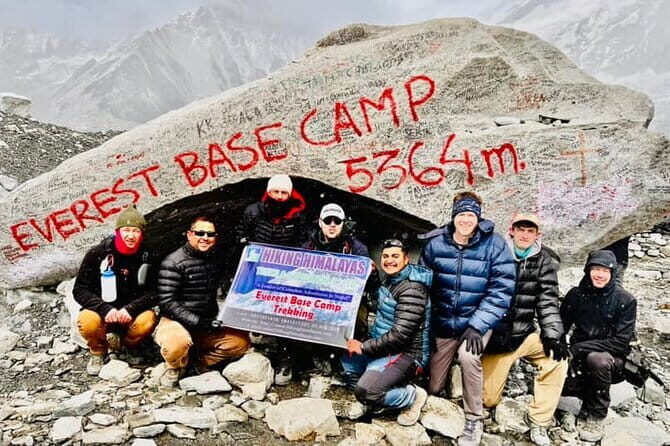
What makes this itinerary feel smart is the rhythm: you go high, pause, then go higher—without pretending altitude is harmless. You get rest days in Namche and Dingboche, plus an early-morning push to Kala Pathar for those signature Everest views, and that pacing is exactly what helps most people keep their energy. The trade-off is time on the trail: expect long trekking days and a physically serious climb overall.
Key highlights
- Lukla-to-Everest logistics handled with round-trip flights plus private transfers in Kathmandu
- Real acclimatization stops in Namche and Dingboche, not just “keep walking” advice
- Everest Base Camp at 5,364m after reaching Gorak Shep and crossing glacier country
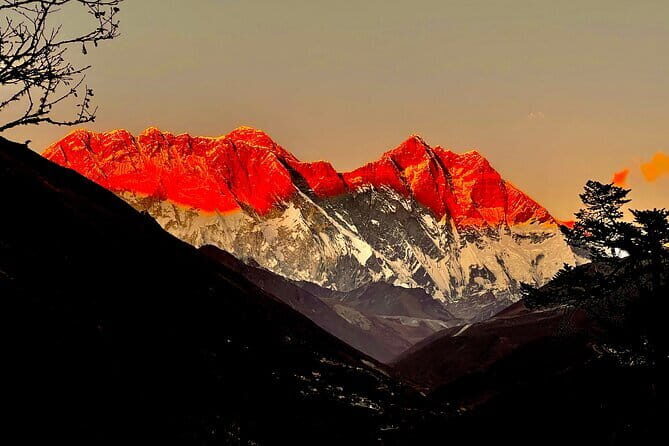
- Kala Pathar sunrise viewing (at 5,565m) for a wide Everest panorama
- Guide-led care with English interpretation and daily planning for pace
- Tea-house trekking included: twin sharing lodges plus breakfast/lunch/dinner on trek days
You can also read our reviews of more hiking tours in Kathmandu


Kathmandu to Lukla: where the trek truly begins
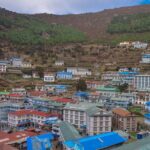
Day 1 is about getting situated in Kathmandu. Even if you’re just arriving or stretching out from travel, this start matters because you’ll be moving early the next morning. The tour includes pickup from your Kathmandu hotel to the domestic airport, which saves time and removes the usual scramble of finding transport.
Then comes the big moment: the flight to Lukla, starting from about 2,850m. The landing at Lukla is famous for a reason—steep runway vibes and fast changes in weather. What I like about this portion is that it gets you into the high country quickly, instead of spending extra days just getting to the start of the trails.
Practical tip: plan to be flexible on timing and energy here. Even when everything runs smoothly, a flight day can make you feel mentally “on,” but physically “flat.” Hydrate, eat something simple, and don’t treat the first trekking day like a fitness test.
Lukla to Phakding: Dudh Koshi valley warm-up (Day 2)
On Day 2, you leave Lukla and trek toward Phakding (around 2,656m) in the Dudh Koshi Valley. The route uses a well-marked trail and includes repeated river crossings on suspension bridges. That means you’ll feel the trekking rhythm early: steady walking, quick views into the valley, and constant change in footing as you cross.
Why this day is valuable: it’s your entry into the Khumbu walking style. You’re high enough to feel the air, but not so high that every step becomes a struggle. It’s also where you’ll get your crew introductions and gear routines down—especially important when you’re relying on a porter system.
Possible drawback: it’s still a full trekking day (about 10 hours). If you’re coming in tired from travel, take the first day slow. Save effort for the acclimatization days later.
Phakding to Namche Bazar: bridges and Sagarmatha National Park (Day 3)
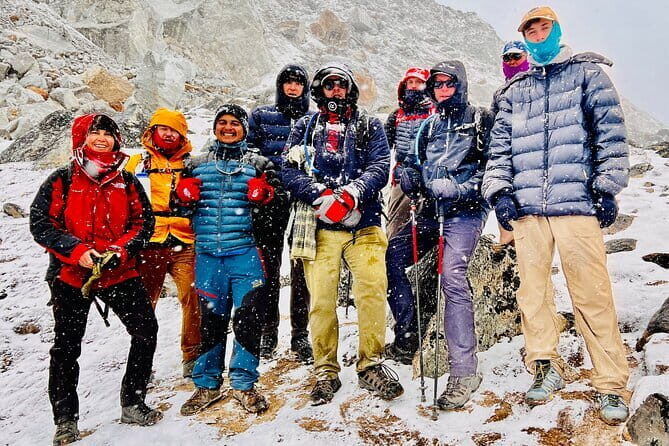
The trek to Namche Bazar is long enough to make it feel like a journey, not a warm-up stroll. You’ll cross and re-cross rivers using high-suspension bridges, and you’ll also pass into the Sagarmatha National Park area near Monjo (about 2,845m). That matters because this trek isn’t just scenery tourism—it’s a protected area where permits and rules are part of the experience.
Namche is where the mountains get real. The town has lodges, tea shops, and lots of practical services—so you’re not just hiking into isolation. It’s a place where you can settle into the routine: eat, rest, and start thinking about altitude strategy.
Value callout: this tour includes permits and essential paperwork as part of the trip, so you’re not stuck figuring out what needs to be carried and when.
Namche rest day plus Everest View Point (Day 4)
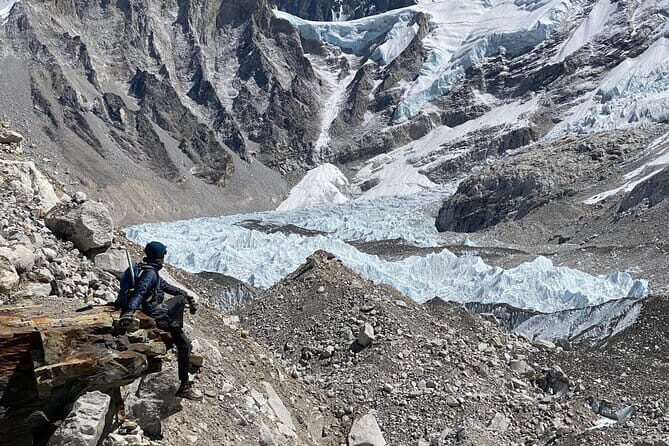
Day 4 is a rest and acclimatization day in Namche. That’s a key feature of this itinerary, and it’s also one of the reasons people tend to do better here. You get time to adjust to sleeping at altitude and to test your body without burning yourself out.
You also go to Everest View Point, which is often the first time many trekkers feel the “scale shock” of Everest and the surrounding giants. You’ll be dealing with thin air, so keep the hike light and steady. The goal is to see and learn your pacing, not to set a personal best.
Here’s the small-but-important point: rest days aren’t wasted. They often determine whether the rest of the trek feels like a climb you manage—or a climb you suffer through.






Tyangboche: big Khumbu views and gompa atmosphere (Day 5)
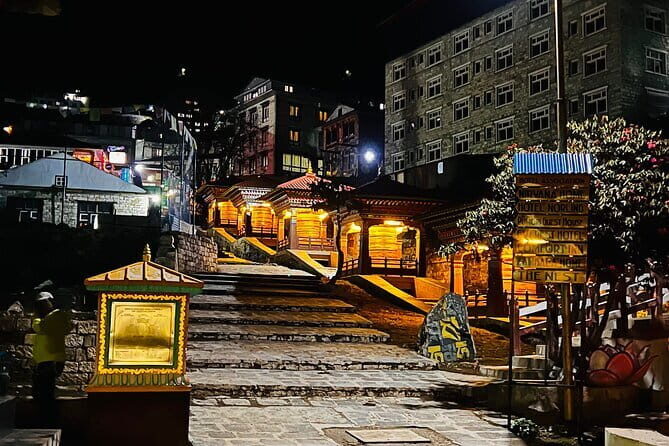
From Namche, you contour along the Dudh Kosi valley side and start getting clearer views of the major peaks. Day 5 focuses on Tyangboche, with standout first “big views” of Everest, Lhotse, Nuptse, and Ama Dablam.
This day can feel like a turning point. After days of forests and valley walking, you start looking up more often, and the mountain faces become harder to ignore. Tyangboche also brings a cultural stop vibe—expect the usual touchpoints of Sherpa life and the calm rhythm of mountain lodges.
Possible drawback: long hours on a day like this can trick you. When the views are good, you’ll want to keep stopping for photos and brief pauses. That’s fine, but don’t let it steal your energy for the next climbs.
Dingboche region: crossing toward Pangboche and Ama Dablam views (Day 6)
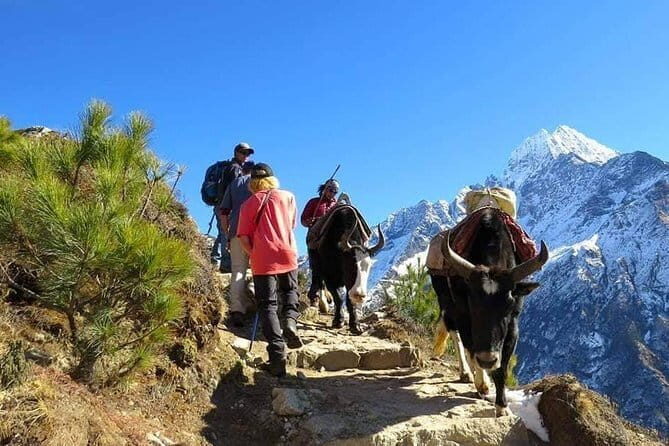
Day 6 moves you toward the Pangboche area (about 3,985m) with exceptional Ama Dablam views. The route descends through forest, crosses the Imja Khola, then climbs steadily to villages where the mountain presence becomes even more focused. Your final overnight is described as Dingboche (a high village in the 4,000m range).
Even if the exact village order is a little fluid day to day, the experience is consistent: you leave lower forest scenery and step into a more open, colder-feeling zone where the mountains dominate the horizon.
Why this matters: as altitude climbs, being mentally prepared makes a big difference. You’re not just moving up—you’re shifting into a different kind of trekking day.
Dingboche acclimatization with Tshola Tsho options (Day 7)
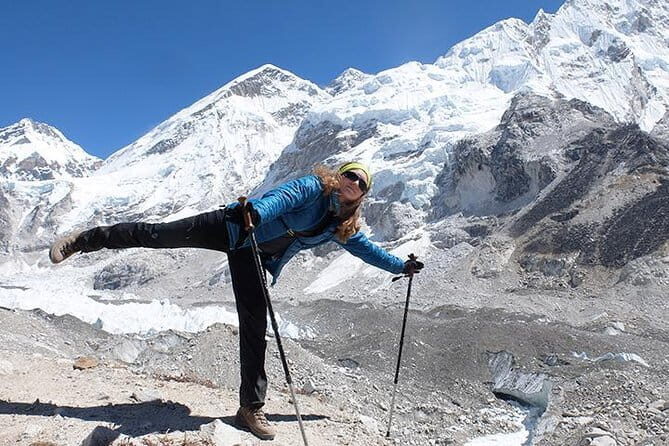
Day 7 is your second rest and acclimatization day, this time in Dingboche. You’ll have time to wander up the valley toward Tshola Tsho (around 4,510m) and enjoy the way the peaks look from this angle, including strong views toward Cholatse and Taboche.
There’s also an option to climb to Nagarjun (about 5,100m). The idea isn’t to force effort. It’s to help your body learn how it feels higher up while still sleeping at Dingboche.
This is where I think the best trekkers shine: they treat acclimatization like training, not like a break from doing the right things. Drink, eat, keep warm, and don’t race uphill just because you feel okay.
To Lobuche: glacier country begins (Day 8)
Day 8 heads toward Lobuche, continuing up the valley under Cholatse and Tawache. You’ll turn and take a steep climb toward the Khumbu Glacier area, and there’s mention of a good lunch stop at Duglha (about 4,620m).
This is the day where the trekking feeling changes. Glacier terrain has a visual intensity—ice, crevasse scenery, and a more stark atmosphere. Even when your body is coping, the environment asks for attention.
Practical point: keep your steps purposeful on steeper sections. You don’t need to sprint; you need good rhythm and stability. Your porter support (and the fact that lodges are arranged) helps you keep focus on walking well.
Gorak Shep to Everest Base Camp at 5,364m (Day 9)
Day 9 is two parts. First, you reach Gorak Shep (about 5,164m), following the Khumbu Glacier for strong mountain views. The route includes a forced rise to cross a tributary glacier, which is one of those “this is the real deal” moments.
Then you push higher to Everest Base Camp (about 5,364m) later in the day. The itinerary describes it as roughly a 5-hour trek to Base Camp, with the afternoon route weaving through ice pinnacles and past crevasses. On the return, you may take a higher route for extra views.
This is the headline day, but I’ll give you a sober expectation: at this altitude, the distance feels longer than it should. It’s not about fitness alone—it’s about oxygen, cold, and how your body handles exertion.
The upside: you’ll feel like you’re walking at the edge of the world, even if you’ve seen Everest photos a hundred times before.
Kala Pathar sunrise views, then down to Pheriche (Day 10)
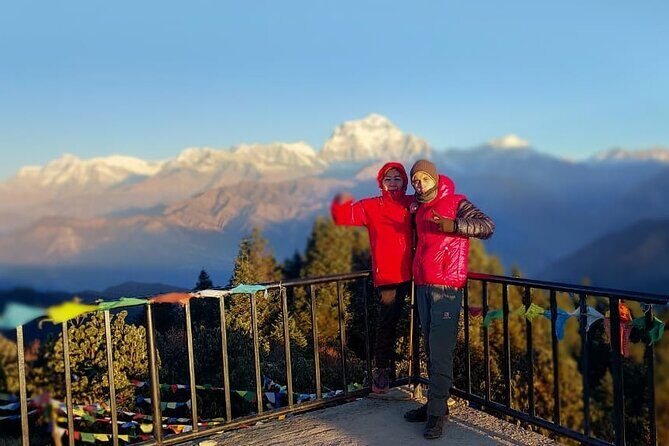
Day 10 starts early with a hike to Kala Pathar (about 5,565m), described as one of the finest Everest viewpoints. The itinerary lists views of Nuptse, Amadablam, Pumari, Lola, Lhumbute, and more.
This is a key moment because Kala Pathar often gives the wider “panoramic Everest” feeling—less “one peak,” more “whole system of giants.”
After that, the day is mostly downhill, retracing steps back toward Duglha and descending to Pheriche. That downhill piece matters. It gives your legs a break and helps you start recovering for the return trek.
If you feel tired after Kala Pathar, don’t panic. That’s normal. Just keep moving carefully. The mountains may be quieter on the way down, but the footing still deserves respect.
Heading back: forests, rhododendron, and the Namche loop (Day 11)
Day 11 continues the return trek, crossing and climbing back through birch and rhododendron forest toward Tengboche (around 3,860m). The itinerary then leads back toward Namche Bazar for the night.
You get a shift in both temperature and experience. After several high, stark days, forest sections feel warmer and more forgiving. It also helps psychologically: you’re reminded you’re not just going up and up—there’s a way back down that still offers variety.
This day is about steady progress. Don’t count on “I’m excited now, so it’ll be easy.” Keep your effort consistent.
Final trek to Lukla and a celebration evening (Day 12)
Day 12 is the last long trekking day: you follow the Dudh Kosi down to Lukla (around 2,800m). The itinerary calls out a celebration evening with a Sherpa guide on your final mountain night.
I like that this tour doesn’t treat the end as just logistics. It gives you a chance to digest what you’ve done. After long days of cold air and thin breathing, that emotional decompression matters.
Possible drawback: even when it’s mostly downhill, your body can still feel beat up. Plan to keep your pack light and your steps controlled.
Lukla back to Kathmandu: time to reset (Day 13)
Day 13 flies from Lukla back to Kathmandu. Once you land, the rest of your day is free. That freedom is useful because it lets you handle real needs: rest, shower, and basic city tasks like shopping or packing.
One catch: the tour price doesn’t include Kathmandu accommodations or meals. So this is where you’ll feel the difference between “trek package price” and “full trip cost.” If you budget only for the trek, you’ll feel surprised. If you plan for it, you’ll feel relaxed.
Departure day: airport handoff (Day 14)
Day 14 is straightforward: your Nepalese support team takes you to Tribhuvan International Airport for your flight home. After a month of planning in your head, it’s nice to have a clean finish.
Guides, food, and the small details that keep you sane
One reason this trek earns such strong scores is how the support is described: an experienced English-speaking guide, calm daily planning, and porter help that keeps you from dragging the whole load yourself. Past trekkers have highlighted guides such as Hari, Kapil, and Namo, and porters including Ram and Mongol. The names aren’t the point—the point is that you’re not doing this alone.
What’s included on the trail
- Best available twin sharing lodges during the trek
- Meals included: 11 lunches, 11 dinners, and 13 breakfasts (as listed)
- Seasonal fruits during the trek
- Essential porter support (noted as 1 porter per 2 trekkers)
- Trekking map and a trip achievement certificate
- First aid medical kit
That meal and lodge setup can sound basic, but at Everest Base Camp altitudes, basic becomes lifesaving. It reduces decisions. It also means your guide can focus on altitude pacing and route timing instead of hunting down supplies mid-trek.
What’s not included (and why it matters for budgeting)
- Kathmandu hotel and meals: listed as $45 per day
- Travel insurance
- Visa: $40 for 30 days, obtained on arrival
- Drinks/snacks/personal expenses
- Hot shower during trek: $5 per person
- Personal trekking equipment
- Tips and gratuities for staff and drivers
If you want the smoothest experience, treat tips and hot showers as part of your comfort budget. If you arrive with “everything should be included,” you’ll feel friction.
Price and value: is $1,420 “fair” for Everest?
At $1,420, the value largely comes from what’s bundled. This isn’t just a guide telling you where to walk. You’re also getting:
- Round-trip flights between Kathmandu and Lukla (with departure taxes)
- Private vehicle transfers in Kathmandu around the domestic airport
- Lodge-to-lodge trekking support
- Permits handled
- Guide + porter staffing
- Most meals covered during the trek
To judge whether this is a good deal, compare your likely “DIY costs.” The biggest budget hitters are domestic flights, permits, and having reliable staffing lined up. Once those are in place, the per-day hiking cost becomes more reasonable.
So the real question isn’t just the $1,420 number. It’s your total trip budget including Kathmandu and Kathmandu extras. If you budget for the $45/day Kathmandu portion and plan for visa and insurance, the trek cost starts to look more balanced.
Who should book this Everest Base Camp trek?
This trek fits best if you want:
- A private group experience with a guide and porter system
- An itinerary with acclimatization built in (rest days in Namche and Dingboche, plus Kala Pathar)
- Support that helps you focus on walking, not paperwork
You might think twice if:
- You’re looking for a lightweight trip. This is 14 days with multiple ~10-hour walking days.
- You hate early mornings and high-altitude exertion. The schedule has early starts, especially around Kala Pathar.
If you have solid fitness and you respect altitude (slow pace, warm layers, hydrate), you’ll likely find this itinerary gives you the best chance to reach Base Camp and enjoy it.
Should you book Hiking Himalayas for Everest Base Camp?
I’d book this if you want a well-run trek where logistics are handled, permits are taken care of, and you’re traveling with real human support—especially an English guide plus a porter ratio that keeps the load manageable. The long-term value is the pacing: rest days where they matter and a clear plan to reach Base Camp and then make it back safely.
Don’t book it if you’re not ready for the extra Kathmandu spending or if you’re hoping for a relaxed “easy hike.” This is a serious trek with high days, cold mornings, and long walking hours.
If you’re on the fence, plan your full budget (including the Kathmandu $45/day estimate and the visa), and double-check your fitness level. Then book with confidence.
FAQ
How long is the Everest Base Camp trekking itinerary?
The trip is listed as 14 days (approx.).
Where does the trek start in Nepal?
The start meeting point is Tribhuvan Airport in Kathmandu, Nepal, with a start time of 6:15 am.
What is included in the tour price of $1,420?
The tour includes round-trip flights Kathmandu–Lukla and Lukla–Kathmandu, private vehicle transfers in Kathmandu, lodge-to-lodge accommodation during the trek, an English-speaking guide, a porter (noted as 1 porter per 2 trekkers), permits, a first aid medical kit, and meals during the trek.
What about flights and transfers within the trip?
You get private vehicle transport between your hotel and the domestic airport, plus domestic flights round-trip between Kathmandu and Lukla.
Do I need a visa for Nepal?
A Nepal entry visa can be obtained at the airport upon arrival for USD 40 for 30 days.
Are meals included during the trek?
Yes. The package lists 11 lunches, 11 dinners, and 13 breakfasts during the trekking days.
Is hot shower included?
No. A hot shower is listed as USD 5 per person.
Is travel insurance included?
No. Travel insurance is not included, and you’ll need to arrange it separately.