REVIEW · KATHMANDU
UNESCO World Heritage Sightseeing Tour in Kathmandu: 1 Day Tour
Book on Viator →Operated by Best Heritage Tours · Bookable on Viator
Kathmandu can feel like a blur. This one-day UNESCO route gives you a focused way to see the big spiritual landmarks—without the stress of figuring it all out. You’ll ride in a private air-conditioned vehicle with a guide, then spend real time at Boudhanath Stupa, Pashupatinath Temple, and Bhaktapur Durbar Square.
Two things I especially like: the no-fuss private format (it’s just your group), and the guide time you get at each stop—enough to understand what you’re looking at instead of just snapping photos and rushing on.
One drawback to plan for: the day is structured, so you won’t have hours of free wandering at each site. Also, meals and bottled water are not included, so bring a small buffer for food and hydration—and confirm entry-fee details, since the tour’s paperwork can sound a bit contradictory.
In This Review
- Key things that make this Kathmandu UNESCO day tour worth your time
- Why Kathmandu’s UNESCO Route Works in One Day
- Starting in Thamel: Quick City Read Without the Headache
- Boudhanath Stupa: Watching Tibetan Devotion in Motion
- Pashupatinath Temple and the Bagmati River: Sacred Hindu Space Up Close
- Bhaktapur Durbar Square: Palace Details You Can Actually See
- Private Vehicle + Certified English Guide: Comfort That Saves Your Day
- Price and What $95 Covers (and What It Doesn’t)
- Practical Tips for a Smooth UNESCO Day in Kathmandu
- Should You Book This UNESCO Kathmandu Tour?
- FAQ
- What UNESCO sites are included on this Kathmandu 1-day tour?
- How long is the tour?
- Is pickup included?
- Are entry fees included?
- What’s not included in the price?
- What’s the weather policy?
Key things that make this Kathmandu UNESCO day tour worth your time
- Private air-conditioned transport that keeps long distances manageable
- English-speaking guide who explains what you’re seeing and why it matters
- Boudhanath Stupa with Tibetan-style pilgrim rhythms and prayer wheels
- Pashupatinath Temple and Bagmati River rituals in a living Hindu sacred space
- Bhaktapur Durbar Square with major palace highlights like the 55-Window Palace
Why Kathmandu’s UNESCO Route Works in One Day
I like a good single-day plan when I’m visiting a city that’s heavy on meaning but light on time. This tour hits three UNESCO-recognized power spots that are different in feel: Buddhist devotion at Boudhanath, Hindu sacred ceremony at Pashupatinath, then Newar royal artistry at Bhaktapur Durbar Square. That contrast helps the whole day make sense, instead of feeling like three random stops.
You also get structure that’s actually useful. The itinerary is timed in blocks—roughly an hour at Boudhanath, two hours at Pashupatinath, and two hours in Bhaktapur—so you’re not stuck in a constant rush. And because it’s private transport with a certified English-speaking guide, you can ask questions when the scene gets confusing (it will).
Value-wise, I think the best part is the pairing of time + explanation. Entry fees are listed as included in the package, but the stop notes mention admission ticket not included, so I’d treat that as a “confirm before you arrive” item. When it works as intended, you pay once and spend the day focusing on the sites.
You can also read our reviews of more historical tours in Kathmandu

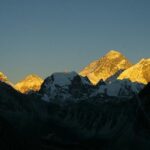
Starting in Thamel: Quick City Read Without the Headache
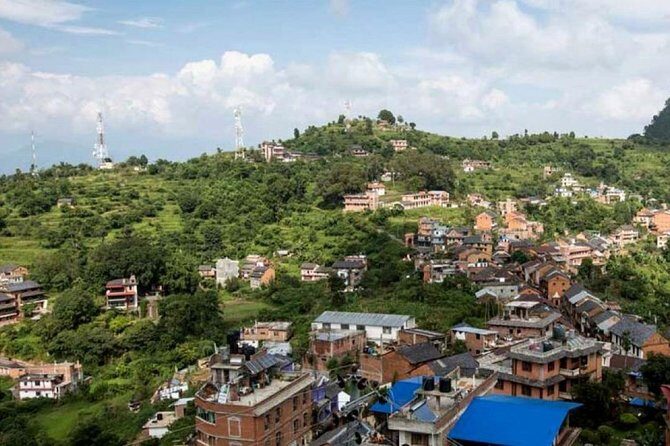
Your day begins with pickup offered around Thamel, the area most visitors use as a base in Kathmandu. From there, you head out to the first UNESCO stop by private car, with early views as you travel. That matters because Kathmandu traffic can wear you down fast. Even when you’re only going a few miles, moving as a scheduled group is easier than piecing together taxis and public transit on your own.
The tour also uses a mobile ticket, which is handy if you don’t want to carry paper everywhere. And since it’s a private activity, it’s not a big group bus experience where you’re always waiting on strangers.
Timing is listed as a start time of 12:15 am. That’s unusual enough that I’d double-check the confirmation message you receive. In practice, Kathmandu tours usually run around midday or afternoon for a “one-day” plan, but you don’t want surprises—especially if you’re planning around a flight or sleep schedule.
Boudhanath Stupa: Watching Tibetan Devotion in Motion
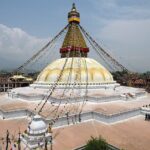
Boudhanath Stupa is one of those places that doesn’t just look old—it feels actively used. You’ll have about one hour here, enough time to settle in, notice patterns, and understand the basic rhythm: pilgrims circumambulate the stupa and operate prayer wheels. It’s not a museum vibe. It’s a living spiritual routine.
What I like most is how your attention shifts. At the beginning, you’re looking at architecture and scale. After a few minutes, you start noticing the human choreography: the spacing of walkers, the way prayer wheels sound and turn, the quiet concentration people carry as they move. Even if you don’t know the details, it’s easy to sense what this place does for devotees.
Practical note: this site involves crowds and people moving in a loop around the stupa. If you like calm photos, come with patience. If you like watching ritual, you’re in the right place. Either way, this stop is a strong “orientation” moment for the day—it sets a Buddhist tone before you move into Hindu sacred space.
Pashupatinath Temple and the Bagmati River: Sacred Hindu Space Up Close
Pashupatinath Temple is where the tour feels most intense and most real. You get about two hours here at a UNESCO World Heritage Site and one of Hinduism’s holiest temples. The architecture is pagoda-style, and the sacred Shiva linga is a focal point.
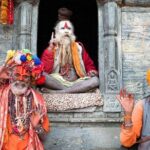
But the main reason this stop lands with people is the setting along the Bagmati River, where Hindu rituals occur and cremation ceremonies take place. This is not a staged performance. It’s part of ongoing religious practice. So yes, it can be emotionally heavy, and it can also be fascinating in a human, culture-forward way—because you’re seeing faith in action, not just worship behind glass.
How to handle it respectfully (and still enjoy it):
- Dress in a way that doesn’t turn heads at a sacred site.
- Keep your focus on what’s happening around the temple spaces rather than trying to “collect” dramatic shots.
- Expect that you’ll need to pause more often than usual. It’s a place where rushing can feel wrong.
Also, photography rules can vary at religious sites, and the tour data doesn’t list specifics. I’d watch what others do, and if you’re unsure, wait. The goal is to witness, not disrupt.
Bhaktapur Durbar Square: Palace Details You Can Actually See
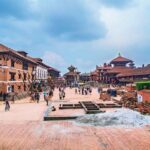
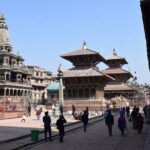
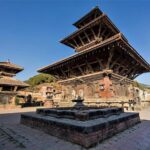
After the emotional intensity of Pashupatinath, Bhaktapur Durbar Square brings you back to artistry and craftsmanship. You’ll spend about two hours here at a historic palace complex with famous gates and carved temples.
The highlight is the 55-Window Palace, a striking reminder of how elaborate Newar architecture can be. You’ll also find intricately carved temples and statues, plus the Lion Gate and Golden Gate. Even if you’re not an architecture super-nerd, these features are legible: you can stand back, look, and understand that this is made for beauty and symbolism, not just function.
One of the underrated benefits of the Bhaktapur stop is the pacing. You have time to move between structures without feeling like your guide is shoving you forward every 30 seconds. And if you enjoy slow-looking—watching how people move through the square, noticing how art lines up with entrances and courtyards—this is where your brain finally gets to relax.
The drawback: if you’re short on energy, Bhaktapur’s walking and standing can add up. Wear comfortable shoes. You’ll thank yourself later.
A few more Kathmandu tours and experiences worth a look

Private Vehicle + Certified English Guide: Comfort That Saves Your Day
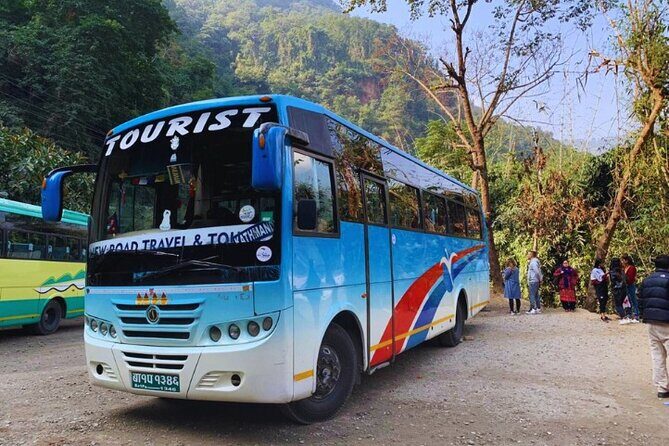
This tour is built around a private air-conditioned vehicle, which is a big deal in Kathmandu. Travel between UNESCO sites isn’t just distance—it’s time, traffic, and stops. Having your own car means less friction and fewer “where are we meeting?” moments.
I also like the guide setup. You’ll have a certified English-speaking guide from Best Heritage Tours. Names from past experiences with this company include Bimal Dhamala, who gets praised for being friendly and for explaining things carefully—even when English isn’t someone’s first language. That matters because Kathmandu’s sacred sites have layers. If you get even a simple framework for what you’re seeing, the whole day clicks.
Because it’s private, you can usually move at your group’s pace, ask questions, and pause when something grabs your attention. That’s the kind of freedom that makes a day tour feel more like a guided experience and less like a checklist.
Price and What $95 Covers (and What It Doesn’t)
At $95 per person, this tour sits in a reasonable range for a private Kathmandu day with a guide and transport. The value improves if you’re pairing multiple UNESCO sites in one outing, since local getting-around can quietly eat your budget if you’re paying for drivers or multiple taxi rides.
What’s included:
- Private land transportation in an air-conditioned tourist vehicle
- Certified English-speaking guide
- Entry fees for temples, parks, monasteries, and cultural/historical sites are listed as included
- Ground support (drivers/assistants) and admin/government taxes
What’s not included:
- Meals (breakfast, lunch, dinner)
- Beverages, including bottled and boiled water
- Gratuities (tipping is customary)
Here’s my practical advice: budget for lunch and extra water, and plan for small costs even if the core tour feels “all-in.” Also, because one part of the tour description says admission tickets aren’t included while another part says entry fees are included, confirm entry-fee handling in your confirmation message. It’s a five-minute check that prevents a stressful moment at the gate.
Practical Tips for a Smooth UNESCO Day in Kathmandu
A good day tour is mostly about small decisions. Here’s how I’d set yourself up:
- Start hydrated and snack-ready. Meals aren’t included, and water isn’t included either, so bring cash and be ready to buy what you need.
- Dress with respect. You’re visiting sacred Hindu and Buddhist areas. Comfortable, modest clothing helps with both comfort and ease of movement.
- Expect strong emotions at Pashupatinath. Rituals by the Bagmati River are part of the place’s meaning. Be mentally ready for that and take your time.
- Build in photo patience at Boudhanath. The movement around the stupa is continuous, so don’t fight the crowd—watch it.
- Wear shoes you can stand in. Bhaktapur is rewarding, but you’ll be on your feet more than you expect.
One more thing: the tour is described as requiring good weather. If Kathmandu weather gets messy, schedules may shift or the experience may be canceled and refunded or offered another date. It’s another reason to keep your plans flexible that day.
Should You Book This UNESCO Kathmandu Tour?
I’d book it if you want a private, guided UNESCO day that covers three of Kathmandu’s most important cultural/spiritual anchors—without the hassle of logistics. The mix of Boudhanath’s Buddhist devotion, Pashupatinath’s living Hindu ritual space, and Bhaktapur’s palace architecture is a strong one-day combination, especially for first-time visitors who want meaning, not just movement.
Skip it (or at least reconsider) if you hate tight timing or need lots of unstructured wandering. This route gives you set hours at each stop, and you’ll be tempted to linger longer in the places that grab you.
If you do book, do two things: confirm how entry fees are handled in your specific confirmation, and plan your lunch and water budget before you step out. Then you can spend the day doing the best part—seeing Kathmandu’s UNESCO sites with your head up, not your phone out the whole time.
FAQ
What UNESCO sites are included on this Kathmandu 1-day tour?
The tour includes visits to Boudhanath Stupa, Pashupatinath Temple, and Bhaktapur Durbar Square.
How long is the tour?
The experience is listed as lasting about 1 hour to 1 day, and the itinerary blocks suggest a full day pace across multiple stops.
Is pickup included?
Yes, pickup is offered, and the start is associated with Thamel.
Are entry fees included?
The tour’s included section says entry fees for the temples, parks, monasteries, and cultural/historical sites are included. However, the stop notes also state admission tickets are not included, so I recommend confirming the exact situation in your confirmation.
What’s not included in the price?
Meals, beverages (including bottled/boiled water), and gratuities are not included.
What’s the weather policy?
The experience requires good weather. If it’s canceled due to poor weather, you’ll be offered a different date or a full refund.