REVIEW · KATHMANDU
Everest Base Camp Trek – 14 Days
Book on Viator →Operated by Ace the Himalaya · Bookable on Viator
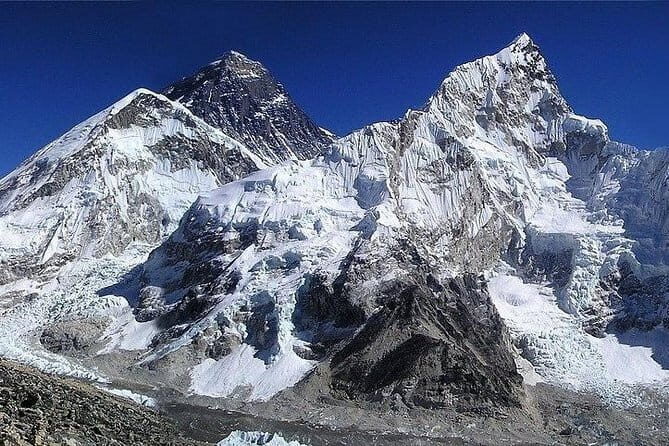
Everest Base Camp starts with smart logistics. This 14-day trek in Nepal pairs classic high-altitude route days with small-group pacing and real in-the-moment support. You’ll fly from Kathmandu to the Everest region, hike through Sherpa villages, and reach Everest Base Camp at 5,365 m—then go for the big payoff viewpoint from Kala Patthar at 5,555 m.
I especially like the small-group setup (max 14 people) and the way the trip is designed around safety and acclimatization—not just pushing forward. I also like the porter plan: you get porter help for 11 days (1 porter for 2 clients), so you can focus on hiking instead of hauling extra weight.
One thing to consider: flight operations to Lukla can shift during peak season. The Lukla route may switch to Manthali Airport (Ramechhap), which means your “Day 2 flight day” might feel a bit different depending on the schedule.
In This Review
- Key highlights that matter on the trail
- Everest Base Camp in 14 days: how this plan keeps you safe and moving
- Day 1 in Kathmandu: transfers and a comfortable start before altitude
- Day 2 flights to Lukla via Manthali: when heavy traffic changes your route
- Days 3–4: Namche Bazaar and the Sherpa Museum day of acclimatization
- Days 5–6: Tengboche to Dingboche, plus monasteries and mani stones
- Day 7 acclimatization hike to Nangkartshang Peak: earning altitude the smart way
- Days 8–10: Lobuche, Everest Base Camp, and Kala Patthar’s big payoff
- Days 11–14: descending to Namche, returning to Lukla, and finishing back in Kathmandu
- Guide and porter support: what “small group” actually feels like
- Price and value: what $1,800 buys you (and what it doesn’t)
- Who should book this Everest Base Camp trek, and who should pause?
- Should you book this Everest Base Camp trek with Ace the Himalaya?
- FAQ
- Where does the tour start and end?
- How long is the Everest Base Camp trek?
- What’s the maximum group size?
- Are airport transfers included?
- What if the Lukla flights are affected during peak season?
- Do I get a porter for my luggage?
- What kind of accommodation is included?
- Are meals included?
- Is drinking water provided?
- What is not included for insurance?
- What is the cancellation refund window?
Key highlights that matter on the trail
- Small-group cap (14 max): easier communication, more attention, steadier pacing.
- Porters for 11 days: less weight on your back during the hardest walking days.
- Acclimatization built in: you add altitude slowly, including a planned hike above Dingboche.
- Guides with emergency know-how: first-aid trained and government licensed, plus emergency evacuation arrangements.
- You get the permits and fees: Everest/Sagarmatha National Park entry and Pasang Lhamu Rural Municipality fee are included.
- Filtered water on the trek: Katadyn Pocket Water Filter is included, with seasonal fruit during the route.
Everest Base Camp in 14 days: how this plan keeps you safe and moving
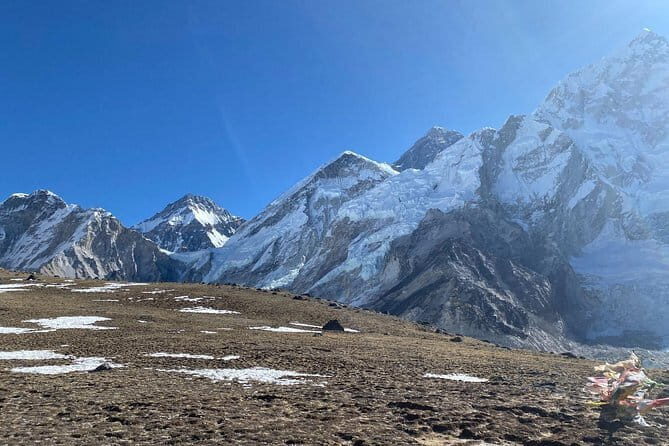
An Everest Base Camp trek is not just a long hike. It’s a chain of altitude decisions, weather windows, and daily energy math. This itinerary gives you a classic route through the Khumbu region, but it also protects you from the most common mistake: arriving to altitude without enough time to adjust.
What makes this 14-day pacing feel practical is the way the tough days are spaced out. You get early time in the Everest area to settle in, then you earn the higher walking days with acclimatization. Even the big Everest Base Camp push is paired with a separate high-day viewpoint climb the next morning, instead of forcing both on the same timeline.
For many people, the biggest difference between a smooth trek and a stressful one is how weight and logistics are handled. Here, porters cover 11 days (1 porter for 2 clients), and the group uses a guide trained for the realities of altitude trekking. That lets you keep your focus where it belongs: steady steps, good hydration, and taking in the mountain views as you go.
You can also read our reviews of more hiking tours in Kathmandu


Day 1 in Kathmandu: transfers and a comfortable start before altitude
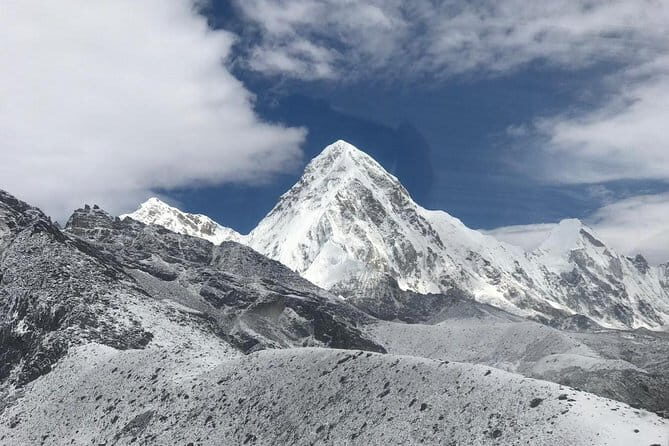
Your trek starts in Kathmandu with airport/hotel transfers in a private tourist vehicle. That matters more than it sounds. Kathmandu traffic and navigation can eat time, and the goal on Day 1 is to be calm and rested, not figuring out where to go next.
You also get 3-star twin-share accommodation in Kathmandu for two nights, with breakfast included. Twin-share matters if you’re watching cost, and the “two nights” setup gives you one evening to settle, plus one more day to manage jet lag and prep for the flight onward.
The trip also includes an Ace the Himalaya duffel, trekking map, sun hat, and a completion certificate. It’s not just cute extras. Those items help you start the trek with the basic gear needs handled, and the map is especially useful when you’re learning how distances and elevation will feel day to day.
Day 2 flights to Lukla via Manthali: when heavy traffic changes your route
Most Everest Base Camp trips use the Lukla flight as the gateway. This plan uses that same structure, but it also builds in a known complication: when traffic hits Kathmandu during peak trekking periods (March, April, May, October, and more), the Lukla flights may shift to Manthali Airport in the Ramechhap district.
That means your Day 2 could involve extra ground time to reach the airport and then your flight out. The good news is that it’s already accounted for in the schedule. The important move for you is simple: keep your expectations flexible on arrival day and do not lock yourself into a rigid mental picture of how the flight day will look.
One more practical note: the domestic flight luggage allowance is 15 kg. If you’re packing heavy, you’ll want to rethink what actually goes in your trekking bag versus what can stay behind for the trip.
Days 3–4: Namche Bazaar and the Sherpa Museum day of acclimatization
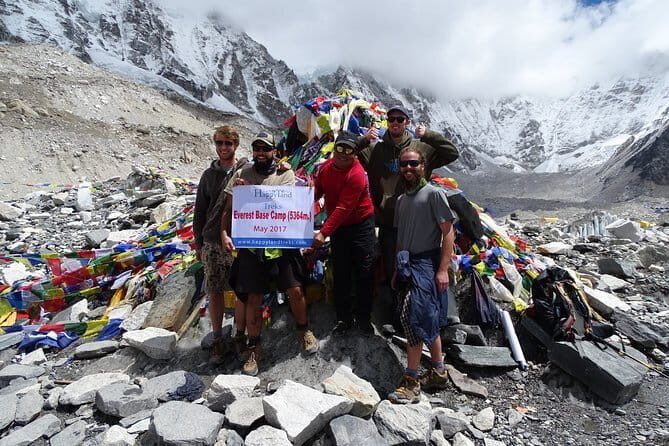
After flying to the Everest region, the walking begins with the rhythm you’ll keep seeing: suspension bridges, prayer flags, river crossings, and long stretches where you notice your breathing more than your feet. A key early target is Namche Bazaar, which sits at the heart of this trekking world.
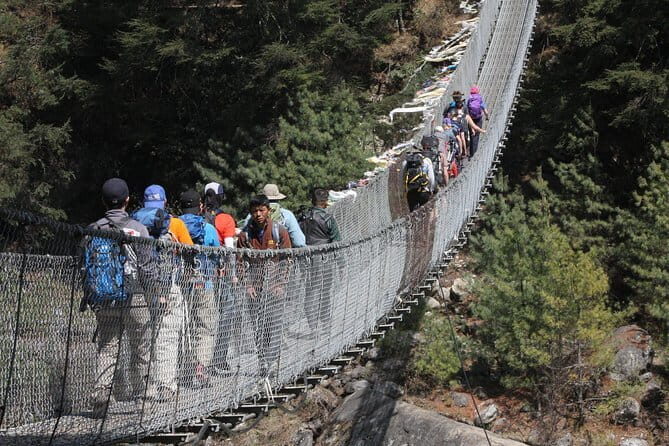
You’ll trek along the banks of the Dudh Koshi, crossing it multiple times via suspension bridges decorated with prayer flags. Then you enter Sagarmatha National Park, which is part of why this trek feels so official. You’re moving through protected terrain, not just hiking between villages.
Namche is where the trek turns from “approach” into “altitude management.” That’s why Day 4 is a dedicated acclimatization day. You won’t race toward Everest Base Camp on this day. Instead, you’ll spend time in Namche and take a short trek to the Sherpa Museum.
The museum stop is a good choice because it anchors what you’re hiking through: Sherpa life, Buddhist customs, and the region’s traditions. It also gives you a break from nonstop trekking while still getting your body used to being higher.
One practical drawback: acclimatization days can feel like wasted time if you want to “just start climbing.” But for most people, this is where the trek becomes doable. If you’re serious about finishing strong and avoiding an ugly altitude reaction, you’ll be glad this time is included.
Days 5–6: Tengboche to Dingboche, plus monasteries and mani stones
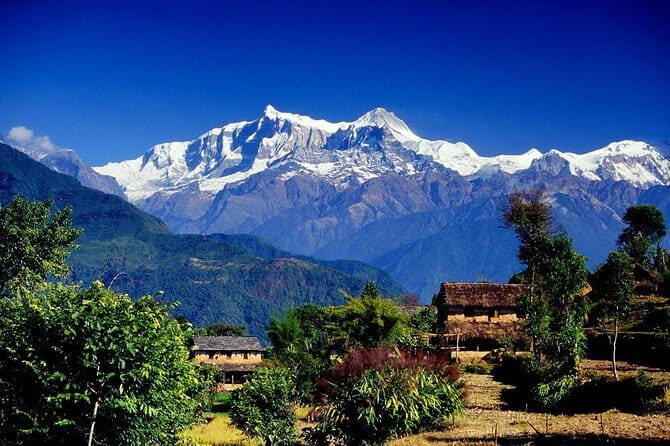
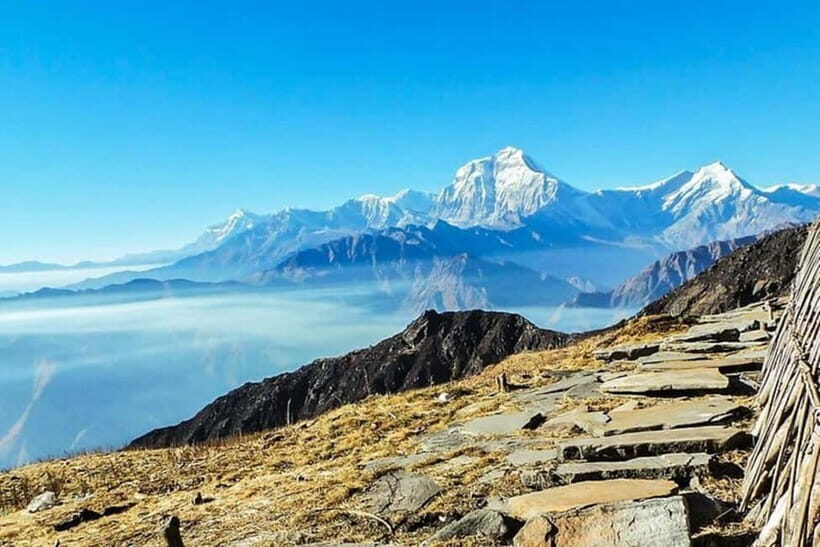
From Namche, you head toward Tengboche Gompa. The trail continues along the rushing glacial waters of the Dudh Koshi, and the views start to become frequent enough that you’ll keep slowing down even when you told yourself you wouldn’t.
Tengboche is at 3,860 m, and the monastery visit inside the gompa adds a calm counterpoint to the physical work. Buddhist monasteries in the Khumbu area are not just sightseeing stops. They’re places where you see how the communities live with the mountains instead of treating them like scenery.
Then you move onward to the Dingboche area. The walking includes drops toward Debuche, another suspension bridge over the Imja Khola, and an uphill climb to Pangboche, which you’ll see marked by thousands of mani stones. Those stones are small, but the effect is big. They remind you this is a living landscape with spiritual practices tied to travel and hardship.
Dingboche is also where you’ll start feeling the altitude in a more serious way. Not in a scary way for everyone—but enough that steady pacing matters. This is where the guide’s role becomes very real: helping you keep a rhythm that lets you keep breathing without draining yourself early.





Day 7 acclimatization hike to Nangkartshang Peak: earning altitude the smart way
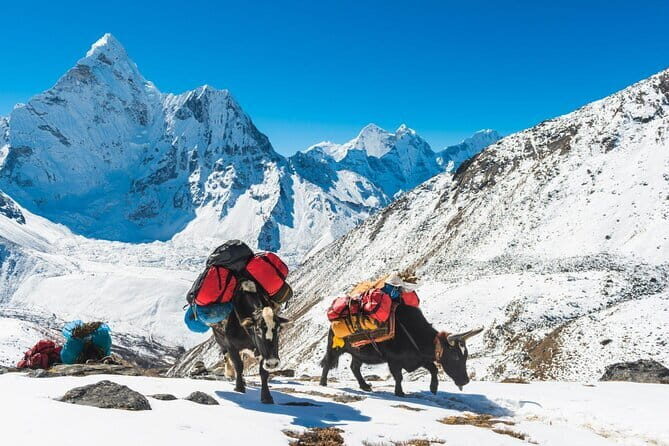
Day 7 is another “don’t rush it” day. This time you do acclimatize by hiking above Dingboche, targeting Nangkartshang Peak as a viewpoint.
The big idea here is simple: you get stimulus from being higher, then you return to sleep at a more manageable altitude. That helps your body adjust in the background while you keep your trekking plan intact.
This is also one of the reasons guides matter so much on an Everest Base Camp trek. A good guide can keep the day from turning into an accidental endurance contest. You’ll still work, but the goal stays clear: safer acclimatization, not just more altitude.
Days 8–10: Lobuche, Everest Base Camp, and Kala Patthar’s big payoff
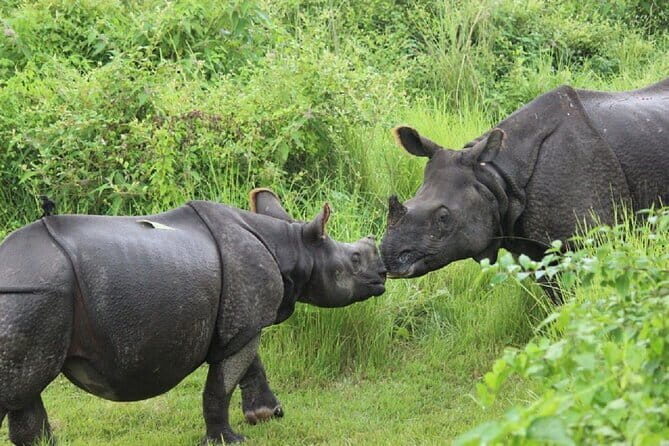
Day 8 brings you to Lobuche, with a striking shift in terrain as you move into the area shaped by the Khumbu Glacier’s lateral moraine. You’ll also pass stone memorials for climbers who have perished nearby. It’s heavy, but it’s also part of understanding the stakes of this region.
Day 9 is the big one: the hike up to Everest Base Camp at 5,365 m. This is described as a difficult day walk along the Khumbu Glacier and up to the Base Camp area. Even if you’ve trained, you should expect slower steps here. Altitude changes the math. You’ll feel it in your pace, your breath, and your energy.
The season can affect conditions too. During spring, for example, you might have company and movement in the Base Camp zone depending on the time of year. Either way, the experience is about being where mountains become world-famous, and still respecting how physical it is to reach that point without technical climbing gear.
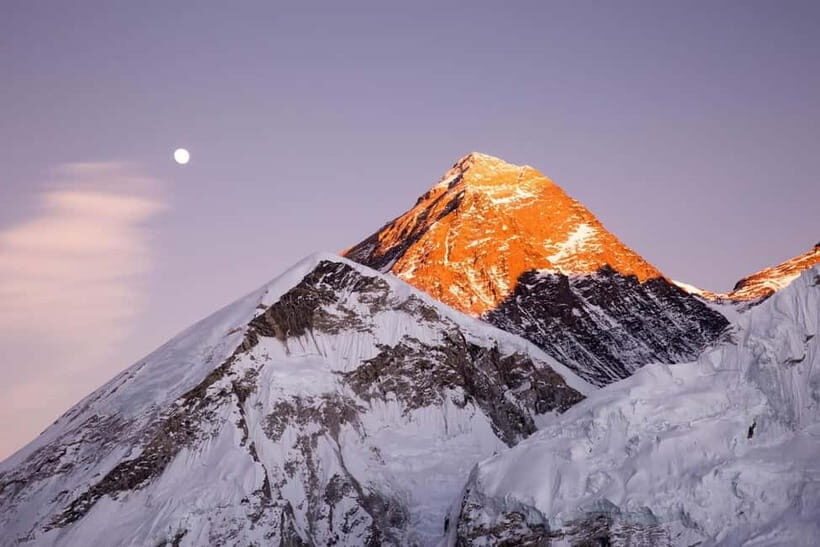
Then Day 10 gives you the viewpoint many people dream about: Kala Patthar at 5,555 m. This climb is demanding, but it’s set up as a separate peak day, not a rushed add-on. You get morning climbing for the summit view, and the reward is the sense of scale you can’t get from photos.
Practical tip for you: plan for a cold, demanding high-altitude morning even if the trail looks friendly at lower elevations. Kala Patthar is high enough that you’ll want to dress for the cold and keep moving even when it feels slow.
Days 11–14: descending to Namche, returning to Lukla, and finishing back in Kathmandu
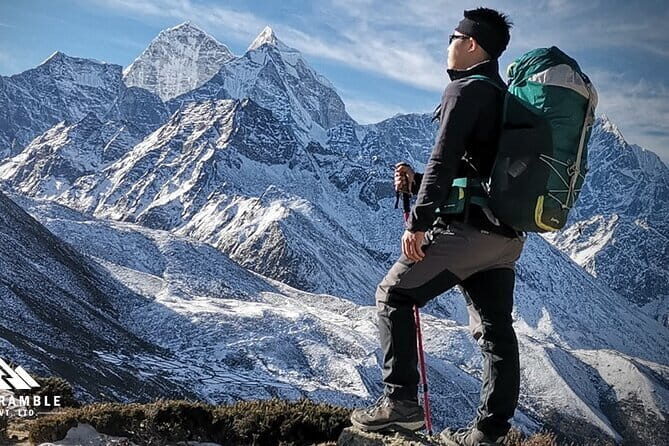
Day 11 starts the descent phase. You leave the higher Everest region and return through Pangboche and Tengboche before continuing back to Namche Bazaar, arriving in the afternoon. Descents can feel easier than the ascent, but they often beat up your knees and ankles. This is where good pacing early in the trek pays off later.
Day 12 brings the last trekking day: returning to Lukla. You’ll have time to reflect with the group, and this “close the loop” day matters psychologically. You’re no longer guessing what comes next. You’re finishing the route you started.
Day 13 is the flight back to Kathmandu, with a 35-minute scenic flight. The schedule includes a pickup and transfer on arrival. Then Day 14 is simply the final drop at Tribhuvan International Airport so you can catch your onward flight.
A nice detail here is that the trek doesn’t end with a chaotic scramble. It ends with a clear handoff—guide and logistics stay with you until the route is done.
Guide and porter support: what “small group” actually feels like
This trip is a government licensed, English-speaking trekking guide plus porter service for 11 days. The guide is also first-aid trained, and there’s a setup for emergency medical evacuation in the worst scenario.
In plain terms, that means you’re not hiking alone in a high-altitude environment. The guide’s job isn’t just “lead the way.” It’s help with pacing, help with decisions when conditions shift, and help keeping you safe when you’re tired.
The human side also matters. In the feedback tied to guides and porters connected with Ace the Himalaya, names like Kishor, Maddy, Chris, and Rajendra Khatry show up with praise for professionalism, calm explanations, and personalized care. Porters such as Saman and Sher are described as hardworking and supportive, even bringing laughter into long walking days. That kind of vibe can turn a brutal day into a memorable one.
And because porter help is scheduled for 11 days, you’ll feel it on your back. You won’t need to haul your luggage up the mountain yourself, which directly reduces fatigue and makes it easier to keep a steady rhythm.
Price and value: what $1,800 buys you (and what it doesn’t)
At $1,800 per person, this trek is priced like a full service, not a bare-bones DIY plan. The value comes from what’s included, especially at elevation where logistics get expensive fast.
Included highlights that matter for value:
- Domestic airfare Kathmandu–Lukla–Kathmandu and airport departure tax
- Trekking permits for Everest/Sagarmatha National Park and the Pasang Lhamu Rural Municipality fee
- Most meals (standard breakfast, lunch, and dinner during the trek); Kathmandu lunch and dinner are not included
- Kathmandu lodging: 3-star twin-share for 2 nights with breakfast
- Trek lodging in guesthouses on the trail, with attached toilets in Lukla, Phakding, and Namche
- Filtered water setup with a Katadyn Pocket Water Filter
- Staff costs: guide and porters’ food/salary/insurance/equipment/medicine coverage
- Emergency-first-aid and evacuation arrangements
What you still need to budget for:
- Travel insurance covering high-altitude emergency rescue and evacuation (not included)
- Tips for the guide and porter (tipping is expected)
- Personal trekking equipment
- Alcoholic and other drinks, plus hot and cold drinks not covered in the standard included meals
- Kathmandu lunch and dinner
Booking timing note: this is commonly booked about 80 days in advance on average. If you want a specific departure date, plan ahead.
Who should book this Everest Base Camp trek, and who should pause?
You’ll likely love this trek if you want:
- A small-group Everest Base Camp experience with real guidance and support
- Porter help so you can hike more comfortably for the full route
- An itinerary that treats acclimatization days as part of the plan, not optional extras
- A balanced mix of trekking effort and cultural stops like Tengboche Gompa and the Sherpa Museum
You should pause or ask extra questions if:
- You don’t plan to buy travel insurance for altitude rescue/evacuation. The trip includes evacuation arrangements, but insurance is still required for most travelers to cover costs.
- You expect the trek to feel easy. Even with porter help, Everest Base Camp requires serious effort and moderate fitness.
Also, this trek calls for moderate physical fitness. That’s a good sign if you’re active, but it’s not a sit-and-spiral walk. You’ll be working daily.
Should you book this Everest Base Camp trek with Ace the Himalaya?
If your goal is a well-run Everest Base Camp trek with guided safety, porter support, and a route that handles acclimatization thoughtfully, I’d say this is a strong pick. The included permits, flights, meals, filtered water system, and Kathmandu hotel base reduce the mental load right at the start—so you can focus on hiking.
Before you book, double-check your packing for the 15 kg domestic flight limit, plan for cold mornings at altitude (especially Kala Patthar), and make sure your travel insurance covers high-altitude evacuation. If you do those basics well, this trip has a clear advantage: you’re not just walking to Everest Base Camp. You’re walking there with support that makes the whole journey more manageable.
FAQ
Where does the tour start and end?
It starts at Tribhuvan Airport in Kathmandu, Nepal, and ends back at the same meeting point area.
How long is the Everest Base Camp trek?
The duration is 14 days (approximately).
What’s the maximum group size?
This tour has a maximum of 14 travelers.
Are airport transfers included?
Yes. The package includes airport/hotel transfers in a private tourist vehicle.
What if the Lukla flights are affected during peak season?
The Lukla flights may shift to Manthali Airport in the Ramechhap district due to heavy traffic congestion in Kathmandu during peak trekking season. (kathmandutrips.com covers Kathmandu.)
Do I get a porter for my luggage?
Yes. Porter service is included for 11 days, with 1 porter for 2 clients.
What kind of accommodation is included?
You get 3-star twin-share accommodation in Kathmandu for 2 nights (breakfast included). On the trail, you stay in twin-sharing guesthouses with attached toilets in Lukla, Phakding, and Namche.
Are meals included?
Yes. All standard meals during the trek are included (breakfast, lunch, and dinner). Lunch and dinner in Kathmandu are not included.
Is drinking water provided?
Yes. The trek includes filtered water using a Katadyn Pocket Water Filter, and seasonal fruits are provided during the trek.
What is not included for insurance?
Travel insurance covering emergency high-altitude rescue and evacuation is not included.
What is the cancellation refund window?
You can cancel up to 6 days in advance for a full refund, with 50% refunds available for cancellations made 2–6 days before the experience start time. If you cancel less than 2 days before, no refund is provided.
If you want, tell me your travel month and fitness level, and I’ll help you sanity-check whether this specific 14-day pace matches what you’re aiming for.