Everest Base Camp is the kind of trip that changes your internal weather. This one pulls you through the Sagarmatha National Park trail system, with Tengboche and Thame monastery moments mixed into the walking, then finishes with the signature sunrise from Kalapatthar. Two things I especially like: how the trip is paced around acclimatization checkpoints, and how your first days in Kathmandu are built for getting your plan, gear, and permits sorted.
One possible drawback: flights can get switched. There’s a specific heads-up that the Lukla flights may depart and return from Ramechhap Manthali airport due to Kathmandu airport upgrades, with a very early drive starting around 2:30 am.
In This Review
- Key highlights worth your attention
- Kathmandu warm-up: getting your bearings and your paperwork
- The Lukla flight reality: when schedules change, you still move
- Monjo permits to Namche Bazaar: Sagarmatha National Park starts here
- Namche acclimatization: the Everest Viewpoint morning that photographers live for
- Tengboche day: monastery focus with Amadablam taking over the sky
- Dingboche and Chukkung Valley: choice, altitude time, and breathtaking viewpoints
- Lobuche to Gorakshep: the route feels tougher, and the views match it
- Kalapatthar sunrise: the hour that turns the whole trip into a memory
- Descent with purpose: Kyanjuma, rhododendron, and Namche again
- The final hiking days: back to Lukla, then Kathmandu with a farewell
- Price and value: what $1,600 covers (and what you still need to plan)
- Guides and care: the human part that keeps showing up
- Who this trek suits best—and who should think twice
- Should you book Everest Base Camp with Pariwar Holidays?
- FAQ
- Where is the trek based and how does pickup work?
- How long is the Everest Base Camp trek?
- What’s included in the tour price?
- What meals are covered?
- Is this a private tour?
- What’s the meeting time?
- What if Lukla flights shift because of airport upgrades?
- Where can I buy trekking gear?
- Are alcoholic drinks or souvenir photos included?
- Can I cancel for a full refund?
Key highlights worth your attention
- Monastery stops with real trail context at Tengboche (and optionally Thame), not just a photo stop.
- Acclimatization built into the route with Namche exploration and a second high-altitude day in Dingboche.
- Sunrise at Kalapatthar timed to catch Everest and neighboring peaks as the light comes up.
- Sagarmatha National Park permit check at Monjo, so you don’t scramble on the trail.
- Guides who focus on safety and comfort, mentioned repeatedly by named guides like Dinesh and Sushil.
- A logistics-aware approach to Lukla flight changes, including the Ramechhap option when Kathmandu is affected.
Kathmandu warm-up: getting your bearings and your paperwork
You start in Kathmandu, and the first goal is simple: don’t waste energy on chaos. Day 1 is arrival plus a comfortable transfer to your hotel, so you can recover from travel and get your head clear. Day 2 is where things get practical: you visit the office, talk through the trek, and then—if you need anything—you can shop for trekking gear around Thamel.
That combo matters. On a trek like this, small delays snowball. By front-loading gear shopping and trek briefing, you can avoid the classic mistake of discovering you forgot something right as the mountain schedule starts demanding early mornings. Also, hotel pickup is included, which reduces the hassle of figuring out timing in a city that never really slows down.
If you have energy on Day 2, there’s an optional half-day Kathmandu Valley sightseeing tour. It’s a nice way to break up the pre-trek routine with a bit of culture before the trail takes over.
Quick heads-up to plan around: the tour meets with a start time of 7:15 am. Even if your personal day doesn’t feel “full,” the schedule around flights and trail starts is built on getting up early.
You can also read our reviews of more hiking tours in Kathmandu
The Lukla flight reality: when schedules change, you still move
The trek begins with a short flight early in the morning to avoid bad weather. From Lukla, you start walking right away toward Phakding, passing through Lukla town and lush forest before you settle in for the night at a local lodge.
Here’s the part you should take seriously: the operator lists an important notice that Lukla flight departures and returns may shift to Ramechhap Manthali airport due to Kathmandu airport upgrades. If that happens, you’ll drive about 4–5 hours to Ramechhap, and the plan is to start that drive around 2:30 am. On the return, the drive at the end of the trek is also described as 4–5 hours.
Don’t treat that like a detail. It’s a whole day-shape change. If you’re the type who hates early starts, you’ll need to mentally budget for a very early wake-up on that transfer day.
Even with that complication, the trip is designed to keep momentum. You’re not just waiting around—you’re being routed with clear timing so the trekking portion still begins on schedule.
Monjo permits to Namche Bazaar: Sagarmatha National Park starts here
Day 4 is a checkpoint day. You head initially toward Monjo, where there’s a Sagarmatha National Park authorized office and a permits check. Then you walk into the national park trail system through deep woods and traditional Sherpa settlements.
It’s a smart structure: permits are handled before you go deeper. No last-minute paperwork drama. And along the way, you pass the Dudhkoshi River, then ascend to Namche Bazaar.
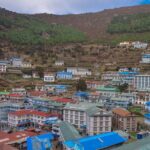
Namche Bazaar is more than a waypoint. It’s the place where you feel the trek switching from “scenery walk” into “organized altitude mission.” You’ll have an evening stroll option if you want it, with shops, cafes, hotels, and the general small-city comforts that help people cope with being in a high mountain world.
Namche acclimatization: the Everest Viewpoint morning that photographers live for
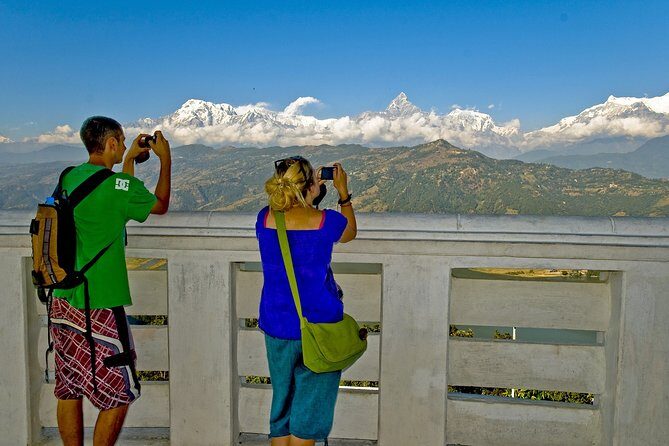
Day 5 is an acclimatization day, and that’s where this trek earns its keep. You hike up to Hotel Everest Viewpoint for sunrise-style views and photo time—Mt. Everest and other towering summits in the frame.
Then you walk back down to Namche Bazaar, with some flexibility. If you like, you can add a walk to Thame Monastery. Either way, the point is the same: you’re using a day with lower pressure to adjust your body while still getting a high-reward view.
From a traveler’s standpoint, this day is the difference between struggling and managing. A route that includes an exploration-and-rest rhythm gives you better odds of arriving at the higher days feeling human.
Tengboche day: monastery focus with Amadablam taking over the sky
Day 6 is where the mountain drama ramps up. You get views of Amadablam and then transition onto the main trail. You’ll pass through Namche for about 15–20 minutes until the route opens up, and you’ll spot trekkers’ familiar helpers—mules and yaks carrying goods.
The trail goes down toward a riverside, you cross the river, and then you ascend to Tengboche. The big draw here is the Tengboche monastery, described as the main attraction of the town.
Day 7 keeps the Amadablam momentum going and is framed as one of the finest walking days through Sagarmatha National Park woods. You cross Dindboche Khola as you approach Dingboche, arrive in Dingboche, and settle in.
What’s valuable about days like this is how the trek balances effort with meaning. You’re not just grinding uphill. You’re moving through Sherpa settlements and park woods, then arriving at a spiritual stop that feels connected to the region instead of pasted onto the schedule.
Dingboche and Chukkung Valley: choice, altitude time, and breathtaking viewpoints
Day 8 gives you options. Some people rest at the lodge. Others head to Chukkung Valley, beginning after breakfast. The walk takes 2–3 hours to reach Chukkung, and you’ll have lunch there before trekking back to Dingboche for the overnight stay.
This is where the “acclimatize without boredom” idea shows up. You get a worthwhile outing with Himalayan giants in sight—Island Peak and other peaks are specifically mentioned as breathtaking from Chukkung Valley. Some trekkers also like to climb Chukkung ri, though the itinerary frames it as optional.
If you’re the type who gets antsy when you’re not moving, this day is a good compromise: you’re out long enough to feel like you earned the air, but not so long that it crushes you for the next stages.
Lobuche to Gorakshep: the route feels tougher, and the views match it
Day 9 takes you to Lobuche. The walk includes ridges and frequent mountain views, plus alpine bushes and dry landscapes on the trail. You also pass the Sherpa People’s graveyard, which adds a serious, grounded moment amid all the spectacle.
Lobuche is described as located on the riverside, and that matters because it reminds you the trek isn’t only about elevation lines—it’s also about following terrain and river systems across the Khumbu region.
Day 10 shifts into a big emotional phase. The trek is described as making you feel blessed by incredible mountain panorama, glaciers, and avalanches. You first trek to Gorakshep, have lunch, and then continue to Everest Base Camp.
Then you celebrate the moment of putting your footsteps at base camp, and walk back to Gorakshep for the overnight stay.
That base-camp day is why most people choose this trek in the first place. The schedule is built so you can arrive there, experience it fully, and still have a defined return route rather than turning it into a rushed shove-and-run.
Kalapatthar sunrise: the hour that turns the whole trip into a memory
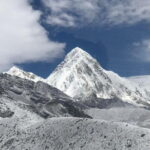
Day 11 is the sunrise push. You rise between 4:30–5:00 am and climb Kalapatthar to wait for sunrise. You’ll see many trekkers with cameras pointed toward Mt. Everest, and the itinerary highlights that sunrise makes the panorama enticing and camera-friendly.
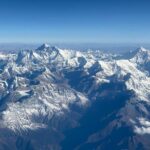
The named peaks you’ll likely see include Mt. Everest, Pumori, Nuptse, Lhotse, and others. After breakfast back in Gorakshep, you continue trekking to Periche via Lobuche.
This day is more than sightseeing. It’s a commitment day. You trade comfort for timing, because the light is the magic trick here. If you’re flexible and patient, it’s one of the most rewarding parts of the whole route.
Descent with purpose: Kyanjuma, rhododendron, and Namche again
Day 12 continues the descent rhythm. You walk down to Kyanjuma via Tengboche, cross bridges, and then follow a trail leading toward Kyanjuma where you’ll choose among three trails: one heading to Namche, one toward Khumjung village, and one going toward Gokyo.
The itinerary specifically calls out lush rhododendron along the way and mentions alpine species of wildlife in that general setting. On the route, you enjoy magnificent views of Twache, Thamserku, and Amadablam.
Day 13 takes you up again to Khumjung, then to Hillary School, built by Sir Edmund Hillary. You also visit Khunde village and explore the surrounding before walking back down toward Namche, and then onward to Monjo for overnight lodging.
This is one of the coolest aspects of this trek: it connects mountaineering legacy to local institutions you can actually visit. It’s not just a name-drop; you’re walking into a community story tied to the region.
The final hiking days: back to Lukla, then Kathmandu with a farewell
Day 14 is the last day-hike to Lukla. You pass Phakding and ascend up to Lukla town. There’s time for a walk around town and the airport in the evening, which is a nice transition from trail mode to waiting mode.
Day 15 is an early flight back to Kathmandu because wind may disturb flights later in the day. Once you land, you transfer to a hotel. After you refresh, you can do shopping or other activities. In the evening, you meet for a farewell dinner.
Day 16 is departure day. The tour drops you at Kathmandu airport so your international flight is easy to catch.
Price and value: what $1,600 covers (and what you still need to plan)
At $1,600 per person for about 16 days, this trek prices itself as an all-in service model. From the included list, you’re getting:
- Accommodation “as per itinerary”
- Meals as per itinerary (breakfast, lunch, dinner)
- A driver/guide and hotel pickup
- Hotel pickup and drop-off
- All taxes, fees, and handling charges
That’s value because most of the costs on a trek aren’t just “walking.” They’re logistics: lodging nights at different elevations, food support along the route, and having someone handle on-the-ground coordination so you’re not guessing what happens next.
Two costs to keep in mind:
- Alcoholic drinks are not included.
- Souvenir photos are available for purchase, but not included.
If you’re budgeting tightly, it helps to treat this price as “walking package” plus “optional extras.” The itinerary also hints you may need to buy gear in Thamel on Day 2, so if you’re starting from scratch, factor that into your overall trip cost.
Guides and care: the human part that keeps showing up
The route is intense, but the most consistently praised element in the feedback snippets is the human support. Guides named in the provided reviews include Dinesh, Sushil, Raju, Manoj (planning support), Prakash Giri, Procas, and Dipesh (arrangement help). Across those notes, the themes stay consistent:
- friendliness and warm support
- guidance with safety in mind
- caring for wellbeing in altitude situations
- smooth handling of logistics so the trek feels organized
One reason this matters: on a trek, you don’t just need knowledge. You need someone calm when you’re tired or unsure. The reviews repeatedly highlight that kind of “take care of me” attention, which is exactly what you want when the schedule gets early and the altitude gets less forgiving.
Who this trek suits best—and who should think twice
This trek says most travelers can participate, and that’s believable for a standard Everest Base Camp effort if you follow the pacing and acclimatization structure.
It’s a strong fit if:
- you want a guided trek with permits and trail coordination handled
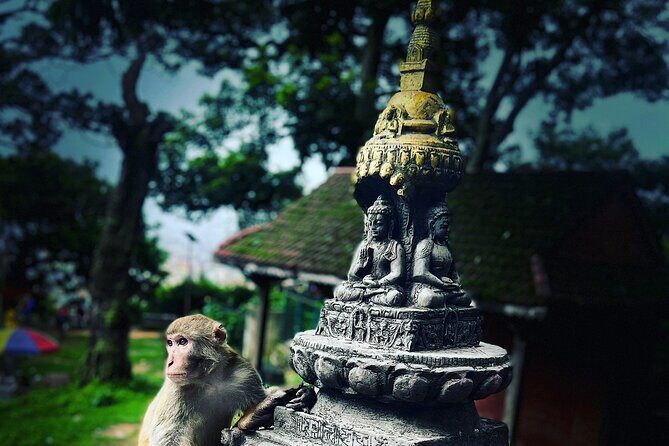
- you like the blend of views + monastery visits + community stops (Tengboche, Thame, Khumjung, Hillary School)
- you’re okay with early mornings and potentially very early transport if Lukla flights route through Ramechhap
You might pause and ask more questions before booking if:
- you’re extremely sensitive to early departures (the itinerary calls out early flight timing, and possibly a 2:30 am drive)
- you’re the type who needs a super predictable flight plan with zero disruption (the Ramechhap notice is real)
Should you book Everest Base Camp with Pariwar Holidays?
I’d book if you want a classic Everest Base Camp trek with the mountain highlights you expect—Base Camp and Kalapatthar—plus a schedule that actually includes acclimatization and meaningful cultural stops. The pricing feels aligned with what you’re buying: lodging, meals, permits handling, and guided logistics across a long 16-day route.
But go in with your eyes open. The flight routing change to Ramechhap is the big variable, and it can flip your sleep schedule fast. If you’re okay with that trade, this trek offers strong value and a team that (based on the repeated guide praises) focuses on keeping you safe and comfortable while the Everest dream becomes real.
FAQ
Where is the trek based and how does pickup work?
The experience is in Kathmandu, Nepal. Hotel pickup is included, and there’s also hotel pickup and drop-off.
How long is the Everest Base Camp trek?
It’s listed as 16 days (approx.).
What’s included in the tour price?
Included items are accommodation as per itinerary, all taxes/fees/handling charges, meals as per itinerary (B/L/D), a driver/guide, and hotel pickup and drop-off.
What meals are covered?
The tour includes breakfast, lunch, and dinner as per the itinerary.
Is this a private tour?
Yes. It’s listed as a private tour/activity, meaning only your group participates.
What’s the meeting time?
The meeting start time is 7:15 am.
What if Lukla flights shift because of airport upgrades?
The tour provides an important notice that Lukla flight departures/returns may happen via Ramechhap Manthali airport due to ongoing upgrades at Kathmandu airport. You’ll start the drive around 2:30 am for the airport, and the drive is about 4/5 hours.
Where can I buy trekking gear?
On Day 2, you can go around Thamel and buy trekking gear if you need it.
Are alcoholic drinks or souvenir photos included?
No. Alcoholic drinks and souvenir photos are not included.
Can I cancel for a full refund?
Yes, it says free cancellation is available. You can cancel up to 24 hours in advance of the experience start time for a full refund.