Four days, three faiths, and big views. This Kathmandu–Nagarkot tour strings together UNESCO heritage stops and the high-mountain perspective you only get from Nagarkot. I love how the days feel guided but not rushed, and I also love the chance to look across peaks from Dhaulagiri to Everest to Kanchenjunga.
On the ground, the experience leans practical: airport pickup, private vehicle transfers, hotel nights in Kathmandu and Nagarkot, and the kind of on-call support that you can actually use if plans shift. NBM Travel’s team—people like Sujit and Subash (and sometimes Sudarshan)—show up as the familiar faces keeping things moving.
One thing to consider: the Himalayan-view portion depends on good weather, so if clouds roll in, your sunset and peak views may be limited. Still, you’ll get a solid culture-focused circuit even when the sky won’t cooperate.
In This Review
- Key highlights I’d circle on your planner
- What This Kathmandu–Nagarkot Loop Really Gives You
- Getting Started in Thamel With a Proper Nepal Welcome
- Three UNESCO Stops in One Day: Bouddhanath, Pashupatinath, Swoyambhunath
- Nagarkot Nature Trail: Your Peak-View Payoff
- Bhaktapur Durbar Square: UNESCO Details You Can Actually Notice
- Price and Logistics: Where Your $235 Actually Goes
- Transport, Timing, and the Start at 9:15 am
- Meals, Small Perks, and Why They Matter More Than You Think
- Who Should Book This Tour (and Who Might Want a Different Style)
- Should You Book the 4 Days Kathmandu Nagarkot Tour?
- FAQ
- What’s included in the Kathmandu–Nagarkot tour price?
- How long is the tour, and when does it start?
- Which UNESCO sites are visited during the trip?
- Do I get meals during the tour?
- What can I expect in Nagarkot?
- Is airport pickup included?
- What’s not included?
- Is weather a factor for this tour?
Key highlights I’d circle on your planner
- Thamel welcome with garlands and a traditional Buddhist scarf, plus a cultural dinner
- Bouddhanath + Pashupatinath + Swoyambhunath packed into one UNESCO day
- Nagarkot Nature Trail and a hotel sunset with mountain views stretching across major ranges
- Bhaktapur Durbar Square UNESCO details like the 55 Windows Palace area
- Juju dhau (curd) is part of the experience focus, so it’s worth setting aside time to taste it
What This Kathmandu–Nagarkot Loop Really Gives You
This tour is built for people who want history, religion, and mountain views without planning a thing. You’ll cover major Kathmandu highlights, then slow the pace down with a Nagarkot overnight where the air feels different and the views become the whole point.
The value is in what’s bundled. At $235 per person for about four days, you’re not just paying for sightseeing—you’re paying for hotel nights (3-star), entrance fees, daily breakfasts, and airport transfers by private vehicle. That matters in Nepal, where grabbing the right transport and lining up tickets can turn into a mini-project.
Also, this isn’t a “stand in front of a temple and leave” kind of schedule. You spend real time around iconic places like Bouddhanath and Pashupatinath, then you move into Nagarkot for a different kind of experience: looking out, not just looking up.
A few more Kathmandu tours and experiences worth a look

Getting Started in Thamel With a Proper Nepal Welcome
Day 1 is all about landing smoothly and getting your bearings in Thamel. After pickup, you’ll get a traditional welcome with garlands and Nepalese-style ceremonial attire, plus a Buddhist scarf. It’s a small thing, but it helps you feel oriented fast—like someone is already thinking about your first steps.
Then you’re free to wander. Thamel is the kind of neighborhood where you can browse for thankas, handmade crafts, and small art shops without having to commit to anything. You’ll also see plenty of street-food energy. If you’re cautious about what to try, take it slow: start with one snack, then see what the local pace is like.
Day 1 also includes a cultural dinner. You’ll get a set meal that’s meant to introduce Nepalese flavors without you needing to navigate menus on your first night.
What I like about a setup like this: you’re not exhausted after arrival, and you’re not stuck in a hotel room while your jet lag catches up. You start experiencing the city.
Three UNESCO Stops in One Day: Bouddhanath, Pashupatinath, Swoyambhunath
Day 2 is the religion-and-art day, and it’s efficient in a good way. You visit three UNESCO world heritage places in the same wider area of Kathmandu: Bouddhanath Stupa, Pashupatinath Temple, and Swoyambhunath.
At Bouddhanath, you’ll find one of the largest stupas in South Asia, with Tibetan monasteries around it. The atmosphere is calmer than you might expect for a major tourist stop. Watch people as they move around the stupa—some come for worship, some for quiet observation, and it gives you a better sense of how the site functions beyond sightseeing.
Then you head to Pashupatinath, a Hindu temple dedicated to Lord Shiva. This is a place with strong religious significance, and you’ll feel that immediately. One of the highlights on the tour focus is the Maha Arati at Pashupati, so if timing lines up, it’s the kind of moment you’ll remember long after you’ve left Kathmandu. Even if you don’t catch it, the temple complex still delivers a sense of scale and devotion.
Last is Swoyambhunath, often called the monkey temple. You’ll see the Buddhist and Hindu mix in the stonework, plus sculptures and carvings, including life cycle themes of the Buddha. It’s also a hilltop stop, so expect a bit of climbing and stairs—just part of the deal at this type of site.
Practical note: this is a day where comfort matters. Plan for walking and changing levels of crowds. Temple days are also the days when people tend to dress respectfully, so aim for clothing that’s easy and appropriate.
Nagarkot Nature Trail: Your Peak-View Payoff
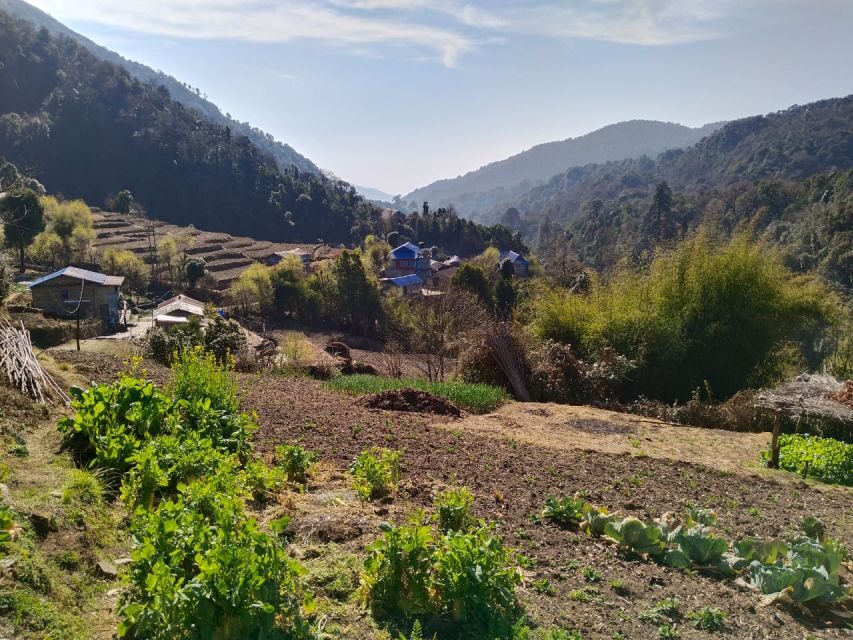
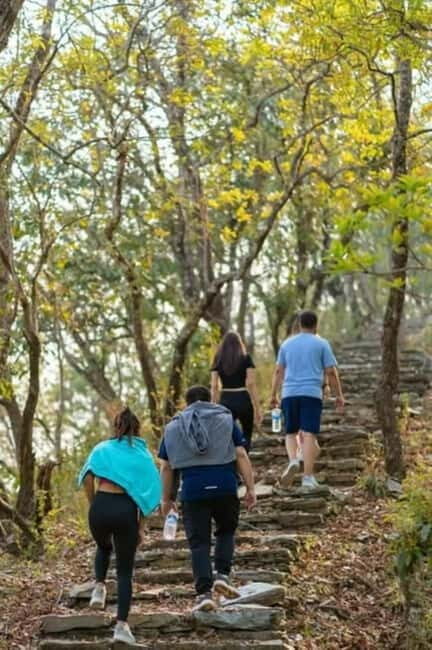
Day 3 is where the tour turns from city culture to high-view perspective. After breakfast, you drive to Nagarkot—about 1.5 hours. Then you get time for the Nagarkot Nature Trail and, crucially, the chance to see Himalayan peaks.
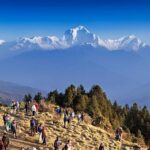
From Nagarkot, the views can stretch across major mountain names—Dhaulagiri, Everest, and Kanchenjunga—and you can also see peaks associated with the Langtang Himalayan range. That’s the promise of Nagarkot: you’re positioned for a wide look north, where the mountains turn your entire day into a slow-moving photo walk and a lot of staring.
Then you get sunset from your hotel. Sunset is where Nagarkot earns its reputation. Even when the horizon isn’t perfect, the light change alone can make the mountains look like they’re re-drawing themselves.
One reality check: the tour includes a weather requirement for the experience. If clouds roll in, the views may be reduced. This doesn’t ruin the day, but it changes what you get out of it. Go in knowing that you’re buying the best-chance opportunity, not a guaranteed view.
Bhaktapur Durbar Square: UNESCO Details You Can Actually Notice
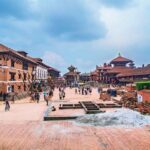
Day 4 starts with breakfast and moves to Bhaktapur Durbar Square, another UNESCO site. This is one of those places where you can look at the big monuments, but the fun is in the details: carved stone, palace-like structures, and religious sites tucked into the square’s layout.
You’ll also pass by or visit areas tied to key landmarks including Changunarayan Temple, the 55 Windows Palace area, and the Krishna Mandir. The tour focus here is on seeing how Bhaktapur’s past was organized around power and worship, including the feel of the square as a former stronghold area used by past kings.
After that, you return toward Kathmandu and revisit Thamel later in the day. It’s a good wrap-around touch. You get a second chance to shop or snack without the first-day scramble.
And don’t skip the tour highlight about food: juju dhau, the famous curd. It’s referenced as a key part of the experience, and Bhaktapur is the type of place where this kind of local specialty makes sense. If you want to try it, I’d build in a quick, focused stop for it so it doesn’t get squeezed out by sightseeing pace.






Price and Logistics: Where Your $235 Actually Goes
For $235 per person over about four days, you’re paying for several things that normally add up fast:
- Two hotel bases: Kathmandu and Nagarkot, both in 3-star hotels on a twin-sharing basis
- Meals included: a welcome cultural dinner in Kathmandu, plus breakfast and dinner during the Nagarkot portion (the listing also specifies Dinner (2) and Breakfast (3))
- Entrance fees and “all fees and taxes,” which prevents the classic travel headache of paying separately for ticketing
- Private vehicle transfers and airport pickup/drop-off, which saves time and reduces stress in a city with traffic chaos
- Extras like one bottle of mineral water daily during city tour time and a SIM card included
So is it “cheap”? Not really. But it’s also not trying to be a luxury product. For many people, the biggest value is that you’re getting the expensive parts—transport, hotels, and tickets—handled in one package.
One more thought: the tour is described as private for your group. At the same time, it also lists group discounts as a feature. That combination usually means cost can improve if you’re traveling as a group. If you’re traveling with friends, this is where the math can get friendlier.
Transport, Timing, and the Start at 9:15 am
The tour starts at 9:15 am at the Tribhuvan International Airport area (Ring Rd, Kathmandu). Getting the start time pinned down matters because temple sites and hilltop stops are easier earlier in the day.
You’ll also have airport transfers and daily moves by private vehicle, which helps because these sites aren’t all clustered tightly like a single-city museum loop. Instead, you’re doing Kathmandu in a structured way, then driving out to Nagarkot.
The itinerary feels “day-bus-like” in the best way: you’re not expected to plan routes or figure out ticketing. You still get exploring time in places like Thamel, but the core blocks are guided.
Also note the experience provider lists a “good weather required” condition for the overall experience. That matters most on the Nagarkot viewing side—so be ready to accept that the sky has its own schedule.
Meals, Small Perks, and Why They Matter More Than You Think
This trip is built to keep you fed and moving. In Kathmandu, you get breakfast and then a welcome cultural dinner. In Nagarkot, you get daily breakfast and dinner included.
A daily mineral water bottle during the city tour time is a practical touch. Nepal heat and walking add up quickly, and small hydration help is one of those things you don’t notice until you’re trying to buy water while rushing between stops.
You also get a SIM card, which can be surprisingly valuable. It means you can check messages, maps, and weather without relying on hotel Wi-Fi. When Nagarkot weather is the key variable, having phone access matters.
Finally, there’s mention of a general first aid kit included. That’s not a “showpiece” inclusion, but it does signal the operator thinks about basic health and contingencies.
Who Should Book This Tour (and Who Might Want a Different Style)
This tour fits best if you want:
- Major Kathmandu culture highlights without heavy research
- A mix of Hindu and Buddhist sites in one trip
- One overnight in Nagarkot for mountain views
- Included hotels and ticketing so you can focus on the experience
It may not be ideal if:
- You want tons of free time or slow wandering with long breaks every day
- You’re the type who hates structured schedules
- You’re counting on guaranteed clear mountain visibility regardless of cloud cover
For most people though, this is a strong “first Nepal” loop: it gives you the core Kathmandu feeling and then adds Nagarkot’s perspective.
Should You Book the 4 Days Kathmandu Nagarkot Tour?
I’d book it if you want an efficient, culture-forward Kathmandu start, a true Nagarkot viewing window, and you value included logistics over DIY stress. The price works well when you factor in hotel nights, entrance fees, airport transfers, and daily meals.
Before you click confirm, ask yourself one question: are you okay with the mountains being weather-dependent? If yes, you’re in the sweet spot. If clouds are a deal-breaker, consider adding flexibility to your wider trip.
If you do book, wear comfy shoes, bring a layer for cooler hilltop evenings in Nagarkot, and plan one meal for juju dhau so the food highlight doesn’t get swallowed by a temple timeline.
FAQ
What’s included in the Kathmandu–Nagarkot tour price?
The price includes 3-star twin-share hotel stays in Kathmandu and Nagarkot, a welcome cultural dinner, breakfasts, dinners in Nagarkot, entrance fees, airport pickup and drop-off, private vehicle transfers, a daily bottle of mineral water during city tour time, and a SIM card, plus first aid kits and all fees and taxes.
How long is the tour, and when does it start?
It’s approximately 4 days. The activity start time is 9:15 am, starting at the Tribhuvan International Airport area (Ring Rd, Kathmandu).
Which UNESCO sites are visited during the trip?
The trip includes UNESCO world heritage sites such as Bouddhanath Stupa, Pashupatinath Temple, Swoyambhunath (the monkey temple), and Bhaktapur Durbar Square.
Do I get meals during the tour?
Yes. You get a welcome dinner in Kathmandu, plus breakfast in Kathmandu and daily breakfast and dinner during the Nagarkot portion, with the itinerary listing Dinner (2) and Breakfast (3).
What can I expect in Nagarkot?
You’ll drive to Nagarkot, take the Nagarkot Nature Trail, enjoy mountain views (including peaks associated with Dhaulagiri, Everest, Kanchenjunga, and the Langtang range), and watch the sunset from your hotel.
Is airport pickup included?
Yes. Airport pickups, transfers to your hotel, and drops in a private vehicle are included.
What’s not included?
Not included are extra food and beverages, personal expenses, tips, insurance, and any services not listed in the itinerary.
Is weather a factor for this tour?
Yes. The experience requires good weather. If it’s canceled due to poor weather, you’ll be offered a different date or a full refund.