REVIEW · KATHMANDU
Kathmandu: Full Day 7 UNESCO Tour with Lunch – Private/Group
Book on Viator →Operated by Luxury Holidays Nepal Pvt. Ltd. · Bookable on Viator
Seven UNESCO sites in one Kathmandu day.
This full-day route is a practical way to get your bearings fast and understand Nepali culture through an English-speaking guide, with hotel pickup and drop-off handled for you. I especially liked the included lunch box (water, muffin/donut, fruit, juice) because it keeps momentum between stops instead of forcing an extra sit-down meal.
The trade-off is simple: you’ll be moving all day. Expect a packed, walking-heavy itinerary, and it can feel rushed if you’re the type who wants long, slow hangs inside temples and squares.
In This Review
- Key highlights I’d plan around
- Why this 7 UNESCO-day works (and when it won’t)
- Hotel pickup, air-conditioned ride, and the guide-led pacing
- Lunch box rules: keep your energy steady between temples
- Stop-by-stop: what you’ll see at each UNESCO site
- Swayambhunath (Monkey Temple): hilltop views and 2,500+ years of sacredness
- Kathmandu Durbar Square (Hanuman Dhoka): royal power in the old city center
- Patan Durbar Square: Newari architecture and a palace-square vibe
- Bhaktapur Durbar Square: medieval artistry and spiritual tradition
- Changu Narayan Temple: an older layer, dedicated to Vishnu
- Pashupatinath Temple: the Bagmati river pilgrimage heart of Hindu Nepal
- Boudhanath Stupa: the Tibetan Buddhist spiritual center
- Price and entrance fees: where the value really shows
- How long is the day, and how to make it feel easier
- Who should book this UNESCO day tour
- Should you book it?
- FAQ
- What UNESCO sites are included in this Kathmandu tour?
- How long does the tour take?
- Is lunch included?
- Are entrance fees included?
- Do I need to bring cash for entrance fees?
- Is hotel pickup and drop-off included?
- Is the guide English speaking?
- Is transportation air-conditioned?
- Is there a mobile ticket?
- Can I cancel for a full refund?
Key highlights I’d plan around
- Door-to-door pickup in a private vehicle with air-conditioning and a smooth logistics buffer for busy roads
- A real “story guide” who connects what you’re seeing—religion, kings, and daily life—so the sites click
- Seven major UNESCO stops across Kathmandu, Patan, and Bhaktapur in one day
- Lunch box built for sightseeing: bottled water plus sweet and fruit options so you don’t lose time finding food
- Choose your entry-fee approach: standard usually needs you to pay on the day; the all-inclusive option covers more
- Guides like Sumit and Anon can shape the pace (and on private tours, you may be able to adjust the plan)
Why this 7 UNESCO-day works (and when it won’t)
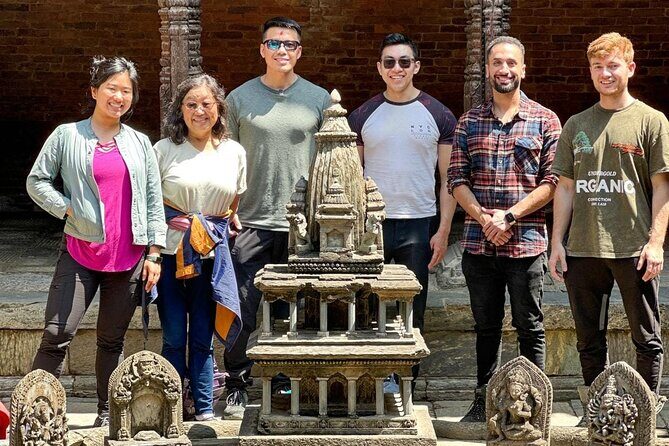
This tour is built for one specific goal: seeing the big UNESCO picture of Kathmandu in a single day, without you needing to organize vehicles, tickets, or navigation. If your time is short, it’s a smart shortcut—seven heritage sites across different city areas, handled in a logical route order.
I also like that the experience isn’t only about checking boxes. The guides (people like Sumit, Anon, and Sajina show up in bookings) tend to explain what you’re looking at in plain language: how the Durbar Squares relate to Nepali royal history, why places like Pashupatinath matter to Hindu devotees, and what Boudhanath represents for Tibetan Buddhist life. That kind of context turns a sightseeing day into a cultural orientation.
Here’s the drawback to take seriously: the day is long. Even though the scheduled duration is about 8–9 hours, door-to-door time can stretch further, especially if traffic or walking queues slow things down. If you’ve got a flight the same day, or you’re hoping for a relaxed pace after a trek, I’d think twice and consider splitting the UNESCO circuit into two shorter outings.
You can also read our reviews of more private tours in Kathmandu


Hotel pickup, air-conditioned ride, and the guide-led pacing
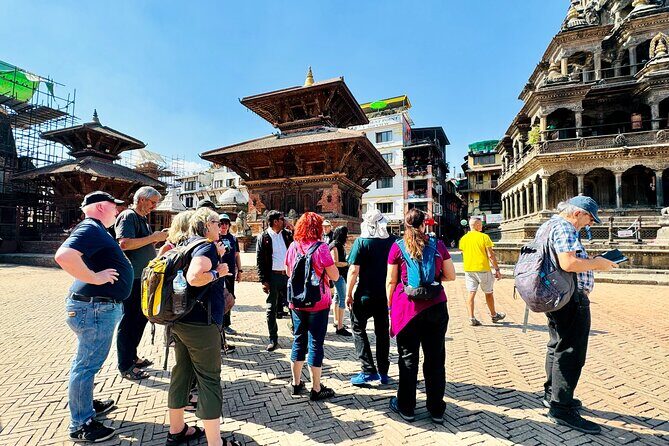
The best part of this format is how little you have to do. You get hotel pickup and drop-off, plus air-conditioned transportation. That matters in Kathmandu where street conditions can be chaotic—your time stays focused on the sites instead of battling logistics.
Your guide is the main ingredient. You’ll have English commentary throughout the drive and at each stop, and it’s designed to give you cultural context while you’re actually standing in front of the monuments. Multiple guides are mentioned across bookings—Sumit, Anon, Sajina, and others—and what stands out is that they keep things engaging without losing the plot. One review noted a guide who didn’t over-talk at sites, which is exactly what you want when you’re trying to look, not just listen.
Pacing is also guided. Most stops are timed to fit the full set of UNESCO locations, so don’t expect long museum-style browsing. In return, you get a day where the route keeps its momentum and you see a lot more than you could reliably pull off on your own in one go.
Lunch box rules: keep your energy steady between temples
Lunch is one of the quiet reasons this tour works. If you choose the option with the standard lunch box, you’ll get bottled water (500 ml) plus a mix like muffin/donut, banana, seasonal fruit, and juice. It’s not a fancy meal, but it’s designed to plug the gap between stops so you don’t spend 45 minutes searching for something that fits your schedule.
In practice, the day’s rhythm is: walk, look, absorb the guide’s story, then move on. That’s why I’d treat the lunch box like part of the itinerary, not a bonus. If you have a sensitive stomach, strong food preferences, or you know you get hungry fast, consider bringing a couple of extra snacks in your day bag. Some people specifically suggest carrying extra water and snacks because the long schedule can run up your appetite.
If you pick the all-inclusive option, the meal situation improves. That option can include food via a khana set or a choice of dishes, and it also folds in more of the day’s costs (including entrance fees).
Stop-by-stop: what you’ll see at each UNESCO site
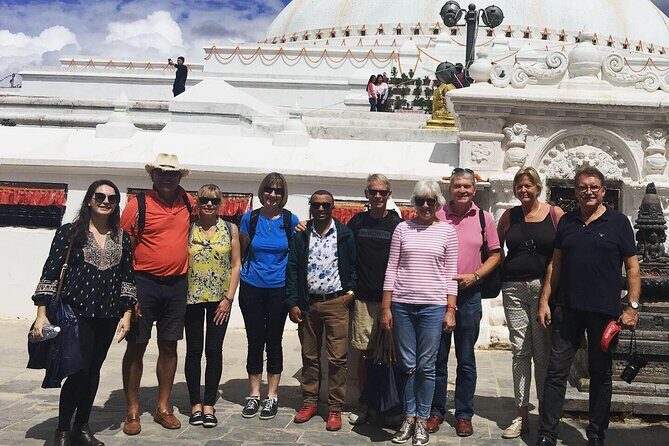
This is a seven-stop route, and each location has a different “point of view.” That’s a big part of the value: you’re not repeating one type of temple and square all day—you’re moving through different eras, traditions, and city neighborhoods.
Swayambhunath (Monkey Temple): hilltop views and 2,500+ years of sacredness
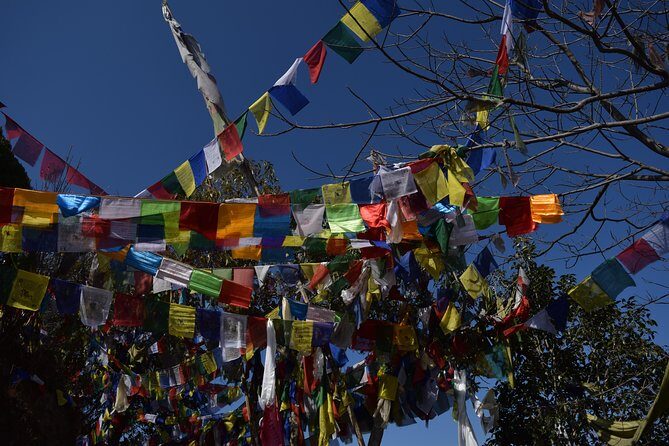
You start at Swayambhunath, perched on a hill above the Kathmandu Valley. It’s one of Nepal’s most iconic religious sites and is widely known as the Monkey Temple. The site is described as dating back over 2,500 years, which helps you understand why it feels so layered even during a short visit.
Your time here is roughly 40 minutes. That’s long enough to take in the main areas and soak up the atmosphere, but it’s not long enough for a slow, deep wander. Expect walking up and around the hill complex, so comfortable shoes matter.
A few more Kathmandu tours and experiences worth a look


Kathmandu Durbar Square (Hanuman Dhoka): royal power in the old city center
Next up is Kathmandu Durbar Square, also called Hanuman Dhoka Durbar Square. This is a historic royal complex that served as the palace area of the Malla and Shah kings of Kathmandu. It’s in the heart of the old city, so the atmosphere is different from the hilltop feel of Swayambhunath.
You’ll spend about an hour. That’s a good amount for seeing key parts of the complex and understanding why these squares are more than just scenery—they’re tied to political history and ceremonial life.
The only drawback: Durbar Squares are often where foot traffic concentrates. You may have to balance photo time with moving along with the group schedule.
Patan Durbar Square: Newari architecture and a palace-square vibe
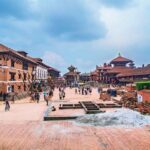
Then you head to Patan Durbar Square in Lalitpur. Patan is especially known for Newari architecture, and this square is described as a major center of art, culture, and spirituality. Like Kathmandu, it was once the royal palace complex of the Malla kings, which gives you a useful historical comparison between the two Durbar Squares you’re seeing in one day.
Again, you’re typically at this stop around an hour. For architecture lovers, this is one of the best time-to-value slots. For people who get overwhelmed by crowds, it can feel busy, but the guide’s context helps you scan with purpose.
Bhaktapur Durbar Square: medieval artistry and spiritual tradition
After Patan, the route moves to Bhaktapur Durbar Square. This is in the medieval city of Bhaktapur, described as a showcase of Nepalese artistry, history, and spiritual tradition. It was also part of a thriving royal palace complex of the Malla kings.
You get about an hour here as well. This stop often feels more “heritage-dense,” but the visit length is still controlled to keep the day on track. If you’re trying to buy souvenirs or browse at the edges, plan for quick stops rather than long shopping sessions.
Changu Narayan Temple: an older layer, dedicated to Vishnu
Next is Changu Narayan Temple, perched on a quiet hilltop northeast of Bhaktapur. It’s considered the oldest Hindu temple in Nepal, with origins dating back to the 4th century, and it’s dedicated to Lord Vishnu.
You’re here for about 30 minutes. That shorter timing can be a plus if you want a contrast to the Durbar Squares. The drawback is that you’ll have limited time for lingering at details, so rely on the guide’s explanations to pull meaning from what you’re seeing.
Pashupatinath Temple: the Bagmati river pilgrimage heart of Hindu Nepal
You’ll then visit Pashupatinath Temple, located on the banks of the sacred Bagmati River. It’s described as Nepal’s most important Hindu temple and a major pilgrimage site for devotees of Lord Shiva. This is one of the stops that tends to land emotionally because it’s active and spiritual by nature.
Time here is about an hour. You’ll likely spend that hour in a mix of viewing and listening—enough to understand why this site matters, not enough for a slow sit-down visit.
Practical note: it can involve steady foot movement near the river area. If you’re wearing shoes that aren’t comfortable for long stretches, you’ll feel it by mid-day.
Boudhanath Stupa: the Tibetan Buddhist spiritual center
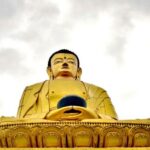
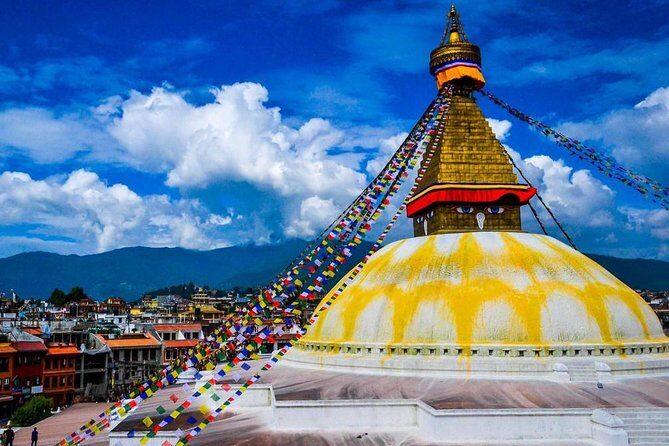
The final major stop is Boudhanath Stupa, described as one of the largest spherical stupas in the world. It’s the spiritual heart of Nepal’s Tibetan Buddhist community. The monument is also described as having a massive white domed shape, which gives it an immediate visual identity.
You’ll spend around 30 minutes here. That’s enough for a clear first impression and to understand the stupa’s importance, but it’s not a long contemplative window. If you’re hoping for a slow photography session, plan to arrive with that mindset and accept that the tour’s schedule decides your time.
Price and entrance fees: where the value really shows
The advertised price is $10 per person, and that’s why this tour gets booked often. But the real value equation depends on whether you choose the all-inclusive option.
In the standard setup, entrance fees are not included for the sightseeing monuments for group and private tour options, and the listed cost for that is $44 per person. In real-world terms, one common figure shared in bookings is around 6,000 Nepalese rupees in admission fees for the day. People also note that you’ll want cash in Nepalese rupees since payments are handled locally.
If you want fewer hassles, choose the all-inclusive option, which includes food (khana set or dish choice) and entrance fees. For a full UNESCO day, that choice can reduce stress, because you’re not stopping to pay or queue just for admissions while the clock runs.
Either way, treat it as a trade: you can save money by paying entrance fees yourself, or you can pay slightly more and reduce friction. For many people, all-inclusive is worth it because the day is already tight.
How long is the day, and how to make it feel easier
The scheduled duration is around 8 to 9 hours, and several bookings report it can run longer door-to-door. That time compression is why the guides keep tight pacing between sites.
Here’s how you make it work:
- Wear walking shoes. The route includes hilltop and multi-area sites, and you’ll add up steps fast.
- Plan around a long day. If you have a flight or a physically demanding trek the next day, schedule recovery time.
- Bring a small backup snack stash. The lunch box helps, but it’s still a long itinerary.
One of the best signals from bookings is that some guides can keep the energy up without turning it into a sprint. Others mention it can feel rushed depending on timing. Your guide and your group size both influence how “tight” the day feels, especially if the day’s traffic or crowd levels are higher than average.
Who should book this UNESCO day tour
This is a strong fit if:
- you have limited time in Kathmandu and want the major UNESCO highlights in one day
- you want a guide to connect history and religious meaning to what you’re seeing
- you’re comfortable with a full itinerary and don’t need long, slow museum-style visits
This is a weaker fit if:
- you want a relaxed pace
- you have a tight travel day with a same-day flight
- you’re hoping for deep time at just one or two places (because the day is designed to cover seven)
If you book a private option, you may also be able to tailor the plan. One booking mentions skipping Swayambhunath after already visiting it, which shows the guide can handle reasonable adjustments when you’re upfront.
Should you book it?
I’d book this tour when your main goal is fast, meaningful orientation to Kathmandu’s UNESCO sites. It’s good value for what you get: door-to-door logistics, an English-speaking guide, a lunch box, and seven UNESCO stops that would be hard to assemble on your own in one day.
I wouldn’t book it if you’re trying to recover from a trek or you’re the type who needs lots of quiet time inside monuments. In that case, look at splitting the sites across two days so each location gets the attention it deserves.
If you do book, pick the all-inclusive option if you hate dealing with entrance-fee cash on the street. Otherwise, plan to carry Nepalese rupees and expect some walking and tight timing. That’s the deal—and once you accept it, the day can feel like a very efficient introduction to Nepal’s sacred and royal heritage.
FAQ
What UNESCO sites are included in this Kathmandu tour?
The tour visits Swayambhunath, Kathmandu Durbar Square (Hanuman Dhoka), Patan Durbar Square, Bhaktapur Durbar Square, Changu Narayan Temple, Pashupatinath Temple, and Boudhanath Stupa.
How long does the tour take?
The duration is listed as about 8 to 9 hours, though door-to-door time may feel longer on a busy day.
Is lunch included?
Yes. You receive a lunch box that includes bottled water (500ml) plus items such as a muffin or donut, banana, seasonal fruit, and juice.
Are entrance fees included?
For the standard group and private options, entrance fees to sightseeing monuments are not included. The all-inclusive option includes entrance fees.
Do I need to bring cash for entrance fees?
If you book an option where entrance fees are not included, you should be ready to pay them on the day, and bookings mention paying in Nepalese rupees.
Is hotel pickup and drop-off included?
Yes. Pickup from and drop-off to your hotel is included by private vehicle.
Is the guide English speaking?
Yes. The tour includes an English-speaking professional tour guide.
Is transportation air-conditioned?
Yes. The tour includes air-conditioned private transportation.
Is there a mobile ticket?
A mobile ticket is mentioned as part of the experience.
Can I cancel for a full refund?
Yes. Free cancellation is available up to 24 hours in advance for a full refund.