REVIEW · KATHMANDU
14 Days Private Everest Base Camp Trekking Tour
Book on Viator →Operated by Yolo Hike · Bookable on Viator
Everest is the walk you earn. I like that this trip is private, so you’re not weaving around strangers, and it’s paced for the Everest Base Camp goal.
I also like the hands-on trekking setup: a certified guide plus a porter set-up that keeps your day focused on walking, not logistics.
The main drawback is simple and real: altitude is the whole game, and flights into Lukla depend on the flight schedule, so you’ll want strong fitness and some patience.
In This Review
- Key highlights worth your attention
- From Thamel to Tribhuvan: the first day sets the tone
- Lukla flight day to Phakding: fast altitude exposure, then calm walking
- Monjo checkpoint and the bridge-to-Namche push in Sagarmatha National Park
- Namche acclimatization and the Everest View Hotel check
- Tengboche to Dingboche: monastery spirituality plus pine-and-rhododendron steps
- Nangkartshang Peak (5083 m) and Lobuche: the altitude lesson before Everest Base Camp
- The Everest Base Camp moment, then Kala Patthar at dawn
- Coming down through Namche and back to Lukla: the repeat days that feel different
- Price and logistics: why $1,490 can feel fair on this trek
- Guides, porters, and the real “care” factor
- Who should book this trek, and who should reconsider
- Should you book Yolo Hike’s Everest Base Camp trek?
- FAQ
- Where does this private trek start?
- Is the trek really private?
- What flights are included?
- Do you fly from Kathmandu or Ramechhap to Lukla?
- Is Sagarmatha National Park entry included?
- Do I get a certified guide and porters?
- What kind of lodging do you use?
- What meals are included?
- What is not included in the price?
- How does cancellation work?
Key highlights worth your attention
- Private guide and porter ratio: certified guide with 1 porter for every two trekkers, with food, accommodation, insurance, and salary handled
- Lukla access by air: about 25 minutes from Kathmandu or about 20 minutes from Ramechhap, depending on your schedule
- Sagarmatha National Park entry at Monjo: you’ll cross Larpchen Bridge and Hilary Bridge with prayer flags right on the route
- Acclimatization that actually earns its keep: Namche stop plus a hike to Nangkartshang Peak (5083 m)
- Kala Patthar sunrise plan: you go at dawn because Everest views from base area can be limited
- Comfort upgrades: private bathrooms at Phakding, Namche, and Lukla on top of tea-house lodge stays
From Thamel to Tribhuvan: the first day sets the tone
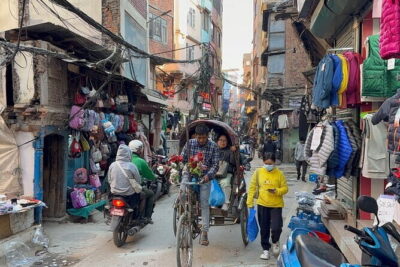
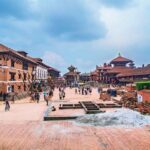
Your trek starts in Kathmandu, with a representative greeting you at Tribhuvan International Airport. From there, you’ll get a private transfer to your accommodation—then you’re free to reset your body and head into Thamel for dinner, snacks, and the general Kathmandu hum.
I like the way this day gives you breathing room. You land, you get handled, and you don’t spend your first hours guessing transport or chasing paperwork. You also get that fun first taste of Nepal right away: street food, small shops, and people moving in every direction.
The practical note: the trek is real work. Even on Day 1, keep your evening low-key. Think sleep, hydration, and an early start, because tomorrow involves a flight and a first hike that moves faster than you expect.
You can also read our reviews of more private tours in Kathmandu


Lukla flight day to Phakding: fast altitude exposure, then calm walking
After breakfast, you’re transferred to the airport in Kathmandu or Ramechhap, based on your flight schedule. Then it’s a short flight to Lukla—about 25 minutes from Kathmandu or about 20 minutes from Ramechhap—followed by a thrilling landing and a quick welcome from the sherpa team before you start trekking.
From Lukla, you’ll walk toward Phakding on stone-paved paths through the valley. This is one of those early days that feels both gentle and educational. You learn how your legs respond, how your breathing changes, and how quickly you warm up in the sun and cool down in the shade.
You’re also getting your first taste of the suspension-bridge rhythm—useful later when you’re tired and want something predictable. By the time you reach Phakding, it’s time to settle in and take your first good look at the mountains that will dominate your photos for the next two weeks.
Monjo checkpoint and the bridge-to-Namche push in Sagarmatha National Park
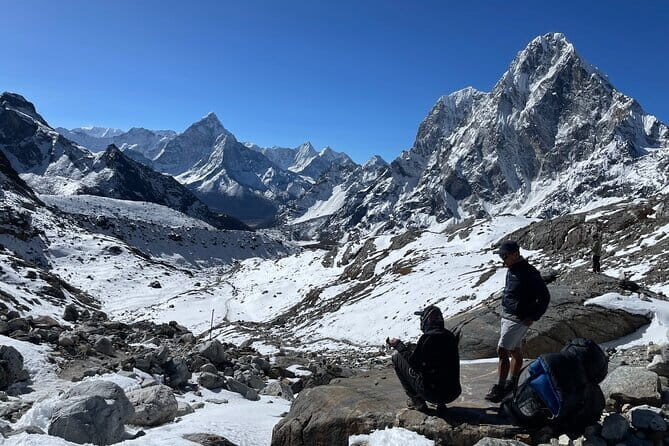
Today you enter Sagarmatha National Park through the Monjo checkpoint. That alone is worth paying attention to, because it means your trek is not just scenic—it’s regulated terrain with rules that help protect wildlife and vegetation.
The day includes crossing the Larpchen Bridge and Hilary Bridge, both lined with prayer flags that add color without trying too hard. As you keep walking toward Namche Bazaar, the trail shifts from valley textures into more mountain-forward views.
Namche Bazaar is busy in the way frontier trekking hubs are busy: lots of guesthouses, lots of porters, lots of trekkers. Here’s the value of staying overnight: you get a real acclimatization platform, not a quick stop where you only see the town from the trail and then leave.
One consideration: Namche is also where altitude starts to matter more. If you tend to rush, try not to. Walk slower than you think you need to walk. At altitude, it beats pride.
Namche acclimatization and the Everest View Hotel check
Acclimatization is a make-or-break part of this plan, and Day 4 is built around it. You’ll spend time in Namche and do an easy hike option around the area so your body gets the message: you’re going higher, but you don’t just sprint up.
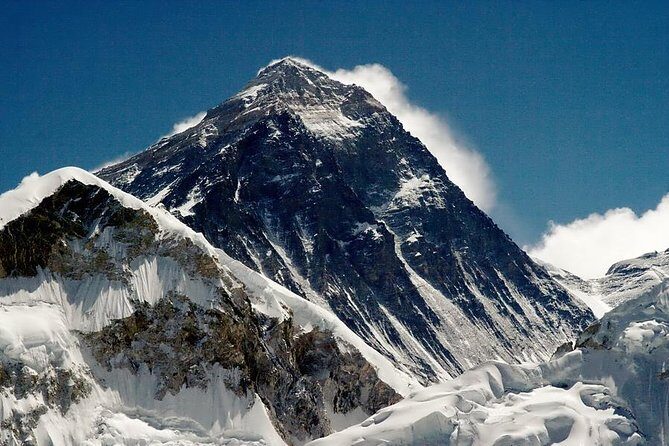
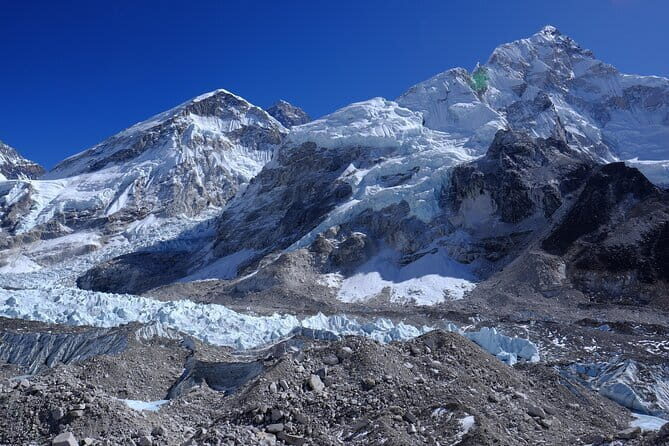
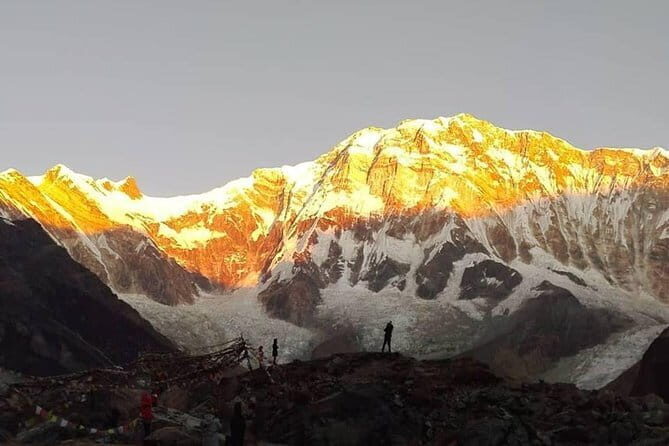
You’ll also visit the Everest View Hotel, described as the highest-altitude hotel and one of the best Everest viewpoints in the area. The payoff here is big: you get sweeping sightlines at a point in the trek where you’re still fresh enough to appreciate them. On clear days you’ll be able to see Mount Everest plus Ama Dablam, Nuptse, Lhotse, Thamserku, and Cholatse.
Then you return to Namche for the night. That night matters more than people think. Your body processes the altitude, your breathing levels out, and you wake up ready for tomorrow’s monastery day.
If you want one practical trick: on acclimatization days, don’t overdo it. It’s tempting to chase every viewpoint. I’d rather you save energy for the days that climb harder.
Tengboche to Dingboche: monastery spirituality plus pine-and-rhododendron steps
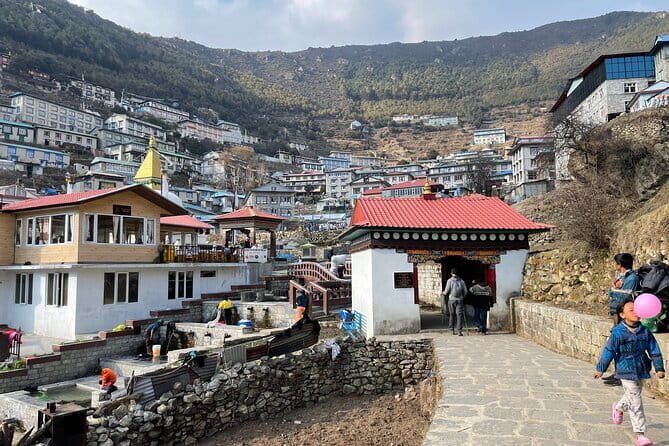
Leaving Namche, you’ll head toward Tengboche Gompa, one of the oldest monasteries in the Khumbu region. The spiritual side isn’t just decoration. If you like quieter moments on big trips, Tengboche is where the trek slows you down.
You’ll explore the monastery, then keep moving through forests and settlements. This section includes a mix of uphill and downhill walking, with suspension bridges above rivers later on as you work your way toward an Army Checkpoint before entering the Tengboche area.
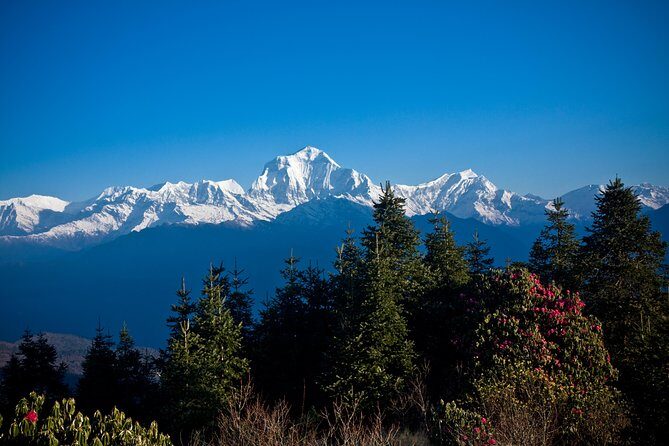
From there, the next day takes you to Dingboche. The trail passes through Debuche and continues through pine and rhododendron forest, which is one of those changes in the trek’s “feel”—more living color, less just rock and ice. You’ll also hike up toward Pangboche on the edge of the Lobuche River valley and have lunch before continuing toward Dingboche.
This day ends in Dingboche, where you’ll find cultivated areas like buckwheat and potatoes—small proof that people have built stable life here at altitude.
The consideration: these days are easier on paper but still physical. If your legs feel heavy, accept it and keep steps short.
You can also read our reviews of more hiking tours in Kathmandu



Nangkartshang Peak (5083 m) and Lobuche: the altitude lesson before Everest Base Camp
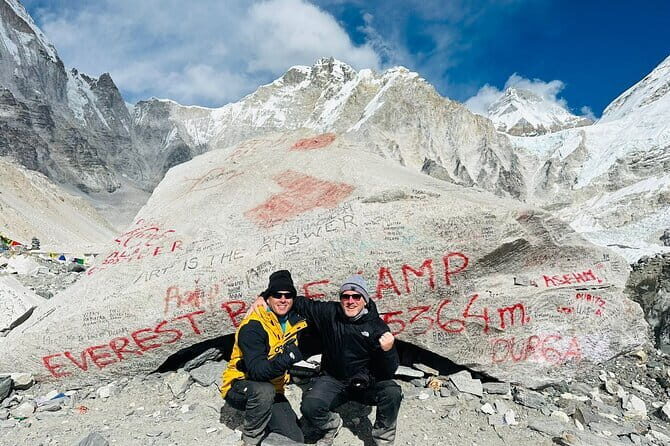
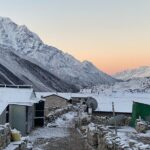
Dingboche is where the trek starts testing your acclimatization in a more serious way. You hike as a second acclimatization move to Nangkartshang Peak (5083 m). It’s short enough to be doable, but high enough to remind your lungs who’s in charge.
The views from this area are also excellent: Taboche, Island Peak, Ama Dablam, Lhotse, and Everest show up in a way that makes Everest feel close even before you get there.
Then the next day shifts toward Lobuche. You’ll start early—this isn’t just tradition. Starting early helps you avoid the stronger winds mentioned for this route. The trail climbs gradually, and you reach Thukla viewpoint, where the view of Mt. Lobuche can be seriously impressive.
After that, you descend for hours to reach Lobuche for the night. In practical terms, you’re building a skill set: start early, keep your pace steady, and don’t let wind or uneven ground throw off your rhythm.
The Everest Base Camp moment, then Kala Patthar at dawn
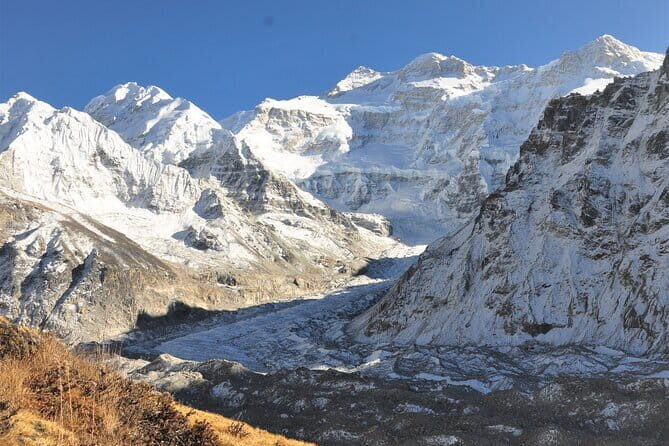
The big day comes from Lobuche to Gorakshep, then on to Everest Base Camp (5346 m). You start early, walk uphill through a rocky path between towering peaks, and then reach Gorakshep where you rest and eat before pushing on.
When you finally step into the Everest Base Camp area, it’s the kind of moment that hits even if you’ve dreamed about it for years. This is the operational heart for climbers—also a place where the mountain feels less like a picture and more like a real physical force.
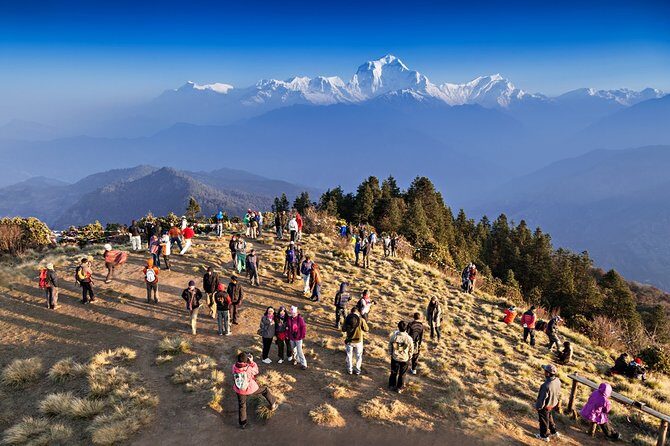
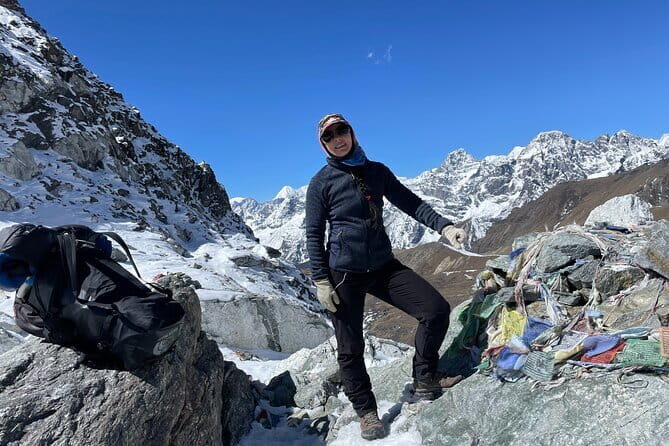
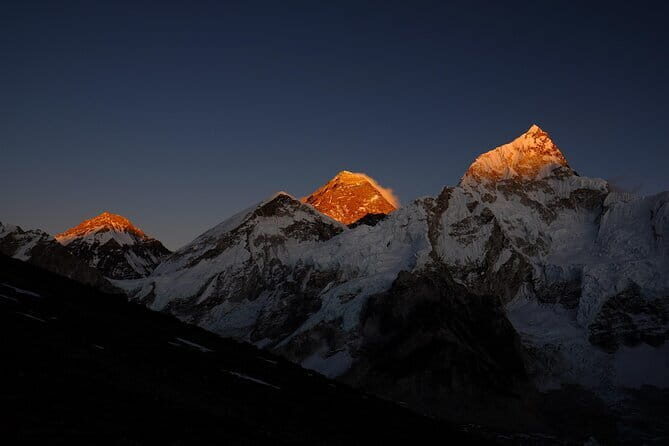
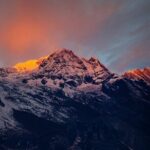
One key detail: you won’t count on a perfect Everest view from base area. So the next day is planned with intention. You head to Kalapatthar at dawn so you can catch sunrise over Mount Everest. The described colors—yellowish and reddish tones at the peak—are why this day is treated like the real finale.
You’ll then descend and stay overnight in Pheriche.
Practical tip for this stage: dawn means cold. Dress in layers you can manage without fighting your backpack straps.
Coming down through Namche and back to Lukla: the repeat days that feel different
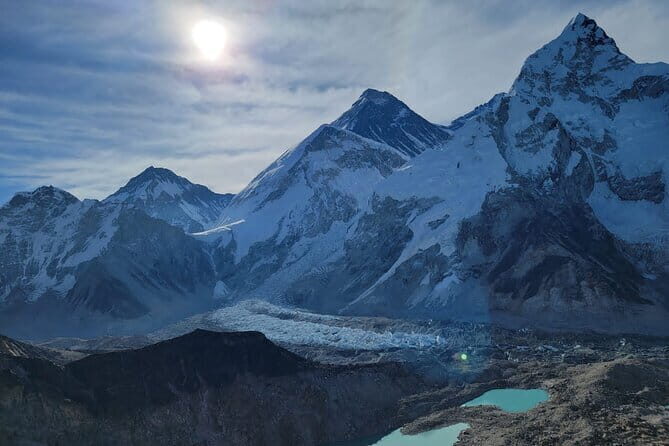
After the base camp and Kala Patthar high points, the trek turns into the art of returning. You walk back along the same core trail sections toward Namche, where you stay again for the next night.
Those repeat days are not wasted time. You now notice things you missed upward: how fast the air changes, how your pace has improved, and how your body adapts. It’s also mentally satisfying. Walking down often feels lighter when your goal is already in your memory.
Next you reach Lukla again, crossing paths through valleys and suspension bridges over the river on the way down. Once back in Lukla, you’ll have time to explore and shop for small souvenirs.
Then it’s back to Kathmandu by air, with a vehicle transfer to your accommodation. You’ll finish with a small farewell celebration, and that final evening can be surprisingly emotional: you’re tired, the mountains are behind you, and your photos stop being proof and start being personal.
Price and logistics: why $1,490 can feel fair on this trek
At $1,490 per person, the first question is simple: what are you paying for? On paper it’s a lot. In practice, this price covers the big-ticket items that usually blow up treks when you try to do them yourself.
You get flights Kathmandu–Lukla–Kathmandu, park fees for Sagarmatha National Park, and a guided team with a porter set-up (1 porter per 2 trekkers) that includes salary, food, accommodation, and insurance. You also get Kathmandu lodging (2 nights, twin-sharing), plus tea-house lodge stays during the trek described as best available, also twin-sharing.
Food is included too: breakfast (13), lunch (11), and dinner (13). And you’ll appreciate the comfort upgrade of private bathrooms at Phakding, Namche, and Lukla.
So what’s the trade-off? You’re paying for convenience and planning. If you love building your own itinerary, bargaining for guides, and improvising lodging, you may feel constrained. If you want a smooth, team-run mountain experience where the heavy thinking is handled for you, the cost starts to make sense.
Also: you receive a mobile ticket, and confirmation is provided at booking, which helps reduce on-the-ground stress.
Guides, porters, and the real “care” factor
This trek is private, which means your guide is tied to your group—not floating between random travelers. The guide is certified, and the porter system keeps your load manageable.
I also like how the operator side is described as handling the behind-the-scenes work. The owner operator Anil Bhatta has been credited with organizing permits, registrations, and hotel bookings, plus arranging guides and porters. That matters because trekking goes wrong most often when paperwork or timing slips.
On top of that, guides named like Ashok and TN Bhatta have been mentioned in the provider’s trekking context. Names aren’t the mountain, but they do hint at continuity and accountability—someone who shows up prepared, not someone who improvises.
Who should book this trek, and who should reconsider
This tour is best for you if you want a guided, private Everest Base Camp experience with a structured acclimatization plan and fewer choices to make each day. You’re especially a good match if you prefer to spend energy walking and enjoying the views, not planning which tea house has the best room.
You should reconsider if any of these describe you: weak altitude tolerance, low fitness, or zero flexibility around flight timing. The trek depends on scheduled flights into and out of Lukla, and altitude changes everything about how you feel day to day.
Also, keep your expectations realistic about bathrooms and comfort. You get private bathrooms in specific stops, but you’re still in tea-house trekking country. Pack for simple living and think layers, not luxury.
Should you book Yolo Hike’s Everest Base Camp trek?
If you want a well-run Everest Base Camp journey with clear pacing, strong acclimatization stops, and the big logistics handled—yes, I’d book it. The plan takes you through key waypoints like Monjo, Namche, Tengboche, Dingboche, Lobuche, then lands you at Everest Base Camp and finishes with the Kala Patthar sunrise goal.
You’re paying for certainty: certified guiding, porter support, park fees, lodging, flights, and meals. That can be the difference between enjoying the mountain and constantly managing small problems.
Just be honest with yourself about fitness and altitude, and accept that Lukla flight schedules are part of the deal. Go in ready to breathe slower, and this trek will reward you in a way no brochure can explain.
FAQ
Where does this private trek start?
The meeting point is Tribhuvan Airport in Kathmandu, Nepal.
Is the trek really private?
Yes. It’s described as a private tour/activity, and only your group will participate.
What flights are included?
The package includes flight ticket(s) for Kathmandu – Lukla – Kathmandu.
Do you fly from Kathmandu or Ramechhap to Lukla?
You’ll be transferred to the airport in Kathmandu or Ramechhap depending on the flight schedule. The flight time is about 25 minutes from Kathmandu or 20 minutes from Ramechhap.
Is Sagarmatha National Park entry included?
Yes. Sagarmatha National Park fees with all government taxes and services charges are included.
Do I get a certified guide and porters?
You’ll have a certified guide plus 1 porter for every two trekkers. The porter package includes salary, food, accommodation, and insurance.
What kind of lodging do you use?
You get 2 nights in Kathmandu on a twin-sharing basis, and during the trek you stay in tea house lodges on a twin-sharing basis (described as best available). You also get private bathroom access in Phakding, Namche, and Lukla.
What meals are included?
The itinerary includes breakfast (13), lunch (11), and dinner (13).
What is not included in the price?
Not included are travel insurance, international flight tickets, Nepal entry visa fee, soft drinks (including water and other beverages not listed), and personal expenses like bar bills and laundry.
How does cancellation work?
Cancellation is free. You can cancel up to 24 hours in advance for a full refund. If you cancel less than 24 hours before the experience’s start time, the amount paid is not refunded. The cutoff is based on local time.