REVIEW · KATHMANDU
Everest Base Camp Trek -17 Days
Book on Viator →Operated by Dream Himalaya Adventures Pvt Ltd · Bookable on Viator
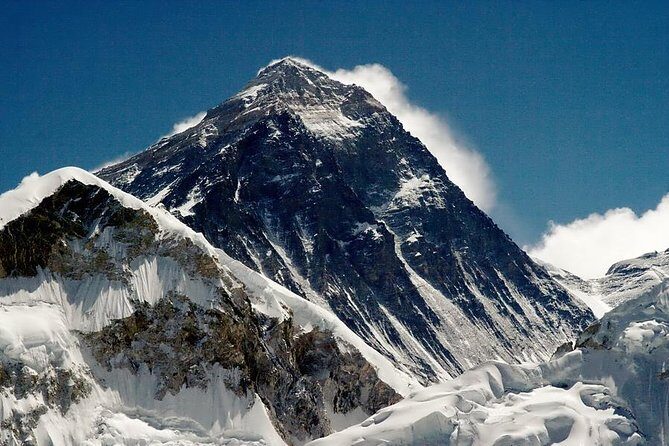
Everest Base Camp feels close, then turns vertical. This 17-day private trek runs from Kathmandu to Lukla and deep into Sagarmatha National Park, with Sherpa villages and monastery visits along the way. You’ll spend days walking high, acclimatizing smart, and chasing major mountain views.
I especially like two things. First, the Dawa-led team style is all about clear planning and steady communication. Second, the package covers all meals on the trek (plus hot drinks and treated drinking water), so you’re not constantly budgeting or second-guessing food.
The main consideration is health planning. You’ll want high-risk medical and evacuation insurance (the tour doesn’t include that for you), and you should show up with a moderate fitness level because altitude is the real boss here.
In This Review
- Key highlights to know before you go
- Entering The Everest Journey: What This Trek Is Really Like
- Kathmandu Setup Days: Hotels, Briefing, and Real Breathing Room
- Lukla to Phakding: The First Big Step at 2,800m
- The Climb Toward Namche Bazar (And Why Acclimatization Starts Now)
- Tengboche and Dengboche: Monastery Views Meet High-Altitude Reality
- Toward Lobuche and GorakShep: When the Air Gets Serious
- Everest Base Camp Day: The Classic Finish Line
- Kala Pattar and the Descent to Pheriche: The View Push That Matters
- Returning to Namche and Lukla: How the Trek Ends Without Drama
- What You Really Get for $2,000: Value That Isn’t Just Marketing
- The Human Side: Sherpa Culture and a Guide You Can Trust
- Practical Advice: Fitness, Insurance, and Altitude Timing
- Who This Trek Fits Best
- Should You Book This Everest Base Camp Trek?
- FAQ
- Where does the trek start and what time?
- How long is the Everest Base Camp trek?
- What is the price per person?
- Is pickup offered?
- Are domestic flights included?
- What trekking permits are included?
- Who guides the trek?
- Are meals included on the trek?
- Is there any plan for Lukla flight delays?
- Is cancellation free?
Key highlights to know before you go
- Private group trekking with transfers, guidance, and support handled for you
- Dawa and team logistics with strong communication during preparation
- Meals and hot drinks included daily, plus treated drinking water
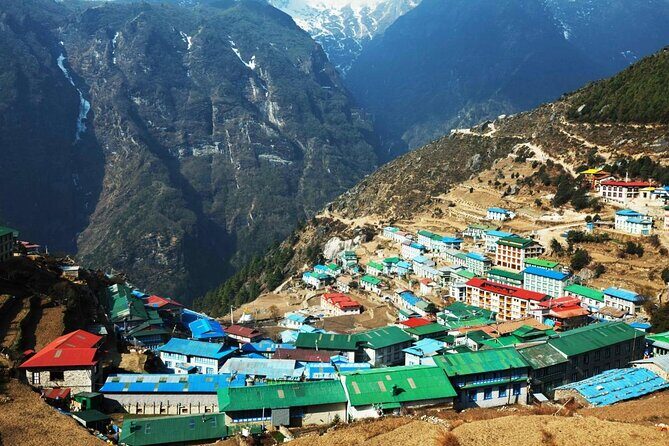
- Culture stops matter: Sherpa villages and monastery visits are built into the route
- Kala Pattar timing gives you a big viewpoint push before the descent
- An emergency buffer day in Kathmandu when Lukla flights are weather-dependent
Entering The Everest Journey: What This Trek Is Really Like
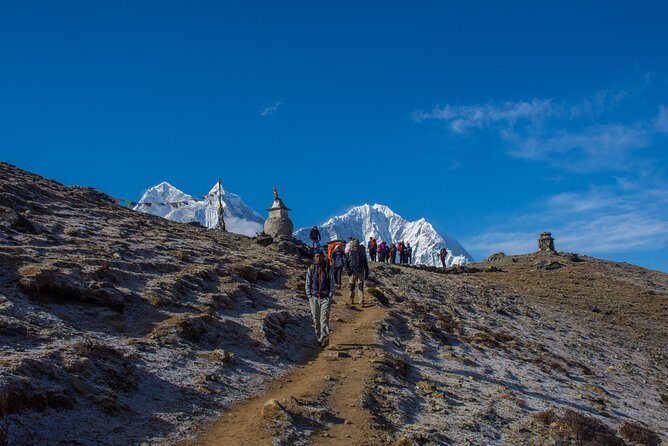
If you’ve ever pictured Everest as just a summit or just photos, this trek corrects that. You’ll learn quickly that the Everest Base Camp experience is mostly about the rhythm: walk, rest, hydrate, and adjust to altitude—again and again.
This trip is also built for people who want structure. You’re not left to arrange permits, pacing, porters, domestic flights, or daily meals on your own. Instead, you get a private guide team with Sherpa support and a route that steadily climbs toward the Khumbu heartland.
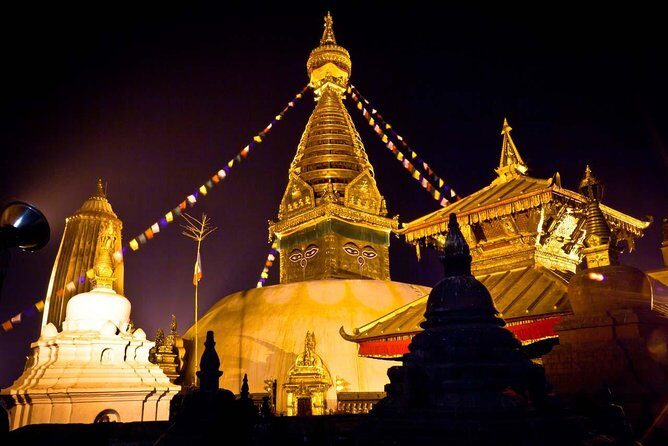
And yes, the views are the headline. But the other big draw is the human side: Sherpa villages, monasteries, and the calm hospitality that comes through at trail-level, not in a museum way.
You can also read our reviews of more hiking tours in Kathmandu


Kathmandu Setup Days: Hotels, Briefing, and Real Breathing Room
Day 1 is arrival in Kathmandu with a transfer to your hotel and a trip briefing. It’s a small detail, but I like that you start with orientation instead of guessing how the next days will work.
Then you get a Kathmandu sightseeing day plus time for preparation and packing. You’ll also have a half-day world heritage sites tour with a guide and private transport. For many trekkers, this is valuable because it gives your brain something to do before it has to focus purely on altitude and timing.
Your Kathmandu lodging is four nights in 3-star hotels (twin share, bed-and-breakfast). That’s a comfortable baseline before the trek nights.
Lukla to Phakding: The First Big Step at 2,800m
On trek day, the story begins with a domestic flight to Lukla, then a walk to Phakding. Lukla sits at 2,840m, and Phakding is listed at 2,610m, so you’re not instantly at the extreme heights—but you feel the altitude the moment you start moving.
This first walking day matters more than people think. It gets your legs working without demanding peak effort, and it helps you settle into trail pace before the real climb begins. It’s also the point where the trail community becomes obvious: trekkers, guides, porters, and frequent stops for water, rest, and small adjustments.
The Climb Toward Namche Bazar (And Why Acclimatization Starts Now)
From Phakding, you trek up to Namche Bazar, reaching 3,440m. That day is listed as about 5 hours, and it’s a classic way to start acclimatizing while still getting real elevation.
Then comes a day that I consider smart by design: you do a day hike in the Namche area and stay overnight in Namche. The route includes visits to Khumjung and Khunde at around 3,840m (listed there), for about 4 hours.
These acclimatization choices are where the trek becomes safer and more enjoyable. Instead of pushing nonstop, you get a chance to let your body adjust while still seeing the Sherpa-influenced culture and daily life.
Tengboche and Dengboche: Monastery Views Meet High-Altitude Reality
Next, you move to Tengboche (3,860m) for about 5 hours, with a monastery visit built in. That’s not just a cultural checkbox. Monasteries at this altitude often become mental reset points—quiet places where you breathe slower and take in the scale of the mountains.
From there you head to Dengboche (4,410m) in about 5 hours. This is where the trail starts feeling thinner, slower, and more deliberate. Your pace changes naturally, and that’s exactly what you want before going higher.
On the following day, you hike to a high viewpoint area (Nagarjun Peak is listed) for about 5 hours, then return for an overnight in Dengboche. Again, the pattern is clear: elevation, then adjustment, then elevation again.





Toward Lobuche and GorakShep: When the Air Gets Serious
You trek to Lobuche (4,910m) in about 4 hours. Then you continue to GorakShep (5,140m) in about 4 hours.
Even without fancy explanations, the numbers tell you what to expect: you’re now living in the altitude zone where effort is more expensive. This section is where you’ll appreciate having meals managed, hot drinks available, and treated water covered during the trek.
It also helps that you’re not doing this as a solo puzzle. With your guide and Sherpa support, you can focus on pacing and breathing instead of logistics.
Everest Base Camp Day: The Classic Finish Line
The big day is when you reach Everest Base Camp (5,364m) and then stay overnight back at GorakShep (5,140m). This is listed as about 6 hours.
This is the day most people think of first, and it delivers in two ways. One, you finally stand in the place your mind has built for weeks. Two, your body understands the altitude better once you’ve done the long walk up and the return down within the same day.
One practical tip: treat this as a stamina day, not an all-out sprint. Your goal is to arrive steady, enjoy it, then protect yourself for the next climbs.
Kala Pattar and the Descent to Pheriche: The View Push That Matters
The next day starts with the climb to Kala Pattar (5,550m), listed at about 4 hours, followed by a trek to Pheriche (4,210m) for about 4 hours.
Kala Pattar is a key moment because it’s the higher viewpoint push that frames everything you’ve done so far. If you want one day that feels like payoff for the climb and acclimatization work, this is it.
Then you descend to Pheriche. That drop is more than relief for tired legs. It’s your body regaining a little oxygen and normalizing breathing again. It also sets you up for the return route through Namche.
Returning to Namche and Lukla: How the Trek Ends Without Drama
You trek from Pheriche to Namche (3,440m) in about 6 hours. The descent-and-recovery rhythm changes here. Your effort may feel less punishing, but you still need to manage knees, energy, and hydration.
Then you trek to Lukla for about 6 hours. This is the final long walking day before your return flight.
You get an important buffer: an early morning flight to Kathmandu on Day 15, plus a free day in Kathmandu as an emergency option on Day 16 for Lukla-to-Kathmandu flight delays. That matters because the Lukla weather reality can change quickly.
Day 17 is international departure as scheduled.
What You Really Get for $2,000: Value That Isn’t Just Marketing
At $2,000 per person, this trek looks pricey until you compare it to what’s usually extra on many Everest programs. Here, the package covers a lot of the expensive headache items.
Included items that add real value:
- Round-trip domestic airfares (KTM–Lukla–KTM) with domestic airport taxes
- All airport-hotel-airport transfers by private vehicles
- 4 nights in 3-star hotels in Kathmandu (twin share, BB)
- Permits for conservation/national park and local/government taxes
- An experience Sherpa trek guide, plus support Sherpa staff and porters
- A trek duffle bag to each trek member
- All meals on the trek (breakfast, lunch, dinner) plus hot drinks and treated drinking water
- A trek first aid kit
- Insurance for guide and porters with emergency rescue
- A half-day world heritage sites tour in Kathmandu with guide and private transport
- A farewell celebration dinner
What’s not included (and you need to plan for):
- Your personal high-risk medical insurance (including emergency evacuation cost)
- International flights and major meals in Kathmandu
- Personal trek gear
- Tips for guide and porters
- Bottle water/boiled water, soft drinks, and beer
- Personal expenses like calls and laundry
- Any extra costs from unforeseen circumstances
So the real value question is simple: does $2,000 remove enough logistics stress that you can actually focus on the trek? For most people, yes. Domestic flights and permits alone can be a major chunk of total cost on Everest-style itineraries. Add the guide, porters, daily meals, and hot drinks, and this becomes less about paying for walking and more about paying for a controlled, supported experience.
The Human Side: Sherpa Culture and a Guide You Can Trust
This itinerary explicitly includes Sherpa villages and monasteries, not just high-altitude viewpoints. That means you’ll understand the region as a living community, not a backdrop.
It also helps that the guiding style here has a reputation for professionalism and accommodation. In particular, the guide named Dawa shows up in feedback as someone who manages details well and stays flexible when needs change. I take that seriously for a trek where weather, energy, and altitude can alter plans.
You’ll also be supported by Sherpa staff and porters, which matters because the trek is already demanding. The fewer tasks you handle yourself, the more attention you can put into pacing, hydration, and staying calm when your body slows down.
Practical Advice: Fitness, Insurance, and Altitude Timing
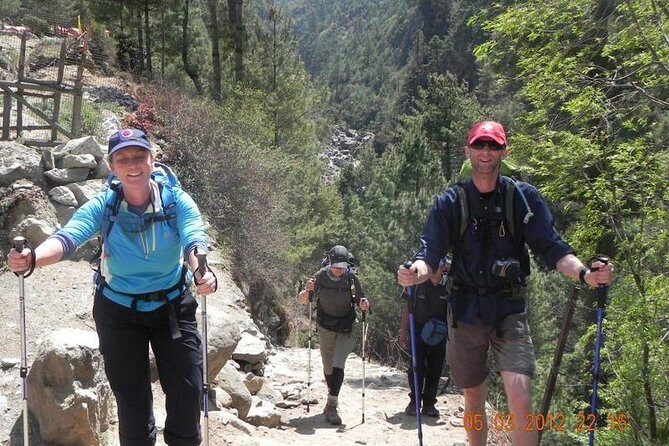
The trip says you should have moderate physical fitness. That’s reasonable, but it doesn’t mean this is a casual hike. Altitude makes everything harder, especially once you’re moving above 4,000m for multiple days.
Before you go, I’d treat insurance as non-negotiable. The tour includes insurance for guides and porters, but it does not cover your medical/easy evacuation needs. For Everest area trekking, that can be the difference between a manageable plan and a catastrophic one.
On the trek itself, your comfort tools are already included: treated drinking water, hot drinks, and all meals. Still, your job is to use them. Sip often. Eat what you can. Don’t wait until you’re wiped out.
Who This Trek Fits Best
This is a great match if:
- You want a private experience rather than sharing logistics with strangers
- You like having plans handled (permits, domestic flights, meals, guides, porters)
- You want a blend of Everest goals and Sherpa culture stops
- You’re okay paying for support so you can focus on walking and recovery
It may feel like too much structure if you’re the type who wants total independence and hates fixed schedules.
Should You Book This Everest Base Camp Trek?
If you want Everest Base Camp with real planning power behind it, I’d say yes—especially if your priority is reducing stress. The combination of private transfers, domestic flights, permits, daily meals, and strong guide support makes this feel like a guided expedition rather than a DIY adventure.
Book it if you’re ready for altitude and will handle the one major gap: your own high-risk medical/evac insurance. If you take care of that, this itinerary gives you a clear path to the big days—Everest Base Camp, then Kala Pattar—without forcing you to solve logistics at 5,000m.
FAQ
Where does the trek start and what time?
The experience starts at Tribhuvan Airport, Kathmandu, Nepal, with a start time listed as 12:15 am.
How long is the Everest Base Camp trek?
The trek is listed as 17 days (approx.).
What is the price per person?
The price is $2,000.00 per person.
Is pickup offered?
Yes. All airport-hotel-airport transfers by private vehicles are included.
Are domestic flights included?
Yes. Round trip KTM–Lukla–KTM domestic airfares with domestic airport taxes are included.
What trekking permits are included?
The tour includes necessary trekking permits, including Conservation/National Park and Local and govt. taxes.
Who guides the trek?
An experience Sherpa trek guide is included, along with support Sherpa staff and porters.
Are meals included on the trek?
Yes. All meals on trek days are included (breakfast, lunch, dinner), along with hot drinks and treated drinking water.
Is there any plan for Lukla flight delays?
Yes. Day 16 is listed as a free day and an emergency day for Lukla–KTM flight.
Is cancellation free?
Yes. You can cancel up to 24 hours in advance for a full refund, and the policy says free cancellation is available.