REVIEW · KATHMANDU
Kathmandu and Pokhara: 6 Days in the Heart of Nepal
Book on Viator →Operated by KJ Adventure Nepal Private Limited · Bookable on Viator
A good Nepal trip hits culture and scenery fast. This 6-day mix does it with Kathmandu heritage plus Pokhara views. You get a guided route that also gives you real time to breathe between temples and mountain outlooks.
I especially like how the Kathmandu day groups major sights in a sensible order, so you’re not zigzagging across the city all day. You also get a Pokhara schedule that starts early for Sarangkot sunrise and then slows down with lake time on Phewa Lake.
One thing to consider: you’ll have long travel blocks and at least one early start, so it’s not the best choice if you want a totally lazy pace. Still, the private transport helps a lot with the stress level.
In This Review
- Key moments that make this tour work
- Entering Nepal: airport transfer and where you actually start
- Kathmandu in a focused day: Durbar Square to Swayambhunath
- Kathmandu Durbar Square: royal temples and working city life
- Pashupatinath: architecture, spirituality, and the Bagmati river
- Boudhanath Stupa: one of the world’s great Buddhist monuments
- Swayambhunath: the hilltop shrine with layered meaning
- Getting to Pokhara: the 5–6 hour drive and why it’s worth it
- Pokhara sunrise and the “icons” day: Sarangkot, Bindhya Basini, Falls, Cave, Pagoda
- Sarangkot before the sun: Annapurna views from 1,592m
- Pokhara valley sightseeing: Devi’s Fall, Gupteshwor Cave, and World Peace Pagoda
- Phewa Lake boating: the payoff after the walking
- Heading back to Kathmandu: a reset day plus a farewell dinner
- Departure day: picked up based on your flight time
- Price and value: what $730 covers (and what you’ll plan for)
- Who this tour suits best (and who might want a different pace)
- Should you book this 6-day Kathmandu and Pokhara tour?
- FAQ
- What is the start time and meeting point?
- Does the tour include airport pickup or transfers?
- Is the tour private or shared?
- Does the tour include the boat ride on Phewa Lake?
- What’s included in the Kathmandu and Pokhara sightseeing?
- What about meals and drinks?
- How far is Pokhara from Kathmandu and how long does it take?
Key moments that make this tour work
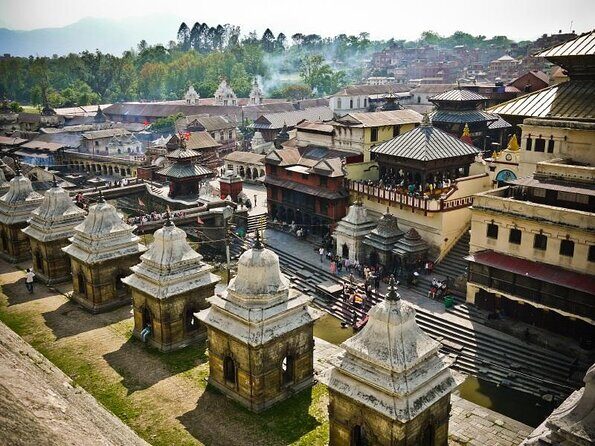
- Kathmandu’s top spiritual stops in one day: Durbar Square, Pashupatinath, Boudhanath, and Swayambhunath.
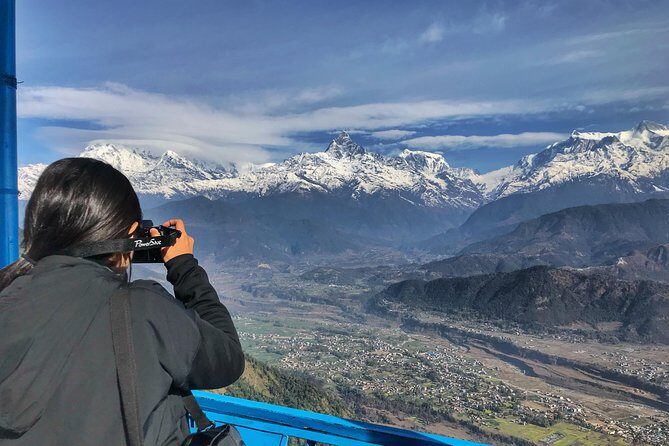
- Sarangkot at pre-sunrise hours: a timed push for Annapurna Massif and Mt. Machhapuchhre views.
- Pokhara “big icons” day: Devi’s Fall, Gupteshwor Cave, World Peace Pagoda, International Mountain Museum, and more.
- Easy downtime built in: boating on Phewa Lake plus room to rest after arrival in Pokhara.
- Real guide support: an English-speaking guide for Kathmandu and Pokhara sightseeing.
- KJ Adventure’s practical coordination: reviews repeatedly highlight Kunjan’s fast help with last-minute travel needs like flights and transfers.
Entering Nepal: airport transfer and where you actually start
Your trip begins with a representative meeting you at Tribhuvan International Airport in Kathmandu and transferring you to your hotel. That matters more than it sounds. Kathmandu arrivals can be chaotic—new city, new traffic rules, and sudden decisions. Having someone greet you and get you to the right place helps you get your bearings fast.
The tour is also set up as a private experience. That means only your group participates, not a mix of strangers. There’s a minimum of 2 people per booking, so it’s aimed at couples, friends, and small groups. If you’re the kind of traveler who likes to ask questions without competing for attention, this structure usually feels better.
Also worth noting: you’ll use a mobile ticket for the experience. That’s small, but it reduces the amount of paper wrangling that can turn into a time sink at busy checkpoints.
A few more Kathmandu tours and experiences worth a look
Kathmandu in a focused day: Durbar Square to Swayambhunath
Kathmandu’s best magic is that history doesn’t sit in a museum. It lives in streets, temples, and the routines of daily worship. This day route leans into that, stacking the biggest sights with enough guidance to connect them.
Kathmandu Durbar Square: royal temples and working city life
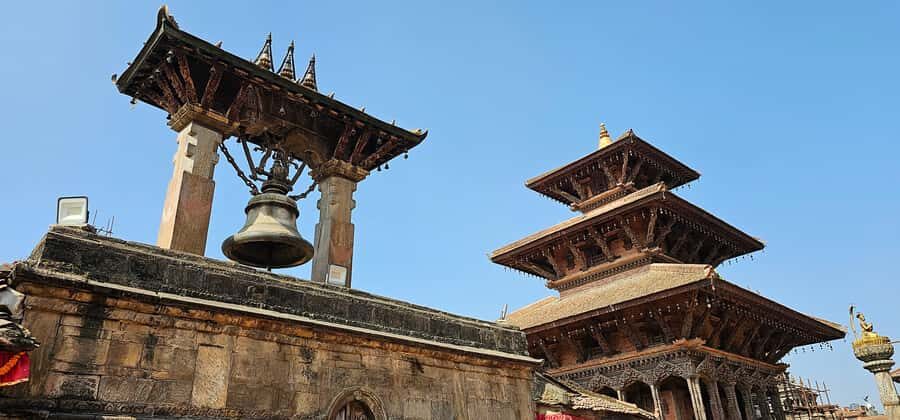
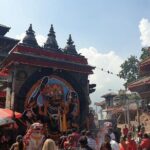
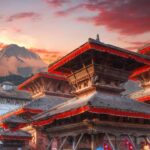
Kathmandu Durbar Square is the former royal heart of the city, and it shows. You’ll see a cluster of temples tied to Hindu gods and goddesses, along with key spots like Kumari Ghar and Taleju Temple. There are other named landmarks too, including Kasthamandap, Kaal Bhairav, and Jagannath Temple.
What I like about this stop for your trip planning: it’s not just one monument. It’s a whole “city within the city,” and walking it feels like you’re learning how power and religion were tied together. The included admission time for this stop (about 1 hour 30 minutes) is long enough to look closely without turning into a rushed sprint.
Pashupatinath: architecture, spirituality, and the Bagmati river
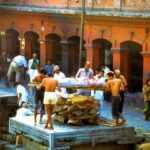
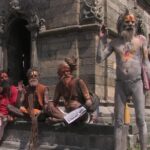
Pashupatinath Temple is one of the holiest Hindu shrines in South Asia and a major spiritual magnet. You’re looking at the iconic two-tiered golden temple, plus many Shiva lingams. The practical detail you should know: tourists are not allowed inside the temple premises, but you can witness open cremation activity along the Bagmati river.
That’s not a casual sight. It’s intense, meaningful, and very much part of local religious practice. If you’re sensitive to ritual scenes, go with a respectful mindset and take it slowly. A good guide here can make the difference between feeling lost and actually understanding what you’re seeing.
Boudhanath Stupa: one of the world’s great Buddhist monuments
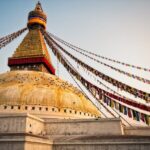
Next is Boudhanath Stupa, described as one of the biggest and oldest Buddhist monuments in the world. It’s said to be the tomb of Kassapa Buddha, and the stupa’s mandala-style design uses three levels decorated with colorful prayer flags.
I like Boudhanath because it hits a different tone than Pashupatinath. It can feel both vibrant and tranquil at the same time—busy with movement around the stupa, yet steady in its spiritual rhythm. You’ll get about 1 hour 30 minutes here, which is usually enough to watch how people circle the stupa and read the symbolism at your own pace.
Swayambhunath: the hilltop shrine with layered meaning
Finally, you’ll visit Swayambhunath Temple, a Buddhist stupa on a western hillock. It’s known as one of the top attractions in Kathmandu, and it carries importance across Buddhist and Hindu culture.
This is the kind of stop where a guide helps you make sense of the jumble: shrines, monasteries, temples, a museum, and a library all sit under the bigger umbrella of the stupa complex. The included time (again, about 1 hour 30 minutes) is enough to wander without turning it into a race to get photos.
Getting to Pokhara: the 5–6 hour drive and why it’s worth it
On day 3, you travel from Kathmandu to Pokhara by road—200 km, typically about 5–6 hours. The ride takes you along Prithvi Highway, passing terraced fields, green valleys, occasional bazaars, and changing terrain.
A road transfer can be a drawback in theory. In practice, it often helps your trip because you’re not just teleporting between two places. You’re gradually moving from the dense capital feel into the softer rhythm of western Nepal.
Once you arrive, you can choose how you want to spend the afternoon. The plan gives you the option to rest or take a walk around Phewa Lake. That flexible slot is smart. Pokhara can feel like a reward after Kathmandu—especially if you’ve already done a full day of temple sightseeing.
Pokhara sunrise and the “icons” day: Sarangkot, Bindhya Basini, Falls, Cave, Pagoda
Day 4 is built around dramatic viewpoints and famous nearby attractions. It starts before sunrise with an excursion to Sarangkot.
Sarangkot before the sun: Annapurna views from 1,592m
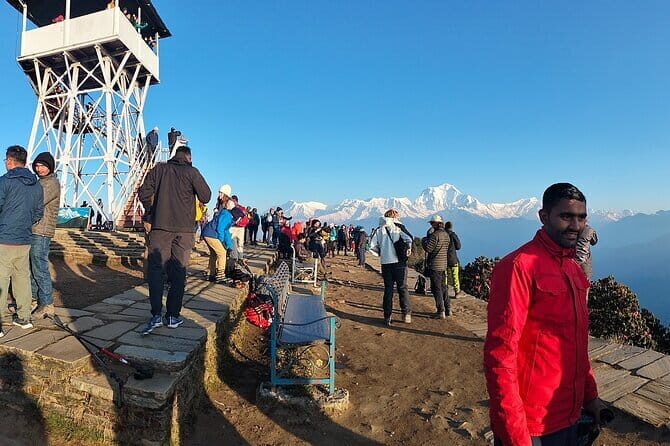
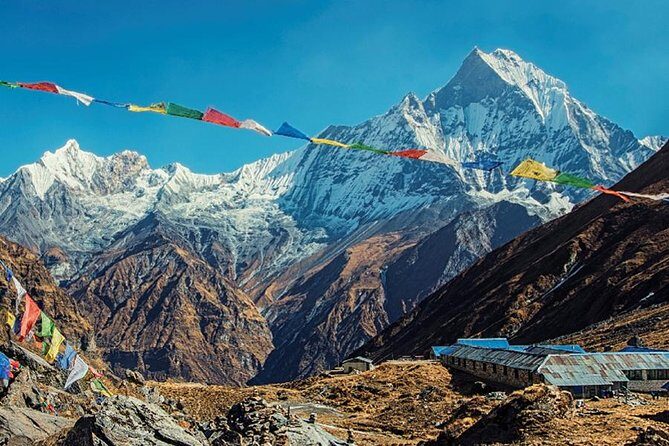
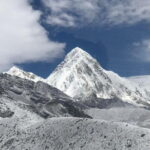
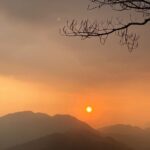
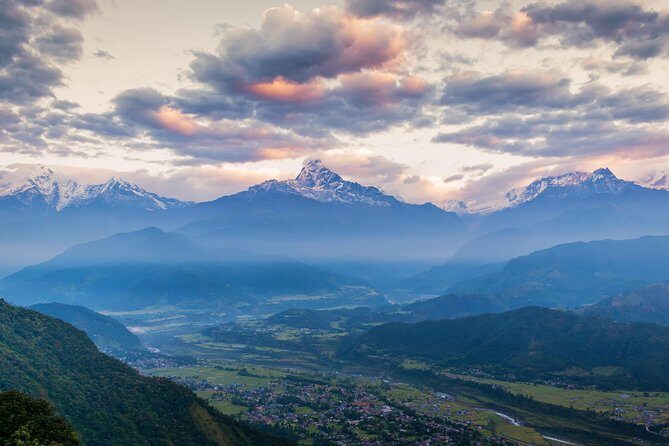
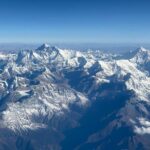
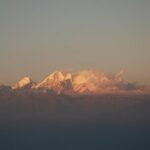
Sarangkot sits at 1,592 meters and is a famous sunrise viewpoint. The payoff is a strong view of Annapurna Massif and Mt. Machhapuchhre when conditions cooperate.
This early timing is a commitment, but it’s also the most “Nepal” part of Pokhara. You’re watching the sky change while the Himalaya stay cool and distant in the background. The schedule then includes a stop back at your base, plus a visit to Bindhya Basini Temple, which sits on a tiny hill in Old Pokhara and is dedicated to Lord Durga (an incarnation of Parvati).
If you want to time your photos right: the sunrise viewing window is your priority, and Bindhya Basini is a calmer religious stop after that.
Pokhara valley sightseeing: Devi’s Fall, Gupteshwor Cave, and World Peace Pagoda
After breakfast, you explore a set of major Pokhara landmarks, including:
- Devi’s Fall (a distinctive waterfall scene)
- Gupteshor Cave (a cave visit)
- World Peace Pagoda (a viewpoint/pilgrimage-style stop)
- International Mountain Museum
This mix is useful because it doesn’t lock you into only one theme. You get natural features (falls and cave), a peace-focused structure, and then a museum element that can help you understand the mountain world you’re staring at from afar.
One practical note: cave and fall sites can be a bit more slippery or uneven depending on conditions. Wear something you trust, and don’t plan on wearing your best footwear. Your guide should help you pace it safely.
Phewa Lake boating: the payoff after the walking
You’ll do an 8-hour day segment in Pokhara with included boating on Phewa Lake (one hour). This is the part where the schedule stops feeling like a checklist and turns more into a break.
A short boat ride works well here because Phewa Lake is the visual heart of Pokhara. Even if the water is calm and you’re not doing any active adventure, you’re still shifting perspective—looking at the lake, shoreline, and temple rhythms from the water instead of from land.
It’s also a nice contrast after the cave and falls. Mentally, it helps you reset. You can talk, snack, and just watch the light move across the surface.
Heading back to Kathmandu: a reset day plus a farewell dinner
Day 5 returns you to Kathmandu by road. This is another day where travel takes up time, but the plan keeps it straightforward: after breakfast you go back, and once you arrive you’re escorted to your hotel to rest.
In the evening, the representative picks you up for a final dinner in Kathmandu. This is a small inclusion, but it helps your trip feel complete. You’re not hunting down plans at the last minute, and it gives you a moment to decompress after Pokhara.
Departure day: picked up based on your flight time
On day 6, the representative receives you from the hotel according to your flight time and escorts you to the airport. This is one of those practical touches that keeps the ending smooth. Flights often force last-minute scheduling stress, and having a buffer with a local hand usually reduces mistakes.
The tour ends back at the meeting point, and the tour start location is listed as Nepali Ghar Hotel on Amrit Marg in Kathmandu, with a start time of 8:00 am.
Price and value: what $730 covers (and what you’ll plan for)
At $730 per person for roughly 6 days, the big value is that the package isn’t just transportation plus “see things.” It includes:
- Luxury private transportation
- 3-star accommodation in Kathmandu and Pokhara on a bed-and-breakfast basis
- One-hour boat ride on Phewa Lake
- An English-speaking tour guide for Kathmandu and Pokhara sightseeing
- Government and local taxes
- Sightseeing site fees in Kathmandu and Pokhara
- Farewell dinner in Kathmandu
To judge value fairly, you also have to look at what’s not included: international airfare, Nepalese visa fee, lunch and dinner, extra nights if you need them, travel insurance, personal expenses, and tips for guide and driver.
So the real question is how much you want to manage yourself. If you’d rather spend your mental energy enjoying temples and views (instead of working out tickets, site fees, and timing), this package structure can feel like good value. If you already know you’ll want to add lots of independent dining and activities, then the included meals gap just means budgeting more day-to-day.
Also, private transport and included site fees usually matter most for comfort. Kathmandu traffic is not a “wander and hope” situation. Having your route and transport handled saves time and reduces fatigue.
Who this tour suits best (and who might want a different pace)
This 6-day plan is a strong fit if you want:
- A guided culture day in Kathmandu with major religious monuments
- A Pokhara highlights day with sunrise and famous nearby sites
- Easy lake time without committing to all-day active hiking
- A private setup (only your group), but still with guide help
It may be less ideal if you want a slow, unstructured trip. Sarangkot starts before sunrise, and the Kathmandu–Pokhara–Kathmandu road transfers are significant. You’re packed with meaningful stops, not random wandering.
If you’re traveling as a couple or small group and you like having coordination taken care of, this format hits a sweet spot.
Should you book this 6-day Kathmandu and Pokhara tour?
I’d say yes if you want a smart, time-efficient introduction to Nepal without feeling like you have to assemble everything yourself. The mix of UNESCO-level heritage sites in Kathmandu and the Pokhara sunrise plus lake ride is a practical balance: it keeps variety high while still staying doable in six days.
I’d think twice if you’re chasing a totally relaxed schedule or you dislike early starts. If your priority is moving slowly and staying in one place longer, you might prefer a longer itinerary.
If you do book, my advice is simple: plan for long sight days and be ready to respect the spiritual places—especially where cremation along the Bagmati river is part of the viewing reality at Pashupatinath.
FAQ
What is the start time and meeting point?
The tour starts at 8:00 am at Nepali Ghar Hotel, Amrit Marg 26, Kathmandu.
Does the tour include airport pickup or transfers?
Yes. A representative receives you at Tribhuvan International Airport in Kathmandu and transfers you to your hotel. On departure day, a representative escorts you to the airport based on your flight time.
Is the tour private or shared?
It’s private, meaning only your group participates. There is a minimum of 2 people required per booking.
Does the tour include the boat ride on Phewa Lake?
Yes. You get a one-hour boat ride on Phewa Lake, included in the package.
What’s included in the Kathmandu and Pokhara sightseeing?
You’ll have an experienced English-speaking guide for the Kathmandu and Pokhara sightseeing. Sightseeing site fees in Kathmandu and Pokhara are included too.
What about meals and drinks?
Lunch and dinner are not included. Your accommodation is bed-and-breakfast, and there is a farewell dinner included in Kathmandu.
How far is Pokhara from Kathmandu and how long does it take?
The road distance is about 200 km and the drive typically takes 5–6 hours.