REVIEW · KATHMANDU
6-Day Nepal Buddhist Pilgrimage Tour Package (Kathmandu and Lumbini)
Book on Viator →Operated by Welcome Nepal Treks P.ltd · Bookable on Viator
Buddhism in Nepal, neatly organized. This 6-day small-group pilgrimage connects Kathmandu’s Buddhist monuments with a flight or drive to Lumbini, the Buddha’s birthplace area, then eases you back to Kathmandu. I like that the team lines up a true airport meet and keeps the route practical, with guided stops focused on what you can actually see and understand.
My second big plus is the built-in full transport and bed-and-breakfast rhythm, so you’re not juggling taxis or figuring out logistics mid-trip. The main thing to think about: meals beyond breakfast aren’t included, and the Kathmandu–Lumbini transfer can mean a long day if you go by road (the program lists about 8 hours).
In This Review
- Key things I’d focus on before you book
- Why this Kathmandu-to-Lumbini route works in 6 days
- Day 1 Kathmandu: Thamel time and an easy first night
- Day 2 Patan Durbar Square, Kathmandu Durbar Square, and Swayambhunath steps
- Patan Durbar Square: courtyards, chowks, and Tushahity
- Kathmandu Durbar Square: the royal heart
- Swayambhunath (Monkey Temple): views plus symbolism
- Day 3 Lumbini transit: 1 hour by flight or a full 8 hours by road
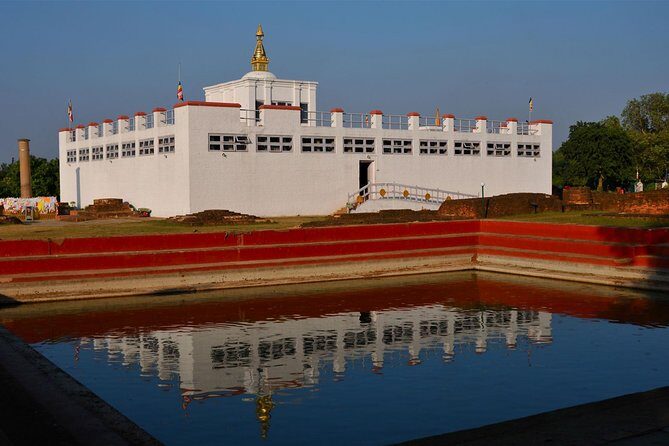
- Day 4 Lumbini Peace Park: Mayadevi temple, holy pond, and the Buddha’s birthplace area
- The Mayadevi temple context
- The holy pond (Puskarini) and ritual space
- Day 5 back to Kathmandu: give yourself time to absorb
- Day 6 Kathmandu and airport transport: a clean, low-stress finish
- Price and value: what $600 buys you (and what it doesn’t)
- What you get for your money
- What you’ll still handle on your own
- Guides, communication, and how this team seems to run trips
- Who should book this Buddhist pilgrimage tour?
- Should you book this 6-day Kathmandu and Lumbini tour?
- FAQ
- Where is the tour start point?
- Is pickup included?
- How many days is the tour?
- How much does the tour cost?
- How do you travel between Kathmandu and Lumbini?
- What’s included in the accommodation?
- Are breakfasts included?
- Are lunch and dinner included?
- What is the group size limit?
- Can I cancel for a full refund?
- What information is required at booking?
Key things I’d focus on before you book
- Airport meet at Tribhuvan: you start with a clear, human handoff on arrival.
- Small group size (max 15): easier pacing for temple days and less chaos at viewpoints.
- Guided temple context: you’re not just looking at buildings; your guide helps connect them to Buddhist practice.
- Lumbini transfer options: private car or flight, with very different time demands.
- Buddhist sights in Kathmandu that flow well: Patan Durbar Square, Kathmandu Durbar Square, and Swayambhunath in one run.
- Bed-and-breakfast stays: you get a real base each night, with breakfast included for 5 days.
Why this Kathmandu-to-Lumbini route works in 6 days
If you’re coming to Nepal for Buddhism, this itinerary has a smart shape. You spend the first part of the trip in Kathmandu where temples, courtyards, and old royal complexes make it easy to understand how Buddhism lives in daily space. Then you fly (or drive) to the south for Lumbini, where the mood changes to pilgrimage pace and quiet reflection in the peace park area. You don’t try to cram too many far-flung sites across the country, which is what often turns a “spiritual journey” into a travel headache.
The second reason I like the structure is pacing. You start on Day 1 with hotel check-in and time to settle into Thamel, then build up to longer guided blocks around Kathmandu’s major sacred sites. Your last day stays light, with free time and a private airport transfer. That matters because even temple days can wear you out—especially if you’re walking, climbing steps, and sharing space with other visitors.
One more practical win: your guide and transport are set for you, which reduces the risk of wasting half a day on logistics. That’s a big deal on a short, purpose-driven trip.
A few more Kathmandu tours and experiences worth a look
Day 1 Kathmandu: Thamel time and an easy first night
Day 1 is designed as a soft landing. You check in to your hotel and get time to wander in Thamel, the Kathmandu neighborhood most visitors use as a base. This is useful even if you don’t plan to shop. You can grab water for the road, find a café for lunch on your own, and get your bearings fast before the big temple day.
I also like that the tour starts with a real meeting plan: the meeting point is Tribhuvan Airport, and the stated start time is 9:00 am. A good first day isn’t about seeing everything. It’s about making sure you don’t feel lost when jet lag hits or when you land and just want someone to handle the next step.
What you should watch: this day is mostly setup. If you’re the type who wants a checklist of monuments on Day 1, you might find it restful rather than action-packed.
Day 2 Patan Durbar Square, Kathmandu Durbar Square, and Swayambhunath steps
This is your core Kathmandu Buddhist day, and it’s heavy in the best way. The program pairs old royal complexes and sacred spaces so you can see how power, religion, and community overlap. It also keeps the route efficient by stacking three major stops in a single guided block.
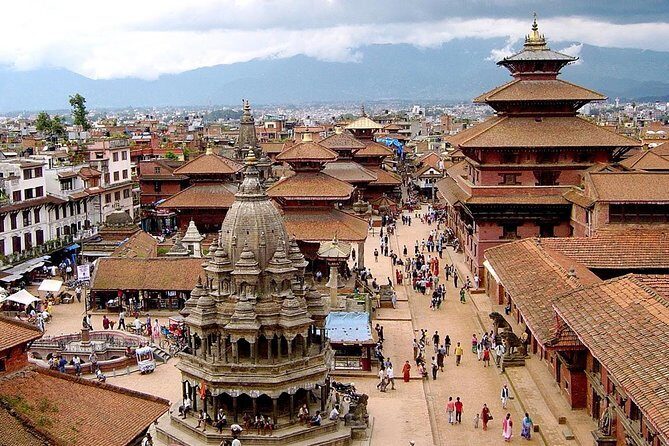
Patan Durbar Square: courtyards, chowks, and Tushahity
Patan’s Durbar Square is more than a pretty photo stop. The square is described as a mix of palace buildings, artistic courtyards, and pagoda-temple style architecture. It’s also presented as the former royal palace complex, historically tied to religious and social life. There’s even a museum context inside the complex, with items like bronze statues and religious objects.
The really specific, helpful detail here is the layout: there are three main courtyards or chowks—Mul Chowk, Sundari Chowk, and Keshav Narayan Chowk. And at Sundari Chowk, there’s the Royal bath called Tushahity. That kind of detail is exactly what a guide is useful for: you’ll know what you’re looking at instead of just wandering.
Kathmandu Durbar Square: the royal heart
Then you move to Kathmandu Durbar Square. The program lists it alongside Patan as part of the same guided arc, which usually means your guide ties it into the same broader story: why these plazas matter and how they function as sacred public spaces.






Swayambhunath (Monkey Temple): views plus symbolism
Finally comes Swayambhunath, also known as the Monkey Temple. It’s the stop where the physical effort makes sense because it pays off with city views and a strong sense of place. Even if you’ve seen images online, being there is different. You feel how a pilgrimage site anchors a city view, and you also get that mix of devotion and everyday activity that Nepal does so well.
One practical note: monkey temples can be chaotic. Keep your belongings secure and stay alert around the steps.
Day 3 Lumbini transit: 1 hour by flight or a full 8 hours by road
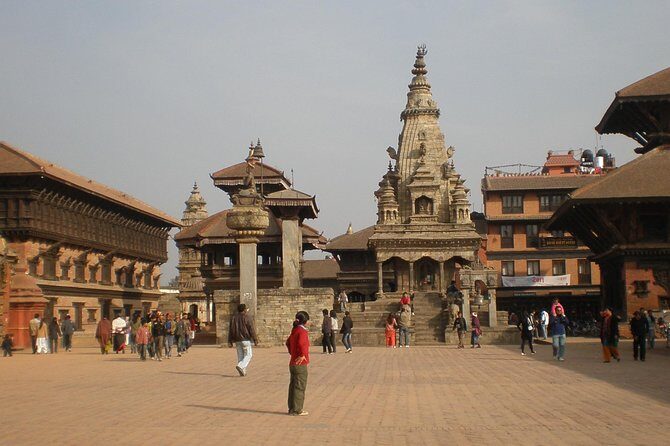
Day 3 is travel, but it’s still part of the pilgrimage rhythm. After breakfast, you move toward Lumbini either by drive or by flight. The program lists two time scenarios: about 8 hours by private car or about 1 hour by flight.
This is a make-or-break point for comfort. If you’re sensitive to long stretches in the car, the flight option can feel like a gift. If you don’t mind slow travel and you’d rather watch the landscape roll by, the road option can be okay—just budget for a very long sitting day.
The other practical takeaway: the tour includes transport for the whole experience, so you’re not booking vehicles separately or hunting for onward connections. In a short itinerary, that saves energy.
Day 4 Lumbini Peace Park: Mayadevi temple, holy pond, and the Buddha’s birthplace area
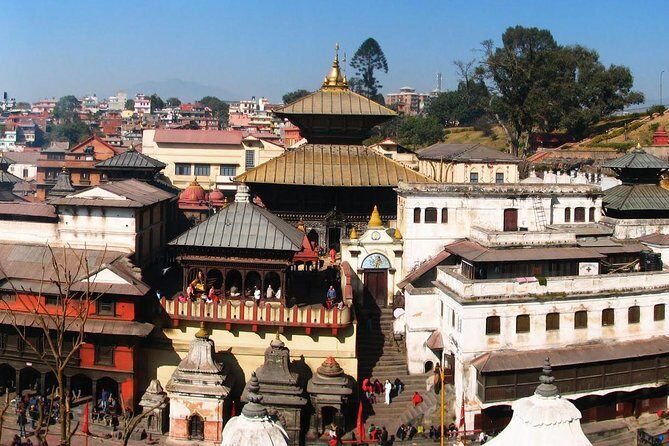
Lumbini is the emotional center of this trip, and the program keeps you there long enough to feel like you’re not just passing through. You’re going to Rupendahi district, and you’ll focus on the sacred “peace park” area plus key pilgrimage sites.
The Mayadevi temple context
Lumbini is widely associated with the story of Siddhartha Gautama’s birth, and the program specifically notes the claim that Queen Mayadevi gave birth there. The tour also ties Lumbini into the broader arc of Buddhist pilgrimage geography—one of the four major magnets often linked with the life of the Buddha, alongside Kushinagar, Bodh Gaya, and Sarnath.
That context matters. Without it, you might treat each temple like a standalone attraction. With it, you’ll feel the connection between place and meaning. The program also notes that the Buddha lived in Lumbini until the age of 29, which helps explain why people return here across generations.
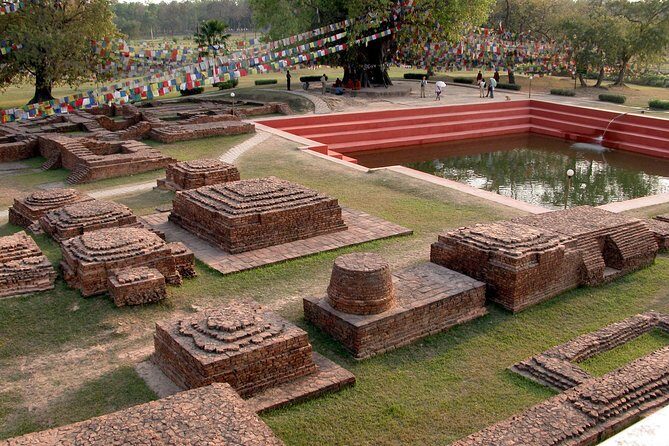
The holy pond (Puskarini) and ritual space
Another key site is the Puskarini, called the Holy Pond in the program notes. It’s tied to a ritual story involving the Buddha’s mother. Again, your guide’s role becomes important here. Even if you’re not a scholar, you’ll understand why the pond sits at the center of so many pilgrim memories and ceremonies.
Also, the program mentions multiple temples in the area, including the Mayadevi temple, with others under construction. That’s worth keeping in mind if you’re expecting a perfectly untouched park. You may see activity, scaffolding, or updates—part of a living pilgrimage landscape.
Day 5 back to Kathmandu: give yourself time to absorb
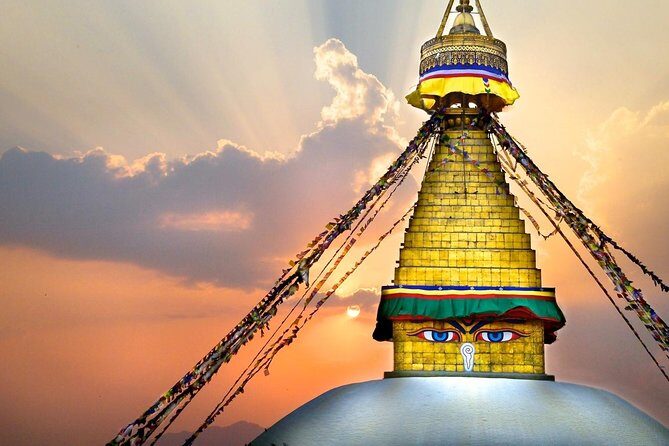
Day 5 shifts back to Kathmandu after breakfast. The program provides a drive or flight back, keeping the same logic as Day 3: faster if you fly, slower but possible if you go by road.
I like this day because it’s not built around another long set of climbs. Instead, you get a reset. You can think about what you saw in Lumbini, then plan your own pace in Kathmandu without feeling behind.
If you want to make this day count, think about simple choices: revisit a spot with a calmer attitude, or use the afternoon to sort out souvenirs you didn’t have time to look at on Day 1. The goal is not to pack in more temples. It’s to let the trip land.
Day 6 Kathmandu and airport transport: a clean, low-stress finish
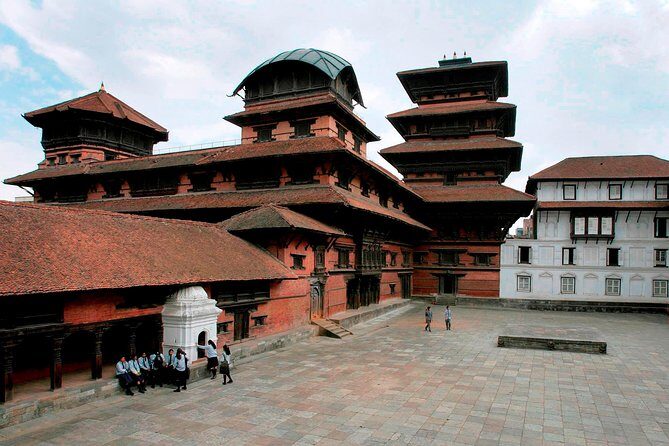
On Day 6, you get breakfast again, then free time until departure. That flexibility is important on the last day because flight times vary and energy levels vary too. When it’s time to go, the program provides private transport to Tribhuvan Airport.
This is the kind of finish that reduces stress. You’re not calling for last-minute cars, and you’re not guessing how long traffic might take. For many people, a smooth last day is what determines whether the trip feels “worth it” even after you’re home and reflecting.
One more detail: the tour is small group capped at 15 travelers. That can help keep departure organized rather than turning into a scramble at the airport.
Price and value: what $600 buys you (and what it doesn’t)
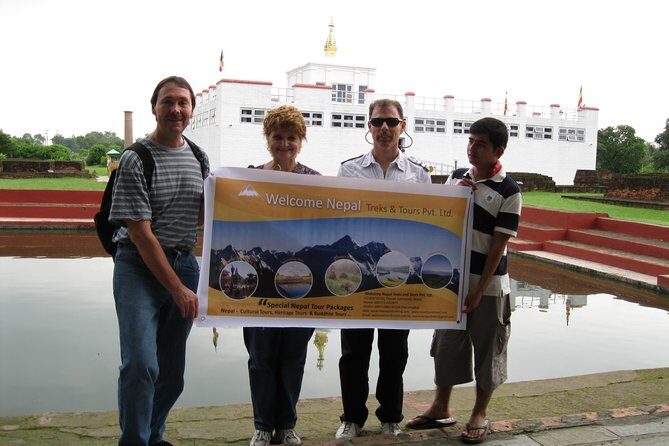
The price listed is $600 per person for roughly 6 days. For value, what matters most is what’s included versus what you’ll pay yourself.
What you get for your money
You’re covered with:
- Accommodation on a bed-and-breakfast basis (twin or double sharing)
- All transport according to the program
- Kathmandu city tour with a guide
- Kathmandu to Lumbini via private car or flight
- Government taxes, VAT, official expenses, and service charges
- Breakfast included 5 times
That’s a lot of “invisible” costs handled for you: vehicles, timing coordination, and local guiding.
What you’ll still handle on your own
Not included:
- Lunch, dinner, snacks, and mineral water unless mentioned
- Personal expenses like laundry or phone calls
So the real budget looks like: the base package covers the big items, and you pay for daily food beyond breakfast. If you’re counting every rupee or you want to eat only Western meals, it’s smart to plan your lunch/dinner costs ahead.
Guides, communication, and how this team seems to run trips
The service reports are consistently upbeat, and they give you useful clues about how the trip is actually run. Names that come up include Hari, Nawa, Rabina, Dipendra, and drivers such as Rajesh and Deepak. The pattern is clear: people felt the trip was well organized, and communication was good from arrival onward.
One small detail worth noting: at the airport, some guests describe a welcome with a flower mala. It’s not essential, but it signals that the team shows up for you and doesn’t treat airport pickup like a formality.
Based on what’s described, this is the type of tour where your guide doesn’t just repeat facts. They help connect the places to meaning and keep the pace smooth across multiple sacred stops. That’s exactly what you want on a pilgrimage where context makes the sites feel real.
Who should book this Buddhist pilgrimage tour?
This tour is a strong fit if you:
- want a religion-and-place trip rather than a sightseeing sprint
- prefer small group travel with transport handled
- like guided context at major sites in Kathmandu and Lumbini
- want a short, structured route that still includes the key pilgrimage focus of Lumbini
It may not be ideal if you:
- hate long travel days and might feel drained by an 8-hour road transfer option
- expect lunch and dinner to be included
- want a deeply off-the-beaten-path Nepal experience rather than major pilgrimage sites
Should you book this 6-day Kathmandu and Lumbini tour?
I’d book it if you want an efficient, guided Buddhist pilgrimage with low logistics friction. The inclusion of airport meet, transport all the way, bed-and-breakfast, and a guide for the Kathmandu Buddhist highlights makes the package feel practical rather than vague. And Lumbini on Day 4 gives you enough time to take in the spiritual purpose without feeling constantly rushed.
I’d think twice if you’re on a tight meal budget or if you know you’ll feel miserable on a long car ride. In that case, check whether your plan uses the faster flight option for the Kathmandu–Lumbini legs, and plan your lunch/dinner spending accordingly.
If you want a calm, meaningful route that gets you to the Buddha’s birthplace area without turning your trip into an organization project, this one makes sense.
FAQ
Where is the tour start point?
The tour starts at Tribhuvan Airport, Kathmandu, Nepal, with a listed start time of 9:00 am.
Is pickup included?
Yes. Pickup is offered, and the tour is arranged so you can meet your guide at the Kathmandu Airport.
How many days is the tour?
It’s a 6-day tour, with timing across the itinerary described as approximately 6 days.
How much does the tour cost?
The listed price is $600.00 per person.
How do you travel between Kathmandu and Lumbini?
You travel by private car or flight. The program notes about 8 hours by drive or about 1 hour by flight.
What’s included in the accommodation?
Accommodation is on a bed-and-breakfast (BB) basis, in twin or double sharing rooms.
Are breakfasts included?
Yes. Breakfast is included for 5 days.
Are lunch and dinner included?
No. Lunch, dinner, snacks, and mineral water are not included unless specifically mentioned in the itinerary.
What is the group size limit?
The tour has a maximum of 15 travelers.
Can I cancel for a full refund?
Yes. The policy states free cancellation, with a full refund if you cancel up to 24 hours in advance of the experience’s start time.
What information is required at booking?
You’ll need the passport name, number, expiry, and country for all participants. The operator also asks you to share dietary requirements if you have them.