REVIEW · KATHMANDU
Langtang Kyanjin Gompa Trek – 11 Days
Book on Viator →Operated by Overland Trek Nepal · Bookable on Viator
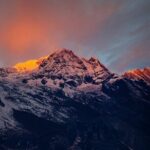
Altitude, monasteries, and serious mountain views. I like this trek because it gets you to Kyanjin Gompa at 3,800m in the Langtang National Park area, and the day-trip climb to the Tsergo Ri viewpoint is built for big panoramas. I also like the human side: an English-speaking guide and steady support that can feel especially reassuring if you are hiking solo, including responsive help from guides like Nick (Gautam). One consideration: it is not a stroll—the route includes steep climbs, like the tough five-hour push to Tsergo Ri—so you should plan on moderate fitness and smart pacing.
The trip also takes care of your “first day nerves.” You start with Kathmandu orientation and a half-day guided loop of major sights, then you drive to Syabrubesi (about 132km) so you’re not wasting time on logistics while you’re already thinking about altitude.
If you like a trek that mixes cultural context with real trail time, this one fits. If you want a very easy hike or zero-weather risk, you might feel the constraints—this experience depends on good weather.
In This Review
- Key things to know before you go
- Why Kyanjin Gompa Feels Different From a Standard Trek Stop
- Kathmandu Setup: Durbar Square, Stupas, and an Orientation That Actually Helps
- The Drive to Syabrubesi (132km) and Your First Taste of Mountain Trekking
- From Heavily Forested Climbing to Ghora Tabela (and a National Park Post)
- Yamphu and the Moraine Viewpoint Reveal of Kyanjin Gompa
- Tsergo Ri Day: Prayer Flags, Switchbacks, and a Serious Five-Hour Climb
- Retracing the Steps: Lama Hotel and Syabrubesi on Days 8 and 9
- Back to Kathmandu: Leisure Time, Farewell Photos, and a Smooth Airport Exit
- Altitude, Fitness, and Weather: What You Should Plan For
- Price and Logistics: Is $1,249 Good Value for This Trek?
- Who This Tour Suits Best (and Who Might Want Something Different)
- Should You Book This Langtang Kyanjin Gompa Trek?
- FAQ
- What is the highest point reached on the main 11-day trek?
- How do transfers work for getting to and from the trek?
- Are meals included during the trek?
- What trekking permits are included?
- Do I need my own travel medical insurance?
- What happens if the trek can’t run due to weather?
Key things to know before you go
- Kyanjin Gompa at 3,800m: you reach a high settlement with monasteries and small lodges, set inside Langtang National Park.
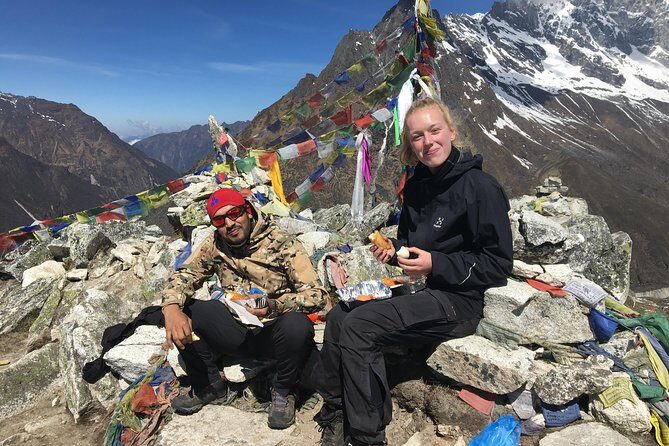
- Tsergo Ri is a workout: the viewpoint day is described as a tough five-hour climb, with switchbacks and prayer flags at the top.
- National Park framing matters: the route is within the protected area, so you are trekking with conservation in mind and you might spot wildlife.
- Kathmandu isn’t tacked on: you get an orientation meeting plus guided stops at major Kathmandu Valley sites before the mountains.
- A private-group feel: it is listed as private, so your group stays together rather than mixing with strangers.
- Guides that communicate: feedback highlights guides like Nick (Gautam), Anil, and Pemba for safety-minded responsiveness—useful if you have questions.
Why Kyanjin Gompa Feels Different From a Standard Trek Stop
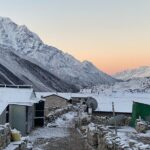
Kyanjin Gompa isn’t just a dot on a trekking map. It is a working community—at a high altitude you still find monasteries, small lodges, and local life tied to the Tamang and Sherpa cultures. You are also trekking in a protected zone: Langtang National Park is meant to conserve biodiversity, which changes the tone of the hike from just scenery-seeking to being in an actual ecosystem.
There’s also a neat detail that helps you picture the place beyond prayer flags. The area includes Yala Cheese factory, started in 1955 by the Swiss Association for Technical Assistance. That kind of history makes the settlement feel lived-in, not staged.
And yes, the views are the reason people come—but the setting is the second reason. You are not only chasing a panorama; you’re arriving at a high-altitude spiritual and social hub.
Worth noting: the trek is designed to reach Kyanjin Gompa and then return by retracing the route. If you want a longer, summit-focused version, the trip overview also points to extensions like Kyanjin Ri (4,783m) or Tserko Ri (4,984m). Those are for trekkers with extra time and comfort at higher elevations.
You can also read our reviews of more hiking tours in Kathmandu
Kathmandu Setup: Durbar Square, Stupas, and an Orientation That Actually Helps
Day 1 is a straightforward Kathmandu landing: you’re met at the airport, transferred to your hotel, and given the rest of the day free to get your bearings. Day 2 adds something that matters before you hike: an orientation meeting plus a half-day guided tour of Kathmandu Valley.
The planned stops include:
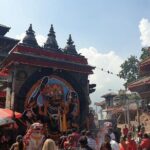
- Kathmandu Durbar Square (Newari architecture)
- Boudhanath Stupa and Swayambhu Stupa (with pilgrims)
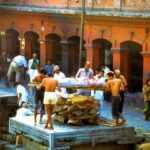
- Pashupatinath temple (the big Hindu landmark)
For most people, this is more than sightseeing. It helps you understand what you’ll be seeing later on the trail—especially the blend of Hindu and Tibetan Buddhist influence common in the region. When you walk past gompas later, you’re not starting from zero.
It also gives you a mental reset before Syabrubesi. Instead of going straight to the bus and immediately worrying about altitude, you get context and a buffer.
Practical note: this is a guided segment, and it is listed with admission tickets as free for the tour’s Kathmandu components. That’s one less variable to manage while you’re planning the rest of your trip budget.
The Drive to Syabrubesi (132km) and Your First Taste of Mountain Trekking
On Day 3, the logistics shift from city to trail. After breakfast and an orientation meeting, you drive to Syabrubesi, about 132km from Kathmandu. You’re trading paved roads for trail rhythm soon, so I like this order: you arrive with a plan and you’re not trying to decode the first day while you’re tired.
Day 4 is the first real trekking entry. From Syabrubesi, the trail branches off the main road and heads north. You cross over the Bhote Koshi on a suspension bridge, then follow turns that bring you into old Syabrubesi village—complete with a monastery visit in a small stone building.
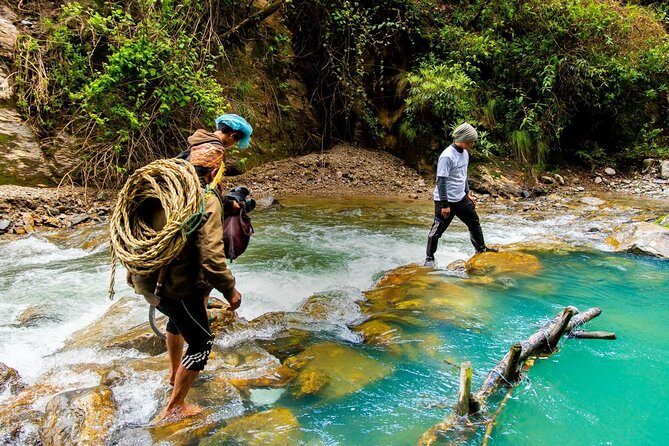
Then comes the “trail basics” sequence that you’ll experience often in Langtang: bridges, short forest walks, and streams that force you to pay attention. You cross:
- a bridge over the Langtang Khola
- a log bridge
- another suspension bridge by the Doman area, including a waterfall stop
You also pass settlements and forests, with the trail described as going through a landslide area. That’s a heads-up for your boots and your balance. Even if you’re an experienced hiker, crossing a log bridge after a moving start can catch you off guard if you’re rushing.
From Heavily Forested Climbing to Ghora Tabela (and a National Park Post)
Day 5 is when the trek really starts stacking altitude through effort. You climb through a steep forest of hemlocks, oaks, maples, and rhododendrons—white and pink rhododendrons are explicitly mentioned—which is a reminder that this route is about more than hard elevation gain. It’s also about seasonal plant life and how the forest changes as you climb above the valley.
Then you move through Gumanchok and cross a stream before climbing steeply to a pass marked with prayer flags. That prayer-flag marker isn’t just decoration; it signals that you’re entering a more “high route” feel, where the landscape opens and you can see the glacial valley shape forming.
You reach Ghora Tabela, which is described as a Nepal Army and National Park post. That detail matters because it anchors the trek in a real administrative and conservation framework, not just a tourist corridor.
From there, the valley becomes a classic U-shaped glacial valley—exactly the sort of terrain that makes you feel how glaciers carved this whole region. You pass a helipad, yak pastures, and continue through rhododendron forests to Thangshyap.
The day also includes cultural payoff: you reach Ghumba village to visit a gompa, and you walk past water-driven mills. That mix—religious sites, village rhythm, and the practical engineering of mills—makes Day 5 feel like you’re walking through a system, not only along a route.
Consideration: Day 5 includes both steep climbing and a full day of movement. If you tend to start fast and slow down later, plan a steadier pace early.
Yamphu and the Moraine Viewpoint Reveal of Kyanjin Gompa
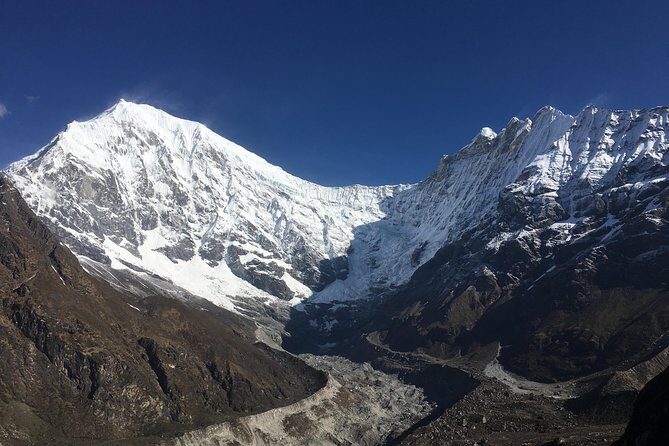
Day 6 is where anticipation turns into reality. The trail winds through villages and climbs a ridge topped by a large chorten, then past a mani wall. After a stream crossing, you reach Mundu village.
Then the route joins the river and climbs toward yak wool shop areas and yak pastures in Yamphu. You continue up to a moraine viewpoint, and this is the moment the itinerary is built around: you finally see Kyanjin Gompa, plus the dramatic icefall flowing from Langtang Lirung and Kimshung.
That is more than a photo moment. This is also when acclimatization planning makes sense. You have enough time to acclimatize and explore around, including a Nyingmapa school monastery, before reaching Kyanjin Gompa itself.
So Day 6 serves two roles:
1) last push up through moraine and pastures
2) a built-in time buffer so you’re not immediately “pressured” into the next big climb
Even if you’ve hiked before, that kind of timing matters. It helps you arrive with your legs calmer and your head clearer.
Tsergo Ri Day: Prayer Flags, Switchbacks, and a Serious Five-Hour Climb
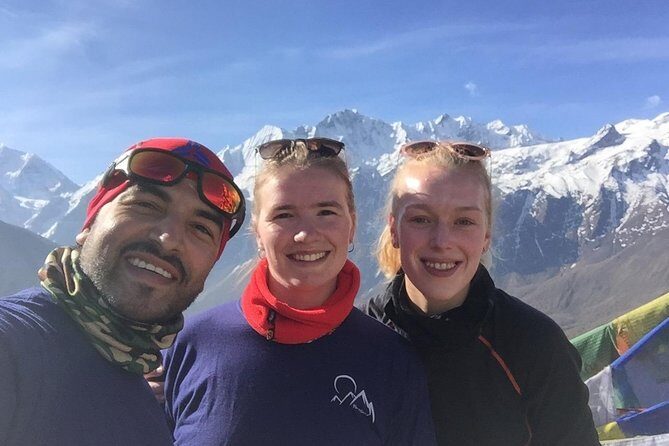
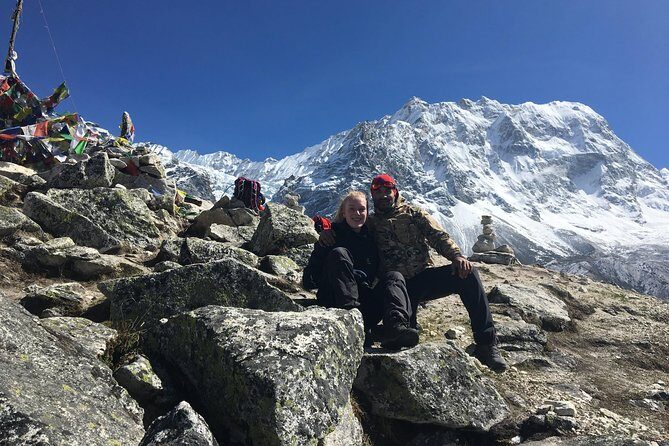
Day 7 is your big viewpoint day. The climb from Kyanjin Gompa to the conical shaped high viewpoint of Tsergo Ri is described as tough and about five hours one way (within the day’s activities). The path takes an east route toward Langshisha Kharka, crosses a stream, then branches left by a cairn up the side valley.
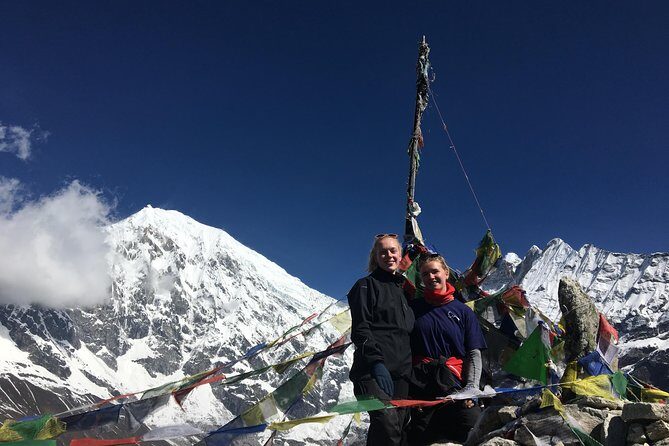
After that, it’s steep switchbacks up to prayer flags. The route passes stone huts of herders at Yala Kharka. In other words, you’re not climbing in emptiness—you’re climbing through an active herding landscape, which can help you maintain focus.
When you reach the prayer flags, the reward is the mountain panorama. Then you return to Kyanjin Gompa for the night.
My practical advice: treat Day 7 like a goal day, not a casual hike. Start slow. Keep your effort consistent on the switchbacks. If you feel winded early, it’s usually better to back off slightly than to power through.
Retracing the Steps: Lama Hotel and Syabrubesi on Days 8 and 9
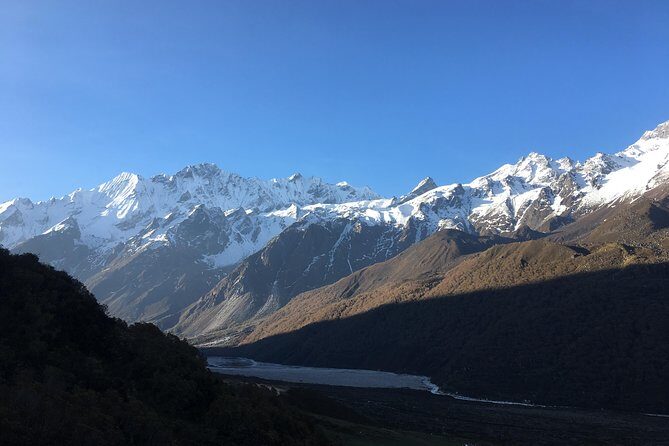
Day 8 is the descent back to Lama Hotel. Day 9 continues the return toward Syabrubesi. Retracing can sound boring on paper, but it often feels easier because the route is familiar and your brain isn’t guessing what comes next. You also get a second look at the places you passed earlier—bridges, forests, and the small villages—this time with less uncertainty.
One upside: the return days reduce the “new stress.” You’ve already done the hardest work getting to Kyanjin Gompa, and now your main job is to manage fatigue and keep your feet happy on descents.
Practical consideration: descents can be rough on knees and ankles, especially after multiple days at altitude. Trekking poles can help if you use them comfortably already.
Back to Kathmandu: Leisure Time, Farewell Photos, and a Smooth Airport Exit
Day 10 switches back to road travel. From Syabrubesi, you drive to Kathmandu, and the day is listed as leisure for buying gifts and souvenirs. In the evening, you join a farewell review of great photos and share experiences from the trip.
Day 11 is the final handoff: you’re dropped to the airport for your onward flight. If you want more time, the overview mentions you can consult for additional short tours such as game drive, rafting, mountain biking, or trips that connect to Tibet, India, or Bhutan.
That structure is good if you like closure. You don’t get stuck in the mountains and then immediately forced into another big decision the moment you return.
Altitude, Fitness, and Weather: What You Should Plan For
This trek is set up for trekkers with moderate physical fitness. That label fits the reality: you’re moving daily at altitude and the itinerary includes steep segments and at least one tough climb day.
Key altitude anchors mentioned include:
- Kyanjin Gompa at 3,800m
- Optional extension peaks at 4,783m (Kyanjin Ri) and 4,984m (Tserko Ri)
Even without guessing exact maximum elevations on the Tsergo Ri day, you should assume a sustained effort at high altitude. The itinerary also includes acclimatization time at the moraine viewpoint area on Day 6, which is helpful.
Weather matters too. The experience is described as requiring good weather, and if it’s canceled due to poor weather you’ll be offered a different date or a full refund. So if your schedule is tight, I’d avoid making your Kathmandu travel plans so strict that you have zero flexibility.
Price and Logistics: Is $1,249 Good Value for This Trek?
At $1,249 per person for an 11-day trek, the big question is whether you’re paying for travel friction or for real, on-the-ground services. Here’s what’s included in the package information you have:
Included highlights:
- Airport pickup and drop by car/van/bus
- TIMS card (Trekkers Information Management System)
- Langtang National Park area entry permit
- An English-speaking guide
- Three meals with three cups of tea or coffee a day (and the schedule lists 10 breakfasts, 8 lunches, 7 dinners)
- Snickers chocolate during the trek and Oreo cookies as snacks
- Kathmandu to Syabrubesi by bus, plus Dhunche to Kathmandu by bus
- A duffel bag and a t-shirt from the company
- Trip certificate and government taxes
- Staff insurance/medicine mentioned in the inclusions list
Not included (the common budget gaps):
- Nepal entry visa fee and international airfare
- Your personal travel medical insurance and emergency evacuation costs
- Personal equipment (and tips for your guide)
- Personal expenses like alcoholic drinks, hot shower, water bottle, cold drinks, hot water, and battery charging/donations
So is it good value? For me, the strongest value drivers are the logistics you don’t want to manage solo: permits (TIMS and park entry), the guide, daily meals, and the bus transfers. On a trek like this, those pieces add up quickly if you assemble them yourself.
If you already own trekking gear and you’re comfortable paying for visa and travel insurance separately, the listed package structure looks like a fair way to buy less stress. If you don’t have gear yet or you need emergency evacuation coverage, factor those costs early.
Who This Tour Suits Best (and Who Might Want Something Different)
This is a good fit if you:
- want a structured Langtang trek with a clear trail progression to Kyanjin Gompa
- like combining Kathmandu culture (Durbar Square, Boudhanath, Swayambhu, Pashupatinath) with real hiking days
- appreciate a private-group format so the pace feels consistent
- are concerned about first-time solo travel and want an experience where communication is taken seriously
The feedback you shared also points to guides known for staying responsive, including Nick (Gautam), and guides like Anil and Pemba described as accommodating and helpful. If you are the type who asks questions often, a guide who responds quickly can genuinely improve the experience.
You might want to choose another option if you:
- don’t want steep hiking or a tough five-hour climb day
- struggle with altitude and want an easier acclimatization profile than this plan offers
- cannot handle possible schedule shifts due to weather
Should You Book This Langtang Kyanjin Gompa Trek?
I’d book it if your dream is a classic Langtang route that ends at Kyanjin Gompa with monastery life and strong mountain views, and you’re comfortable with moderate fitness and one tough viewpoint climb.
Two smart ways to make your decision:
- If you want the main trek experience, stick with this 11-day plan and plan your extension only if your legs and timing support it. The optional Kyanjin Ri (4,783m) or Tserko Ri (4,984m) additions are there for a reason.
- If you’re worried about the hardest day, remember Day 6 includes acclimatization time before the Tsergo Ri push. That staging is one of the trip’s practical strengths.
Lastly, treat weather as part of your trip plan, not an afterthought.
FAQ
What is the highest point reached on the main 11-day trek?
The main trek reaches Kyanjin Gompa at 3,800m. The tour overview also mentions optional extensions to Kyanjin Ri (4,783m) or Tserko Ri (4,984m).
How do transfers work for getting to and from the trek?
You get airport pickup and drop by car/van/bus. Kathmandu to Syabrubesi is included by bus, and Dhunche to Kathmandu is also included by bus.
Are meals included during the trek?
Yes. The inclusions list three meals with three cups of tea or coffee a day, and the schedule lists 10 breakfasts, 8 lunches, and 7 dinners.
What trekking permits are included?
The package includes a TIMS card and a Langtang National Park area entry permit.
Do I need my own travel medical insurance?
Yes. Travel medical insurance and emergency evacuation cost are not included.
What happens if the trek can’t run due to weather?
The experience requires good weather. If it’s canceled due to poor weather, you’ll be offered a different date or a full refund.
If you want, tell me your current trekking experience level and how many days you have available in total—I can help you decide whether to stick with Kyanjin Gompa only or plan for a Ri extension.