REVIEW · KATHMANDU
Khopra Danda Trek
Book on Viator →Operated by Beyond The Limits Treks & Expedition P ltd · Bookable on Viator
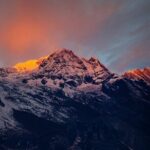
That quieter Annapurna air is real. This 11-day Khopra Danda trek stays less crowded than most routes, then rewards you with nonstop views of the Annapurna region (including the fishtail angle) as you climb, pause in tea houses, and push toward Khopra Ridge.
I especially like how the trip is run with real structure: you get picked up in Kathmandu, meet your guide, get a gear check, and leave with maps and documents so you know what’s coming next. If you’re going with Beyond The Limits, the name Saroj Neupane comes up a lot for being reliable and focused on keeping things clear and calm in the mountains.
One thing to plan for: you’ll face a long day on purpose. Day 7 is a big effort, with more than 5 hours uphill to Khayer Lake and about a 12-hour day overall—amazing rewards, but it’s not a light walk.
In This Review
- Key things that make Khopra Danda stand out
- Why Khopra Danda Feels Quieter Than Classic Annapurna Routes
- Price and Logistics: What $1,299 Covers (and What It Doesn’t)
- Day 1–3: Kathmandu Pickup, Pokhara Lakeside, and Getting to Ghandruk
- Day 4: Rhododendron and Oak Forests to Dobato and Deurali Ridge
- Day 5–6: Chasing the Khopra Ridge Views and the Kaligandaki Gorge
- Day 7: Khayer Lake, the Long Climb, and Talking to Locals
- Day 8–9: Descent to Swanta, Then Ghorepani and Cultural Time
- Day 10–11: Poon Hill Sunrise, the Jeep Ride Back, and Thamel Farewell
- Guides, Reliability, and What Tea Houses Are Really Like
- Packing and Pace Tips for This 11-Day Trek
- Who Should Book Khopra Danda (and Who Might Not Love It)
- Should You Book the Khopra Danda Trek?
- FAQ
- What’s the start time for the trek?
- Is airport pickup included?
- How long is the Khopra Danda Trek?
- Are permits included?
- What kind of lodging do I get during the trek?
- Is transportation between Kathmandu and Pokhara included?
- Are meals included?
- What about hotel stays in Kathmandu and Pokhara?
- Do I need moderate fitness for this trek?
- What’s not included in the tour price?
Key things that make Khopra Danda stand out
- Quieter Annapurna route that still hits the big-view highlights
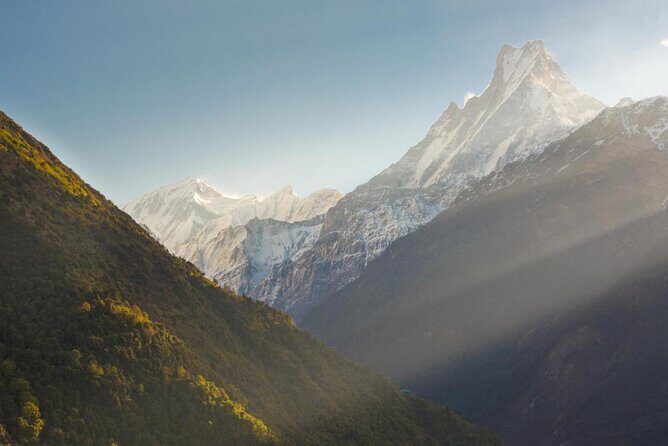
- Khopra Ridge viewpoints with sightlines to Dhaulagiri, Annapurna, and the Kaligandaki Gorge
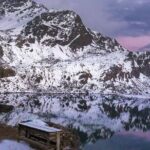
- Khayer Lake day for classic mirror-like mountain scenery
- Poon Hill sunrise with a wide roll call of Himalayan peaks
- Guide-led, structured logistics from Kathmandu pickup to Pokhara and back
- Tea house trekking with animal sightings possible (musk deer, ghoral, red fox, and more)
Why Khopra Danda Feels Quieter Than Classic Annapurna Routes
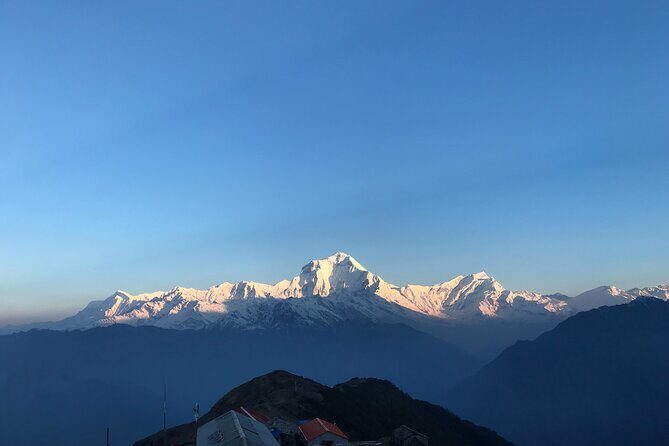
Khopra Danda is one of those treks where you feel like you’re earning the scenery. You’re on the Annapurna circuit orbit, but the vibe is calmer than the busiest tracks. The payoff comes from the ridge views—long, dramatic sightlines where the mountains look close enough to touch.
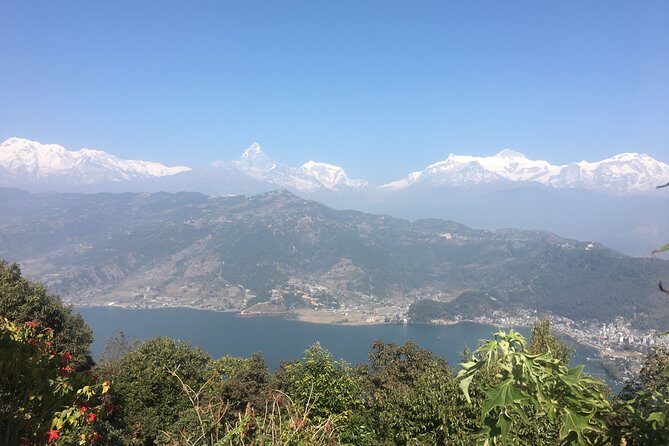
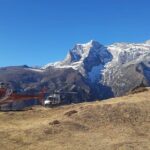
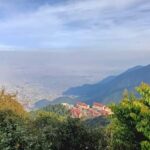
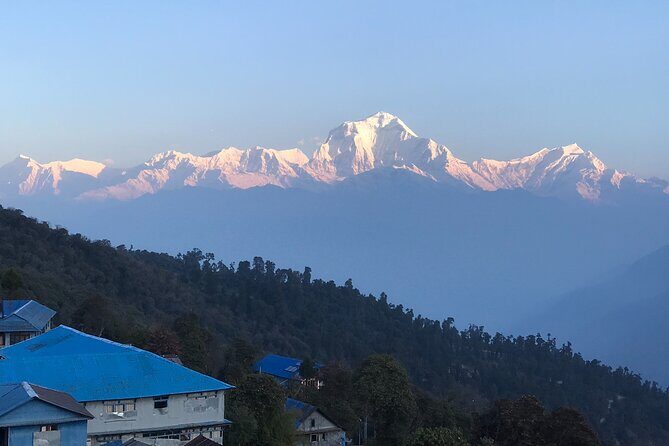
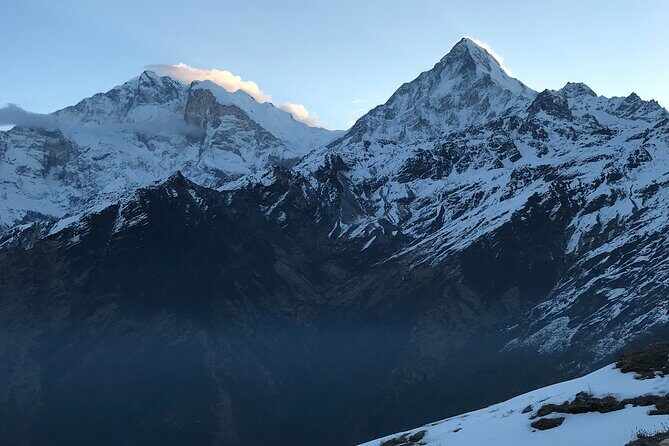
From Khopra Ridge, the route is built around the big names: you get views of Dhaulagiri, Damphus Peak, Tukuche Peak, Nilgiri, Annapurna I, and Annapurna South. And it doesn’t stop there. The ridge also gives you a view of the Kaligandaki Gorge, described as the deepest gorge in the world, which is the kind of fact that makes your brain sit up straight when you’re standing in the cold air staring at it.
Then there’s the fishtail angle. The route is known for showing off that distinctive Annapurna region silhouette along with the larger range. If you like scenery that feels “bigger than the postcards,” this trek is for you.
You can also read our reviews of more hiking tours in Kathmandu
Price and Logistics: What $1,299 Covers (and What It Doesn’t)
$1,299 per person sounds like real money until you look at what’s included. You’re not just buying a walk; you’re buying organization, permits, meals, and a guide who’s coordinating the daily rhythm.
Your package includes pickup from Tribhuvan International Airport on arrival day, hotels in Kathmandu (three nights in a Royal suite or similar), and a hotel in Pokhara (two nights with breakfast). In the mountains, you get accommodation in teahouses/lodges, plus a trekking guide and insurance & equipment for guides/porters. Permits are included too: Annapurna Conservation and TIMS.
On top of that, you get transport support between Kathmandu and Pokhara via tourist bus, and then later a private jeep drive from Hille to Pokhara via Nayapul (when the trek winds down). Meals are part of the plan: breakfast is listed for 11 days, and dinner/lunch are included for set days.
What’s not included matters for budgeting. Drinks (hot/cold/alcoholic) are extra. Emergency evacuation and medical costs aren’t covered by the tour price. Also, plan for personal expenses like charging fees, snacks beyond meals, and anything you buy along the way.
Value-wise, this is a good fit if you want everything handled without constantly negotiating timing, permits, or lodging quality.
Day 1–3: Kathmandu Pickup, Pokhara Lakeside, and Getting to Ghandruk
Day 1 is all about getting your feet under you. You arrive at Tribhuvan International Airport, and the team picks you up and transfers you to your Kathmandu hotel. You’ll meet your guide and the group, get a trek briefing, and have your gears and requirements checked. You also receive a trek map and documents, plus free time in the evening—use it to eat well and rest, because the mountains start calling fast.
Day 2 swings into travel mode: you drive to Pokhara Lakeside, with hills and rivers along the way, and arrive ready to take in the city. This is one of those transition days that keeps the trip from feeling like a nonstop grind.
Day 3 is where the trek starts shaping itself. You go by jeep to Ghandruk village. Road work means you follow an alternative route, then walk about 45 minutes to reach Ghandruk. After lunch there, you move toward Tadapani, about a three-hour walk, and you sleep in a lodge in Tadapani. I like this setup because it breaks the first trekking days into pieces instead of one long punishment.
Day 4: Rhododendron and Oak Forests to Dobato and Deurali Ridge
Day 4 is your forest day, and forests are where trekking starts to feel real. You walk through rhododendron and oak forests for most of the day. And this isn’t just “pretty trees.” It’s where you might spot musk deer and red fox, plus other wildlife glimpses if luck and timing are on your side.
The route climbs after you cross the forest and reach the ridge of Deurali. Then the trail continues upward in a relatively steep push to Dobato. Total walking time is listed at 6–7 hours, so you’ll want to start steady and keep your breathing under control.
One extra bonus here: if you feel good, you can ascend to the Mulde View point near Dobato. That’s the kind of optional side hike that makes a big difference. It also helps you stretch without losing your whole day.
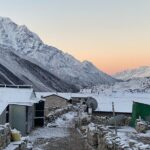
You’ll sleep at a tea house in Dobato. Expect simple mountain comfort, hot drinks when available, and the usual ritual of drying gear and sorting tomorrow’s layers.
Day 5–6: Chasing the Khopra Ridge Views and the Kaligandaki Gorge
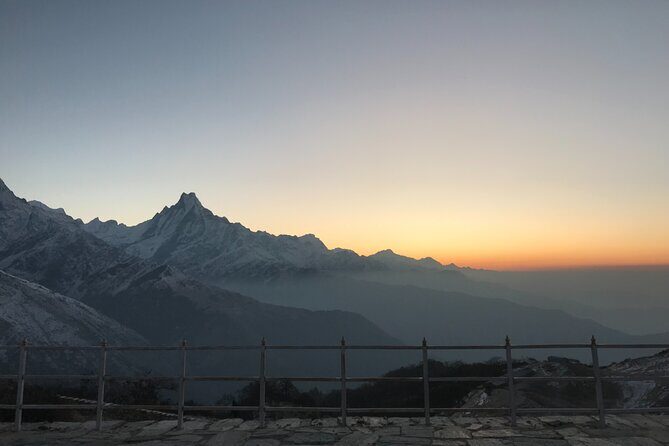
Day 5 is an up-and-down day that still keeps you moving toward the ridge. You’ll walk down and up through woods, reach Bayli Kharka, then descend through forests to Chistebung pastures. After that, you climb again above the timberline to reach Khopra Danda, with the day described around 5 hours total.
This is also one of the most scenic “work for the view” sections. On the way, you might catch glimpses of musk deer, ghoral, danfe (pheasant), and Himalayan thar. And then the horizon does its thing: Dhaulagiri, Damphus Peak, Tukuche Peak, Nilgiri, Annapurna I, Annapurna South—and that Kaligandaki Gorge view from the Khopra ridge angle.
Day 6 is the ridge day. It’s described as whole uphill to Khopra Danda, with a listed walk time of about 4 hours. That makes it sound short, but when you’re already in trek rhythm, short can still mean steep.
The best way to enjoy these days is to stop often. Not long breaks—just enough to let your eyes recalibrate from trail to mountain. Khopra is where the peaks start stacking into your vision.
You’ll stay overnight at a tea house on this ridge stretch too, which means you get that quiet evening feeling that’s hard to find when trekkers are packed shoulder-to-shoulder.
Day 7: Khayer Lake, the Long Climb, and Talking to Locals
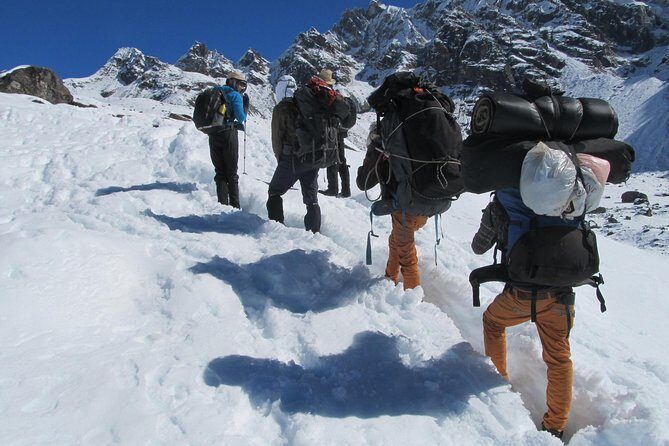
Day 7 is the day that turns the dial from ridge scenery to lake-and-mountain magic. You start with breakfast at your lodge and head up to Holy Khayer Lake. The climb is described as taking more than 5 hours, and the day totals around 12 hours.
The reward is a beautiful lake surrounded by mountains. From the water’s view, you can see Annapurna South, Dhaulagiri, Nilgiri, and more. This is one of those situations where your pace matters: if you push too hard early, you’ll pay for it on the return.
There’s also a practical detail worth noting. On the way to Khayer Lake, there are tea houses, but they open only in peak season. So if you’re trekking outside peak months, treat the trail like you’ll rely on what’s available along your specific schedule—not like every stop will be staffed.
After you return back to Khopra Danda, you have time in the afternoon to talk with local people, explore culture and tradition, and get a slower end to a long day. I like this part because it turns the trek from “just walking” into “you’re actually meeting a place.”
And yes, this is the main day where legs complain. It’s still worth it.
Day 8–9: Descent to Swanta, Then Ghorepani and Cultural Time
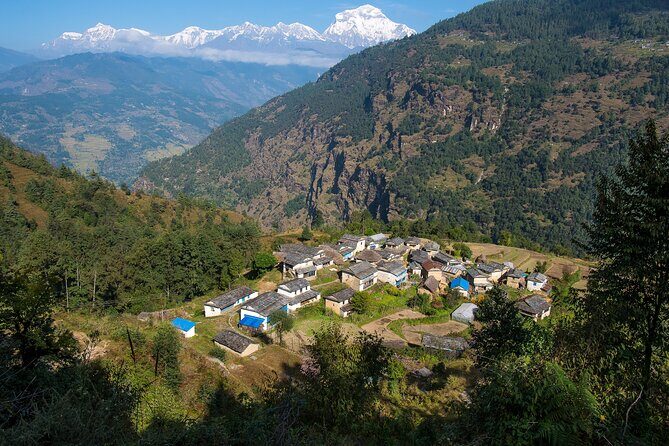
Day 8 is a descent into village life. You head to Swanta village. You drop down about an hour to Upper Chistebung village, then descend further through potato and barley farms and small villages until you reach Swanta. You spend time exploring the village and the Magar people’s lifestyle.
Even if you’re not a “cultural researcher,” this kind of day matters. It changes your perspective from peak-chasing to community-spotting. You start noticing how the farms and trails shape daily life.
Day 9 flows into classic Annapurna foothills. You descend through a beautiful trail covered in green forests. During the trek, you might catch glimpses of the Annapurna range. Once you reach Ghorepani, you can spend the rest of the day with local people, getting closer exposure to culture and tradition.
Overnight is in a tea house in Ghorepani. This sets you up perfectly for the sunrise moment the next morning.
Day 10–11: Poon Hill Sunrise, the Jeep Ride Back, and Thamel Farewell
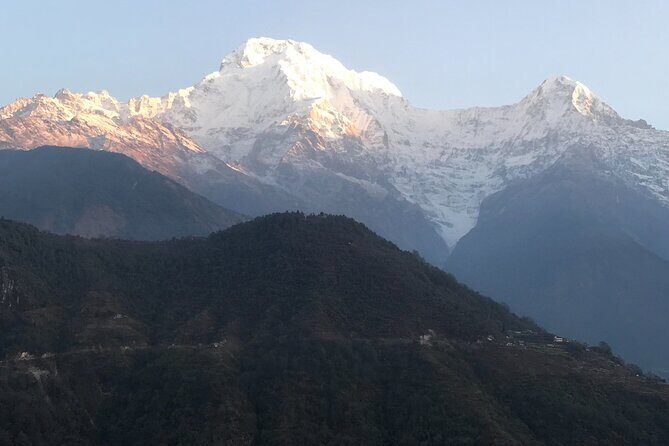
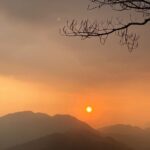
Day 10 starts early for a reason: Poon Hill sunrise. You hike out in the morning to see a sunrise over the Himalayan range. The view list is impressive, including Annapurna I (8091 m), Annapurna South (7219 m), Annapurna III (7855 m), Machhapuchhre (6993 m), Dhaulagiri (8167 m), Tukuche Peak (6920 m), Nilgiri (6940 m), Varaha Shikhar Annapurna IV (7525 m), Annapurna II (7937 m), Lamjung Himal (6931 m), and more.
Then you hike down to Hille and take a private jeep drive to Pokhara via Nayapul. You get to see forests and mountain scenery in the background, but with wheels handling the steepest sections. After that, you check into a hotel in Pokhara.
Day 11 is your reset day. You have breakfast in Pokhara, visit a few places for sightseeing, and drive back to Kathmandu. Then it’s shopping for handicrafts and souvenirs around Thamel, plus a farewell dinner and certificate distribution. You finish the trek with a proper “you did it” moment before the city swallows you back.
Guides, Reliability, and What Tea Houses Are Really Like
I like the way this trek is built around guidance, not guesswork. On arrival in Kathmandu, you meet the guide and team, get a briefing, and have your gears and requirements checked. That alone reduces the usual anxiety of first-time trekking in Nepal.
Beyond The Limits Treks & Expedition P ltd is also known for staying organized. In the feedback you can see a clear pattern: guides and leaders are warm, hardworking, and focused on making the schedule work. The operator’s MD, Saroj Neupane, gets named as part of the culture of reliability and support.
In the mountains, you’ll live in tea houses/lodges. Reality check: tea house quality can vary, and you should expect simple rooms and basic facilities. The upside is that food tends to be dependable, and the whole setup keeps you moving with fewer logistics headaches.
Also, this is a private tour/activity for your group only. That changes the feel. You’re not trapped in a big crowd’s pace. You can usually keep a human rhythm, especially when the trail turns steep.
Packing and Pace Tips for This 11-Day Trek
This route is listed for travelers with moderate physical fitness. That’s a nice way of saying you should be comfortable with daily hiking, uneven terrain, and the fact that you might be walking 4–7 hours multiple days.
A few smart pacing ideas:
- Start slower than you think on the uphill days. It helps you save energy for later viewpoints.
- Plan for the long day on Day 7 to Khayer Lake. If you pace it like a “normal day,” you’ll suffer on the return.
- Bring layers. Tea house mornings can feel cold, and you’ll swing between sun and shade in rhododendron forests.
- Treat water like a priority. Even when the trail is scenic, hydration is what keeps your energy steady.
For gear, stick to what you’ll actually use: trekking shoes you trust, a rain shell, a hat, and a small daypack. Since the team checks your gear early in Kathmandu, use that briefing day to fix anything you forgot.
And don’t forget the obvious: you’re walking for views. If you keep stopping to look, you’ll enjoy it more than if you try to “win the route.”
Who Should Book Khopra Danda (and Who Might Not Love It)
This trek is a strong match if you want:
- Big Annapurna-region scenery with a calmer route feel
- Khopra Ridge viewpoints, plus the Kaligandaki Gorge perspective
- A classic sunrise moment at Poon Hill
- Enough time to experience village life, including Magar culture in Swanta
- A guided trip with permits handled and daily logistics organized
It may not be ideal if:
- You hate long days. Day 7 is a major climb, and the schedule is built around that effort.
- You need consistent luxury. Tea houses are part of the deal, and comfort varies by stop.
If you’re the kind of traveler who likes real trekking days, moderate challenge, and rewarded effort, you’ll likely love this one.
Should You Book the Khopra Danda Trek?
If your goal is less crowding and more mountain time, I’d say yes, book it. The route hits the right mix: forest trekking, ridge panoramas, Khayer Lake scenery, and then the Poon Hill sunrise checklist of famous peaks.
Before you commit, do two quick checks. First, be honest about whether a more than 5-hour uphill push on Day 7 fits your fitness and mindset. Second, budget for drinks and personal expenses, since those are not included.
If that works for you, this trek offers a lot of authentic mountain experience for the money—plus the kind of guide support that keeps things smooth when the trail gets steep.
FAQ
What’s the start time for the trek?
The meeting point lists a start time of 6:15 am.
Is airport pickup included?
Yes. Pickup from Tribhuvan International Airport is included on your arrival day.
How long is the Khopra Danda Trek?
The duration is listed as 11 days, approximately.
Are permits included?
Yes. Annapurna Conservation and TIMS permits are included.
What kind of lodging do I get during the trek?
Accommodation in mountain teahouse/lodge is included during the trekking days.
Is transportation between Kathmandu and Pokhara included?
Yes. A tourist bus to/from Pokhara is included, and there is also a private jeep ride from Hille to Pokhara via Nayapul later in the itinerary.
Are meals included?
Yes. Breakfast is included (listed for 11 days) and lunches/dinners are also listed as included for set days. Drinks are not included.
What about hotel stays in Kathmandu and Pokhara?
Kathmandu includes three nights in a Royal suite or similar on a bed and breakfast basis. Pokhara includes two nights at a hotel on a bed and breakfast basis.
Do I need moderate fitness for this trek?
Yes. The guidance is that travelers should have a moderate physical fitness level.
What’s not included in the tour price?
Not included items are international air fare, Nepal visa fees, all drinks (hot/cold/alcoholic), personal nature expenses, and any emergency evacuation and medical costs if needed.