REVIEW · KATHMANDU
Annapurna – Poon Hill Trek
Book on Viator →Operated by Happyland Treks · Bookable on Viator
Early mornings set the tone. This Annapurna Poon Hill trek is built around the big payoff—watching sunrise unfold over the peaks—while still giving you village walks through places like Ghorepani and Ghandruk. I love how organized the day-to-day rhythm is, with an early start that makes the Poon Hill moment realistic, not rushed. One drawback to factor in: you still hike uphill most days, and if weather clouds the mountain views, sunrise may not look like the photos.
What makes this one easier to commit to is the way support is handled on the ground. You get a guide (English speaking), tea-house accommodation during the trek, and food coverage with three cups of tea or coffee a day, plus transport between Kathmandu and Pokhara. I also like that they supply practical extras like a duffel bag, a trip certificate, and a medical kit for the group—small comforts that matter when you’re moving fast. The main tradeoff is cost transparency: $938 covers a lot, but personal expenses like battery charging, extra drinks, and tips still land on you.
In This Review
- Key Things to Know Before You Go
- Why the Poon Hill Sunrise Trek Feels Worth It
- Getting From Kathmandu to Pokhara Without Losing a Day
- The Trek Up Through Ulleri and Ghorepani
- Poon Hill Morning: What You’re Really Paying For
- Tadapani to Ghandruk: Village Life Meets Mountain Views
- Ending the Trek: From Ghandruk Back to Pokhara and Kathmandu
- Meals, Tea Houses, and the Porter/Guide Setup
- Price and Value: Is $938 a Good Deal?
- Weather, Mountain Visibility, and How to Think About Risk
- Who Should Book This Annapurna Poon Hill Trek
- Should You Book It?
- FAQ
- What time does the experience start?
- Where is the meeting point in Kathmandu?
- Do I get picked up from the airport?
- Are permits included?
- What kind of accommodation is included?
- Are meals included while trekking?
- Do I have a guide and porter support?
- How do you travel between Kathmandu and Pokhara?
- Is this trek private or shared?
- What happens if the trek is canceled due to weather?
- Is free cancellation available?
Key Things to Know Before You Go
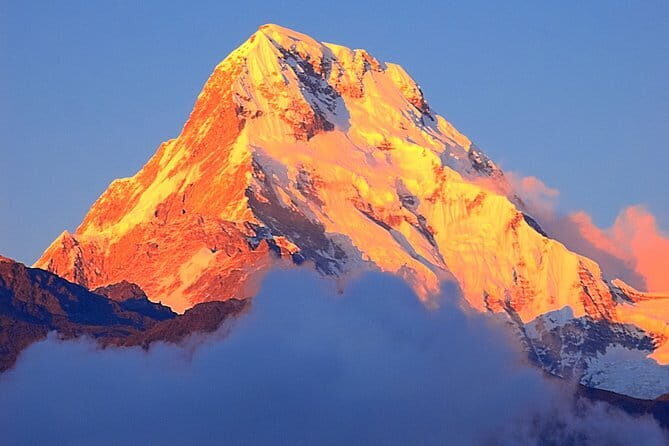
- Poon Hill sunrise is scheduled early so you’re not hiking in the dark with zero plan
- Tea-house lodging during the trek keeps you moving and avoids the hassle of hauling tents
- Meals are largely included, plus tea/coffee daily, which helps you budget
- English-speaking guiding and porter support keeps the trip steadier on longer climb days
- Kathmandu and Pokhara nights are included, so arrival days don’t feel like a scramble
- Weather can make or break the views, so plan for a backup mountain-day mood
Why the Poon Hill Sunrise Trek Feels Worth It
This is a short trek by Nepal standards, but it’s not a push-and-hope hike. The route is structured so you’re at the right altitude at the right time for the morning climb toward Poon Hill (3210m). That matters, because sunrise viewing isn’t just about effort—it’s about timing and getting yourself in place before the best light slips away.
You also get a strong sense of the Annapurna region without burning a whole week just getting there. You’ll pass through Ghorepani and Tadapani, then reach Ghandruk (1940m), a village that gives you that classic mountain-people vibe: locals, stone paths, and views that feel close enough to touch. If you want big scenery with a manageable time commitment, this trek fits.
One more quiet plus: the itinerary includes both low starts and higher sleeping points, so you ease into the rhythm rather than going straight to the top. Day 2 lands you in Pokhara at about 820m, and the trek climbs from there toward the 2000–3000m range.
You can also read our reviews of more hiking tours in Kathmandu


Getting From Kathmandu to Pokhara Without Losing a Day
Your trip begins in Kathmandu with pickup and a hotel stay for two nights. That gives you time to prep—buy a few last items, sort your layers, and get used to Nepal time before you start trekking for real. You’ll also be set up with key permits and tracking paperwork: TIMS card and the Annapurna Conservation Area entry permit are included.
On day 2, you travel to Pokhara by tourist bus and stay overnight there. Pokhara is a helpful base city because it’s calmer than Kathmandu, and it’s where most Annapurna trekkers “reset” between travel and hiking. Then on day 3, you go from Pokhara to Nayapul by private transport in about 1.5 hours, which keeps the early trekking start practical instead of turning it into a half-day detour.
If you’re the type who gets stressed by logistics, this is where the value shows. You’re not navigating local transfer puzzles while trying to stay fresh for the first climbs.
The Trek Up Through Ulleri and Ghorepani
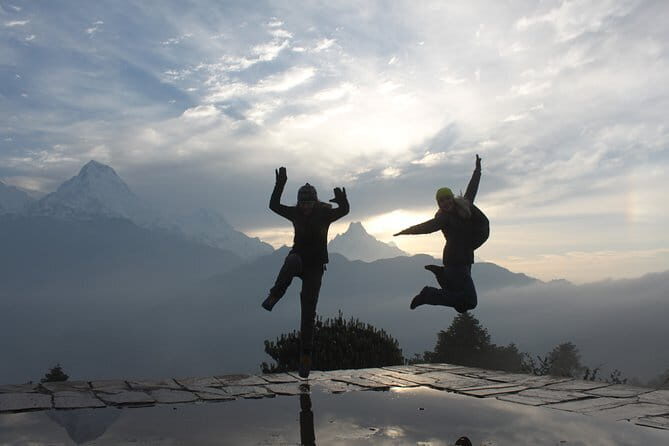
The trek proper starts after Nayapul. Day 3 takes you from Nayapul to Ulleri (2010m), which is a real “warm-up climb” day. It’s short enough to feel doable, but it’s steep enough to teach you the rhythm: slow steps, steady breathing, and plenty of pauses.
Day 4 then moves from Ulleri to Ghorepani (2874m). This is one of the key altitude transitions in the whole trip, and it helps set up your sunrise morning. Ghorepani is the base area for Poon Hill access, so once you’re there, you’ll feel like the trek is finally steering toward its headline view.
In tea-house country, Ghorepani also gives you an important practical reality check. These stops aren’t fancy hotels, but they’re functional: you get a bed for the night, meals in the dining areas, and a steady flow of other hikers around you. It’s a good environment if you want the mountains with less campcraft.
Poon Hill Morning: What You’re Really Paying For
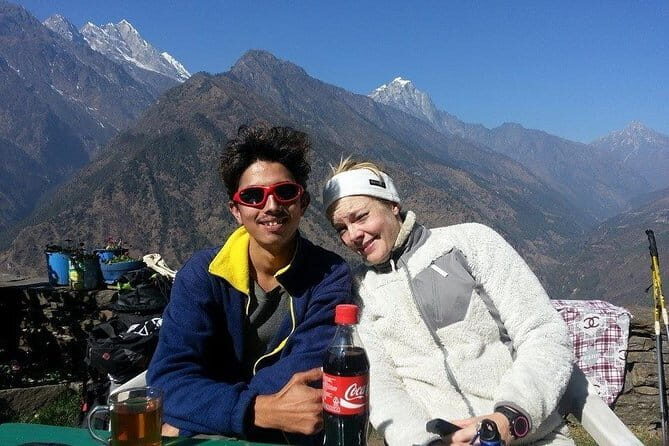
Day 5 is the showpiece. You hike uphill early to Poon Hill for sunrise and panoramic views, then you go back downhill for breakfast and continue on to Tadapani (2630m). The elevations listed in the plan help you understand why timing matters: you’re moving between roughly 2800–3200m in the early window.
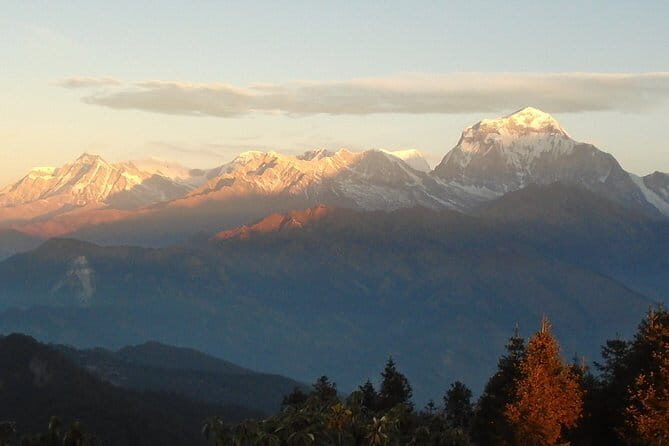
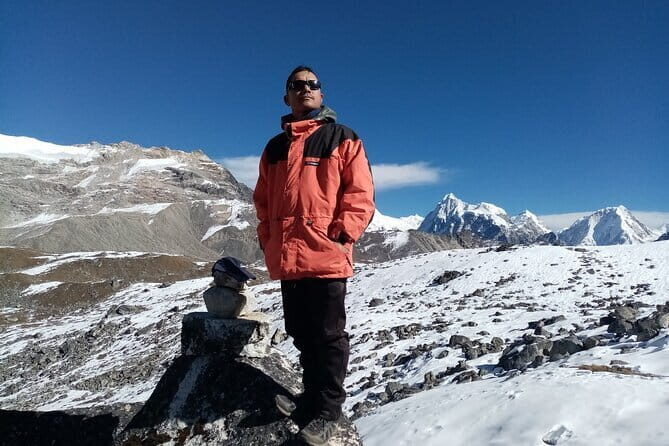
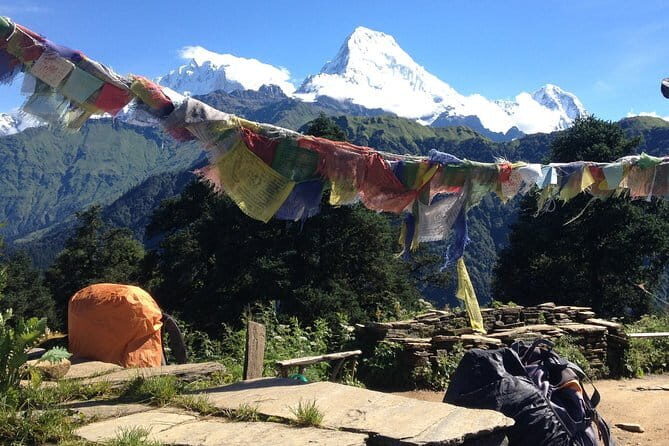
Here’s what I’d emphasize: the sunrise climb is not just a scenic extra. It’s the whole reason people choose this trek length and route. When the sky cooperates, you’re rewarded with mountain silhouettes and broad views across the Annapurna region. The plan specifically calls out Mt. Dhaulagiri (8167m), Mt. Macchapuchhre (6993m), and the Annapurna range, including the big-name panorama effect you want from this trip.
When the weather is messy, you might not get that clean “wow” view. That’s not a guarantee problem—it’s a nature problem. The operator notes that the experience requires good weather, so you should go in with flexible expectations. Even in imperfect conditions, this day typically still feels special because you’re hiking with purpose long before the sun fully shows itself.
Tadapani to Ghandruk: Village Life Meets Mountain Views
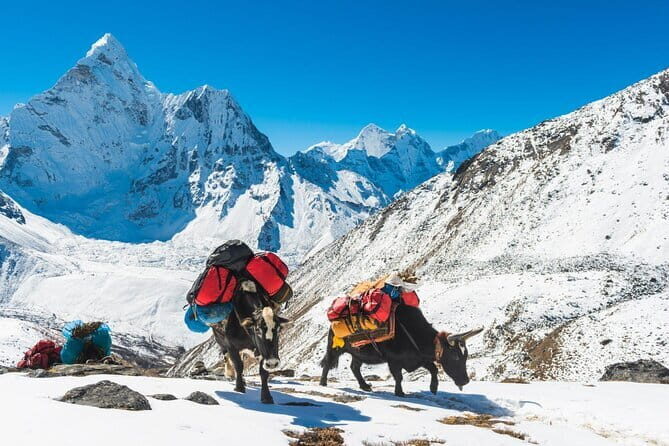
After the sunrise morning, the trek continues in a more village-and-view balance. Day 6 is Tadapani to Ghandruk (1940m), and that drop in elevation changes the feel of the hike. Going downhill after your early morning can be easier on your legs, but you’ll still want good shoes and careful footing—stone steps and uneven paths can be a trick on tired muscles.
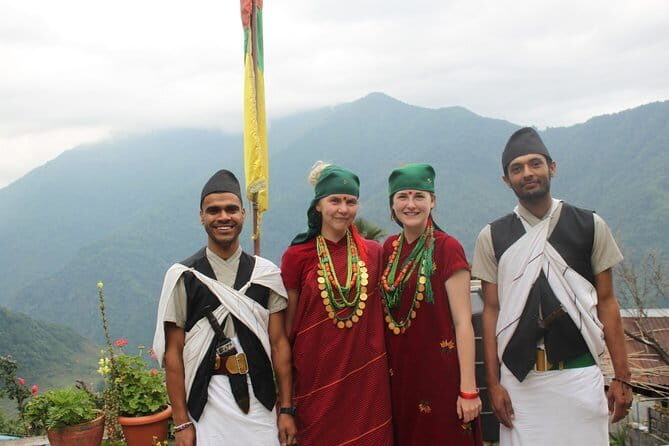
Ghandruk is where the trip starts to feel more cultural. You’re moving through a settled mountain community rather than only a chain of tea houses. This is the day you’ll appreciate the slower pace, because the views are still there but the walking feels more like moving through a place people actually live.
If you like photographing architecture—stone walls, trails, and rooftops framed by peaks—Ghandruk is often the part where your camera finally feels like it’s earning its weight. And if you’re lucky enough to catch clear skies, the whole town becomes a viewpoint.






Ending the Trek: From Ghandruk Back to Pokhara and Kathmandu
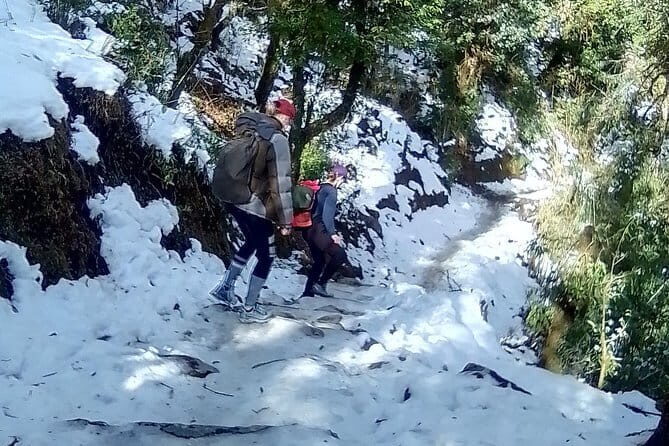
Day 7 sends you from Ghandruk down to Nayapul (1070m), followed by transport back to Pokhara. This is a relief day for many people because you’re finishing the main trekking loop and shifting from “hike mode” to “recovery mode.”
Then on day 8, you travel from Pokhara to Kathmandu by tourist bus and head to your final night. After that, day 9 is departure to the international airport, with an option to add a few extra days in Kathmandu for shopping and sightseeing.
This schedule matters because it prevents the classic mistake: ending your trek and immediately flying out while your body is still adjusting. Having time in Pokhara and Kathmandu afterward makes it more likely you’ll enjoy your last day instead of feeling like you’re rushing your own victory lap.
Meals, Tea Houses, and the Porter/Guide Setup
This trek is set up around standard meals while you’re on the trail, plus breakfast/lunch/dinner coverage at specified points. You also get three cups of tea or coffee a day, which is more than a perk when you’re hiking in the cold early morning. Tea houses are where you’ll spend real time each day: eating, warming up, and planning the next section with your guide.
Accommodation during the trek is tea-house style. In practice, you should expect basic comfort, with some variation between stops. One useful detail from recent feedback: hot showers tend to be available at most tea-house locations, with occasional exceptions. That’s good to know so you can pack based on reality, not wishful thinking.
Support is another big part of the value. You’ll have an English-speaking guide, and there’s porter service with the rule of 1 porter between 2 people (basic). That doesn’t mean you’re fully hands-free, but it usually cuts the load enough that you don’t arrive at tea-house stops feeling wrecked before dinner.
Also included: a medical kit for the group, staff insurance, and staff medicine. That’s a safety net for the team, even if your own travel insurance is still your responsibility.
Price and Value: Is $938 a Good Deal?
At $938 per person, you’re paying for far more than just “hiking with a guide.” The included package covers:
- Two nights in Kathmandu with breakfast, and two nights in Pokhara with breakfast
- Transport like Kathmandu–Pokhara by tourist bus (round trip), plus Pokhara–Nayapul and Nayapul–Pokhara by private transportation
- All trekking meals (breakfast/lunch/dinner as listed) and tea/coffee daily
- Tea-house accommodation during the trek
- TIMS and Annapurna Conservation Area entry permit
- Guide, porter support, trip certificate, and items like a company duffel bag and a t-shirt
What’s not included is equally important for budgeting. You’ll still pay for your Nepal entry visa fee, international airfare, travel medical insurance and any emergency evacuation costs, plus personal equipment. On-trail costs like tips for guide and porter are expected, and personal expenses such as extra hot water, battery charging, alcohol, and water bottle costs can add up.
So is it value? For many people, yes, because this package removes several “hidden friction points”: permits, meals, transport timing, and the logistical handoffs. If you were to DIY it, you’d still need to solve the same problems—just with more time spent coordinating.
If you’re on a tight schedule, the included transport and hotel nights also protect you from wasting energy on transit hassles.
Weather, Mountain Visibility, and How to Think About Risk
This trek is heavily view-dependent. The operator is clear that the experience requires good weather, and if conditions are poor, you’ll be offered a different date or a full refund. That’s not something you should ignore, especially for sunrise day.
Here’s how I’d plan mentally: you’re choosing a mountains-and-sunrise experience. When the mountains show themselves, it feels like a payoff you’ll remember for years. When clouds roll in, your walk still has value—village paths, tea-house meals, the daily rhythm, and the satisfaction of finishing a route that climbs to over 3000m—but the photo output might be smaller.
The best move is flexibility. Don’t treat this as a one-day “must be perfect” event. Treat it as a short trek where sunrise is the target, but the whole journey is the reason you’re there.
Who Should Book This Annapurna Poon Hill Trek
This is a strong fit if you want:
- A short trek with a classic Annapurna sunrise target
- A plan that handles most logistics: permits, transport, guide, meals, and lodging
- Village scenery as much as peak spotting
It may be a weaker fit if:
- You dislike early mornings and steady uphill walking
- You need guaranteed hot showers at every single stop (some variation is possible)
- You’re not comfortable budgeting for tips and personal extras
If you’re traveling with someone you can share porter support with (the 1 porter between 2 people rule), you’ll likely feel the weight difference most.
And if you’re the kind of person who appreciates careful details, the team leadership has been highlighted in feedback—Bimal is named as a guide who focuses on attention to detail and pacing.
Should You Book It?
If your priority is Poon Hill sunrise plus an organized, short Annapurna route, I think this is a smart booking. The package covers the stuff that usually wastes time for independent trekkers: permits, meals, tea-house lodging, and the key transport legs.
Before you commit, sanity-check three things:
- You’re okay with early starts and repeated uphill walking
- You understand what you’ll still pay for (visa, tips, personal items)
- You can be flexible if weather reduces visibility
If those boxes are checked, this trek is exactly the kind of itinerary that delivers real mountains without turning your whole trip into a logistics project.
FAQ
What time does the experience start?
Start time is listed as 6:00 am, which matters for the early push toward the sunrise viewpoint.
Where is the meeting point in Kathmandu?
The ticket redemption point is Happyland Treks. Nepal Trekking, Everest Trek, South Asia, Paknajol Marg, Kathmandu 44600, Nepal.
Do I get picked up from the airport?
Yes. Airport pick up and drop by car/van/bus is included.
Are permits included?
Yes. You receive TIMS card and an Annapurna conservation area trekking entry permit as part of the package.
What kind of accommodation is included?
You get two night accommodation in Kathmandu and two night accommodation in Pokhara with breakfast, plus tea house accommodation during the trek.
Are meals included while trekking?
Yes. The package includes all your standard meals while in the trekking with breakfast, lunches, and dinners, and three cups of tea or coffee a day.
Do I have a guide and porter support?
Yes. There is an English speaking guide, and porter service is included with the rule of 1 porter between 2 person (basic).
How do you travel between Kathmandu and Pokhara?
It’s Kathmandu–Pokhara–Kathmandu by tourist bus for the ground transport, plus Pokhara–Nayapul and Nayapul–Pokhara by private transportation.
Is this trek private or shared?
This is listed as a private tour/activity, so only your group will participate.
What happens if the trek is canceled due to weather?
Since the experience requires good weather, if it’s canceled due to poor weather you’ll be offered a different date or a full refund.
Is free cancellation available?
Yes. You can cancel up to 24 hours in advance for a full refund. If you cancel less than 24 hours before the start time, the amount paid is not refunded.