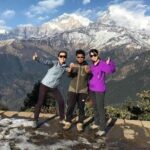
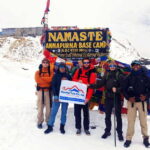
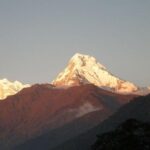
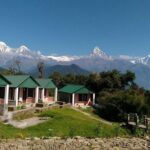
Short trek, big Himalayan payback. Mardi Himal sits near Pokhara and is one of the best ways to see the Annapurna range without burning a full week. I like the tight schedule and the fact that you still get high views, not just low forest walking.
On this private 4-night, 5-day route, I also love the built-in support: a licensed guide, a porter setup (2 guests per porter), private transport from Pokhara, and meals every trekking day plus seasonal fruit after dinner. One thing to keep in mind: this trek runs on good weather, so you should plan a little flexibility if the mountains don’t cooperate.
In This Review
- Key things that make this trek work well
- Why Mardi Himal Fits a 5-Day Trip from Pokhara
- Getting Started in Dhampus: the 10:45 am Pokhara Pick-Up
- Day 1: Dhampus to the camp rhythm (your first taste of the views)
- Day 2: Forest Camp to Low Camp and High Camp (where the trek starts feeling Himalayan)
- Day 3: Mardi Himal Base Camp or View Point (you choose your personal highlight)
- Day 4: Landruk descent (village life plus Annapurna South views)
- Day 5: Landruk to Siwai (finish without a huge final push)
- What’s Included in the Price—and why it’s good value
- Guide and Porter Team: the human difference you’ll feel
- Meals and the seasonal fruit after dinner
- Timing, weather, and what flexibility really means
- Price check: is $399 fair for this route?
- Who should book this Mardi Himal Trek (and who should not)
- Should you book this Mardi Himal Trek?
- FAQ
- Where does the Mardi Himal Trek start and end?
- What is the start time for the trek?
- How long is the Mardi Himal Trek?
- Is this trek private or shared?
- What meals are included during the trek?
- Is accommodation included?
- Do I need to bring my own trekking equipment?
- How does porter support work?
- Are tips included in the price?
- What happens if the weather is poor?
Key things that make this trek work well
- Dhampus start with a real plan: you’re collected from Lakeside Pokhara around 10:45 am and driven about an hour to begin trekking
- Camp-style pacing: you move up through Forest Camp toward Low Camp and High Camp, with planned breaks to enjoy the views
- Two options on the main hike day: you’ll go either to Mardi Himal Base Camp or a Mardi Himal View Point, depending on preference
- Meals are handled: breakfast, lunch, and dinner are included across the trekking days, so you’re not hunting food mid-route
- Support staff ratio that makes hiking easier: 2 guests share 1 porter, which helps keep your day focused on walking and not gear hauling
Why Mardi Himal Fits a 5-Day Trip from Pokhara
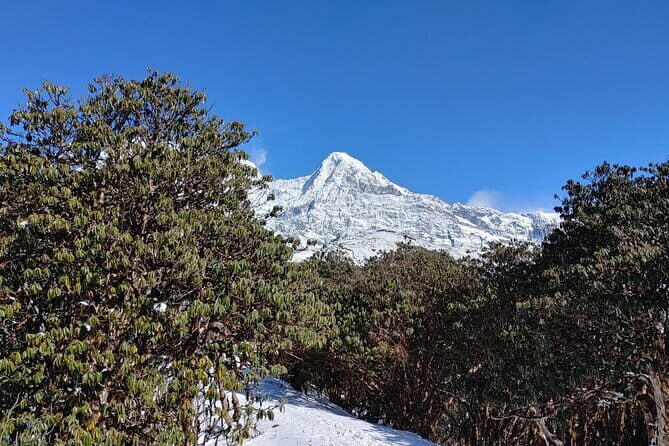
Mardi Himal is popular because it’s short in duration but still feels like a proper Himalayan trek. You’re close enough to Pokhara that the logistics don’t get out of hand, yet the route climbs through forest and toward the Annapurna region’s big viewpoints.
For you, the real win is time. If you only have a few days, this trek gives you a sequence of changing scenes instead of one long day of grinding. You go from lower paths near Dhampus into a higher camp rhythm, then finish with a descent through local village life.
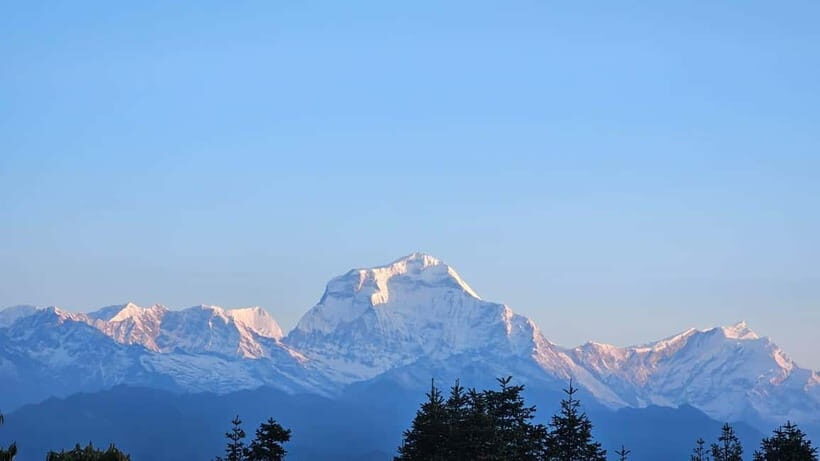
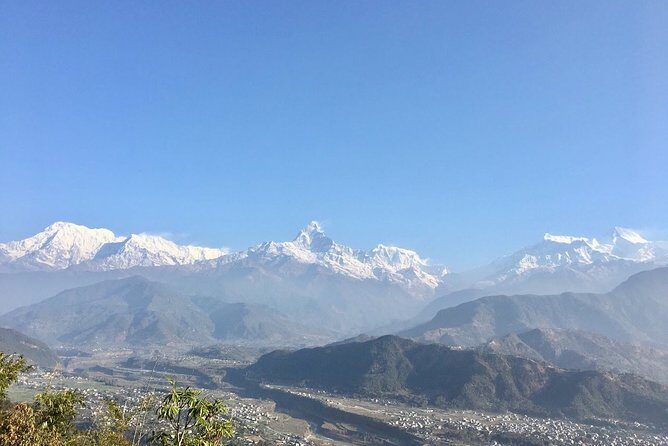
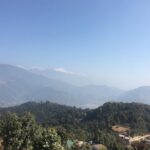
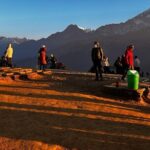
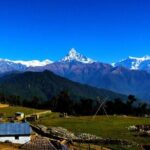
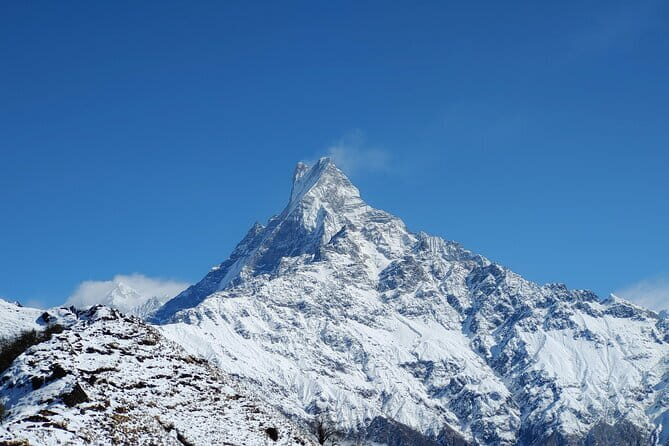
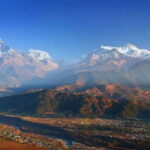
And yes, the views are a core reason to do this. You’ll be treated to sights tied to the Annapurna range along the way, with Fishtail, Annapurna, and Hiunchuli showing up on the main day hike depending on where you stop.
You can also read our reviews of more hiking tours in Pokhara
Getting Started in Dhampus: the 10:45 am Pokhara Pick-Up
Your trek kicks off at Lakeside Pokhara, with the start time listed as 10:45 am. From there, you’ll meet your guide and ride together by private transport to Dhampus, about an hour away.
This matters more than it sounds. When you don’t have to figure out rides, ticket lines, or local schedules, you arrive at the trail with less stress. For a trek, that’s huge. First impressions count, and day one sets the tone for the whole trip.
Once in Dhampus, you begin trekking right away. The first day’s timing in the plan is about 7 hours total walking, and that gives you a full introduction to the rhythm—steady hiking, breaks for views, and time to get your legs used to altitude changes that come with a rising itinerary.
Day 1: Dhampus to the camp rhythm (your first taste of the views)
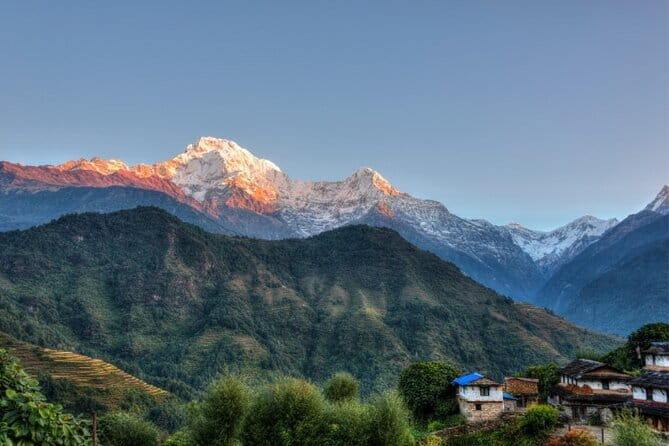
Day 1 is a classic “get moving and start climbing” day. You’re driven from Pokhara to Dhampus, then you trek onward to your first overnight area.
Even though the exact intermediate stops aren’t fully spelled out in the summary, the structure of the plan is clear: day one puts you on the trail heading toward the camp system that you’ll continue building on over the next two days. Expect the hike to be your warm-up—long enough to feel like trekking, not so long that you feel wasted before the real highlights.
A practical way to handle day one: don’t chase speed. If you start fast, you’ll pay for it later—especially when the route starts to climb toward the higher camps.
Day 2: Forest Camp to Low Camp and High Camp (where the trek starts feeling Himalayan)
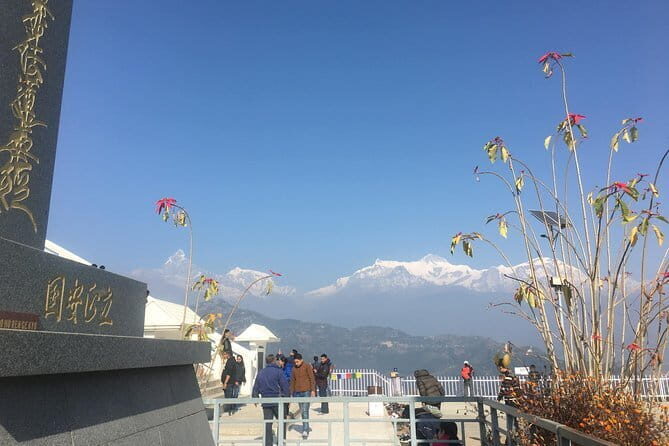
Day 2 is one of the most satisfying parts of the itinerary because it’s built around ascending toward High Camp. The plan specifically calls out Forest Camp to High Camp, plus a stop at Low Camp where you can enjoy major views.
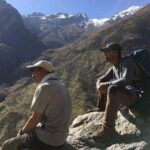
This is the day that shifts the trek from “pretty hiking” into “wow, that’s the Himalayas.” The combination of climbing and scheduled viewpoints helps you see more than one angle of the mountain range without treating every moment like a photo sprint.
The trekking day is listed at about 7 hours. That length is manageable if your fitness is moderate and you keep a steady pace. It also helps that you’ll have your guide and (typically) a porter in the mix, so you’re not juggling heavy loads while trying to enjoy the scenery.
For most people, the camp-to-camp movement gives you something you can feel: each hour up gets quieter, steeper, and more dramatic. You’ll likely notice it most around Low Camp, before High Camp becomes your bigger payoff.
Day 3: Mardi Himal Base Camp or View Point (you choose your personal highlight)
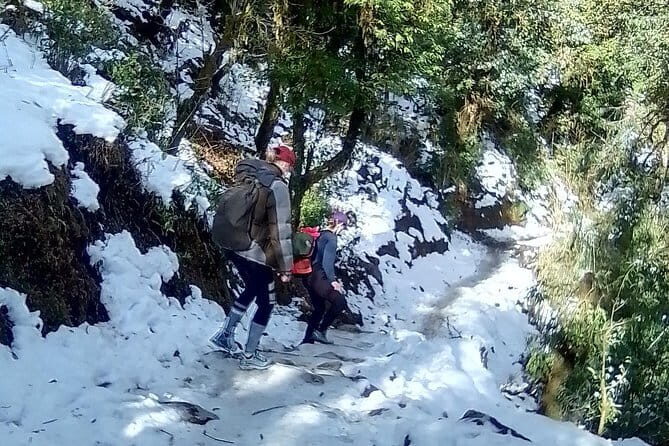
Day 3 is the centerpiece. The route plans a hike to either Mardi Himal Base Camp or a Mardi Himal View Point, based on what you prefer.
This is a clever setup because it matches different trekking personalities:
- If you want the “I got there” feeling, go for Base Camp
- If you want a sharper view moment without pushing for the full base-camp experience, go for the View Point
Along the way, you’ll enjoy views that include Fishtail, Annapurna, and Hiunchuli. That list alone is why people pick Mardi Himal over many other short treks. It puts you in the right position to see the big names of the Annapurna area.
Plan for a full trekking day again (about 7 hours). Even if you’re not hiking all day at maximum effort, altitude and the changing air can make your body feel busier than expected. A steady pace and frequent short breaks beat heroic surges.
Also, don’t ignore your guide’s advice on when to stop. The best views often happen right when you’re tired—when you sit for a minute and let your eyes adjust.


Day 4: Landruk descent (village life plus Annapurna South views)
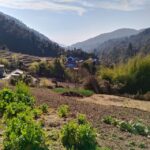
Day 4 slows things down in a good way. You descend to Landruk, a mountain village where you get to see local houses and farmlands, plus get a feel for local lifestyle.
This day is also a view day. From Landruk, you can enjoy sights of Annapurna South and Hiunchuli. So you don’t just drop altitude to rest—you drop altitude to see.
The plan again lists about 7 hours, which tells you it’s not a short stroll. You’ll likely spend time moving downhill and still taking breaks to look around. If your legs are feeling good, this is often a favorite day because it mixes scenery with human scale.
One consideration: downhill days can be rough on knees. If you have sensitive joints, bring decent support footwear and take downhill carefully, step by step.
Day 5: Landruk to Siwai (finish without a huge final push)
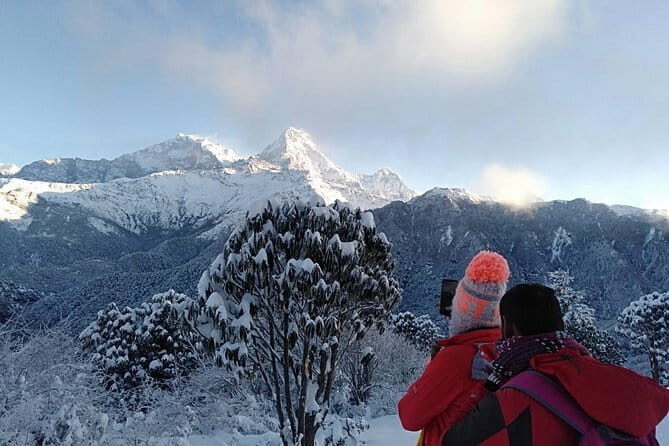
Day 5 is the easy landing. You start with a short trek from Landruk to Siwai, listed at about 1.5 hours.
Then your trek ends in Siwai, and the overall program includes returning you to your hotel in Pokhara. Ending with a short final walk is smart. It keeps the trip from turning into a last-day slog, and it gives you enough energy to enjoy a post-trek dinner back in Pokhara.
Think of day five as your recovery buffer. You’ll likely feel travel-jitter after the trek, and having a gentle final segment makes that transition easier.
What’s Included in the Price—and why it’s good value
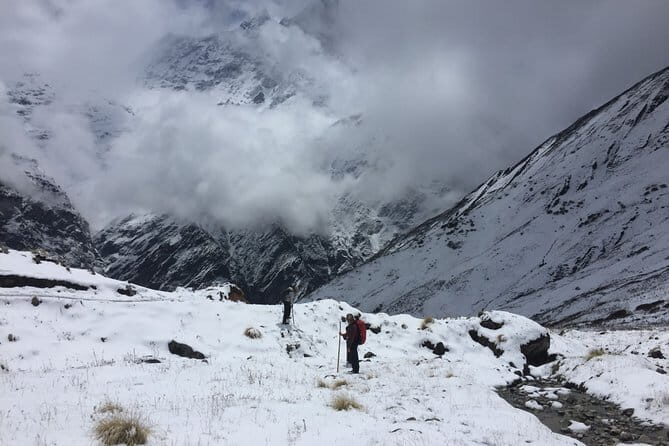
The price is listed as $399 for this 4-night, 5-day experience from Pokhara. That sounds simple, but the value depends on what you’re actually getting.
Here’s what’s covered:
- A government licensed holder and an experienced guide
- Private transportation between Pokhara and the trek start/end area
- All fees and taxes
- Porter support with the ratio of 2 guest = 1 porter
- Accommodation during trekking on a double occupancy basis
- Meals during trekking: 5 breakfasts, 4 lunches, and 4 dinners
- Seasonal fruits after dinner on every trekking day
That combo is what makes the trek feel low-friction. You’re not doing math on meal purchases each day, and you’re not trying to source beds or worry about where your luggage goes. For a short trek, cutting that overhead is worth real money.
What you should plan to pay for on your own:
- Personal trekking equipment
- Meals and accommodation in Kathmandu and Pokhara (before and after the trek)
- Battery charges, laundry, phone calls, and showers
- Tips for guide and porter (expected)
Guide and Porter Team: the human difference you’ll feel
This trek is private, meaning only your group participates. That usually leads to better pacing and less “herd management,” and you’re more likely to get the exact kind of guidance you want on trekking days.
The reviews highlight that the team stays responsive and supportive. The founder Jayaram is mentioned in customer feedback as being quick to answer questions and helpful during planning. That’s important, because good planning is what helps you show up confident instead of scrambling for details.
On the trek itself, names like Lama and Navaraj Nepal come up. Lama is described as comfortable to be around, with a big-hearted attitude and the kind of explanation that helps you feel at ease on unfamiliar trails. Navaraj Nepal is also mentioned for making sure the start goes smoothly and for being dedicated even when weather throws curveballs.
Porters matter too. One review references Suresh as calm and gentle. Even if you don’t think about it ahead of time, porter support changes the whole feeling of a trek: less burden on your shoulders, more focus on your breath, legs, and the view you came for.
Meals and the seasonal fruit after dinner
Food on a trek is both practical and morale-building. You’ve got breakfast, lunch, and dinner built into the itinerary during the trekking days, with the plan listing 5 breakfasts, 4 lunches, and 4 dinners.
That means you can plan your day around walking hours without worrying about meal gaps. And the extra touch—seasonal fruits after dinner—is a small detail that makes the evenings feel like part of the experience, not just fuel.
If you’re the type who gets fussy about food during hikes, you’ll still appreciate that meals are handled. You won’t be constantly negotiating snacks, and you can spend more of your mental energy on enjoying the day.
Timing, weather, and what flexibility really means
The experience requires good weather. That’s not a scare tactic; it’s the reality of trekking near big mountain faces. If conditions are poor, the plan notes that the experience may be canceled, and you’ll be offered a different date or a full refund.
So what should you do as you plan? Give yourself room to move. If your calendar is rigid and you can’t shift dates at all, that risk matters.
Also, pack for changing conditions. The itinerary climbs from Dhampus and through camp zones and then descends back down. That means you can easily get temperature swings during the day.
Price check: is $399 fair for this route?
For a 5-day trek near Pokhara, $399 is reasonable when you look at what’s included. You’re paying for more than a guide. You’re paying for:
- private transport
- licensed guidance
- porter support
- lodging during trekking
- meals every trekking day
- taxes and fees
If you tried to recreate that on your own, costs add up fast once you factor in guides, porter labor, and food planning. The best part of the value here is how it protects your time and energy—exactly what you want on a short trek.
If you’re the kind of traveler who enjoys doing everything independently, you might be tempted to compare this to DIY trekking costs. But DIY also means more moving parts, and on a short schedule, those parts can become a headache.
Who should book this Mardi Himal Trek (and who should not)
This trek fits you best if:
- you have moderate fitness and want a manageable multi-day climb
- you’d rather not organize transport, meals, and staffing
- you want a private experience with a support team
- you’re after Annapurna-range views without a longer trek
It may not be the best match if:
- you can’t handle any weather-related changes
- you strongly prefer fully independent travel (because many parts are intentionally managed for you)
If this is your first multi-day trek, the structured days, provided meals, and porter support can make it feel more approachable. Just don’t treat it like an easy walk; it’s still a real trek with a camp progression.
Should you book this Mardi Himal Trek?
I think this is a smart booking for anyone who wants a short, well-run Mardi Himal experience with clear logistics. The price is easier to justify because so much is included: meals, lodging during trekking, private transport, and a porter setup that keeps you comfortable.
If weather is your only concern, consider booking with a flexible mindset and keep spare time in Pokhara for a potential date shift. Do that, and you’ll get the best of what Mardi Himal is known for—close-up mountain views, a camp-to-village route, and a trek that doesn’t demand a huge time investment.
FAQ
Where does the Mardi Himal Trek start and end?
The trek starts and ends at Lakeside Pokhara (33700, Nepal). Your trek ends in your hotel in Pokhara.
What is the start time for the trek?
The start time is listed as 10:45 am.
How long is the Mardi Himal Trek?
It’s listed as 5 days (approx.), including 4 nights.
Is this trek private or shared?
It’s a private tour/activity. Only your group will participate.
What meals are included during the trek?
Meals during trekking are included: 5 breakfasts, 4 lunches, and 4 dinners.
Is accommodation included?
Yes—double occupancy accommodation is included during the trekking days. Meals and accommodation while staying in Kathmandu and Pokhara are not included.
Do I need to bring my own trekking equipment?
Yes. Personal trekking equipment is not included.
How does porter support work?
The plan includes 2 guests sharing 1 porter.
Are tips included in the price?
No. Tips for the guide and porter are expected.
What happens if the weather is poor?
The experience requires good weather. If it’s canceled due to poor weather, you’ll be offered a different date or a full refund. You can cancel up to 24 hours in advance for a full refund (based on local time).