REVIEW · POKHARA
Ghorepani Poonhill Sunrise trek
Book on Viator →Operated by Mount Face Nepal · Bookable on Viator
You’re up before the sun for a reason. This Ghorepani Poon Hill Sunrise trek pairs Pokhara comfort with mid-hill village culture, then rewards your effort with wide-open Himalayan views.
Two things I really like about it: you stay in the heritage villages around Ghandruk and you get a proper pre-dawn mountain payoff from Poon Hill after climbing 3381 steps. The main drawback is timing and stamina: you’ll be climbing in the dark and walking enough that a moderate fitness level actually matters.
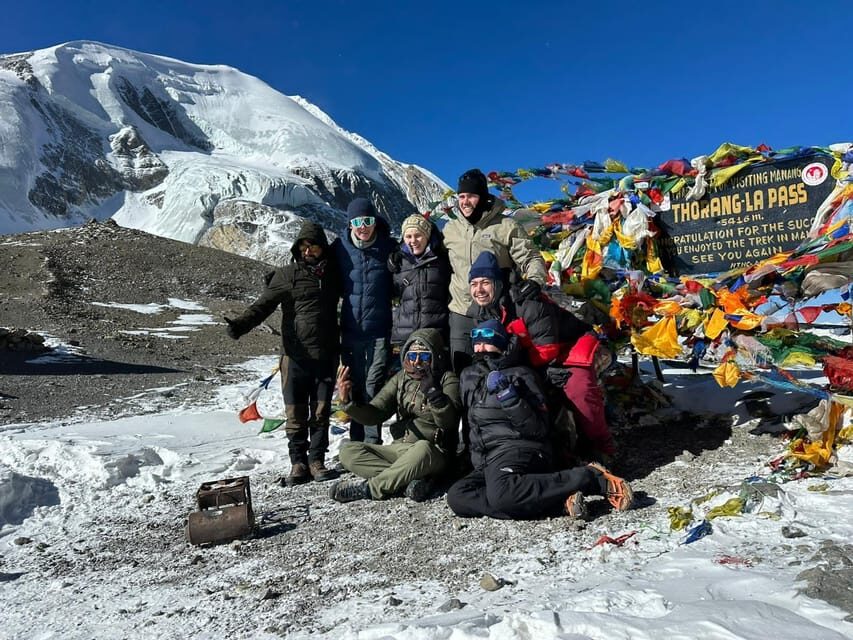
What makes the trek click for most people is the mix. You start in the warm Pokhara area, move into rhododendron and oak forest, and then step into a world of stone paths, prayer flags, and views of Annapurna, Dhaulagiri, Manaslu, and even Machhapuchhre (the Fish Tail). Also, if you’re the type who enjoys guided structure, the trek includes a government-licensed guide plus a porter to carry your baggage, which keeps things calmer than you might expect for such a famous route.
One more practical note: the trek begins very early (meeting time listed as 12:15 am at Pokhara), so plan for jet lag and sleep schedules to be part of the “gear list” too.
In This Review
- Key things to know before you go
- Pokhara as Your Base: Lakes, Mountains, and an Easier First Day
- Moving from Mid-Hills Forest to Village Life
- Ghorepani and Ghandruk: Where the Annapurna Views Feel Close
- The Poon Hill Sunrise Payoff: Pre-Dawn Climb and Big Panoramas
- Why These Peaks Look Different From the Trail
- The Trek Down: Returning Toward Nayapul and Pokhara
- Guides, Porters, and the Comforts That Keep You Focused
- Price and Value at $815: What’s Included, What You Still Own
- Pace, Fitness, and the Stairs Reality
- Who Should Book This Trek
- Should You Book Mount Face Nepal’s Ghorepani Poon Hill Sunrise Trek?
- FAQ
- What is the duration of the Ghorepani Poonhill Sunrise trek?
- Where does this trek start?
- How much does the tour cost?
- What’s included during the trekking days?
- Are Kathmandu and Pokhara hotel stays included?
- Do I need permits or a TIMS card?
- Do I get a guide and porter?
- What is not included in the price?
- What kind of fitness level do I need?
- Can I cancel and get a full refund?
Key things to know before you go
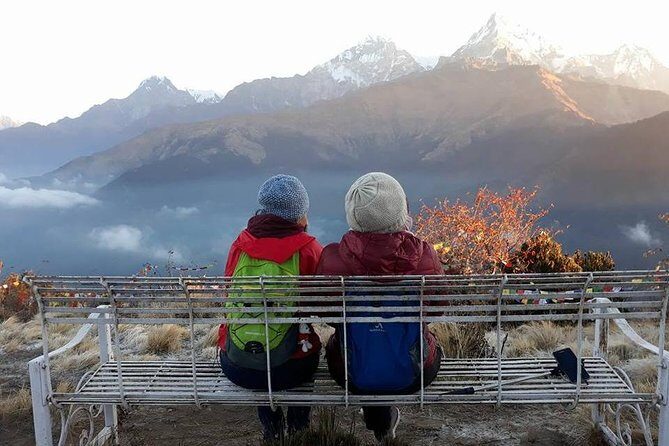
- Poon Hill sunrise is the big show, and the approach includes a serious stairs moment: 3381 steps.
- You’ll spend time in Ghandruk, a heritage village with classic views toward Annapurna South and Fish Tail.
- The trekking route moves from forest to alpine country, with rhododendron, oak, and magnolia mentioned in the route description.
- Your kit is mostly on you: personal trekking equipment isn’t included, but the guide, porter, permits, and meals are.
- Past guest feedback highlights guides by name, including Kisan, Amir, and Sumir, with extra praise for attention and even yoga at sunrise for some groups.
- This is priced as a supported trek: the package includes hotels in Kathmandu and Pokhara, ground transport, and a trek license/permit setup (TIMS + restricted area permits are listed).
Pokhara as Your Base: Lakes, Mountains, and an Easier First Day
Most people start with Kathmandu, then move to Pokhara. Here, that’s not just a transfer—it sets the tone. The drive is listed as about 6 hours by tourist bus, so you’re not teleporting. You’re gradually shifting from city energy into a lakes-and-hills mood.
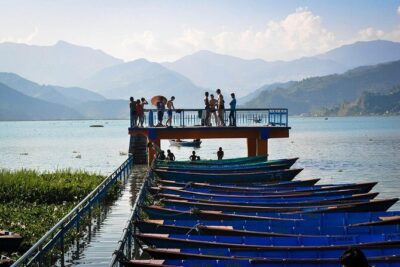
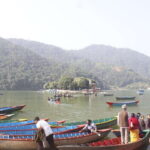
Pokhara matters because it’s where the Annapurna views feel most accessible. The route description calls out Lake Phewa and Pokhara’s location in the laps of the Annapurna Himalaya. Even if you only get a little time to stretch your legs, you’ll feel like you’re already surrounded by mountains long before the trail starts.
In practical terms, Pokhara also helps with your trek rhythm. You’re coming from hotels (Kathmandu and Pokhara are both included), not from camping or constant moving. That makes this route more beginner-friendly than harsher options in Nepal—especially since your early mornings start soon.
You can also read our reviews of more hiking tours in Pokhara
Moving from Mid-Hills Forest to Village Life
The trek begins in the “warm area” and then you enter the mid hills and alpine country through forest trails. The route description is specific about tree types you’ll pass: rhododendron, oaks, and magnolia trees. That’s your clue for what kind of walking you’ll do: steady trail time with a changing feel, not just a single dramatic climb.
As you progress, you also get village culture tied to the mid-hill communities of the area, especially the Gurung and Pun peoples. This is where the trek stops being only about scenery and starts being about people and routines—how you move, where you rest, what you eat, and what life looks like when the mountain is your neighbor.
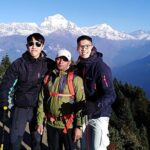
You’ll also spend time in heritage villages, with Ghandruk specifically called out for views of Annapurna South and Fish Tail. This matters more than it sounds. Heritage villages usually mean stone-built homes, walkable lanes, and viewpoints that don’t require you to work for every view. After days on a trail, that kind of “easy looking” is a gift.
Ghorepani and Ghandruk: Where the Annapurna Views Feel Close
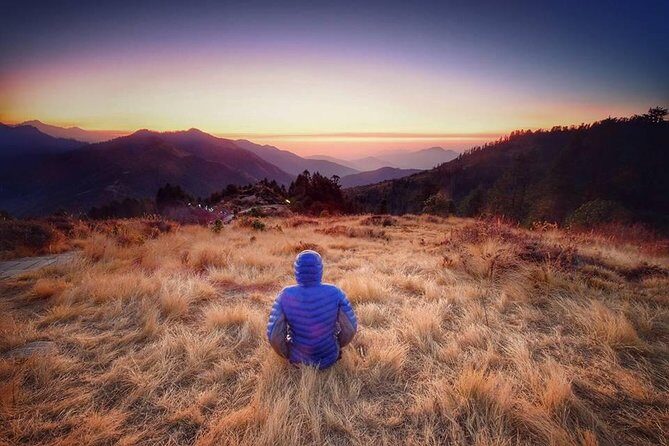
Ghorepani is where the route starts to feel like classic Poon Hill country—busy enough to find trekking comforts, but still remote in the way that only mountain villages are. The trek description emphasizes that you’ll see major peaks in the Annapurna region, including Mt. Annapurna and the broader skyline around it.
Then there’s Ghandruk. This is where I’d look if you’re chasing a true “Nepal trekking village” feel with big views. The route description links Ghandruk to Annapurna South and Fishtail. From a traveler’s perspective, that’s exactly what you want: you don’t want to hike for days just to stand in a place where the best views happen only on a distant ridge line.
Also, the cultural side becomes more tangible here. Gurung and Pun traditions are part of what you’re walking through, not just a background story. You’re seeing how these communities live in the mid hills with the mountains shaping daily life.
The Poon Hill Sunrise Payoff: Pre-Dawn Climb and Big Panoramas
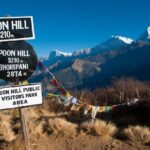
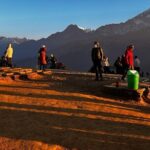
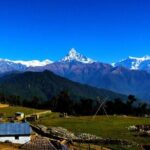
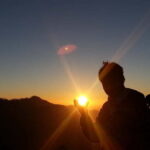
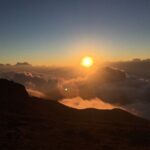
This is the reason people do the trek. The meeting time listed as 12:15 am gives you a strong hint: you’ll be moving while most of the world is still asleep. The plan culminates in a morning hike to Poon Hill, with panoramic views as the goal.
And it’s not a small goal. You’ll be chasing wide views that include major peaks such as Dhaulagiri and multiple parts of the Annapurna range. The route summary also calls out a specific reward after a climb of 3381 steps: panoramic views of Dhaulagiri.
Here’s why that matters for you: steps sound simple, but long stair stretches change your breathing fast. The earlier you start, the more your legs get a chance to warm up before the sun does. That can feel tough at first, but it’s also part of why the sunrise is so satisfying—your body and your effort line up with the payoff.
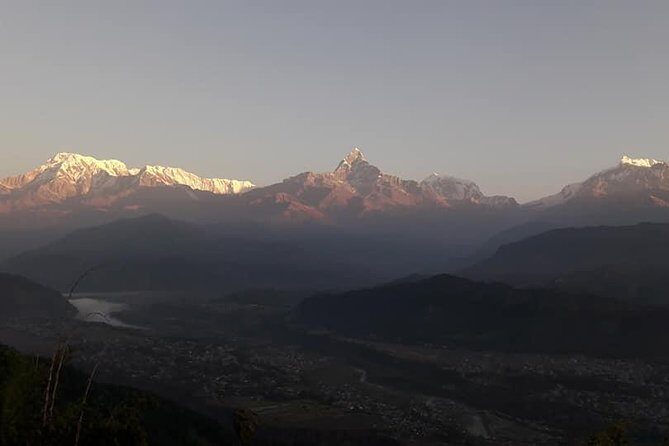
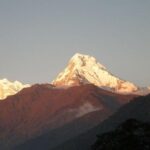
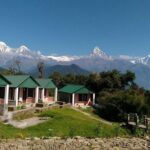
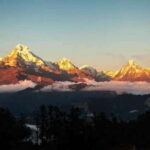
The skyline is described as including Machhapuchhre (the Fish Tail) too. Fish Tail is one of those peaks people recognize even from photos, and seeing it in context with the Annapurna and Dhaulagiri massifs is the kind of visual that sticks.
Practical tip: sunrise hikes usually mean cold. The trek includes breakfast and coffee/tea during the trekking period, but you should still plan for chilly air and wind. Layering helps more than anything fancy.
Why These Peaks Look Different From the Trail
You’ll see more than one big name, and they’ll appear to shift as you move. The route description lists several key mountains with exact elevations, including:
- Annapurna-I at 8,091 m (described as the world’s 10th highest)
- Dhaulagiri at 8,167 m (described as the world’s 7th highest)
- Manaslu at 8,163 m (described as the world’s 8th highest)
- Barah Shikar, Gangapurna, Annapurna South, Hiuchuli, and Machhapuchhre
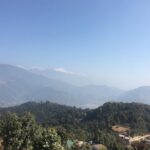
Even if you don’t memorize the meters, the feeling matters. From a lower trek perspective, the peaks don’t just look tall—they look layered. Some peaks feel sharp and close, while others feel like giant walls behind them. That depth is why Poon Hill is so famous: it gives you a viewpoint where the range reads like one connected scene.
And the walk isn’t only toward views. The route description mentions tranquil forest before opening into alpine country. That transition is a big deal. Forest walking calms your pace; open viewpoints make you realize you’ve earned the effort.
A few more Pokhara tours and experiences worth a look
The Trek Down: Returning Toward Nayapul and Pokhara
After the sunrise highlight, you’ll continue trekking toward the area that leads back down. One elevation point given for the route is Tadapani at 2,721 m, which helps you understand the terrain isn’t just one long climb—it includes both upward effort and then a descent that lets your body recover.
The route returns down to Nayapul, and then you drive back to Pokhara. From a logistics standpoint, this is smart. Your big climb effort happens in the first half, then you finish the trek with a more “finish line” feeling rather than turning it into a second peak-chasing day.
Also, the trek includes a hotel stay in Pokhara. So after the last descent, you’re not trapped in transit all night. You can actually eat, shower, and reset.
Guides, Porters, and the Comforts That Keep You Focused
This package is built around support. You get a government license holder guide and a porter to carry your baggage. That combination changes the trek from a self-managed hike into a guided experience where you can spend energy on walking and enjoying rather than logistics.
You’ll also have the administrative essentials handled: TIMS card (listed as Trekker’s information Management System) and trekking permits needed for restricted area trekking. A first-time trekker will appreciate that, because permit confusion can waste days and time.
Meals are another quiet win. During the trekking period, the package lists full board meals—breakfast, lunch, and dinner—plus coffee and/or tea. You’re not constantly calculating where you’ll eat or what’s open. That keeps the trip moving smoothly.
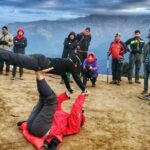
Past guest feedback also highlights guide personality and extra touches. Names that came up include Kisan and Sumir for being attentive, and Amir for helping solo travelers feel supported. Some groups also mentioned yoga, including sunrise and evening moments. If that kind of mind-body structure appeals to you, it’s worth asking your guide whether yoga fits naturally into the schedule for your specific dates.
Price and Value at $815: What’s Included, What You Still Own
At $815 per person, this is not a budget-only trek. But it’s also not just a “guide fee” thrown into a hike. The inclusions listed are substantial:
- Airport pickup and drop
- Hotels in Kathmandu and Pokhara
- Ground transport (Kathmandu–Pokhara by tourist bus or plane; Pokhara–Nayapul by private vehicle)
- Best available accommodations during the trek
- Guide + porter
- TIMS and trekking permits for restricted area trekking
- Insurance, equipment, and local taxes for guides and porters (listed)
- First aid kit
- Farewell dinner prior to departure
- Coffee and/or tea during trekking
- TIMS plus administrative support (already noted)
What’s not included is equally important: lunch and dinner in Kathmandu and Pokhara, travel insurance, the Nepal entry visa fee, international airfare and airport departure tax, tips, drinks (hot/soft/cold) and liquors, and personal shopping/laundry and personal trekking equipment.
So how do you judge value? You weigh the amount of “unknowns” this removes. If you want a supported trek where permits, transport timing, and meal planning are handled, this package can feel like good value. If you already have your own transport and don’t mind coordinating permits, you might prefer a more DIY approach. But for many first-timers, the stress reduction is worth real money.
Pace, Fitness, and the Stairs Reality
The experience says you should have moderate physical fitness. I’d treat that as a serious suggestion, not a polite one. The reason is simple: you’re walking days in mountain terrain, and the route summary calls out 3381 steps.
Early starts also change how hard the trek feels. Starting at/around 12:15 am means you might be cold, tired, and still adjusting to altitude and motion after travel. The trek includes support (guide, porter, meals), but it can’t replace your sleep.
If you’re deciding whether you’re ready, be honest about your ability to handle uphill stair climbing for stretches. You don’t need to be an athlete, but you should be comfortable with sustained effort.
Also, keep in mind the trek is described as moving from warm areas into mid hills and then alpine country. Temperature shifts can surprise you more than you expect.
Who Should Book This Trek
This trek fits best if you want:
- Iconic views without needing mountaineering skills
- A supported experience with a licensed guide and a porter
- A strong cultural component, including the Gurung and Pun traditions mentioned
- A structured route that starts from Pokhara and uses included hotels to keep things comfortable
It may not be the right fit if you:
- Hate very early mornings or you’re dealing with injury/conditions that make stairs difficult
- Want a completely independent, go-your-own-way experience (this is private, but still guided and planned)
For first-time Nepal visitors, this also makes sense because you get Kathmandu and Pokhara setup before the trek. You’re not thrown directly into remote logistics.
Should You Book Mount Face Nepal’s Ghorepani Poon Hill Sunrise Trek?
I’d book this if your goal is simple and real: you want sunrise views over big-name peaks, you like village walking, and you prefer a supported trek over doing everything yourself.
Before you say yes, ask yourself two questions. First, are you okay with waking up very early and climbing stairs? Second, does having permits, transport, guide, and meals taken care of match your travel style? If the answer is yes, then this looks like a strong value package for getting the Poon Hill experience with less friction.
If you’re sensitive to cold or you know your schedule tends to fall apart with early starts, build a little buffer into your mindset. The mountains don’t wait for anyone, and sunrise rewards the people who show up.
FAQ
What is the duration of the Ghorepani Poonhill Sunrise trek?
The trek is listed as 8 days (approx.).
Where does this trek start?
The start location is Pokhara, Pokhara, Gandaki Zone, Western Region, with the start time listed as 12:15 am.
How much does the tour cost?
The price is listed as $815.00 per person.
What’s included during the trekking days?
You get full board meals (breakfast, lunch, and dinner) during the trekking period, plus coffee and/or tea.
Are Kathmandu and Pokhara hotel stays included?
Yes. The package includes hotel stay in Kathmandu and Pokhara.
Do I need permits or a TIMS card?
Yes. The package includes TIMS card and trekking permits needed for restricted area trekking, and it lists local taxes and a first aid kit as included.
Do I get a guide and porter?
Yes. A government license holder guide is included, along with a porter to carry your baggage.
What is not included in the price?
Not included: lunch and dinner in Kathmandu and Pokhara, travel insurance, Nepal entry visa fee, international airfare and airport departure tax, tips for trekking staffs, drinks (hot/soft/cold) and liquors, and personal shopping and laundry or personal trekking equipment.
What kind of fitness level do I need?
The experience says you should have moderate physical fitness.
Can I cancel and get a full refund?
The policy listed is free cancellation, with a full refund if you cancel at least 24 hours in advance of the experience’s start time. If you cancel less than 24 hours before, the amount paid is not refunded.