REVIEW · POKHARA
Explore Pokhara City in Sharing Bus
Book on Viator →Operated by Arpan Nepal · Bookable on Viator
Pokhara is one of those places that rewards a good route. This sharing bus day tour strings together some of the city’s most talked-about sights in a hassle-free flow, with hotel pickup and drop-off in the Lakeside area. I like that you get real variety for your money, from a famous hill temple to natural caves and lakes, all within about 6 to 7 hours.
The main drawback to plan for: some entrance fees aren’t included, so you’ll want a bit of cash ready for cave and fall sites. Also, it’s a basic minibus, so think practical, not luxury.
In This Review
- Key highlights before you go
- Why This Pokhara Sharing Bus Route Makes Sense
- Price and logistics: what $12 buys you (and what it doesn’t)
- Stop 1: Bindhya Basini Temple for a classic hill-top start
- Stop 2: Mahendra Cave for nature vibes and a real ticket check
- Stop 3: Begnas Lake for a clean, calming break
- Stop 4: Devi’s Fall for a quick, weird-and-wonderful stop
- Stop 5: Gupteswar Gupha cave for another dose of Pokhara’s underground world
- Final stop: the big natural lake time to close the loop
- Your guide and the pace: friendly, organized, and not frantic
- Who should book this tour (and who might want something else)
- Tips to get more out of the day
- Should you book this Pokhara sharing bus tour?
- FAQ
- FAQ
- What is the meeting time for the Pokhara sharing bus tour?
- How long does the tour take?
- What is included in the tour price?
- Are entrance fees included?
- Which stops have free admission?
- Which stops do not include admission tickets?
- Does the tour have group limits?
- Is the pickup offered only in certain areas?
- What is the cancellation policy?
- Can I participate if I’m an average traveler?
Key highlights before you go
- Lakeside pickup and drop-off: convenient start and finish without the headache of figuring out transport.
- Small group setting (max 22): easier pacing than huge buses.
- A stacked day of top sights: temple, cave visits, lakeside time, and a waterfall stop.
- Good value at $12: transportation and seating are part of the deal.
- Time-boxed visits: you see a lot, but you won’t linger everywhere.
- Free admission at two stops: Bindhya Basini Temple and Begnas Lake are ticket-free.
Why This Pokhara Sharing Bus Route Makes Sense
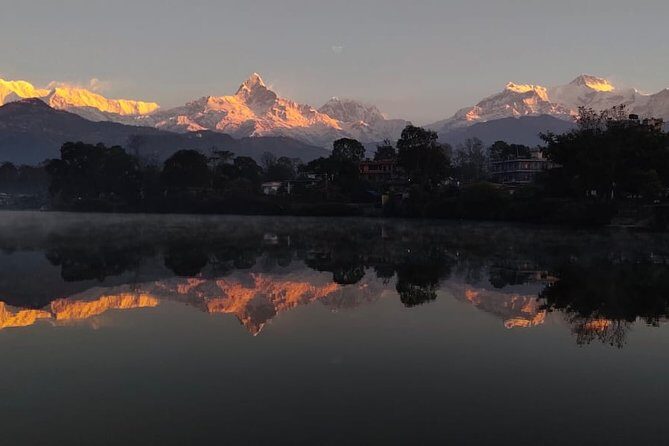
If your time in Pokhara is limited, you need a plan that hits the key sights without turning your day into a logistics game. This tour is built for exactly that. You meet at 9:40 am, ride in a sharing minibus, and rotate through major points of interest around the city.
What makes it feel “worth it” isn’t just the list of places. It’s the structure: you’re not paying for a private car, but you still get pickup and drop-off in the Lakeside area, which removes one of the biggest sources of daily travel stress in Pokhara. When you’re saving energy at the start, you’re more likely to enjoy the sights instead of calculating how to get between them.
Also, the tone of the experience seems to be friendly and well-managed. People who’ve done this route tend to talk about a humble, friendly guide and service that feels organized rather than chaotic. That matters on a day tour—especially when you’re hopping from temple steps to cave interiors to lake views.
You can also read our reviews of more city tours in Pokhara
Price and logistics: what $12 buys you (and what it doesn’t)
Let’s talk value plainly. At $12 per person, you’re paying for:
- a seat in a basic shared minibus
- hotel pickup and drop-off within Pokhara Lakeside
- time on a guided route through the area’s main highlights
What you should budget separately is entrance fees and personal expenses. The tour includes some stops with free admission, but not all of them. In other words: your ticket price covers transportation and the overall itinerary experience; it doesn’t cover the cost of getting into every attraction.
The duration is listed as about 6 to 7 hours, so you should treat it as a full morning-to-afternoon outing. Since you’ll be moving between multiple sites, comfortable shoes and a small bag you can carry easily are a smart idea.
One more practical note: the tour uses a mobile ticket and confirmation happens at booking. It’s also limited to a maximum of 22 travelers, which usually means less waiting around than big coach tours.
Stop 1: Bindhya Basini Temple for a classic hill-top start
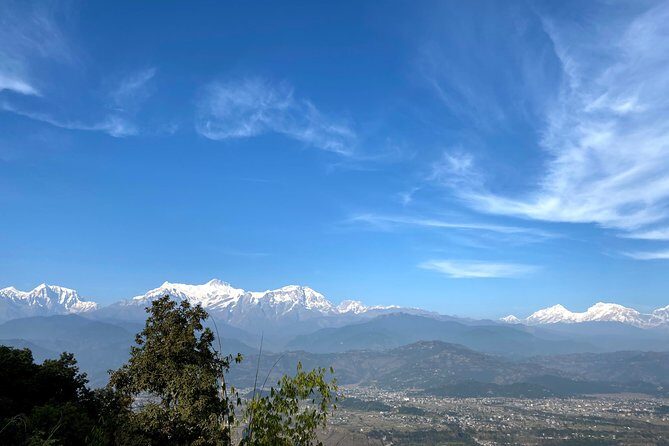
You kick off at Bindhya Basini Temple, one of Pokhara’s best-known Hindu temples, located on a hill. You’ll have around 25 minutes here, and admission is free.
This kind of first stop does two useful things. First, it gives you a quick cultural anchor—Pokhara isn’t only about lakes and scenery. A hill temple visit helps you understand the human side of the city right away. Second, it’s a natural warm-up for your day’s rhythm. You get a short, focused time block without exhausting yourself too early.
Practical tip: since it’s a temple on a hill, you may encounter stairs and uneven ground. Wear shoes you can move confidently in. Also, remember you’re visiting a place of worship, so keep your pace respectful and your voice down.
Stop 2: Mahendra Cave for nature vibes and a real ticket check
Next comes Mahendra Cave. It’s described as a beautiful natural cave, and you’ll have about 30 minutes. Here’s the key detail: admission tickets are not included.
Caves are fun, but they’re also a good reminder that the tour price doesn’t cover everything. Before you go, mentally separate the ride-and-guide service from the attraction entry fees. You’ll likely feel less rushed if you treat entrance costs as part of the day rather than a surprise.
The time window is short, which is normal for a group tour. You should expect to walk through and take in the cave atmosphere, not explore at your own slow pace like you might on a private trip.
If you’re claustrophobic or uncomfortable in dark indoor spaces, this is the moment to think it through. You can still visit as a quick stop, but don’t assume it will feel like a big, open show cave.
Stop 3: Begnas Lake for a clean, calming break
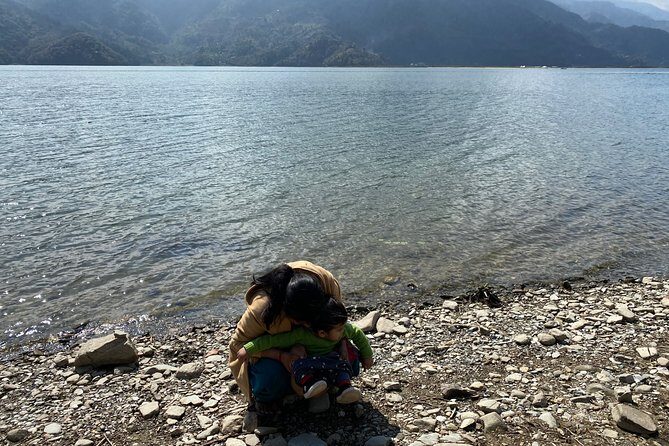
After caves, your day gets a breath of fresh air at Begnas Lake. You’ll have about 1 hour, and admission is free.
This is one of the best “reset” points in the itinerary. After indoor time underground, lake time lets you see a wider sky, breathe, and refocus. It’s also where the tour feels most like a proper Pokhara experience—water, reflections, and slower moments.
What I like about having a full hour here is that it gives you room to actually enjoy rather than just snap photos and leave. You can take a slow walk, sit for a bit, or just watch the light change over the water.
Practical note: even though this is billed as a lake stop, you’ll still be moving as part of a group schedule. If you want extra lounging time, plan to extend your day afterward on your own.



Stop 4: Devi’s Fall for a quick, weird-and-wonderful stop
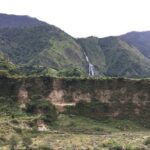
Then you’ll head to Devi’s Fall. You’ll have about 25 minutes. The waterfall stop is described as unique and beautiful, but admission tickets are not included.
This is the kind of place where you get short, intense attention. The waterfall is the star, and the schedule doesn’t ask you to linger for hours. That can be a plus if you like variety—one interesting spot after another—rather than one long sightseeing block.
At the same time, it’s smart to keep your expectations realistic. Twenty-five minutes goes fast, especially if the site is busy or there’s a bit of walking to the viewpoint. Your best move: decide what you want to capture on arrival—then spend the rest of the time soaking it in without turning it into a checklist.
Since tickets are not included, don’t let ticket-buying distract you from enjoying the view once you’re inside the area.
Stop 5: Gupteswar Gupha cave for another dose of Pokhara’s underground world
Next up is Gupteswar Gupha. Expect about 40 minutes, and again, admission isn’t included.
This cave stop is longer than the Devi’s Fall stop, and it works well after Devi’s Fall. You go from water energy to stone-and-shadow stillness. Caves also tend to be memorable because they feel different from outdoor sightseeing—you’re inside a different world for a short stretch.
The itinerary timing suggests you won’t just pass through. With 40 minutes, you should have time to see the main cave features and take breaks if needed. Still, it’s part of a group route, so don’t plan for unlimited wandering.
If you’re traveling with friends and you like comparing photos, caves are good for that. Each angle can look surprisingly different, and you’ll probably end up noticing details you didn’t expect when you first stepped in.
Final stop: the big natural lake time to close the loop
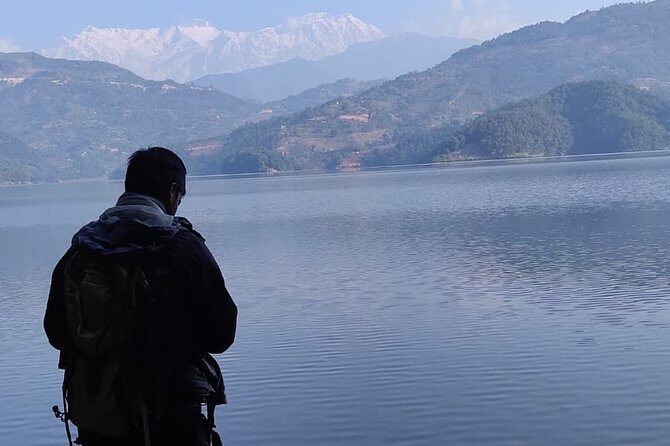
The itinerary also includes a final stop at a big beautiful natural lake of Pokhara. The exact time isn’t listed in the same way as the earlier stops, but it’s clearly meant to round out the day with lake scenery after the temple and caves.
This last lake segment is a smart choice for pacing. After multiple stops with stairs, ticket desks, and changing lighting, you get a more open setting where it’s easier to relax. It’s also a good moment to compare how you felt at the start versus now. A day like this often starts energetic and ends more calm, because the lake naturally slows you down.
If you’re the type who likes to watch reflections, this is the part of the tour where you can actually put the phone away for a little while.
Your guide and the pace: friendly, organized, and not frantic
A standout theme from the experience is how friendly and humble the guide comes across. That matters more than people think. In a group tour, the guide sets the tone: where you wait, how you move, what you prioritize, and how you handle little surprises (like entrance fees).
The good news is this tour appears designed so you can enjoy it without feeling like you’re being rushed from one spot to the next. The overall schedule is structured, but it’s not framed as a forced sprint. You’ll have short visits at some sites (like 25 minutes for Bindhya Basini and Devi’s Fall) and longer breathing room at others (like 1 hour at Begnas Lake).
The minibus is described as basic, so expect standard shared-transport comfort. On a day tour like this, that’s often fine. The real value is not the vehicle; it’s the routing and the fact that you don’t have to figure out each connection yourself.
Who should book this tour (and who might want something else)
This tour is a strong fit if:
- you want to see several Pokhara highlights in one day
- you’re staying in or near Lakeside
- you like group tours with a friendly guide but not a heavy, all-day hike plan
- you want value at $12 without booking separate transport for every stop
It might be less ideal if:
- you hate caves or dark indoor spaces
- you want long, unhurried time at fewer locations
- you’re hoping for everything to be fully included price-wise (since multiple stops require separate ticket payments)
One smart approach: if you’re the “Pokhara is more than one day” type, this is a great first day to get your bearings fast, then add extra time on your own at the sites you liked most.
Tips to get more out of the day
A few practical moves can make this smoother:
- Bring small cash or a way to pay entrance fees since they are not included for Mahendra Cave, Devi’s Fall, and Gupteswar Gupha.
- Wear grippy shoes. Temple hills and cave paths can be uneven.
- Bring water. Lake days feel cooler if you’re hydrated, and long cave corridors can be dry.
- Have realistic expectations for time: you’ll see a lot, but you won’t have a full afternoon at every stop.
If you’re traveling with friends, this kind of route also works because it’s easy to compare moments: temple views, cave photos, then lake calm.
Should you book this Pokhara sharing bus tour?
I think you should book it if you want a cost-friendly, organized way to hit several major Pokhara sights in one 6 to 7 hour outing, especially with the convenience of Lakeside pickup and drop-off. The biggest win is value: your payment covers the transportation and the guided flow, and two stops are ticket-free, which helps keep the total day cost reasonable.
If your main goal is total relaxation or deep exploration at one site, then you may want a slower, more tailored plan instead. But if you want to stack the best-known Pokhara landmarks—temple, caves, waterfall, and lake—and get a guided day that feels managed, this tour is a solid choice.
FAQ
FAQ
What is the meeting time for the Pokhara sharing bus tour?
The tour starts at 9:40 am.
How long does the tour take?
The duration is approximately 6 to 7 hours.
What is included in the tour price?
It includes hotel pickup and drop-off within Pokhara Lakeside, plus a seat in a basic minibus and the tour itself.
Are entrance fees included?
No. Entrance fees are not included, and personal expenses aren’t included either.
Which stops have free admission?
Bindhya Basini Temple and Begnas Lake have free admission.
Which stops do not include admission tickets?
Mahendra Cave, Devi’s Fall, and Gupteswar Gupha do not include admission tickets.
Does the tour have group limits?
Yes. The maximum group size is 22 travelers.
Is the pickup offered only in certain areas?
Hotel pickup and drop-off are offered within the Lakeside area of Pokhara.
What is the cancellation policy?
You can cancel for a full refund up to 24 hours in advance. If you cancel less than 24 hours before the start time, the amount paid isn’t refunded. The local time applies to the cut-off.
Can I participate if I’m an average traveler?
Most travelers can participate, as this is a standard group sightseeing tour with time-boxed stops.