REVIEW · KATHMANDU
Luxury Everest Base Camp Trek -11 Days
Book on Viator →Operated by Himalayan Adventure Treks and Tours Pvt Ltd · Bookable on Viator
Everest, but with comfort baked in.
This 11-day Luxury Everest Base Camp Trek takes you from Kathmandu up through classic Khumbu villages, then swaps the usual long walk back for a helicopter ride on the return.
I especially like the upgraded rhythm here: comfortable stays in upgraded teahouses (twin sharing) instead of basic survival mode, plus meals that keep you fueled day after day. I also appreciate the human touch on the ground, with an experienced guide and porter support set up for your group (including feedback that highlights guides like Prakash and company leadership such as Bhagwat Simkhada).
The trade-off is cost and altitude reality. At $4,500 per person, you’re paying for the helicopter and upgrades, and you’ll still hike at thin air—plus bad weather can affect flights, so you should be ready for schedule surprises.
In This Review
- Key things that really matter on this trek
- Why This Everest Base Camp Trek Feels Different Than the Standard Route
- Kathmandu Start: Private Pickup and a 5-Star Reset
- The Lukla Flight: High Altitude Starts Fast
- Phakding to Namche Bazaar: Your First Real Taste of the Khumbu
- Acclimatization in Namche (Day 4): The Unsexy Day That Works
- Tengboche (Day 5): Comfortable Trekking to 3,820 m
- Dingboche (Day 6) and an Acclimatization Day (Day 7): The Smart High-Altitude Pattern
- Lobuche (Day 8): Higher Terrain, Real Weather Watching
- To Gorakshep and Everest Base Camp (Day 9): The Strenuous Day That Feels Worth It
- Kalapatthar (Day 10): The Popular Summit-Feel Moment
- Helicopter Return to Kathmandu: Why It Changes the Whole Trip
- Tea Houses, Meals, and the Real Meaning of Upgraded Comfort
- Guides, Porters, and the Team Behind the Curtain
- Permits, Fees, and What You Still Must Arrange
- Price and Value: Is $4,500 for 11 Days Reasonable?
- Weather, Seasons, and the Altitude Reality Check
- Who This Trek Is Best For (And Who Should Rethink It)
- Should You Book It
- FAQ
- What’s the duration of the Luxury Everest Base Camp Trek?
- Where does the trek start and end?
- What time does the experience start?
- Are airport transfers included?
- What’s included for Kathmandu hotels?
- How do you get to Lukla?
- Is the helicopter ride included, and where does it go?
- What permits and fees are covered?
- What meals are included during the trek?
- Do I need to arrange a visa and travel insurance?
Key things that really matter on this trek
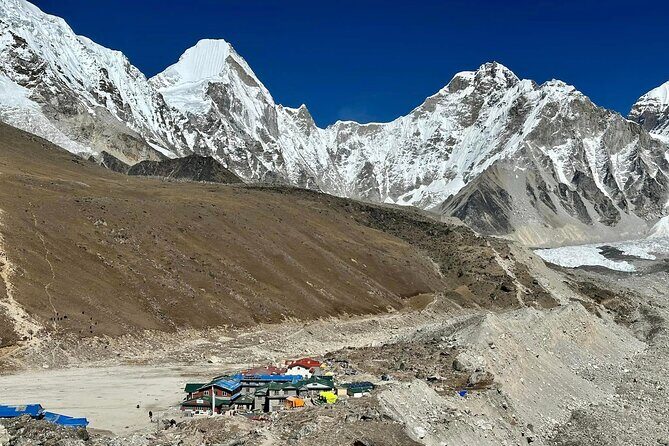
- Helicopter return from Gorakshep to Kathmandu: saves your legs on the final high-altitude stretch.
- Upgraded tea houses during the trek: a more comfortable sleep and overall experience at altitude.
- Kathmandu base in a 5-star hotel (2 nights): real recovery time before trekking.
- Built-in acclimatization at key altitudes (including 3,880 m and 4,360 m).
- Guide + porter support: one porter for every two clients helps keep the trek practical.
- Farewell dinner with cultural performance: a nice, low-effort cultural send-off.
Why This Everest Base Camp Trek Feels Different Than the Standard Route
Classic Everest Base Camp trekking is mostly about logistics and grit. This version keeps the same core goal—getting to the Everest Base Camp area—but adds comfort where it counts, then replaces the usual hike-back plan with a helicopter.
That matters because Everest isn’t just hard because you’re walking. It’s hard because you’re exposed: cold nights, long days, and the mental drag of hauling everything yourself. Upgraded teahouses and supported porters take the edge off. Then the helicopter turn changes the emotional feel of the trip—you finish knowing you won’t get stuck with the usual last-day fatigue.
If you care about enjoying the scenery (and not just surviving it), this is the kind of trek that fits. You’ll still earn the views, but you won’t have to spend the whole trip in “rough it” mode.
A few more Kathmandu tours and experiences worth a look
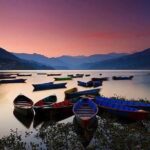
Kathmandu Start: Private Pickup and a 5-Star Reset
Your trip begins in Kathmandu at Tribhuvan International Airport. A company representative meets you, then transfers you by private vehicle to your hotel.
You get two nights in a 5-star hotel with breakfast. That’s not just a flex. It’s smart: you’re arriving fresh (or jet-lagged), then you need good sleep and a solid meal before the first flight. Kathmandu is busy and noisy—having a proper base helps you arrive calm and organized.
Also note the practical timing. The listed start time is 6:00 am at Tribhuvan Airport, so you’ll want an early morning mindset for departure days. (If your international flight lands late, that can affect what you do next—plan your Kathmandu schedule with extra buffer.)
The Lukla Flight: High Altitude Starts Fast
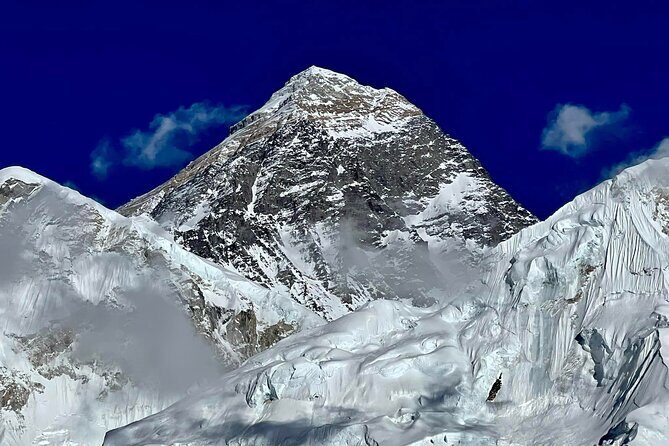
On day 2, you fly from Kathmandu to Lukla (airport altitude 2,860 m). This is the jump that turns the trip from a journey into a trek.
The thing to understand is that you don’t ease in gently. You land at altitude, then you start moving. That’s why the next day’s pace and the early days’ acclimatization strategy matter.
Also, this trek includes the flight ticket for the Kathmandu to Lukla leg. That’s one less thing for you to manage, and it keeps your travel day from turning into a paperwork hunt.
Phakding to Namche Bazaar: Your First Real Taste of the Khumbu
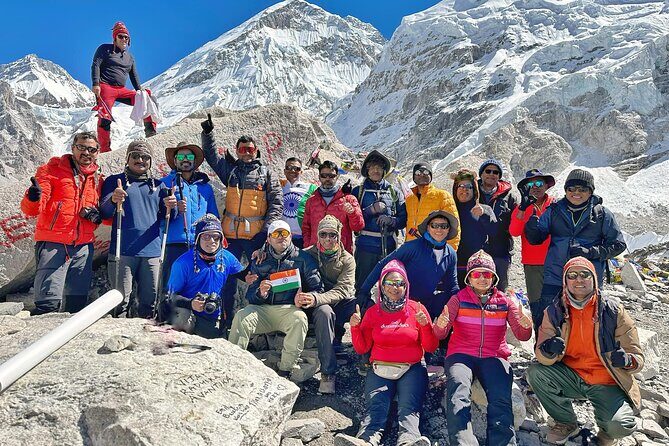
Day 3 is your walk from Phakding to Namche Bazaar, a key hub village at high altitude. Namche is one of those places where you quickly learn how Everest trips work: tea houses, views, and the hum of other trekkers moving uphill.
What I like about this section is that it’s a “step up without being an all-out climb.” You’ll feel the altitude shift and start building your trekking routine: slow steps, hydration habits, and paying attention to how your body reacts.
You’ll be staying at a well-positioned trekking stop, which helps you get ready for the acclimatization day ahead.
Acclimatization in Namche (Day 4): The Unsexy Day That Works
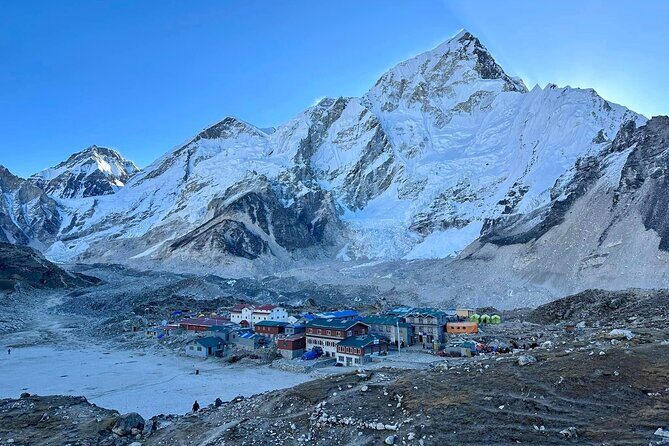
Day 4 is an acclimatization day at around 3,880 m. This is where luxury and safety overlap, because the goal isn’t to rush. It’s to give your body time to adjust before you climb higher.
Even if you feel fine, that rest day is the “boring insurance policy” that makes the rest of the trek more enjoyable. You get time to explore and adjust at altitude rather than stacking fatigue and elevation on top of each other.
This is also where you’ll start to appreciate why guided treks are worth it. A good plan reduces your guesswork about pacing, hydration, and when to slow down.
You can also read our reviews of more hiking tours in Kathmandu
Tengboche (Day 5): Comfortable Trekking to 3,820 m
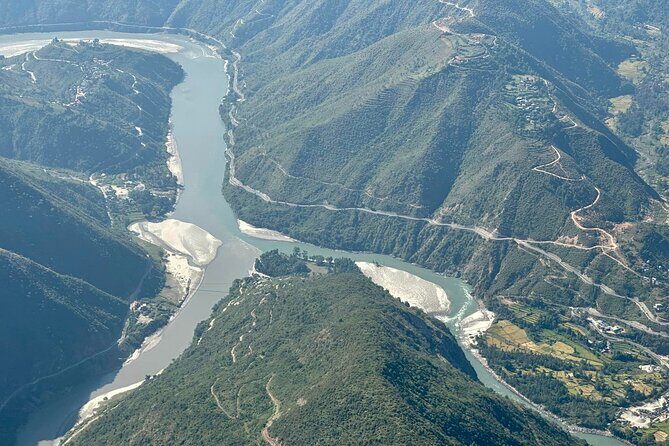
On day 5, you leave Hotel Everest View and head toward Tengboche (3,820 m, roughly 4 to 5 hours typical). This day is a bridge between “settling in” and “getting serious.”
You’ll feel the climb as you go, but it’s still a manageable progression for a trek of this length. Tengboche is a classic stop in the Everest region, and it tends to be a place where the journey turns more scenic and less logistical.
One practical plus: your meals are included during the trekking days (lunch and dinner, plus breakfasts). At altitude, that matters. You don’t want to waste time negotiating food options while your energy is being spent climbing.
Dingboche (Day 6) and an Acclimatization Day (Day 7): The Smart High-Altitude Pattern
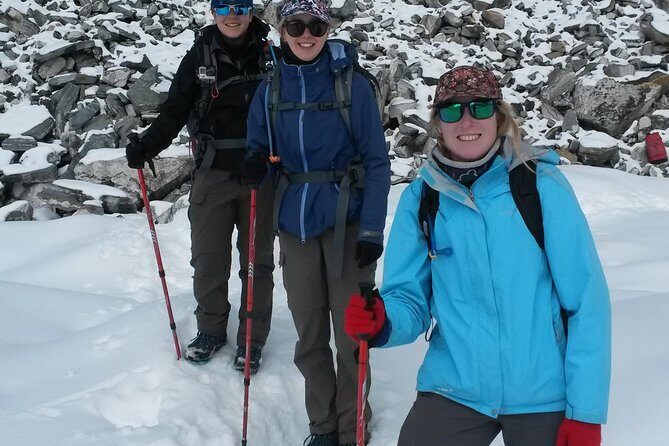
Day 6 takes you from Diboche to Dingboche (4,360 m), with roughly 5 to 6 hours typical. Dingboche sits at a point where altitude can start to feel real in your lungs and sleep.
Then day 7 is another acclimatization day at 4,360 m. That second acclimatization stop isn’t accidental. It’s the rhythm that helps many trekkers avoid the most common mistake on Everest trips: gaining altitude too fast, then paying for it later.
Here’s how you should think about these days:
- If your body feels good, you’ll still use the time well by moving gently and hydrating.
- If you feel off, the rest gives you breathing room before the harder push toward higher points.
This plan is especially important because this trek includes a peak-day hike up to Kalapatthar later.
Lobuche (Day 8): Higher Terrain, Real Weather Watching
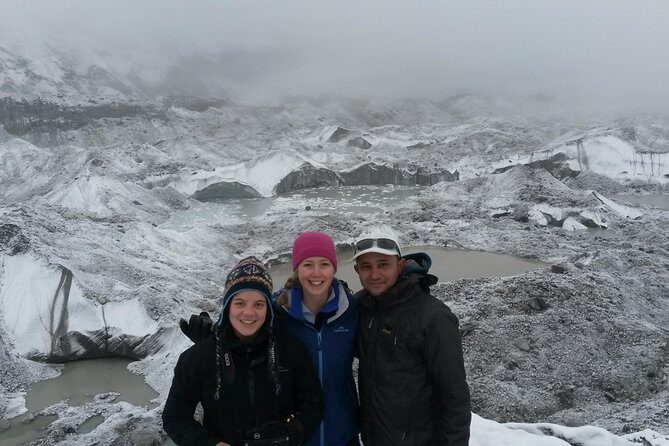
Day 8 is the trek from Dingboche to Lobuche, about 5 to 6 hours typical. Expect higher, more demanding terrain and changing weather conditions.
This is the part where “luxury” doesn’t mean warm all the time. It means your setup is better: upgraded tea houses on twin sharing, meals included, guide support, and medical/first-aid arrangements. But the mountains still do mountain things—wind and cold are part of the trade.
If you’ve ever felt your motivation fade on a long day, treat day 8 as your pivot point: settle into the colder gear habits, keep moving steadily, and save your energy for the next day’s push toward Gorakshep.
To Gorakshep and Everest Base Camp (Day 9): The Strenuous Day That Feels Worth It
Day 9 goes from Lobuche to Gorakshep and then onward to Everest Base Camp. It’s described as a strenuous hike of about 6 to 7 hours, with rocky terrain and high-altitude features like glacial moraines.
This day is the “achievement day,” but also the one where pacing is everything. You’ll want slow, consistent steps. Think: steady breath, steady rhythm, no sprinting because you got excited at a view.
What makes this trek feel special is the continuity: you’re not just walking to a point and leaving. You’re moving through the high-altitude approach that gives you a stronger sense of place.
By the end of day 9, you’ll be well positioned for the big viewpoint day next.
Kalapatthar (Day 10): The Popular Summit-Feel Moment
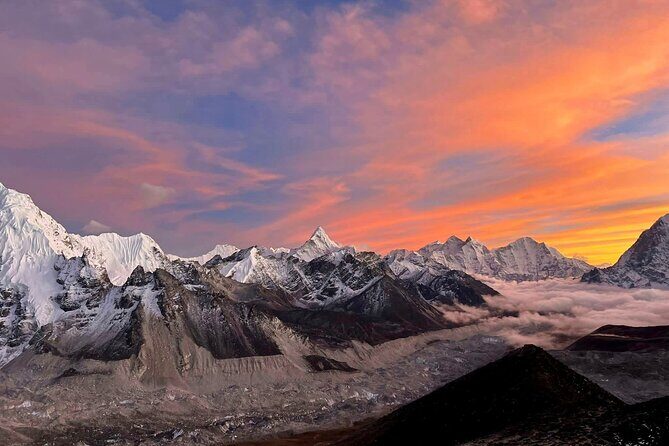
Day 10 is the hike from Gorakshep up to Kalapatthar at 5,545 m (about 18,192 feet). Kalapatthar is one of the biggest highlights of Everest Base Camp treks, and it offers panoramic views in a way that’s hard to match.
This is also where you’ll feel altitude most strongly. Luxury won’t change that, but it can help you recover better once you reach the top.
And there’s a key difference versus the classic EBC experience: on this itinerary, you don’t have to plan for a long trek back. The tour includes helicopter fare from Gorakshep to Kathmandu (sharing), which shifts the emotional math of the final day. You get a dramatic viewpoint, then you get a fast exit from the fatigue cycle.
Helicopter Return to Kathmandu: Why It Changes the Whole Trip
Most Everest treks turn into a long slog at the end. Here, the helicopter ride from Gorakshep to Kathmandu gives you back time and energy.
It’s not a magic wand. Weather can still affect operations, and helicopter service is mentioned as more stable in spring and autumn, which makes sense given typical Himalayan conditions. Still, when it runs as planned, it’s one of the most practical luxuries on Earth.
If you’re traveling with family or anyone who needs help managing fatigue, this can be the difference between “we did Everest” and “we actually enjoyed Everest.”
Tea Houses, Meals, and the Real Meaning of Upgraded Comfort
This trek includes upgraded tea houses throughout on twin sharing. Meals are covered during trekking: breakfast, lunch, and dinner across the scheduled days.
So what does upgraded mean in real terms? At this altitude, “luxury” usually means:
- fewer compromises on sleeping and basic comfort
- a more reliable meal routine
- better overall logistics so you spend less time sorting out what’s available
You’ll also get a duffle bag (returned after the trek) and company t-shirts. Those aren’t just souvenirs. The duffle system helps you manage what you carry versus what porters handle.
And you can request vegetarian food. That’s important on longer mountain days when menus can be limited and you don’t want to burn willpower chasing meals.
Guides, Porters, and the Team Behind the Curtain
This is a guided trek with an experienced, helpful guide and porter support. The plan is 1 porter for 2 clients, which is the sweet spot for many couples and small groups: you carry what you should, but you’re not lugging everything up steep switchbacks.
Names that stand out in the provided feedback include Prakash as a guide praised for being excellent. The owner/leader Bhagwat Simkhada is also highlighted as well organized and involved.
Even without meeting them in advance, you can use this information to make a smarter choice: ask who your guide is and confirm the porter ratio with the operator. You want a setup that matches your walking pace and your comfort level.
Permits, Fees, and What You Still Must Arrange
The trek includes trekking permits and fees such as the TIMS permit and Khumbu valley fees. It also includes travel and rescue arrangements and a first-aid kit.
That’s a real value point because it reduces the risk of missing something essential in Nepal’s trekking system. It also lets you focus on actual hiking preparation instead of document scavenger hunts.
But you still need to handle your own:
- Nepal visa fee (easy to obtain in Kathmandu airport)
- international airfare to and from Kathmandu
- personal expenses like phone calls, laundry, bar bills, extra porters, bottle or boiled water, and hot shower options
Also, travel and rescue insurance is not included, and that’s one gap I’d treat seriously. For Everest country, a solid policy isn’t optional-thinking—it’s just smart planning.
Price and Value: Is $4,500 for 11 Days Reasonable?
Let’s talk real value. $4,500 per person is a luxury price, no sugarcoating. The question is what you get that changes the experience.
Here’s what’s specifically premium on this plan:
- 5-star hotel in Kathmandu for 2 nights
- upgraded tea houses on the trek
- private airport transfers
- a booked Kathmandu to Lukla flight ticket
- helicopter fare from Gorakshep to Kathmandu (sharing)
- guide + porter support and covered permits/fees
- a farewell dinner with cultural performance
If you price those parts separately—especially the helicopter and the Kathmandu hotel—this itinerary stops looking like a random premium. It looks like you’re paying to save your energy and reduce friction.
The main caution is that it’s still Everest country. You’re still hiking, and weather can still disrupt transport. Your extra spending risk mostly shows up if flights get delayed and you need extra nights or arrangements, which aren’t included.
So I’d frame the value like this: if you want the classic Everest Base Camp payoff but you also want your body and schedule treated more gently, this price can make sense.
Weather, Seasons, and the Altitude Reality Check
The operator notes that spring and autumn are best for stable helicopter rides and Himalayan views. I agree with the logic. Those seasons often mean clearer windows for mountain scenery and fewer chaos days.
Still, you should plan for the altitude. Even with acclimatization days at 3,880 m and 4,360 m, your body may react differently. Your job is simple:
- move steadily
- hydrate and eat
- tell your guide quickly if you feel worse instead of better
The itinerary also includes “travel and rescue arrangements” and medical supplies, which helps you feel safer if something goes wrong. But it doesn’t replace good judgment and conservative pacing.
Who This Trek Is Best For (And Who Should Rethink It)
This Luxury Everest Base Camp trek is a great fit if you:
- want an Everest experience with upgraded comfort and better support
- care about saving energy on the way out with the helicopter return
- can handle high altitude hiking with a moderate fitness base
- want a private setup (it’s listed as a private tour/activity, only your group)
It may be less ideal if you:
- want the cheapest possible trek (this one is clearly priced for comfort and logistics)
- are very budget-sensitive to any delays and potential extra mountain days (not included if things run long)
If you’re traveling with family, the helicopter and upgraded routine can be a big morale boost. Just be honest with your group about the strenuous day segments, especially around day 9 and the Kalapatthar climb.
Should You Book It
Yes, if your main goal is to get to Everest Base Camp while keeping the trip enjoyable, not just heroic. The combination of upgraded tea houses, included meals, guided pacing, Kathmandu hotel comfort, and the helicopter return from Gorakshep is the core reason this trek feels like luxury.
I’d book this version if you want fewer “survival logistics” days and a cleaner finish to the journey. Before you say yes, ask two quick questions: your exact travel dates (for seasonal weather fit) and your guide assignment/porter plan. If those line up, you’re set for a very memorable Everest chapter—with a lot less suffering on the way back.
FAQ
What’s the duration of the Luxury Everest Base Camp Trek?
It’s listed as 11 days (approx.).
Where does the trek start and end?
It starts at Tribhuvan Airport, Kathmandu, Nepal and ends back at the meeting point.
What time does the experience start?
The listed start time is 6:00 am.
Are airport transfers included?
Yes. You get pickup from the airport and a transfer to your hotel by private vehicle.
What’s included for Kathmandu hotels?
You receive two nights in a 5-star hotel in Kathmandu with breakfast.
How do you get to Lukla?
The itinerary includes the Kathmandu to Lukla (or Ramachap to Lukla) flight ticket.
Is the helicopter ride included, and where does it go?
Yes. There’s helicopter fare from Gorakshep to Kathmandu (sharing).
What permits and fees are covered?
The trek includes TIMS permit and Khumbu valley fees.
What meals are included during the trek?
During the trekking portion, breakfast, lunch, and dinner are included on the scheduled days.
Do I need to arrange a visa and travel insurance?
You’ll need to handle the Nepal visa fee (not included). Travel and rescue insurance is not included.