REVIEW · KATHMANDU
Luxury Kailash Mansarovar Yatra – 15 days
Book on Viator →Operated by Himalayan Glacier · Bookable on Viator
Kailash is the goal, the schedule is the tool. This Luxury Kailash Mansarovar Yatra starts in Kathmandu at Aloft by Marriott, where you get a warm welcome, help with Tibet visa paperwork, and even trekking gear like a down jacket and duffle bag before the altitude takes over. Then the trip shifts from city temples to the Tibetan plateau, ending with a guided Mount Kailash circumambulation (Kora) that’s physically demanding and spiritually intense.
What I really like is how the trip handles the two hardest parts for most people: getting ready for high altitude and getting through the days without feeling lost. You’ll spend time acclimatizing in Kerung and Saga before reaching Lake Manasarovar, which matters because the altitude changes come fast. And on the ground, the team support stands out, with the same message repeated in feedback: guides and cooks working hard so you have what you need, including hot meals even in remote stretches.
The main drawback to consider is that this is still a real pilgrimage, not a stroll. Expect high altitude strain and basic lodging during the Kora period (teahouse or camp nights), plus careful border procedures that can be meticulous even when you’re well prepared.
In This Review
- Key things I’d plan around before you go
- Kathmandu setup at Aloft by Marriott and the passport process
- The Kathmandu Valley warm-up: Patan, Pashupatinath, and Boudhanath
- The drive to Rasuwa Gadhi: your first Nepal-to-China border day
- Kerung acclimatization: short walk, big purpose
- Saga and the Mayum La Pass: rising toward the Tibetan Plateau
- Lake Manasarovar day: first Kailash sight and then the havan puja
- Darchen to Yam Dwar: setting up for the Kora
- Charan Sparsh optional hike: a spiritual stop for those acclimatized
- Dolma-La Pass day at 5,636m: the toughest, most sacred walking
- Zutulphuk to the end of the Kora: finishing the circuit into Saga
- Returning through Kerung to Kathmandu: what changes after Kailash
- One more day in Kathmandu: a contingency that saves stress
- What “Luxury” means on the ground in a 15-day pilgrimage
- Price and value: does $3,999 make sense for you?
- Who this tour fits best (and who should think twice)
- Should you book this Luxury Kailash Mansarovar Yatra with Himalayan Glacier?
- FAQ
- What’s the duration of this Kailash Mansarovar Yatra?
- Where does the tour start and end?
- How big is the group?
- What’s included in the tour price?
- Is a helicopter return available?
- What fitness level do I need?
- Can I cancel for a full refund?
Key things I’d plan around before you go
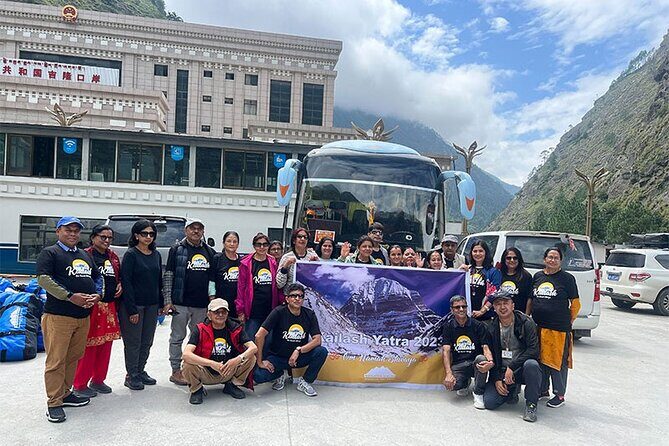
- Tibet visa handling in Kathmandu: Your passport is collected on arrival to streamline the process.
- Altitude “staging” before Manasarovar: Kerung (about 2,700m) and Saga (about 4,500m) are built into the route to help your body adjust.
- Lake Manasarovar ritual day: A havan puja at the lake sets a serious tone before you head for Darchen.
- Dolma-La Pass is the big physical test: The Parikrama peaks at Dolma-La Pass (5,636m), then drops into the Zutulphuk Valley.
- A contingency day keeps the plan from breaking: One extra buffer day covers weather and border delays.
Kathmandu setup at Aloft by Marriott and the passport process
Your first day is about getting your footing—emotionally and logistically. When you land at Tribhuvan International Airport, you’re greeted and taken to Aloft by Marriott for your Kathmandu stay. The trip also streamlines the Tibet visa process by collecting your passport after arrival, so you’re not scrambling later while you’re supposed to be sleeping, resting, and getting ready.
That first evening includes a group meeting where the program shares core information and practical tips for the journey ahead. You also receive a down jacket and a duffle bag for the trek, which is one less thing for you to figure out on your own. If you’ve ever packed the wrong jacket for cold nights at altitude, you’ll understand why this kind of support is valuable.
A few more Kathmandu tours and experiences worth a look

The Kathmandu Valley warm-up: Patan, Pashupatinath, and Boudhanath

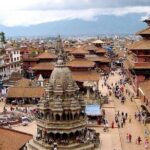
The second day is a gentle cultural runway before the more serious spiritual circuit. You start at Patan Durbar Square, a UNESCO World Heritage Site known for Newari architecture and temple details like the Krishna Mandir area. This is a good time to walk slowly and get used to the city pace, since later you’ll be measuring effort in steps per hour, not sightseeing minutes.
Next comes Pashupatinath Temple, one of the major Shiva shrines, where you’ll see devotional activity along the Bagmati River. Then you finish at Boudhanath Stupa, where Tibetan Buddhist practice is visible around the prayer wheels. Even if you’re not focused on religion, these stops help you understand the setting of a Kailash pilgrimage: devotion, routine, and ritual are the backdrop.
The drive to Rasuwa Gadhi: your first Nepal-to-China border day
On the way out of Nepal, the trip uses a full day of driving to meet the border at Rasuwa Gadhi (about 6–7 hours, roughly 140 km). You’ll pass through the Langtang region with green hills, waterfalls, terraced farmlands, and rural villages like Trishuli Bazaar and Syabrubesi. The value here isn’t just scenery; it’s timing. You’re moving long-distance with breaks, which helps you arrive in the right frame for the paperwork.
Then comes the next stage: after breakfast, you handle Nepal exit formalities at the checkpoint and then enter Chinese immigration. The trip notes that the Chinese side can be meticulous, but your team assists you throughout. This is worth paying attention to because border delays at this kind of altitude journey can throw off the whole rhythm. You’re also moving to Kerung (Gyirong) at about 2,700m, so you don’t want to arrive stressed.
Kerung acclimatization: short walk, big purpose
Kerung is where you start to feel the altitude difference in a practical way. The plan includes a short stroll in Kerung to acclimatize after you arrive, and that kind of gentle movement is exactly what you want before you head higher. You’ll sleep there, letting your body adjust before the jump to Saga.
This part of the route matters more than it sounds. Most people underestimate how much “minor altitude” changes affect breathing, sleep quality, and appetite. Even when you’re not yet at the hardest pass elevations, your comfort today impacts your strength later.
Saga and the Mayum La Pass: rising toward the Tibetan Plateau
After breakfast in Kerung, you drive toward Saga, a transit point for the Kailash Mansarovar Yatra. The route runs through open high-altitude scenery with rolling hills, valleys, and passes, and you reach around 4,500m in Saga.
One of the smartest parts of this itinerary is the built-in rest and acclimatization in Saga. The trip doesn’t rush you to Lake Manasarovar immediately; it gives you a chance to settle and recover before the real spiritual highlight. En route, you cross the Mayum La Pass (5,200m), a high pass where the elevation hits harder.





Lake Manasarovar day: first Kailash sight and then the havan puja
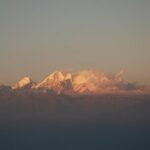
Driving to Lake Manasarovar (about 4,590m) is the emotional hinge of the trip. The plan notes that as you approach, you get your first glimpse of Mount Kailash in the distance. For many pilgrims, that moment is the first time the whole yatra becomes real—less an itinerary, more a direct spiritual experience.
You’ll arrive at the lake with time to take in the serene surroundings, and then the next morning becomes your ritual focus. You start with a Havan Puja by the sacred Lake Manasarovar, described as a purification and blessings ritual for the journey ahead. Then you drive to Darchen (about 4,575m), the official gateway for the Kora.
On the way to Darchen, you stop briefly at Raksas Tal (Lake Rakshastal). It’s described as a contrasting lake connected to mythic negative forces in Hindu tradition. Even if you treat the mythology as worldview rather than fact, the stop provides contrast: bright sacred calm at Manasarovar, then a darker, symbolic lake before you move into the main circumambulation.
Darchen to Yam Dwar: setting up for the Kora
The Parikrama starts from Darchen, with a drive to Yam Dwar, called the Gateway of the God of Death. That naming isn’t just dramatic language; it tells you the walk has a purpose beyond exercise. After breakfast, you begin the first leg with a trek toward Derapuk.
This first leg is described as relatively moderate, but the altitude still makes it feel intense. You pass rugged terrain, valleys, and streams while keeping Mount Kailash in view. Then you reach Derapuk and get a close-up view of the north face—an awe moment built into the route rather than left to chance.
You’ll spend the night at a basic teahouse or camp in Derapuk. This is the first place where “Luxury” needs a reality check: luxury here doesn’t mean five-star beds. It means you’re fed, supported, and guided through places where comfort is limited but still managed.
Charan Sparsh optional hike: a spiritual stop for those acclimatized
Daytime options from Derapuk include an optional day hike to Charan Sparsh, meaning Touch of the Feet. It’s described as a sacred spot at the base of the north face of Mount Kailash, and the trip frames it as meaningful for blessings and purification.
The optional nature is the key practical detail. The hike is recommended only if you’re well acclimatized and comfortable with the high-altitude environment. If you’re the type who feels great during flat walks but struggles once the pace quickens, you may want to choose rest in Derapuk instead and conserve energy for the big pass day.
If you skip it, the plan still gives you a peaceful day at Derapuk—time for meditation and simply being near Kailash without spending extra oxygen on a side route.
Dolma-La Pass day at 5,636m: the toughest, most sacred walking
This is the day most people remember because it’s the hardest point of the pilgrimage. The trek starts early from Derapuk and climbs steeply to Dolma-La Pass at 5,636m, the highest point of the yatra. The trip explicitly calls out how determination and stamina are needed due to altitude and rugged terrain.
At the top, you reach Shiva-sthal, where pilgrims traditionally leave personal items as offerings and pray for forgiveness and liberation. Shortly after, you encounter Gauri Kund (Lake of Compassion), linked to Goddess Parvati. These are not just sight stops; they give the day a rhythm that can help you push through effort without feeling like you’re doing a workout for no reason.
After the pass, the trail descends steeply into the Zutulphuk Valley. The overall feel changes here: from the grind of the ascent into a quieter, more sheltered valley where your body can finally start coming down from the high.
Zutulphuk to the end of the Kora: finishing the circuit into Saga
The final leg begins with a 3-hour walk from Zutulphuk Monastery to the designated pickup point, where the driving crew waits. This part matters because it signals completion of the Mount Kailash circumambulation (Kora), a milestone that often hits you more in reflection than in the moment.
Then the schedule turns practical again: you drive back to Saga for the night. After days of altitude movement and spiritual focus, this is when people tend to want simple things—food, warm rest, and time to think. The drive gives you that breathing space on the Tibetan plateau without adding more steep climbing.
Returning through Kerung to Kathmandu: what changes after Kailash
After breakfast in Saga, the trip drives back to Kerung. You’ll cross back at Rasuwagadhi (Rasuwa Gadhi) and handle customs and immigration to re-enter Nepal. Once cleared, you keep driving through Langtang National Park, with lush valleys, waterfalls, and views of the Himalayan foothills.
This return day is long. It’s also useful: you get a final nature dose before you land back in Kathmandu. And the optional helicopter return can matter here if you’re physically done with driving. The trip notes a helicopter transfer as an additional-cost option that reduces return travel time to about 45 minutes.
One more day in Kathmandu: a contingency that saves stress
Weather and border situations can shift in this part of the world, so the trip includes a contingency day. If everything goes as planned, you can use the extra time in Kathmandu for rest or additional activities like Bhaktapur Durbar Square or Swayambhunath (Monkey Temple). You can also shop in Thamel for pashminas and handicrafts or choose a spa and Ayurvedic-style therapy to recover after trekking.
This is also where “Luxury” becomes meaningful again. It’s not about fancy extras on the trail; it’s about giving yourself a buffer so your yatra doesn’t feel like it’s collapsing around you if the unexpected happens.
What “Luxury” means on the ground in a 15-day pilgrimage
The big thing: expect a supported, well-run expedition—not a hotel-based vacation. Meals are a clear strength. Based on the program approach and repeated feedback, cooks make sure you get hot food even in remote stretches, and the team works to keep lodging comfortable according to what’s available at the time.
You’ll also see careful pacing: Kerung and Saga for acclimatization, then Darchen as a base, then the Kora with nights at teahouses or camps when needed. That’s the practical version of luxury here: you’re not doing all the logistics yourself, and you’re not left alone to guess how to get from one altitude zone to the next.
Price and value: does $3,999 make sense for you?
At $3,999 per person for about 15 days, you’re paying for a lot of moving parts to be handled for you: Kathmandu hotel support at the start, gear provided for the cold, structured altitude travel, multiple border process steps, a guided Kora, and meals layered across the trip (the package lists 14 breakfasts, 11 lunches, and 12 dinners). There’s also pickup offered and group discounts, and the tour caps groups at a maximum of 25 people.
So the value question is really this: do you want someone else to manage the chain of logistics from Kathmandu to Tibet to the Kora, and do you want a team on the trail? If yes, the price starts to look reasonable because Kailash Mansarovar doesn’t just require bravery. It requires coordination across borders, transport at altitude, and day-by-day route choices.
If you already have strong trekking experience at altitude and you enjoy organizing your own travel, you might find cheaper options. But if you want structure, guidance, and people who are there when the pass day arrives, this type of package is the convenience you’re buying.
Who this tour fits best (and who should think twice)
This yatra is built for people with at least moderate physical fitness. That’s not a soft label; it’s a signal that you need to handle high-altitude walking and the steep segments around Dolma-La Pass. The itinerary also includes an optional hike on the Kora route, so you’ll be choosing between effort levels depending on how your body feels.
You’ll likely enjoy this tour if you:
- want a guided, organized Kailash experience with support across borders
- appreciate ritual and cultural context, not just photos
- value team work on food and logistics so you can focus on walking and rest
You might want a rethink if you:
- get easily overwhelmed by border procedures and paperwork
- struggle in high-altitude environments even with slow acclimatization
- expect top-tier hotel comfort during the Kora days
Should you book this Luxury Kailash Mansarovar Yatra with Himalayan Glacier?
If your goal is Mount Kailash and Lake Manasarovar with real help—visa handling in Kathmandu, a staged altitude plan, and a guided Kora—this looks like a strong fit. The program also includes the kind of support that matters most when you’re tired: people coordinating checkpoints, feeding the group with hot meals, and keeping lodging practical during the hardest trekking days.
Book it if you’re willing to meet the itinerary where it is: high altitude, early starts, and nights that won’t feel like a resort. Skip it if you’re hoping “Luxury” means comfortable trekking conditions all the way through.
If you’re in the middle—reasonably fit, open to the spiritual focus, and ready for a serious but well-run journey—this is the kind of trip that can leave you thinking about it for a long time.
FAQ
What’s the duration of this Kailash Mansarovar Yatra?
It’s listed as 15 days (approximately).
Where does the tour start and end?
The meeting point is Himalayan Glacier Adventure and Travel Company on Amrit Marg in Kathmandu. The experience ends back at the meeting point.
How big is the group?
The tour/activity has a maximum of 25 travelers.
What’s included in the tour price?
Meals are included (14 breakfasts, 11 lunches, and 12 dinners). Pickup is offered, and you also receive a mobile ticket. Specific inclusions do not list airfare or internal flights.
Is a helicopter return available?
Yes, the tour offers an optional helicopter return at an additional cost, reducing the return travel time to approximately 45 minutes.
What fitness level do I need?
The information provided says travelers should have a moderate physical fitness level.
Can I cancel for a full refund?
Yes. You can cancel up to 24 hours in advance for a full refund. If you cancel less than 24 hours before the experience’s start time, the amount paid is not refunded.