REVIEW · KATHMANDU
Nepal in Luxury: Kathmandu, Chitwan & Pokhara Escape – 8 Days
Book on Viator →Operated by Luxury Holidays Nepal Pvt. Ltd. · Bookable on Viator
Three Nepal icons, stitched together in comfort.
This 8-day Kathmandu, Chitwan & Pokhara escape is built for travelers who want the highlights without the daily logistics grind. I like the private transportation throughout (less negotiating, fewer delays), and I like the two all-inclusive nights in Chitwan with major safari-style activities handled. One thing to consider: this is a set, tightly timed route, so if you expect day-of flexibility, you’ll want to confirm details early.
You’ll also get a guided push at the big culture stops. In Kathmandu and Pokhara, an English-speaking guide helps you move efficiently and understand what you’re seeing, from Buddhist pilgrimage at Boudhanath to Hindu ceremony at Pashupatinath.
The main drawback is the mismatch risk between promised flexibility and what’s workable once you arrive. For a route like this, I’d plan as if changes are limited, and keep your expectations grounded on what’s already scheduled.
In This Review
- Key points worth knowing before you go
- Luxury in Nepal: what this tour gets right (and why)
- Day 1 in Kathmandu: arrival, visa, and a smooth first evening
- Kathmandu’s main sights: Monkey Temple, Shiva, Boudha, and Patan craft
- Swyambhu Mahachaitya (Monkey Temple)
- Pashupatinath Temple
- Boudhanath Stupa
- Patan Durbar Square
- A safari reset in Chitwan: from Tharu culture to tiger-and-rhino country
- Chitwan National Park safari days: jeep or elephant-back, canoeing, and more
- Full-day safari options
- Rapti River canoeing and nature guide time
- What I’d pay attention to
- Getting to Pokhara: a calm lake base after safari intensity
- Pokhara’s highlights: Bindhyabasini, Devi’s Fall, and Gupteswar Cave
- Shree Bindhyabasini Temple
- Devi’s Fall (Patale Chhango)
- Gupteswar Gupha
- Phewa Tal with Barahi Island Temple
- Seti River Gorge: quick, dramatic views from bridges
- Head back to Kathmandu and wrap with a farewell dinner
- Departure day: airport transfer and how to use your final hours
- Price and value: is $999 a fair deal for luxury Nepal?
- The biggest value driver: Chitwan with meals handled
- Who should book this tour (and who should skip it)
- Should you book Nepal in Luxury: Kathmandu, Chitwan & Pokhara Escape
- FAQ
- FAQ
- What is included in the tour price?
- What is not included?
- Do I need a visa in Nepal?
- How long is the tour?
- Is airport pickup included?
- Are meals included throughout the trip?
- What safari activities are included in Chitwan?
- What time and where does the tour start?
- Is this tour private?
- Can I cancel for a full refund?
- Is the tour suitable for most people?
Key points worth knowing before you go
- Private door-to-door feel: airport pickup and private vehicle transfers keep you from wrestling schedules
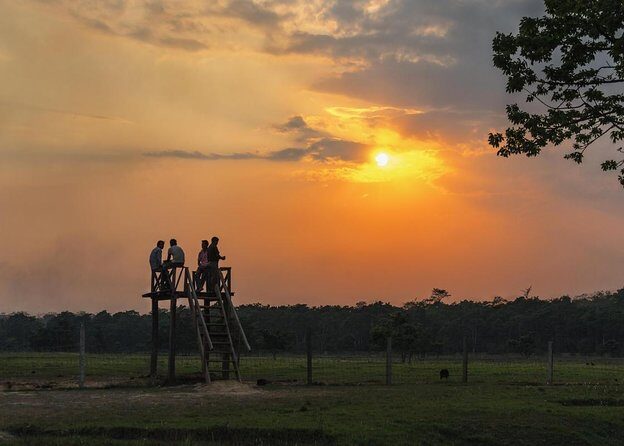
- Chitwan, done properly: two full days of safari options, plus Rapti River canoeing and nature-guided time
- 5-star style hotels in every base city: Kathmandu, Pokhara, and Chitwan get the same comfort focus
- Temple-and-city pacing: Kathmandu’s core sites on one guided run, then Pokhara’s lake + caves + falls
- Lunch vs dinner splits: Chitwan food is handled; Kathmandu and Pokhara lunch/dinner aren’t included
Luxury in Nepal: what this tour gets right (and why)
This tour’s whole idea is simple: you land in Kathmandu, then the important pieces are carried for you—airport to hotel, road travel between regions, hotel check-ins, and guided sightseeing where it counts. That matters in Nepal, because even when things are beautiful, moving around can take longer than you expect. Here, your day is designed around that reality, with comfortable private transport doing the heavy lifting.
The pricing is also built around a specific style of travel. At $999 per person for an 8-day package (excluding international flights and certain meal and entrance items), you’re paying for:
- hotel comfort across three locations
- a real Chitwan safari block with activities and resort meals
- guided sightseeing in Kathmandu and Pokhara with English help
- official taxes and services handled up front
That can be good value if you’d otherwise pay extra for drivers, guides, and separate bookings. It’s less ideal if you’re the type who loves building your own route or wants lots of unscheduled time to wander without structure.
A few more Kathmandu tours and experiences worth a look
Day 1 in Kathmandu: arrival, visa, and a smooth first evening
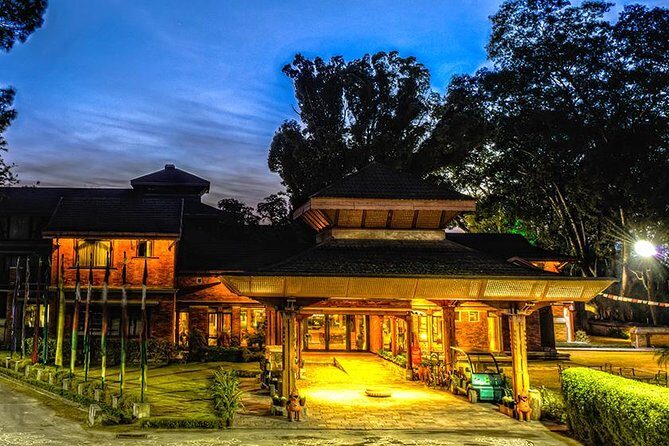
Most tours start once you’re already tired. This one tries to protect you from the hardest part: the arrival day.
You start at Tribhuvan International Airport. After landing, you handle a visa on arrival (with options of 15 days for USD 30, 30 days for USD 50, or 90 days for USD 125). Your passport needs to be valid for at least six months, and you’ll fill out an arrival card. If you prefer, you can apply online before arrival for a faster process.
Then comes the part that makes a difference for real people: outside immigration, you look for your name on a signboard held by a representative with a Luxury Holidays Nepal banner. From there, you’re transferred by private vehicle to your hotel. After check-in, you get a pre-trip meeting at the hotel, and the rest of the evening is yours.
Tip I’d follow: plan your first-night dinner nearby your hotel rather than forcing a long outing. You’ll be glad you did on day two.
Kathmandu’s main sights: Monkey Temple, Shiva, Boudha, and Patan craft
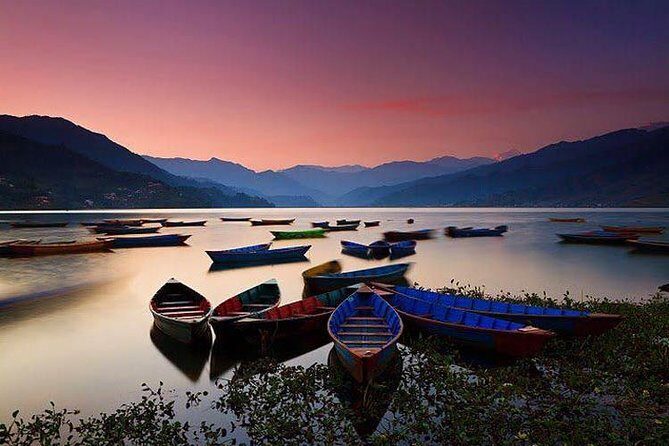
Kathmandu’s best moves are the ones you do efficiently, without hopping randomly. This tour groups the city’s big sacred sites into a guided day, so you get context instead of just photos.
Swyambhu Mahachaitya (Monkey Temple)
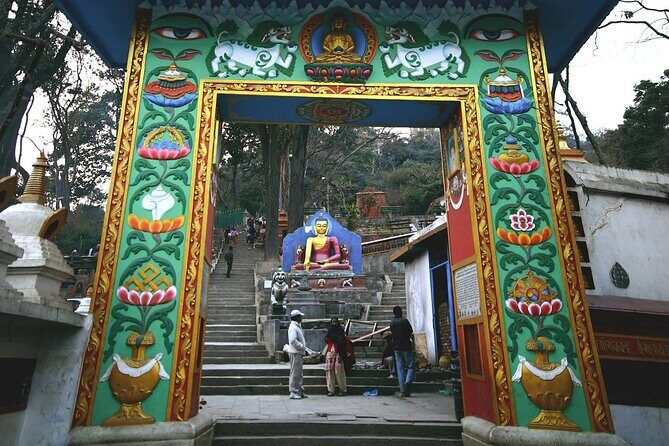
You’ll head to the hilltop viewpoint at Swyambhu, also nicknamed the Monkey Temple because monkeys roam the grounds. It’s the kind of place where your brain clicks quickly: you get views over the valley, then you notice the small details—offerings, flags, and pilgrims moving with steady purpose.
It’s listed for about one hour, and that’s realistic. Don’t treat it like a museum visit. Treat it like a living viewpoint plus temple area.
Pashupatinath Temple
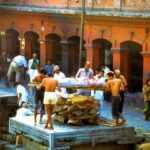
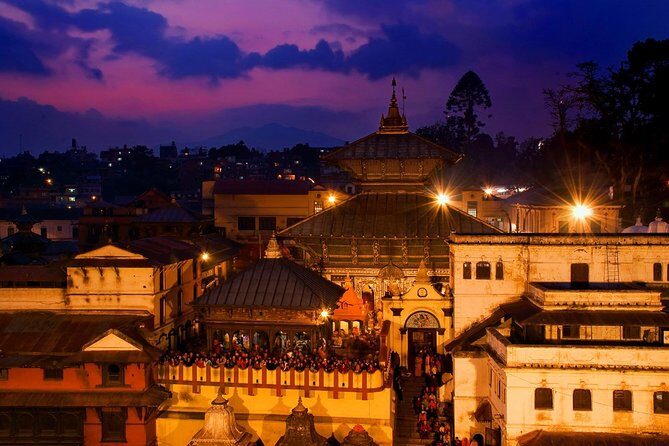
Next is Pashupatinath Temple, one of Nepal’s most important Hindu temples dedicated to Shiva, on the Bagmati River’s eastern outskirts. If you’re curious about how religion shapes daily life, this stop shows it clearly: the temple complex sits within the rhythm of the river and surrounding neighborhood activity.
Your visit is set for about one hour. Because this is a sacred site, go respectfully and keep your pace steady.
Boudhanath Stupa
Then you reach Boudhanath Stupa, a major Buddhist site dating back around 2,500 years. The iconic detail here is the pair of Buddha eyes on each side, watching in the four directions, plus the prayer wheels pilgrims spin as they walk around the stupa.
You get about two hours, which is helpful because you’ll want time to simply watch how pilgrims move. It’s one of the best cultural contrasts in the Kathmandu day.
Patan Durbar Square
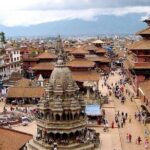
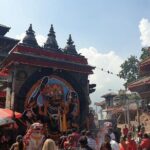
To round out the day, you visit Patan Durbar Square in Lalitpur. This area is known for Newari architecture, especially at a high point during the Malla kings era. It’s a great reminder that the Kathmandu Valley isn’t one city—it’s a web of historic hubs.
Your Patan stop is listed as about one hour, and afterward you have free time for nearby exploration and shopping.
One practical drawback: walking and moving between these sites can be more demanding than it looks on paper. If you’re using mobility aids, or you’re sensitive to crowds, plan your energy for the guided day and pace your free time later.
A safari reset in Chitwan: from Tharu culture to tiger-and-rhino country
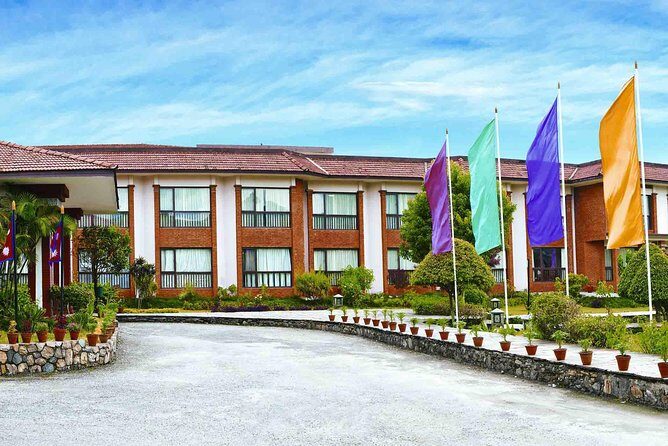
After Kathmandu’s temples, Chitwan feels like a gear shift. The road trip from Kathmandu to Chitwan is described as scenic, with rivers, terraced hillsides, and traditional villages. Once you arrive, you check in at your resort or hotel and get a briefing about jungle activities.
That same first Chitwan day includes a more cultural angle. You can explore a Tharu village to learn about the indigenous Tharu way of life, followed by an evening traditional Tharu stick dance. Dinner is served at the resort, and you overnight in Chitwan.
This is one of the tour’s quieter strengths: it doesn’t only sell wildlife. It also gives you a human context for where wildlife tourism happens.
Chitwan National Park safari days: jeep or elephant-back, canoeing, and more
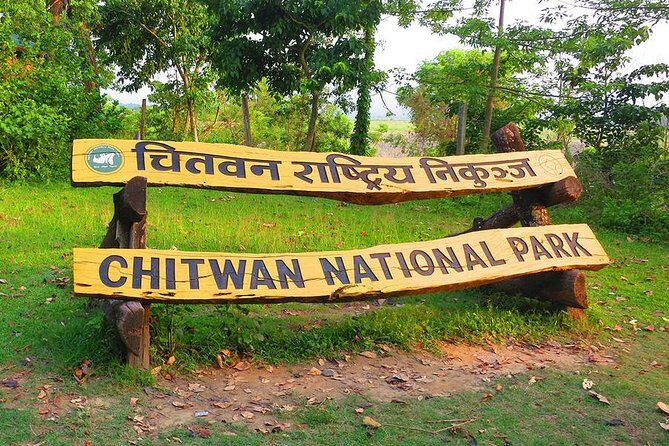
Chitwan National Park is a UNESCO World Heritage Site, and this tour gives you a real chance to experience it across a full day.
Full-day safari options
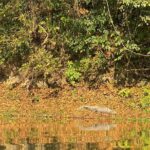
On the main safari day, you set out after breakfast for a jungle safari—either by jeep or elephant-back (your exact option depends on what’s available). The activity is described as dense forests and grasslands where you might spot one-horned rhinos, deer, monkeys, wild boars, and, if luck is on your side, Bengal tigers.
Even if you don’t see every animal, the point is that you’re not doing a quick drive-by. You’re doing a guided search pattern through habitat.
Rapti River canoeing and nature guide time
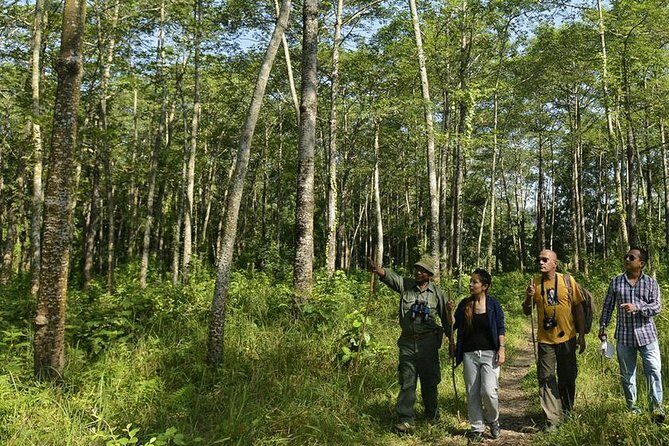
The schedule also includes canoeing on the Rapti River, a jungle walk with a nature guide, and a visit to an elephant breeding center. Lunch and dinner are provided at the resort, so your day is structured around the park rather than around finding food.
What I’d pay attention to
Wildlife days can run on local timing and weather. If you’re the kind of traveler who needs every minute to be predictable, you’ll still enjoy the day, but you may feel tempted to rush. Don’t. In wildlife country, patience is part of the experience.
Getting to Pokhara: a calm lake base after safari intensity
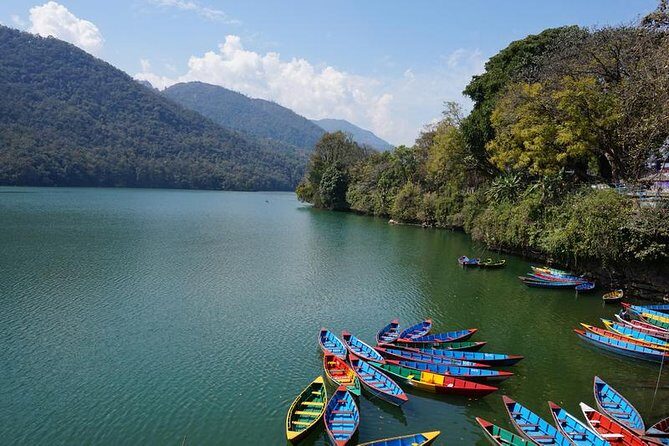
After your Chitwan days, you head to Pokhara, described as Nepal’s serene lake city beneath the Annapurna mountain range. The drive is scenic and passes rivers, hills, and local life along the highway.
Once you arrive, you check into your hotel and get an afternoon that is intentionally easy: explore Lakeside, browse cafés, or take a walk near Phewa Lake.
This downtime is not wasted time. It helps your brain decompress after the intensity of safari searching and early starts.
Pokhara’s highlights: Bindhyabasini, Devi’s Fall, and Gupteswar Cave
Pokhara’s sightseeing day mixes religious stops with natural wonders. It’s a good match if you want variety without a car full of optional add-ons.
Shree Bindhyabasini Temple
First is Shree Bindhyabasini Temple, located in the center of the old bazaar area. It’s dedicated to Goddess Bhagwati, a manifestation of Shakti. There’s also mention of a picnic/relaxing area in the grounds, which is a small detail that makes the stop more comfortable.
Devi’s Fall (Patale Chhango)
Next is Devi’s Fall, locally known as Patale Chhango. Here, water from Fewa Lake flows and collapses down rock into a deep gorge through potholes—popular with locals and tourists alike. It’s about 30 minutes, which keeps the day moving.
Gupteswar Gupha
Then you visit Gupteswar Gupha, also called Gupteshwor Cave, listed as about 2 kilometers from the airport area. The entrance sits near Devi’s Fall, and the cave is almost 3 kilometers long. It includes hall-sized rooms and passages where you may have to crawl on all fours.
This is the one stop where I’d be more cautious about comfort and footwear. If you don’t like tight, dark spaces, you might still enjoy the cave from the most comfortable accessible parts, but it’s clearly not designed as a polished show cave.
The cave has special Hindu value because a phallic symbol of Lord Shiva is preserved there.
Phewa Tal with Barahi Island Temple
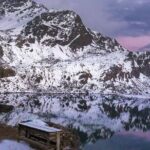
You also visit Phewa Tal, the second-largest lake in the kingdom, around 800 meters above sea level. In the center is Barahi Island Temple, a two-storied pagoda dedicated to Shakti. The schedule notes that reflections of Machhapuchhare and Annapurna can be seen in the water.
Expect this stop to be both scenery time and photo time. You’ll want to slow down here.
Seti River Gorge: quick, dramatic views from bridges
Your Pokhara day also includes Seti River Gorge, carved by the Seti-Gandaki. It’s described through viewpoints from bridges like K.I. Singh bridge at Bagar and other bridge points near key areas.
This stop is listed for about 30 minutes, so it’s more like a concentrated nature hit than a long hike. If you’re short on time, this timing is actually smart.
Head back to Kathmandu and wrap with a farewell dinner
Your return day from Pokhara to Kathmandu is another scenic road drive through riverside villages and terraced hills. When you arrive, you check into your hotel and have time to relax.
In the evening, you join a farewell dinner at a traditional Nepali restaurant with authentic cuisine and a cultural dance performance.
That last night is useful because it gives you a clean endpoint to your experience. You’re not stuck organizing one more thing. You just enjoy the meal and the show.
Departure day: airport transfer and how to use your final hours
On the final morning, you’ll have free time depending on your flight schedule. If your departure is later, you can explore nearby markets for last-minute souvenirs or just stay relaxed.
When it’s time to go, a representative transfers you to Tribhuvan International Airport in a private vehicle. The recommendation is to arrive at the airport at least 3 hours before your international flight.
This is one of those details that feels boring until it saves stress.
Price and value: is $999 a fair deal for luxury Nepal?
Here’s the value logic I’d use.
You pay $999 per person for 8 days, and the package includes:
- private transportation across the route
- 4-star or 5-star hotels in Kathmandu, Pokhara, and Chitwan
- daily breakfast (and full board in Chitwan)
- guided sightseeing in Kathmandu and Pokhara with an English-speaking guide
- jungle activities in Chitwan National Park
- all government taxes and official expenses
What’s not included:
- international airfare
- Nepal entry visa fee (but you can get it on arrival)
- lunch and dinner in Kathmandu and Pokhara
- monument entrance fees (even though many scheduled stops are listed as free)
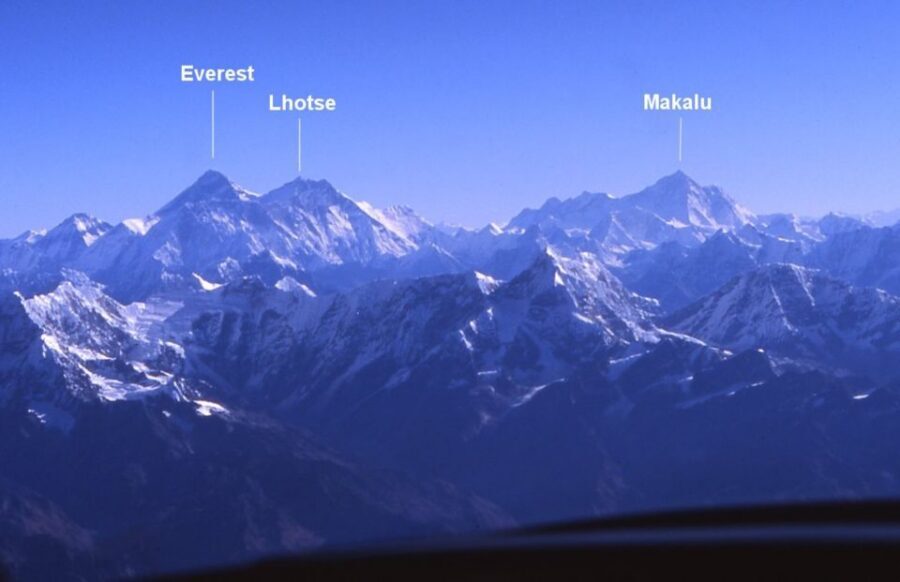
- travel insurance, Everest flight, and domestic flights
- personal expenses like drinks and laundry
So the question becomes: would you otherwise pay for a private driver, English guides for the cultural days, and a structured safari with meals? If yes, this price starts to look reasonable. If you’d rather travel on your own and do smaller, flexible bookings, you might find cheaper ways—but you’ll trade that comfort and certainty for extra planning work.
The biggest value driver: Chitwan with meals handled
Chitwan is usually the expensive piece when booked separately. Here, you get two all-inclusive nights with safari activities and resort-provided meals. That’s where the tour earns its money.
Who should book this tour (and who should skip it)
This experience fits best if you want:
- a comfort-first Nepal trip with fewer moving parts
- a guided hit of major sites in Kathmandu and Pokhara
- wildlife time in Chitwan with structured activities
- the kind of schedule where your days have a plan, not a blank page
It’s less ideal if you:
- need lots of late changes or spontaneous detours
- dislike guided group pacing (even when it’s your group)
- have mobility limitations and prefer fully accessible sightseeing routes
Should you book Nepal in Luxury: Kathmandu, Chitwan & Pokhara Escape
I’d book it if your priority is a smooth route with real safari time and you’re happy with a scheduled pace. The combination of Kathmandu’s core sacred stops, Pokhara’s lake-and-cave mix, and Chitwan’s two-night safari block is a strong use of only 8 days.
Before you book, do two practical things:
- Confirm your expectations about itinerary flexibility and any timing changes in writing before arrival. This kind of package can be firm once you’re on the ground.
- Budget for visa costs, lunch/dinner in Kathmandu and Pokhara, and possible monument entrance fees. Even when many stops are free-entry in the plan, the tour notes that monument entrance fees aren’t broadly covered.
FAQ
FAQ
What is included in the tour price?
Private transportation throughout the trip, 4-star or 5-star hotel accommodations, daily breakfast (full board in Chitwan), guided sightseeing in Kathmandu & Pokhara with an English-speaking guide, jungle activities in Chitwan National Park, and all government taxes and official expenses.
What is not included?
International airfare, the Nepal entry visa fee, meals (lunch and dinner) in Kathmandu & Pokhara, personal expenses such as drinks and laundry, monuments entrance fees, travel insurance, and Everest flight and domestic flights.
Do I need a visa in Nepal?
Yes. The tour data notes you can obtain a Nepal entry visa upon arrival. It lists visa fees of USD 30 for 15 days, USD 50 for 30 days, and USD 125 for 90 days.
How long is the tour?
It runs for 8 days (approximately), covering Kathmandu, Chitwan, and Pokhara.
Is airport pickup included?
Yes. The tour includes a private transfer from Tribhuvan International Airport to your hotel, and it also includes a private vehicle transfer back to the airport on the final day.
Are meals included throughout the trip?
Breakfast is included daily. In Chitwan, you also get full board. Lunch and dinner in Kathmandu and Pokhara are not included.
What safari activities are included in Chitwan?
The tour includes jungle safari time with options by jeep or elephant-back, canoeing on the Rapti River, a jungle walk with a nature guide, and a visit to an elephant breeding center.
What time and where does the tour start?
It starts at 10:00 am at Tribhuvan International Airport (Ring Rd, काठमाडौँ 44600, Nepal).
Is this tour private?
Yes. It’s listed as a private tour/activity, and only your group participates.
Can I cancel for a full refund?
Yes. Free cancellation is available up to 24 hours in advance of the experience start time for a full refund.
Is the tour suitable for most people?
The tour information says most travelers can participate, but the schedule includes active sightseeing and jungle day activities, so it may not fit everyone depending on your comfort level.