Caves, temples, and mountain views in one loop. I love that this tour starts with hotel pickup and runs in a private vehicle the whole time, and I also like that admission to key sites is included for Gupteswar Gupha and BindhyaBasini Temple. The trade-off is simple: several other stops are not included, so you may pay extra entrance fees as you go.
The pacing is built for variety, not lingering. Most stops are around 10 minutes, with longer time at the World Peace Pagoda and the International Mountain Museum. If you want a slow, deep guide-led experience, this may feel a bit fast—but if you’re short on time in Pokhara, it’s a smart way to see a lot.
In This Review
- Key highlights worth your time
- How the 5 to 6 hour private Pokhara loop actually plays out
- Gupteswar Gupha caves: what the included underground visit feels like
- Devi’s Fall and Seti Gandaki: short water spots with big character
- Devi’s Fall (quick photo stop, ticket not included)
- Seti Gandaki (included) from a hanging bridge
- BindhyaBasini Temple: included admission plus a hilltop viewpoint
- Pokhara Museum, World Peace Pagoda, and International Mountain Museum: pick the mix that fits your mood
- Pokhara Museum: Gorkha-warrior stories in a short window
- World Peace Pagoda: Buddhist-style temple and big panoramas
- International Mountain Museum: the Himalayas through legends and mountains
- Price and value: is $70.65 per person fair for a private half day?
- Who this tour fits best, and who may want a different style
- Small logistics that make the day smoother
- Should you book this private Pokhara sightseeing tour?
- FAQ
- How long is the private Pokhara sightseeing tour?
- Is hotel pickup included?
- What’s included in the price?
- Are all entrance fees included?
- What sites will I visit during the tour?
- Is this tour private for my group only?
- Do I need to plan meals?
- Is free cancellation available?
- Is a mobile ticket used?
Key highlights worth your time
- Included cave time at Gupteswar Gupha, with enough room to explore the rock formations and stalagmites
- BindhyaBasini Temple admission included, plus a hilltop viewpoint over the old city
- Seti Gandaki view from a hanging bridge, with the river cutting through deep gorges
- World Peace Pagoda for big panoramas, ideal when you want a viewpoint without hiking
- International Mountain Museum for mountaineering stories, a good contrast to temples and caves
- Private transport means you control the pace, even though each stop is brief
How the 5 to 6 hour private Pokhara loop actually plays out
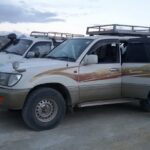
This is a private sightseeing drive around Pokhara designed to be efficient. You’re picked up from your hotel, then you ride between stops in a private car for the whole day. That matters because Pokhara traffic and parking can eat time, and on a half-day schedule you’ll feel every minute.
The experience is also timed. You’ll spend about 10 minutes at several major spots, then a bit longer at two museums/temple-adjacent viewpoints. Practically, that means you’re there for the essentials: enter, look around, take photos, and move on.
One more important point: this isn’t presented as a full guided tour with ongoing narration. In practice, you’re paying for private transportation and included entries at selected sites. You’ll get the most out of it if you’re comfortable self-guiding your observations once you’re dropped at each stop.
You can also read our reviews of more private tours in Pokhara
Gupteswar Gupha caves: what the included underground visit feels like
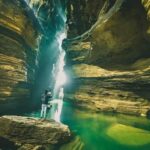
Gupteswar Gupha is the anchor stop, and the ticket is included. These caves are known for natural rock formations and stalagmites—formations you can actually see once you’re inside and walking through the main areas.
What I like about this stop is the contrast. You’re above ground in Pokhara one moment, then suddenly you’re in a cool, darker space with stone features that feel ancient without needing a long lecture. It’s also one of the few places in the city where the experience is genuinely different from a viewpoint: you’re moving through a physical environment.
A couple of practical notes:
- Go in with comfortable shoes. Caves can be uneven, and you don’t want to rush because your footing feels sketchy.
- Expect a short visit window. Ten minutes is enough to enter, look at the most notable formations, and take a few photos—less time than you’d want for a long, slow explore.
If caves aren’t your thing, it’s still a great “Pokhara signature.” It’s hard to fake this kind of stop with city scenery.
Devi’s Fall and Seti Gandaki: short water spots with big character
Water is the other theme of this tour—fast, dramatic, and visually memorable even when you only have a few minutes.
Devi’s Fall (quick photo stop, ticket not included)
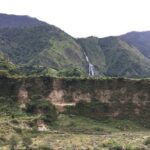
Devi’s Fall is a famous waterfall area associated with the Gandaki River, where the water disappears downward near the cave systems. The time on site is brief, and the entrance fee isn’t included, so you’ll likely settle in for a look from the public viewpoint rather than a long exploration.
The main value here is “wow factor” in a short time. Even if you know nothing about the geology, you’ll recognize the unusual path of the water and why the site gets so much attention.
Seti Gandaki (included) from a hanging bridge
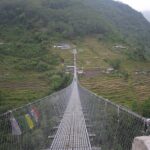
Seti Gandaki is the more satisfying river stop if you like dramatic geography. You’ll get to see the river flowing through deep gorges, viewed from a hanging bridge. The admission for this stop is included, so you avoid one of the surprise costs.
This is also where the tour’s short time slots work in your favor. From a bridge, the view does most of the work. You don’t need to hike; you just need a minute or two to look, photograph, and watch the river’s movement through the cuts it carved over time.
Practical tip: this is a “pay attention to safety” kind of stop. Bridges and viewpoints can feel exposed, and if it’s windy, hold your phone tight.


BindhyaBasini Temple: included admission plus a hilltop viewpoint
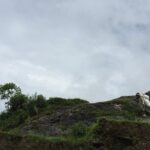
BindhyaBasini Temple is one of Pokhara’s older and more sacred sites, and the admission is included. It’s also placed on higher ground, which means you’re not just seeing a temple—you’re getting a view over the old city.
What I like about this stop is that it doesn’t rely only on architecture. The setting gives context: you see the city from above, and the temple becomes part of the landscape rather than a stand-alone building.
This is also a stop with cultural meaning. The temple is connected to courage and strength of women through the deity associated with the site. Even if you don’t practice the religion, you can treat this as a human story in stone—why people care, where they pray, and how a community remembers its values.
One consideration: if you’re not interested in temples or religion at all, the time may feel limited. Ten minutes won’t give you a deep cultural experience; it gives you a chance to respect the place and enjoy the hilltop perspective.
Pokhara Museum, World Peace Pagoda, and International Mountain Museum: pick the mix that fits your mood
This part of the day is where you’ll feel the “sampler platter” approach. Not everything is included, and the time you get varies.
Pokhara Museum: Gorkha-warrior stories in a short window
The Pokhara Museum focuses on the courage and history of the famous Gorkha warriors. The entry fee is not included, and your time is around 10 minutes.
That’s tight. In a museum, 10 minutes can feel like skimming. Still, it’s valuable if you’re curious about Nepalese history but don’t want to spend hours reading displays. Think of it as a quick orientation, not a full deep-dive.
World Peace Pagoda: Buddhist-style temple and big panoramas
The World Peace Pagoda is a Buddhist-style temple tied to the teachings of Buddha and world peace. Here, you get a bit longer—around 20 minutes—and the entrance fee is not included.
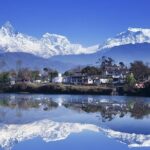
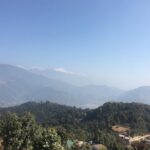
This is one of the easier “yes” stops because you get both the place and the views. You’re there for the setting and panoramic look over Pokhara and the Himalayas. If weather is clear, this is often the stop where your photos look most like postcards.
If weather is hazy, don’t panic—temple visits still work when visibility drops. Quiet time in a viewpoint spot can be worth more than perfect mountain clarity.
International Mountain Museum: the Himalayas through legends and mountains
The International Mountain Museum takes about 30 minutes, which is the longest museum-style stop besides the day’s cave/temple anchors. Entrance is not included.
This museum is about mountains and legends of the Himalayas, with an emphasis on the world’s highest mountain ranges. If you like ideas about altitude, geography, and the cultural myths that orbit big peaks, you’ll appreciate the structure. It’s also a good counterweight to the religious and natural stops—your mind gets a different kind of story.
If you’re traveling with kids, this museum can be especially helpful because it offers a more “conceptual” way to connect to the mountains.
Price and value: is $70.65 per person fair for a private half day?
At $70.65 per person, you’re paying for private transportation and selected admissions. The math only looks complicated because not every stop is included.
Here’s the value logic I’d use before booking:
- You’re getting a private vehicle the whole time, which saves time and hassle versus coordinating separate taxis.
- Admission is included for Gupteswar Gupha, BindhyaBasini Temple, and Seti Gandaki.
- Other major stops (Devi’s Fall, Pokhara Museum, World Peace Pagoda, International Mountain Museum) may require you to pay entrance fees separately.
So, you’re not paying for a fully paid-day “all inclusive ticket.” You’re paying for convenience plus a few key entry costs bundled in. If you plan to visit the included sites anyway, the price makes more sense.
One real-world caution comes up in feedback: some people feel that extra entrance fees and certain costs in Nepal can add up, and that temples/museums may not feel worth it for non-believers. I’d treat that as a signal to go in with your preferences clear:
- If you genuinely want caves, one temple, and a river view, the bundled admissions help.
- If you only care about viewpoints and dislike religion/history, you may end up paying extra for stops you’d rather skip.
Who this tour fits best, and who may want a different style
This tour is best for people who want a tight half-day in Pokhara and don’t want to organize transport alone. You’ll likely enjoy it if you:
- Have limited time and want a variety of sights without planning
- Prefer private pickup and direct driving between points
- Like mixing nature (caves, water, river gorges) with culture (temple) and learning (mountain museum)
It may not be ideal if you:
- Want a long guided explanation at every stop
- Plan to spend hours in museums (your time slots are short)
- Don’t want to deal with entrance fees at non-included locations
The private setup helps a lot. Your group is the only one participating, which means you’re not stuck waiting on strangers or getting pushed along by a large group’s pace.
Small logistics that make the day smoother
A few simple habits will make this half-day feel easier:
- Bring some cash for entrance fees. Several key stops require payment on site.
- Wear comfortable shoes for caves and viewpoints. Caves mean uneven ground and stairs.
- Dress respectfully for temple areas. Loose, modest clothing makes everything easier.
- Plan for photo time. Even with short stops, you’ll want a moment to frame the pagoda and river views.
- Use a flexible mindset. With 10-minute segments, you’ll get the best results if you treat each stop as a “look and learn” moment, not a long visit.
Also, keep your phone charged. A panoramic stop like the World Peace Pagoda can turn into a photo-heavy moment fast.
Should you book this private Pokhara sightseeing tour?
I’d book it if you want a practical Pokhara sampler that covers the city’s highlights without turning your day into a taxi hunt. The private vehicle pickup alone is worth it for a first visit, and the included admissions to Gupteswar Gupha and BindhyaBasini Temple make the price feel less like a gamble.
Skip it (or consider a different tour style) if you’re hoping for a guide-led deep experience at every site. This is a transport-forward plan with shorter stop times, and you may prefer a tour that includes museum and temple guides to add context.
FAQ
How long is the private Pokhara sightseeing tour?
It’s around 5 to 6 hours.
Is hotel pickup included?
Yes. You’re collected from your hotel in Pokhara.
What’s included in the price?
Private transportation is included, and the tour includes certain admissions (Gupteswar Gupha and BindhyaBasini Temple) as well as Seti Gandaki access based on the stop details provided.
Are all entrance fees included?
No. Entrance fees for some stops are not included, so you may pay additional costs for places like Devi’s Fall, the Pokhara Museum, the World Peace Pagoda, and the International Mountain Museum.
What sites will I visit during the tour?
You’ll visit Gupteswar Gupha, Devi’s Fall, BindhyaBasini Temple, Pokhara Museum, World Peace Pagoda, International Mountain Museum, and Seti Gandaki.
Is this tour private for my group only?
Yes. It’s a private tour/activity, and only your group participates.
Do I need to plan meals?
No food or beverages are included.
Is free cancellation available?
Yes. You can cancel up to 24 hours in advance for a full refund.
Is a mobile ticket used?
Yes. The tour includes a mobile ticket.