REVIEW · KATHMANDU
Ama Dablam expedition with Island peak- 30 Days
Book on Viator →Operated by Monterosa Treks and Expedition- kailash Tour package · Bookable on Viator
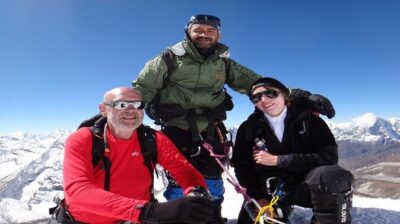
Two peaks in one long, focused climb. Ama Dablam and Island Peak make this a serious route with a smart climb-and-recover rhythm. I like how the schedule builds altitude gradually before you ever commit to summit days, and I like the base-camp support that aims to keep you fed, warm enough, and able to charge electronics between big pushes. One thing to consider: you still need solid fitness and you’ll be responsible for key personal climbing gear, since rope and fixed ropes aren’t included.
What makes this itinerary feel practical is that it’s not just “walk up, climb, repeat.” You get Kathmandu admin and briefings first, then a trekking sequence that brings you to the Island Peak area, then a switch over to Ama Dablam with a long climb block. The trek portions land you in the 3,000–5,000m range, then you face summits at 6,189m (Island Peak) and 6,812m (Ama Dablam), so pacing and recovery are not optional.
Finally, the group size cap of 15 matters. Smaller teams tend to move with less crowding and more consistent logistics on the mountain side, and that can help when weather tightens and plans need to stay flexible.
In This Review
- Key things that make this expedition worth your attention
- Two mountains, one altitude story: Ama Dablam and Island Peak
- Price and what you really get for $4,500
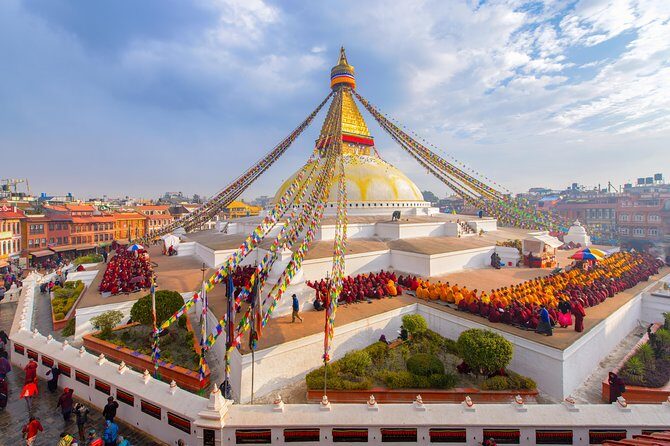
- Kathmandu: where you set up the expedition before altitude sets you straight
- Lukla to Phakding to Namche: building altitude without breaking yourself
- Island Peak: base camp to high camp to the 6,189m summit
- Ama Dablam base camp and a 13-day climb window to 6,812m
- Getting back down: Namche, Phakding, Lukla, then Kathmandu
- Equipment reality check: what you bring decides how smooth it feels
- Who should book this expedition, and who should pause
- Should you book Monterosa for Ama Dablam + Island Peak?
- FAQ
- What is the duration of the Ama Dablam and Island Peak expedition?
- Where does the trip start and how do you get there?
- Are permits included for both mountains?
- Are meals included during the trek and climbing?
- Is helicopter rescue included?
- Is climbing rope or fixed rope included?
- Can I cancel for a full refund?
Key things that make this expedition worth your attention
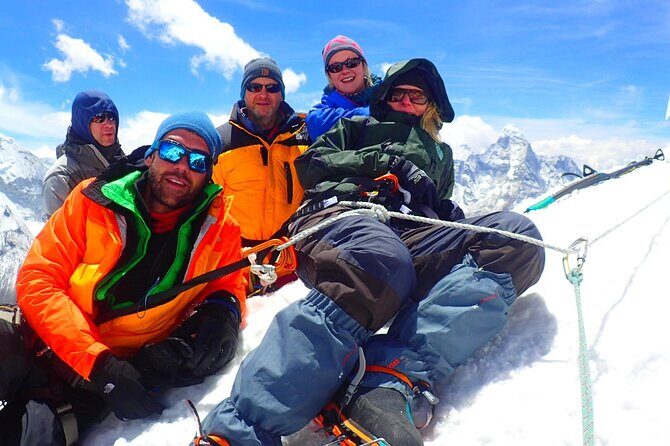
- A route that actually separates acclimatization and summit effort, instead of stacking everything on day one
- Permits for both peaks included, so you’re not chasing paperwork once you’re in country
- Base-camp infrastructure that’s built for comfort and downtime, with shower tent, toilet tent, and charging support
- A clear Island Peak rhythm, from Island Peak base camp to high camp and then summit
- A long Ama Dablam climb window, giving you time to work through the mountain rather than rushing through it
- Group size up to 15, which can make logistics and pacing feel more controlled
Two mountains, one altitude story: Ama Dablam and Island Peak
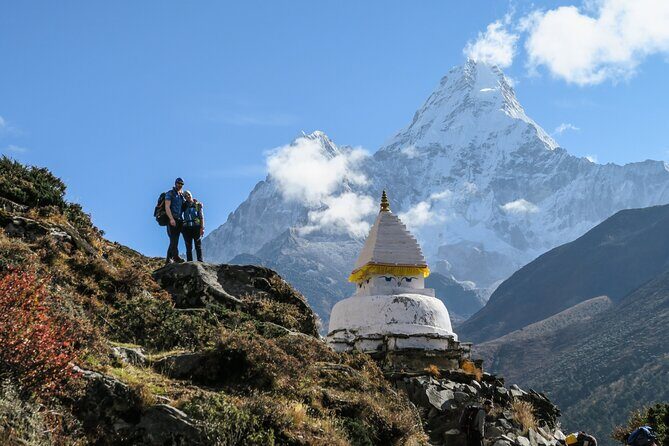
This expedition centers on two names that sound mythic and mean something very real once you’re high on the ridges. Ama Dablam is called Mother’s necklace, with a visual idea of protective arms and a hanging glacier. The traditional double-pendant—connected with Sherpa women and its religious imagery—adds a cultural layer you can’t miss once you start thinking about why this mountain matters to the people who live near it.
Island Peak brings its own identity. It’s also known as Imja Tse, and it rises above the Imja Tse valley in a way early mountaineers compared to an island, which is how the name stuck. The mountain sits in a scenic pocket of high terrain, and your route into it runs through that valley before you start the final climb stages.
Put together, you’re not just “doing two summits.” You’re doing two different types of high-altitude work with enough trekking between to recover and enough structure that you don’t lose your head to the numbers.
You can also read our reviews of more tours and experiences in Kathmandu.



Price and what you really get for $4,500
$4,500 per person is a lot of money, but it’s also in the range where you should expect real mountain support, not just a guide and vibes. In your favor, several expensive and annoying-to-handle items are included: climbing permits for both Island Peak and Ama Dablam, trekking-and-climbing meals (3 meals during trek and climbing), and Kathmandu airport–hotel–airport transfers plus accommodation in Kathmandu on a bed and breakfast basis.
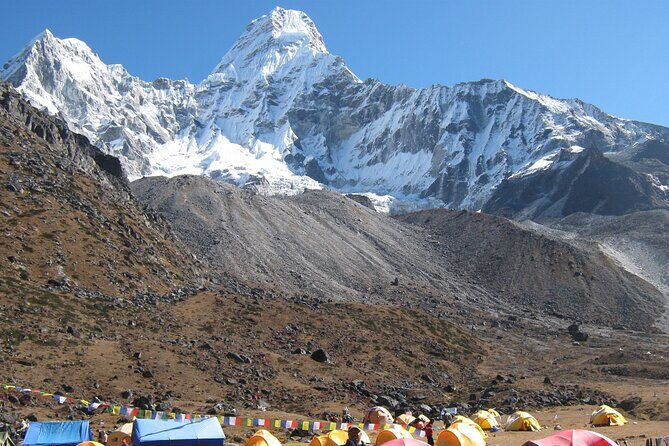
There’s also camp-support value that’s easy to underestimate until you’re tired. The package includes mattresses, a dining tent, a toilet tent, table and chair, and a shower tent—plus a solar panel for battery charging and lighting in base camp. When the weather and altitude make every task harder, these “small” items can become the difference between feeling functional and feeling wrecked.
Where the value gets sharper is how the plan reduces your need to improvise. You’re not constantly sourcing extra essentials once you’re in Nepal. Still, there are clear gaps. Personal climbing equipment isn’t included, and climbing rope and fixed ropes aren’t included either. If you expect these to be part of the package, plan for them now—either by bringing what you need or understanding the extra costs/arrangements required.
And one more practical note: helicopter evacuation is listed as not included. That doesn’t mean you’ll need it. It does mean you should treat medical/evac coverage as your responsibility, because the expedition’s insurance coverage specifically mentions Nepali staff, not your own.
Kathmandu: where you set up the expedition before altitude sets you straight
You begin in Kathmandu with arrival transfer to a hotel, then a prep day focused on getting ready. On paper it sounds routine. In real life, it’s where you avoid stupid problems later—wrong-sized gear, missing items, unclear plan details, and the kind of last-minute stress that hits hard once you’re away from phones.
A short time later, you get a briefing at the Department of Tourism with a hotel-based setup. This matters because it’s tied to how the expedition operates legally and logistically in the region. You’ll also be in Kathmandu long enough to handle the small admin tasks that mountain life demands, like confirming what you carry, checking your schedule, and getting your head into the expedition mindset.
The Kathmandu portion also includes transfers and your bed and breakfast, while lunches and dinners in Kathmandu are not included. That’s normal for expedition pricing, but it means you’ll want to budget for your non-included meals during these early days.
Lukla to Phakding to Namche: building altitude without breaking yourself
The journey shifts from city life to mountain rhythm fast. You fly to Lukla and then trek to Phakding (lodge). Then you climb toward Namche Bazaar at about 3,440m, staying in lodges along the way.
This is a good sequence if you want to respect the altitude gradually. Even if you’re fit, your body needs time to adjust to thinner air, and the itinerary treats that as part of the program rather than an afterthought.
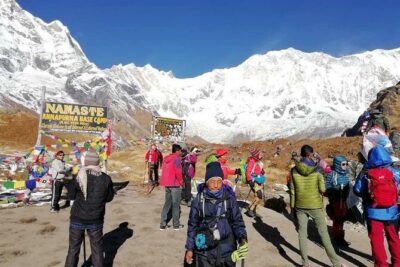
Day-by-day, the big value is that you get time to acclimatize before you push higher. There’s a day hiking/acclimatization block at Namche, then you continue up toward Thyanboche/Tengboche area around 3,800m and on to Dingboche.
This part of the trip is also when your logistics start to feel “real.” You’re carrying what you need, you’re settling into high-altitude routines, and you’re learning how you react to altitude when you’re not yet thinking about technical climbing.
The only drawback here is that you’re still doing trekking days. If your plan is to train lightly and then climb hard, this route will feel more like a full expedition than a quick “summit trip.”
Island Peak: base camp to high camp to the 6,189m summit
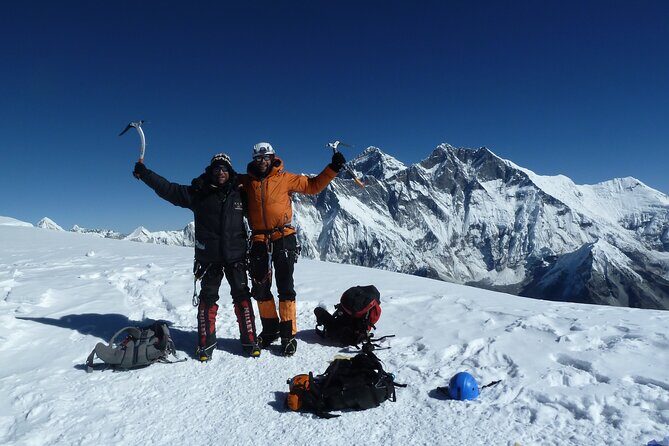
After reaching Island Peak base camp (around 4,970m), the next phase gets more focused. The itinerary takes you from base camp to an Island Peak high camp at about 5,600m, then on to the summit at 6,189m.
That progression is exactly what you want to see before a technical-feeling push: base camp for setup and adaptation, high camp for the final altitude conditioning, and then the summit day.
You then descend back to Chukkung for lodge recovery before the route switches again. That matters. When you’re moving between peaks—especially after a summit—the recovery time is not optional. It’s part of the strategy that keeps you functional for what comes next.
Also, remember what’s not included: fixed ropes and climbing rope are not part of the package. That’s especially relevant around summit-style days, where rope systems can be critical. Even if your guide handles technical choices in the field, you’ll still want to confirm how rope needs are managed by your team, because the package explicitly lists rope/fixed rope as not included.





Ama Dablam base camp and a 13-day climb window to 6,812m
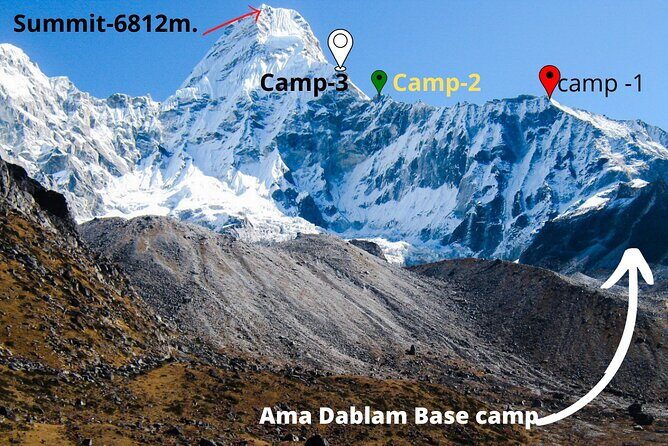
Ama Dablam base camp sits around 4,600m, reached after trekking from Chukkung. This is your switch-over moment: you stop thinking like a trekker and start thinking like a climber for a longer period.
The schedule then gives you 13 days of climbing for Ama Dablam, culminating at the mountain’s 6,812m height. A long climb block changes everything about decision-making. You’re not sprinting. You’re working with weather and conditions, and you have time to reposition your body, rethink your approach, and keep momentum without running your supplies into the ground too fast.
This is one of the strongest advantages of this expedition design. Many shorter peak plans force you to compress everything into a few days and then hope conditions align. Here, you’re given a longer window, which can be kinder on both altitude stress and the practical reality of mountain weather.
The base-camp setup is also a big deal during a long climb attempt. The support described in trip accounts is all about keeping you comfortable enough to recover properly: comfortable, spacious tents; shower facilities; and charging for electronics. The inclusion list backs that up with a shower tent and a solar panel for battery charging and lighting in base camp. When you’re spending days waiting, that turns “camp” from a nuisance into a recovery system.
And yes, food matters more than you think. Trip accounts describe base-camp food as tasty, and that lines up with why this kind of plan feels better on your body. When you’re climbing high and spending a lot of energy, you don’t want meals that kill your appetite.
Getting back down: Namche, Phakding, Lukla, then Kathmandu
After the Ama Dablam climb block, the return is structured. You trek from base camp back to Namche Bazaar (lodge), then continue to Phakding and Lukla, and finally fly back to Kathmandu.
This return sequence is valuable because it gives you a steady retreat in altitude rather than sudden plunges that can beat up your legs. You get lodges along the way, which helps with normal sleep and recovery. Then the flight out to Kathmandu gives you a hard stop from mountain logistics.
You end with a transfer from Kathmandu to the airport for your final departure. It’s a clean finish: no endless “wait for permits” last-minute chaos.
Equipment reality check: what you bring decides how smooth it feels
The package handles a lot of camp essentials, but it is clear about what isn’t included. Personal equipment for climbing is on you, and climbing rope and fixed ropes are not included.
So make sure your preparation checklist includes:
- Your personal climbing clothing and layering system for cold wind and long days
- Your personal climbing gear (as specified by the outfitter for this route)
- How rope needs will be handled on technical/summit days, since fixed rope isn’t included
Also, the trip notes call for strong physical fitness. That’s not marketing fluff. You’ll be trekking at significant elevations for many days and then climbing at high altitude. The schedule is long enough that a “hard but doable” fitness level helps, but you should aim for more than that if you want margins for weather delays.
One more point: extra porter cost for carry bags is mentioned as not included. That’s a classic expedition detail people forget when they pack “just in case.” If you’re close to the carry limit, plan either to pack lighter or to budget for extra porter help.
Who should book this expedition, and who should pause
This makes sense for you if:
- You want both peaks in one planned expedition rather than piecing together separate trips
- You’re comfortable with a long route: trekking first, then summit-style days, then a long technical block
- You value base-camp support like shower facilities, charging, and comfortable tents during recovery time
It may not be the right fit if:
- You’re expecting a light trip with minimal gear responsibility (rope and climbing gear aren’t included)
- You want to minimize time away from Kathmandu (this runs about 30 days)
- You don’t have strong physical fitness, because the schedule demands it
The good news is that the group cap of 15 can keep the vibe more controlled than huge trekking caravans. Fewer people can mean less bottlenecking and a calmer feel during key moments.
Should you book Monterosa for Ama Dablam + Island Peak?
If you’re looking for a structured expedition with permits handled, meals covered during the mountain time, and camp support that’s designed to keep you recovering, this is the kind of plan worth considering. The standout value is the combination of permit inclusion and the practical base-camp comforts: shower tent, toilet tent, dining tent, and solar charging in base camp.
My caution is simple: budget and prepare for what’s not included. Plan for your personal climbing equipment and confirm rope/fixed-rope arrangements early, not after you land. Also, treat evacuation coverage as something you need to sort for yourself, since helicopter evacuation isn’t included in the package.
If you like the idea of a longer climb window on Ama Dablam instead of a rushed sprint, and you want your acclimatization built into the schedule, this itinerary fits that style well.
FAQ
What is the duration of the Ama Dablam and Island Peak expedition?
The total duration is listed as about 30 days.
Where does the trip start and how do you get there?
The start meeting point is Tribhuvan Airport in Kathmandu, Nepal. There is airport-hotel-airport transfer included in Kathmandu.
Are permits included for both mountains?
Yes. The package includes climbing permits for Island Peak and Ama Dablam.
Are meals included during the trek and climbing?
Yes. The itinerary includes 3 meals during the trek and climbing. Lunch and dinner in Kathmandu are not included, while Kathmandu accommodation includes bed and breakfast.
Is helicopter rescue included?
No. Rescue evacuation by helicopter is listed as not included.
Is climbing rope or fixed rope included?
No. Climbing rope and fixed ropes are not included.
Can I cancel for a full refund?
Yes, the tour offers free cancellation. You can cancel up to 24 hours in advance for a full refund. If you cancel less than 24 hours before the experience starts, the amount paid is not refunded.