REVIEW · KATHMANDU
Kathmandu: 7 UNESCO Sites with Lunch
Book on GetYourGuide →Operated by Himalayan Social Journey · Bookable on GetYourGuide
Kathmandu can feel like a big blur. This 7-site day turns it into a set of meaningful stops you can actually follow, from Swayambhunath’s hilltop views to Pashupatinath on the Bagmati River. I love that you get door-to-door pickup and a guide who explains what you’re seeing, not just where to stand for photos.
Two things I especially like: the mix of historic Durbar Squares and major religious sites, and the practical pace where the driver handles tight streets while the guide keeps you on track. The main drawback is simple: it’s a long day with lots of walking, so if you’re sensitive to crowds or distance, you may prefer fewer sites.
In This Review
- Key Takeaways Before You Go
- Seven UNESCO Stops, One Long Day in Kathmandu Valley
- Pickup in Thamel and Private Transport That Saves Your Time
- The Lunch Plan: Packed Snacks Plus Meal Breaks
- Swayambhunath: Monkey Temple Views and a Buddhist Stupa Above It All
- Kathmandu Durbar Square: Palaces, Courtyards, and Newari Detail
- Patan Durbar Square: Where Hindu and Buddhist Art Coexist
- Changu Narayan: One Hilltop Temple, One Very Old Story
- Bhaktapur Durbar Square: Medieval Architecture You Can Still Feel
- Pashupatinath: Sacred River, Cremation Rites, and a Serious Atmosphere
- Boudhanath: Tibetan-Style Stupa Atmosphere and Thanka Art Shopping
- The Real Value: What the Guide Adds (Dipendra and Others)
- Price and Entrance Fees: Where the Real Math Comes In
- What to Expect From the Walking and Timing
- Is This the Right Tour for You?
- Should You Book Kathmandu: 7 UNESCO Sites with Lunch?
- FAQ
- What sites are included in the Kathmandu 7 UNESCO day tour?
- Where does pickup happen?
- How long is the tour?
- What kind of lunch is included?
- Is the tour private?
- Are entrance tickets included?
- Does the tour include skipping ticket lines?
- What languages are the guide available in?
- What should I bring for the tour?
- Is alcohol allowed during the tour?
- Is there free cancellation?
- Can I pay later?
Key Takeaways Before You Go
- Seven UNESCO sites in one day: Durbar Squares plus Swayambhu, Pashupatinath, Boudhanath, and Changu Narayan
- Guided explanations that connect architecture to Hindu and Buddhist meaning
- Private transport with smooth navigation, a big win in Kathmandu traffic
- Lunch included (packed snacks plus breaks), helping you keep energy for a full circuit
- Bring Nepalese rupees for monument fees unless you select the all-inclusive option with tickets
Seven UNESCO Stops, One Long Day in Kathmandu Valley
This is one of those days that looks efficient on paper and feels satisfying in real life. You’re not trying to “collect stamps,” either. You’re seeing how Kathmandu Valley’s power centers—palaces, temples, stupas, and hilltop sanctuaries—work together as one living cultural system.
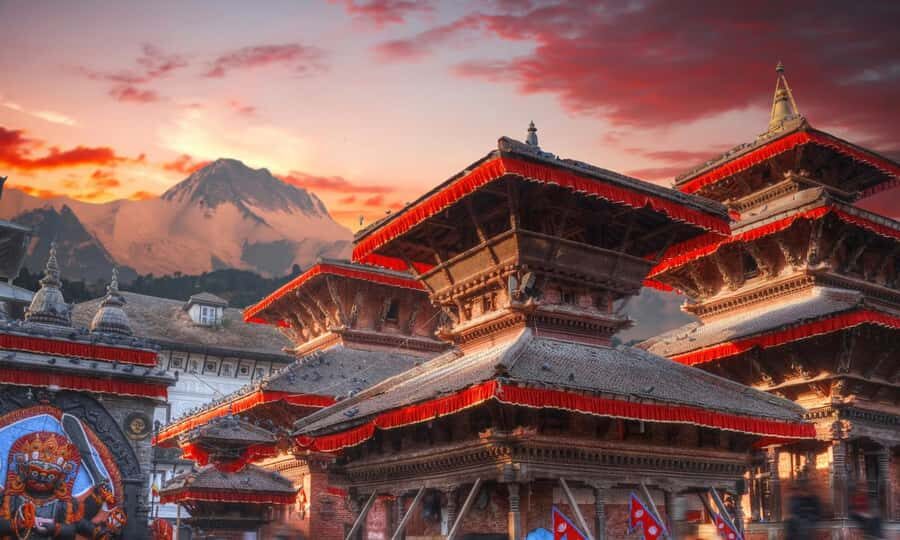
The core set of seven UNESCO-recognized sites spans three Durbar Squares (Kathmandu, Patan, Bhaktapur) and four major religious landmarks (Swayambhunath, Pashupatinath, Boudhanath, Changunarayan). You’ll spend short blocks at each place, with guiding in between so you understand why each site matters.
And yes, it’s a long loop. The upside is you’ll get your bearings fast and leave with a much clearer picture of Nepal’s artistic and spiritual traditions. The downside is fatigue, especially if you don’t enjoy stairs, uneven ground, or short walks that add up.
A few more Kathmandu tours and experiences worth a look

Pickup in Thamel and Private Transport That Saves Your Time
Most people come to Kathmandu with limited time, and traffic can eat it alive. This tour’s private transportation is built for moving through the city’s small streets without turning the day into a logistics puzzle.
Pickup options include Thamel, and you’ll be collected from your hotel area (or from outside an Airbnb/private apartment entrance). You get a comfortable vehicle and a guide who shows up on time with clear coordination.
From the feedback, the drivers are consistently described as careful and skilled at navigating Kathmandu’s chaotic lanes. You’ll feel it most when you’re bouncing between sites instead of spending your day stuck in transit or hunting for meeting points.
The Lunch Plan: Packed Snacks Plus Meal Breaks
Food matters on temple days, and this one doesn’t pretend it’s optional. You’ll have a packed lunch with items like croissant, muffin, Danish, cookies, banana, and juice.
The schedule also includes a meal break built into the flow (for example, Patan Durbar Square includes a brunch-style stop, and Bhaktapur includes lunch time). That rhythm helps you keep your energy steady, so the guide’s explanations land instead of washing over you while you’re hungry.
One practical note: alcohol isn’t allowed in the vehicle. If you plan to celebrate later, do it after the tour ends and you’re back at your hotel.
Swayambhunath: Monkey Temple Views and a Buddhist Stupa Above It All
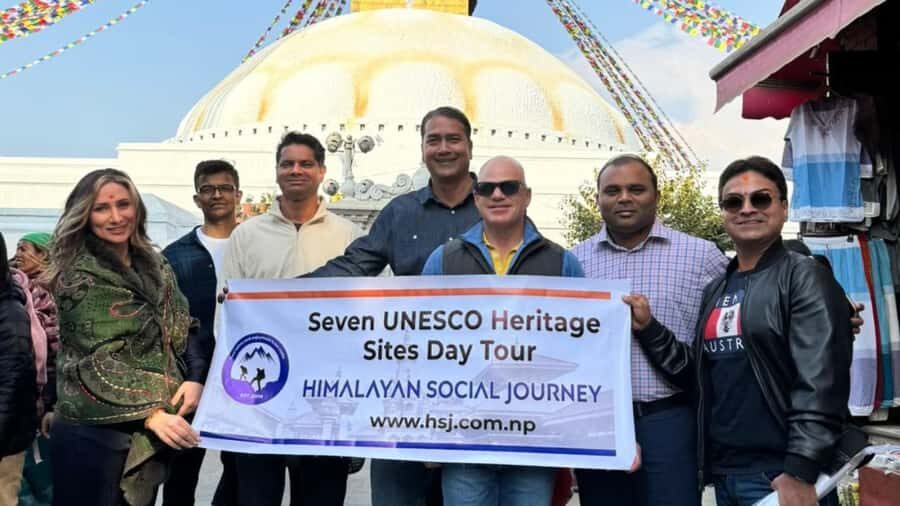
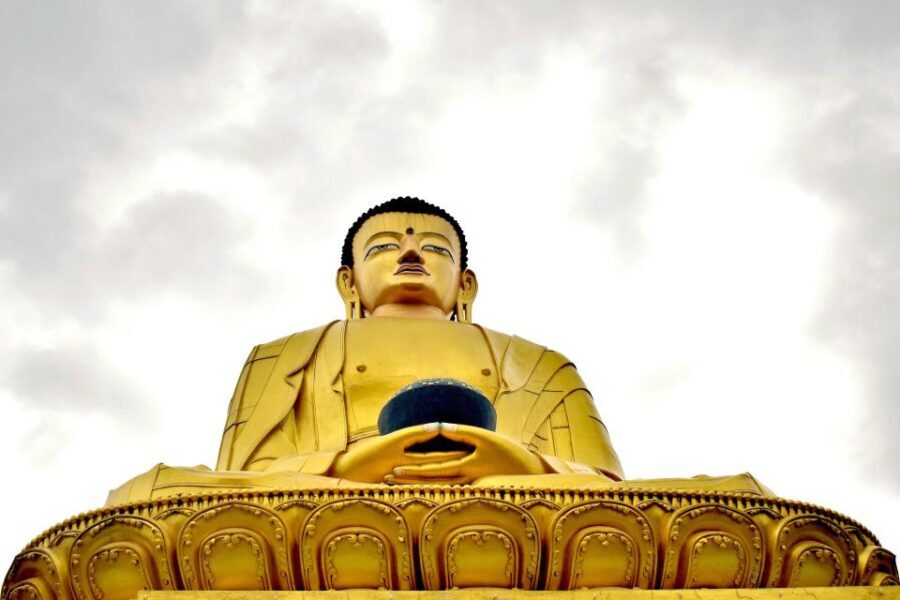
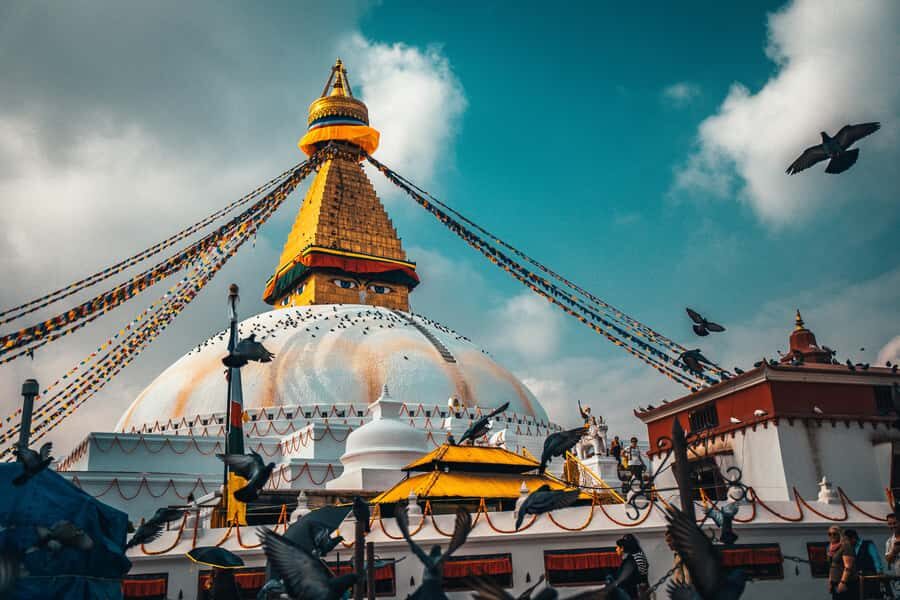
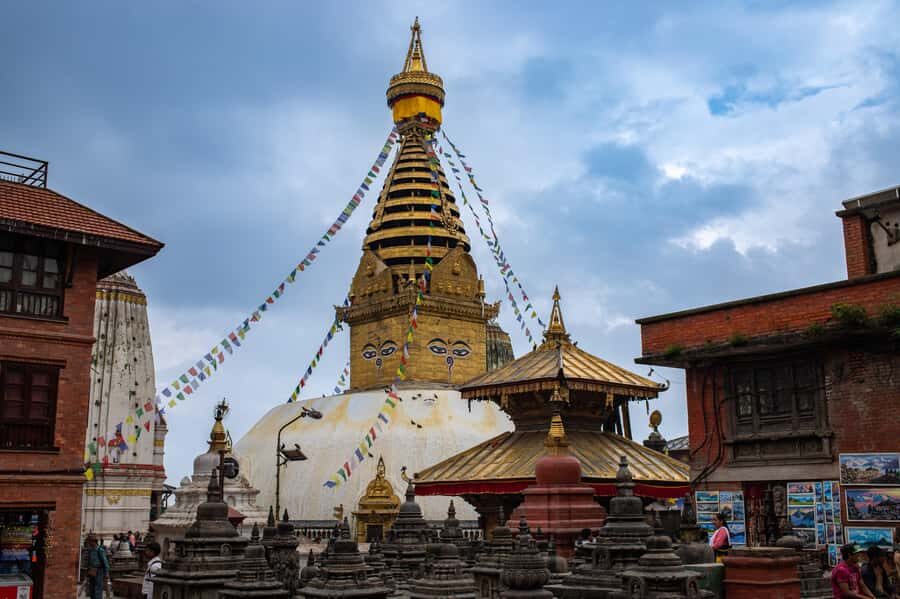
Your day starts with Swayambhunath, the hilltop stupa complex that looks over the entire valley. It’s often called the Monkey Temple because of the monkeys around the grounds, but the bigger draw is the layered religious atmosphere: the stupa, ancient sculptures, and temple areas tied to Buddhist worship.
You’ll get a guided visit with time to look around and do a bit of shopping. This is one of those places where the guide’s context pays off fast. Without that, you might see a complex of temples and just walk past meaning.
With the guide, you’ll understand the site as a living sacred landscape where symbols and layouts connect to centuries of practice. Expect a short but high-impact stop—enough time to get the views and also grasp what makes Swayambhunath distinctive.
Kathmandu Durbar Square: Palaces, Courtyards, and Newari Detail
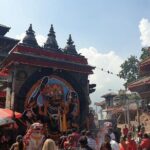
Next comes Kathmandu Durbar Square, located in the heart of old Kathmandu. This is where you see palace-like architecture and courtyard spaces tightly interwoven with temples.
The experience here is less about one single building and more about the whole layout—how space is shaped for power, worship, and everyday life. With guidance, you’ll notice the Newari architectural details more clearly, instead of treating it like a photo stop.
There’s also time for walking and a bit of browsing afterward. That matters because Durbar Square is not only history—it’s still part of the city’s working fabric. You’ll get the “how people live alongside monuments” feeling without needing a separate walking tour.

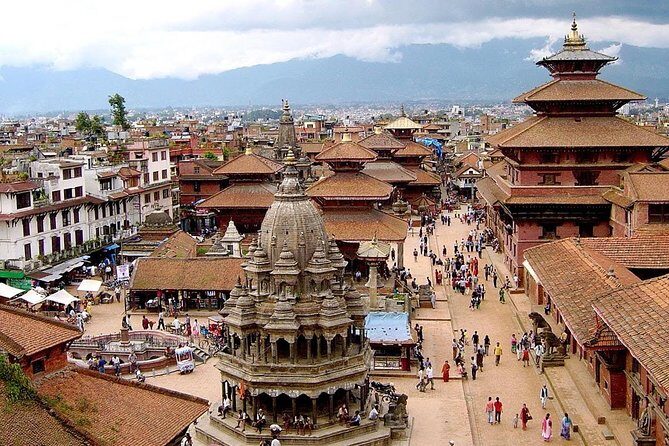
Patan Durbar Square: Where Hindu and Buddhist Art Coexist
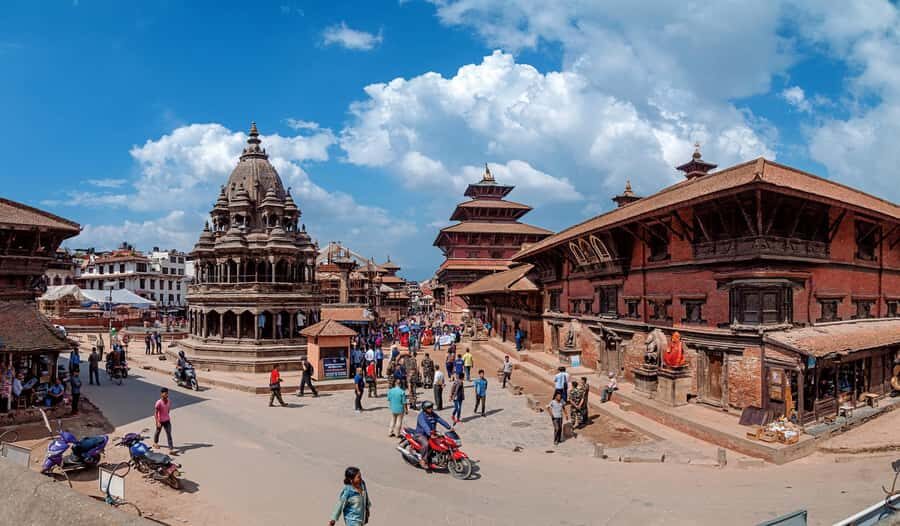
Patan Durbar Square is about 5 km from Kathmandu, and it brings a different texture to the valley’s heritage. This stop is described as a fusion of Hindu and Buddhism influences, so your eye shifts from “one tradition’s look” to a more mixed artistic language.
Time here includes a guided tour plus time to walk around, shop, and enjoy the break. You’ll also get attention on the craft elements—especially the fine workmanship on doors and windows, which is exactly the kind of detail most people miss when they rush.
This is a good moment to slow down mentally and compare sites. Patan helps you see how the valley’s architecture repeats patterns but changes themes depending on the religious and artistic priorities of the era.
Changu Narayan: One Hilltop Temple, One Very Old Story
Changu Narayan Temple is older and more remote than the Durbar Squares, so it feels like a reset button during a long day. It sits on a hilltop near Bhaktapur, which gives the stop a different mood: more open, more quiet, more “you’ve arrived” than “you’re passing through.”
The site is described as one of Nepal’s oldest temples, believed to date back to the 4th century during the Lichhavi dynasty. It’s also noted for one of the oldest surviving wooden structures in Nepal, which gives you something specific to look for when the guide points out features.
You’ll have a shorter guided visit and a sightseeing window. The short time is not a weakness here. Changu Narayan is intense in meaning, so the best value is letting the guide explain the background and letting the structure do the rest.
Bhaktapur Durbar Square: Medieval Architecture You Can Still Feel
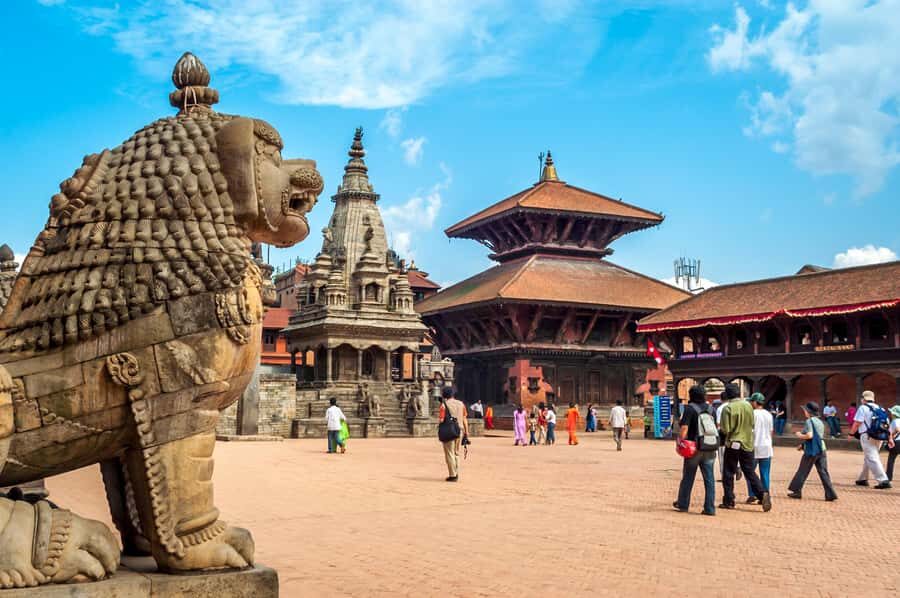
Bhaktapur Durbar Square is where the day turns from “see it” to “walk into it.” The place is known for well-preserved medieval architecture, with temples, palaces, and intricate artwork.
Here you’ll have a longer visit, including lunch time, and more opportunity to explore courtyards and side shrines. If you like architectural detail, this is one of the most satisfying stops because it doesn’t feel like a single viewpoint. It feels like a whole working complex.
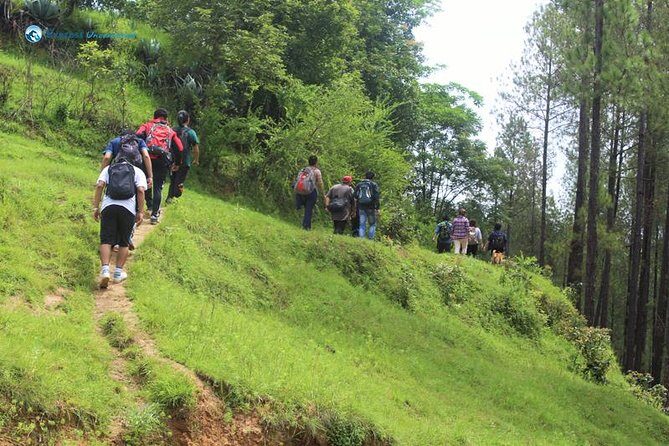
The walking can add up, though. Bhaktapur is visually rewarding, but it also asks for comfortable shoes and patience. If you’re planning to take lots of photos, build in extra time for small detours so you don’t feel rushed.
Pashupatinath: Sacred River, Cremation Rites, and a Serious Atmosphere
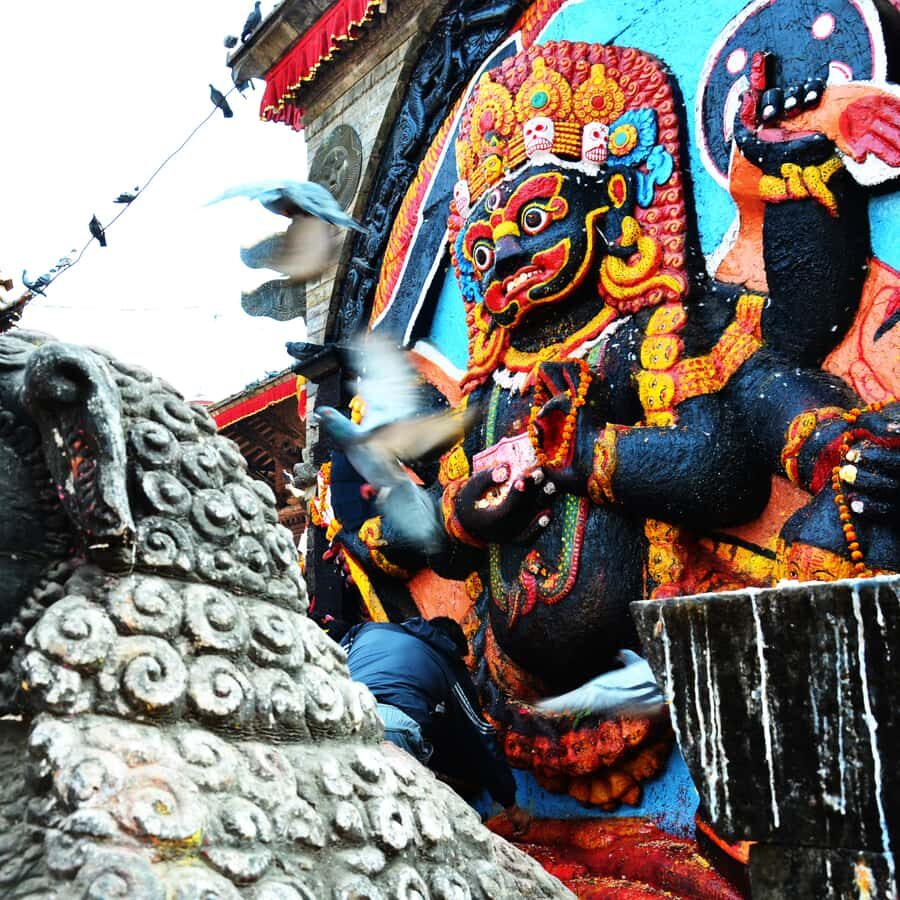
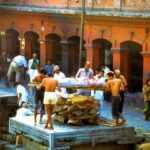
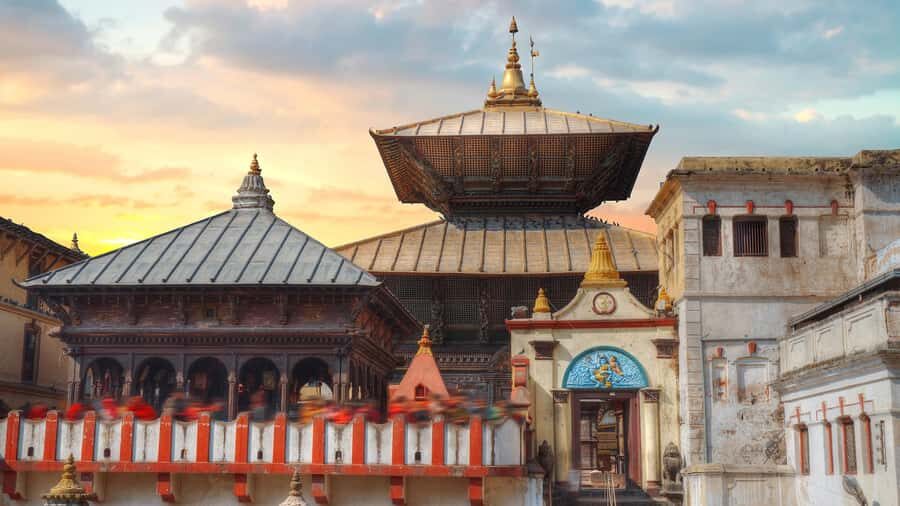
Pashupatinath Temple is one of Nepal’s most famous Hindu sites, and it’s on the bank of the sacred Bagmati River. If you want a sense of what religion looks like when it’s not staged for tourists, this is where you feel it.
The guide-led walk helps you understand the temple’s significance, and you may also witness cremation rites occurring in public at the riverside crematorium. The descriptions include holy men with painted faces, dreadlocked hair, and ash-applied bodies, plus the ritual setting around the river.
This stop can be emotionally intense. It’s not graphic for the sake of shock, but it is real and active. If you’re sensitive to death rituals or you prefer lighter sightseeing, it helps to know you’re going into a site of ongoing religious practice, not a museum.
Boudhanath: Tibetan-Style Stupa Atmosphere and Thanka Art Shopping
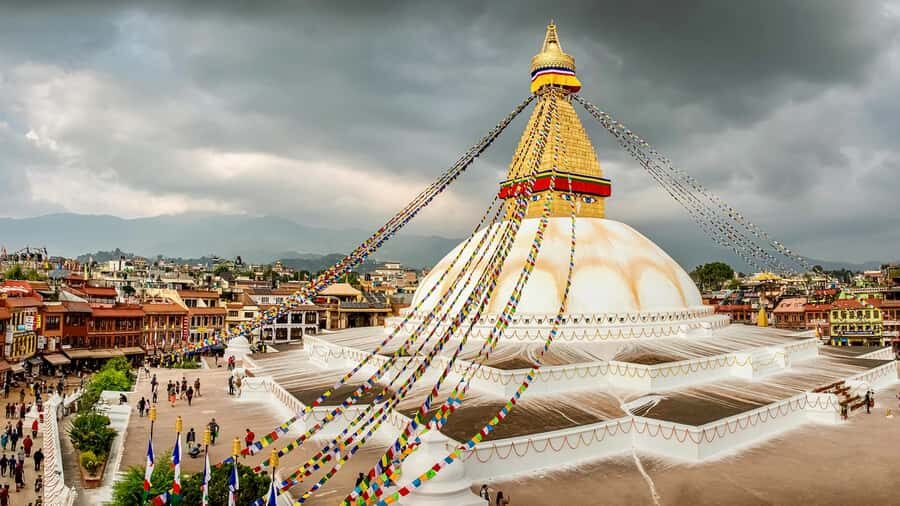
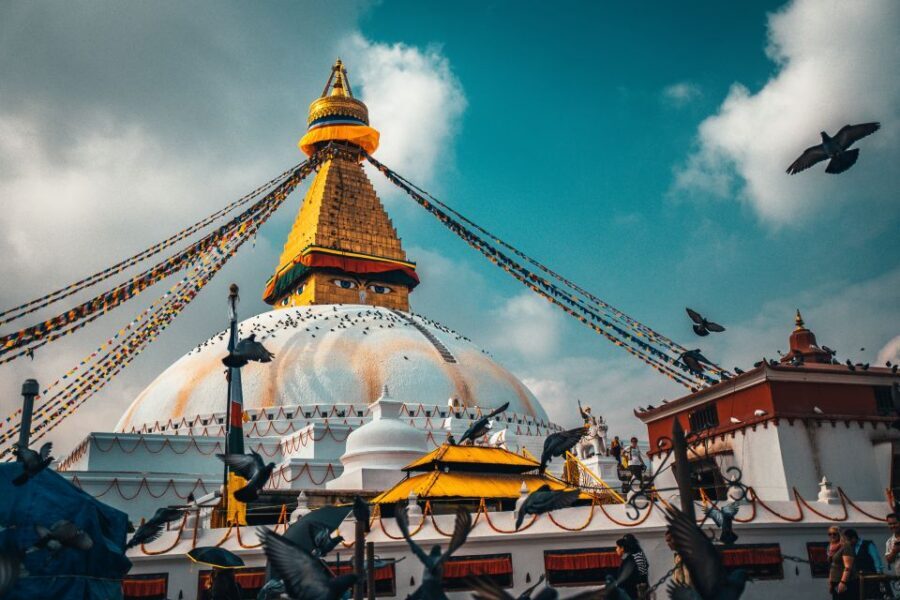
The final big UNESCO stop is Boudhanath (Bouddhanath) Stupa, described as one of the largest stupas in the world, with origins reaching back to the 4th century. Even if you’re not a Buddhism specialist, the stupa’s scale and the surrounding atmosphere hit you quickly.
You’ll notice the area feels like a Tibetan village, with monasteries and a community presence. There are also painting schools linked to thanka art, and this is where shopping can become more than souvenirs. Thanka items are often meaningful as art tied to religious themes.
You’ll have a guided visit plus time for shopping and short sightseeing before heading back toward your drop-off. If you’re ending the day spiritually, Boudhanath is a strong landing point because it tends to feel steady and ceremonial rather than chaotic.
The Real Value: What the Guide Adds (Dipendra and Others)
The guide is the heart of this tour. Many recent bookings specifically mention Dipendra as the person making the day feel clear, organized, and worth it. People liked that he was punctual, friendly, patient with questions, and very good at explaining the religious and architectural meaning behind Swayambhunath and Pashupatinath.
A few other names show up too, including Rajan and Ramesh, which suggests the company keeps guiding strong even if the exact person changes. Across accounts, the pattern is consistent: the guide checks in on pacing and adjusts for the group’s mood.
If you’ve ever visited a temple and felt like you were reading a sign without understanding the language, you’ll appreciate this. The best guides turn stone, symbols, and layout into something you can actually follow.
Price and Entrance Fees: Where the Real Math Comes In
The listed price is very low, but here’s the practical way to think about it: this tour bundles pickup, private transportation, and an experienced guide, plus lunch. That’s a lot of moving parts in one day.
Entrance tickets are described as included only in the all-inclusive option. If you’re not in the all-inclusive tier, you should plan on paying monument entrance fees on site. The tour also suggests carrying Nepalese currency for these fees, and one account notes you can use an ATM at the first location.
So the best value move is simple: confirm whether monument fees are included in your selected option before you go. Then bring rupees so you’re not scrambling at temples when you’d rather be looking at carvings.
What to Expect From the Walking and Timing
This is a “7 stops” tour, which means you won’t spend all day in one place. Visits are timed for efficiency: Swayambhunath has a shorter guided block, Durbar Squares get longer looks, and religious sites like Pashupatinath and Boudhanath have guided walking and sightseeing windows.
You’ll also need to handle stairs, uneven surfaces, and crowd flow. That’s why this tour isn’t suitable for wheelchair users or visually impaired travelers based on the provided details.
If you want a version that feels less intense, the tour can sometimes be adjusted. One booking describes accommodations for someone doing only four sites instead of all seven, which is a good reminder to ask about flexibility if seven feels like too much.
Is This the Right Tour for You?
I think this tour is best if you:
- Have limited time in Kathmandu but want the main UNESCO highlights
- Like understanding the meaning behind architecture and religious practice
- Want a guided day that reduces planning and decision fatigue
- Prefer private transport and a guide who can answer questions in English, Nepali, or Hindi
You might skip this one (or ask for fewer sites) if you:
- Really don’t want long walks in one day
- Need accessibility support beyond what’s listed as possible here
- Prefer a slower pace where you linger for hours in fewer places
If you’re trying to pick the best “starter day” in Kathmandu Valley, this is a strong candidate because it gives you a structured map of what matters.
Should You Book Kathmandu: 7 UNESCO Sites with Lunch?
Yes, I’d book it if you want a fast, guided way to understand the Kathmandu Valley UNESCO lineup. The combination of Durbar Squares, major Hindu and Buddhist sites, and included lunch snacks makes it a practical day package rather than just a sightseeing checklist.
Just do two things before you go: check whether entrance tickets are included in your selected option, and bring Nepalese rupees so you’re ready at each stop. If you can handle a full day of walking, this tour is a smart value for seeing a lot with context.
FAQ
What sites are included in the Kathmandu 7 UNESCO day tour?
You’ll visit Swayambhunath, Kathmandu Durbar Square, Patan Durbar Square, Changu Narayan Temple, Bhaktapur Durbar Square, Pashupatinath Temple, and Boudhanath.
Where does pickup happen?
Pickup is available from Thamel in Kathmandu.
How long is the tour?
The duration is listed as 4.5 to 8 hours, depending on the selected starting time and pace.
What kind of lunch is included?
The tour includes a packed lunch with croissant, muffin, Danish, cookies, banana, and juice. There are also meal breaks during the day, such as brunch at Patan and lunch at Bhaktapur.
Is the tour private?
Yes. A private group is available, and private transportation is included.
Are entrance tickets included?
Entrance tickets are included only in the all-inclusive option. Otherwise, monument entrance fees are not included.
Does the tour include skipping ticket lines?
Yes, skip-the-ticket-line is included.
What languages are the guide available in?
The live tour guide is available in English, Nepali, and Hindi.
What should I bring for the tour?
Bring an ID card. A copy is accepted.
Is alcohol allowed during the tour?
Alcoholic drinks are not allowed in the vehicle.
Is there free cancellation?
Free cancellation is available up to 24 hours in advance for a full refund.
Can I pay later?
Yes. You can reserve now and pay later, with the option to keep your travel plans flexible.