REVIEW · KATHMANDU
8 Days Nepal Tour (Kathmandu, Pokhara, and Chitwan Tour)
Book on Viator →Operated by Peregrine Treks and Tours · Bookable on Viator
Kathmandu to Chitwan in one tight loop. This 8-day Nepal tour strings together temples, lake views, and a real jungle safari, without asking you to plan bus routes or ticket lines. You’ll get a guided introduction to three very different sides of Nepal—religious Kathmandu, scenery-first Pokhara, and wildlife-focused Chitwan—each with its own pace and mood.
I especially like two things here. First, the day-by-day structure hits major stops with clear timing, like Pashupatinath Temple rituals and the big Kathmandu stupa circuit at Boudhanath and Swayambhunath. Second, Chitwan isn’t just a drive-by stop: you get canoe time on the Rapti River, a jungle walk with trained naturalists, and a jeep safari.
One possible drawback: you’re moving a lot. The Kathmandu–Pokhara route is about 7–8 hours by tourist bus (and Pokhara–Chitwan is a 5–6 hour bus ride), plus there are early starts for sunrise and wildlife activity. If you hate long travel days or early wake-ups, this itinerary may feel rushed.
In This Review
- Key highlights worth your attention
- A Smart Mix of Temples, Mountain Views, and Rapti River Wildlife
- Day 1: Landing in Kathmandu and Getting Oriented Fast
- Day 2: Pashupatinath, Boudhanath, and Swayambhunath in One Day
- Day 3: Kathmandu to Pokhara, Plus Manakamana Temple by Cable Car
- Day 4: Sarangkot Sunrise, Pokhara Sights, and Phewa Lake Views
- Day 5: Transfer to Chitwan and a First Taste of Tharu Culture
- Day 6: Chitwan National Park—Canoe, Jungle Walk, and a Jeep Safari
- Day 7: The Smooth Finish—Back to Pokhara or Kathmandu
- Day 8: Private Transfer to Your Airport Departure
- Price and Value: What $1,400 Covers (and What You’ll Still Need)
- Getting Around: Buses vs Flights Without Losing Your Day
- Optional Mountain Flight: A Good Add-On for Clear-Sky Days
- Who This Tour Suits Best (and Who Should Rethink It)
- Should You Book This Nepal Highlights Tour?
- FAQ
- Where does the tour start?
- Is pickup included from the airport?
- What meals are included?
- Are hotel stays included?
- Do I need to pay for entrance tickets?
- Are domestic flights included?
- Can I avoid the long bus ride between Kathmandu and Pokhara?
- Can I avoid the long bus ride between Pokhara and Chitwan?
- Is free cancellation available?
Key highlights worth your attention
- Airport arrival handoff with a named sign and transfer straight to your hotel
- Kathmandu temple circuit covering Pashupatinath, Boudhanath, and Swayambhunath
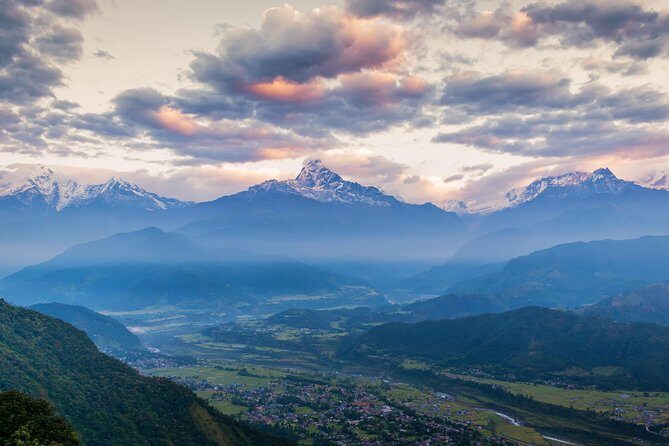
- Sarangkot sunrise views over Annapurna, Dhaulagiri, and Machhapuchhre
- Manakamana visit by cable car as a scenic break on the Pokhara travel day
- Chitwan Rapti River canoe ride plus jungle walk and jeep safari
- Guide support from organizer Pradip and local guides like Hum and Suhail (as noted in feedback)
A Smart Mix of Temples, Mountain Views, and Rapti River Wildlife
This tour works because it balances three kinds of Nepal that are easy to separate when you plan alone. Kathmandu is about sacred spaces and living culture. Pokhara is the breather: lakes, caves, falls, and mountain silhouettes. Chitwan is the payoff: wildlife time on the Rapti River and in the jungle.
The pacing is practical. You don’t spend every day changing plans, and you do get free time where it matters. Day 1 gives you room to settle in Kathmandu and wander. Pokhara includes a walk on the lake area after you arrive. Chitwan includes a rest window in the middle of travel and then a full activity block.
Also, the planning support seems strong. Feedback highlights organized communication from Pradip, and names like Hum and Suhail show up in guide praise. In a country where schedules can wobble, having someone coordinating and adjusting helps a lot—especially if you’re traveling with friends or your timing is tight.
You can also read our reviews of more tours and experiences in Kathmandu.



Day 1: Landing in Kathmandu and Getting Oriented Fast
Your trip starts with a straightforward arrival setup: you’re met at Tribhuvan Airport by a guide and driver holding a sign with your name. That’s a small thing, but it matters when you’re tired, carrying luggage, and still trying to read signage in a new place.
From there, you get a comfortable transfer to your hotel and a quick Nepal intro plus time to ask questions. Day 1 is intentionally not packed. After a refreshing welcome drink, you can take an easy stroll around the neighborhood and get your bearings.
If you like beginning trips with a little breathing room, this day is a good match. It’s also handy for adjusting to altitude and travel fatigue. If you’re the type who needs action on day one, you may find the free time a touch generous—but it keeps the whole schedule realistic.
Day 2: Pashupatinath, Boudhanath, and Swayambhunath in One Day
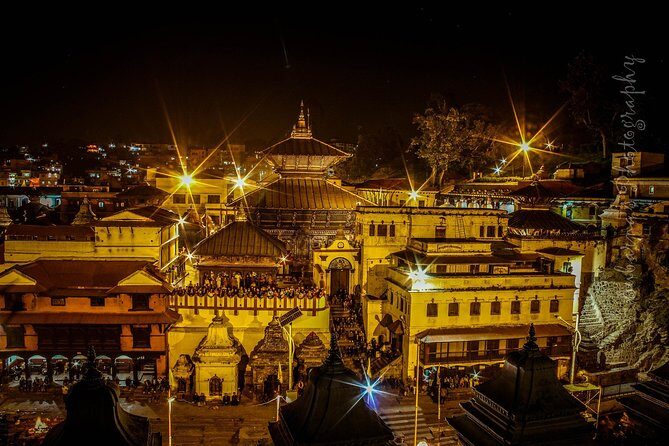
This day is the heart of Kathmandu’s religious spotlight. You’ll start at Pashupatinath Temple, a major Hindu shrine dedicated to Lord Shiva. Entry to certain palace areas is restricted to Hindus, so you’ll mainly experience the temple complex and the riverbank rituals around the Bagmati River area rather than restricted inner sections.
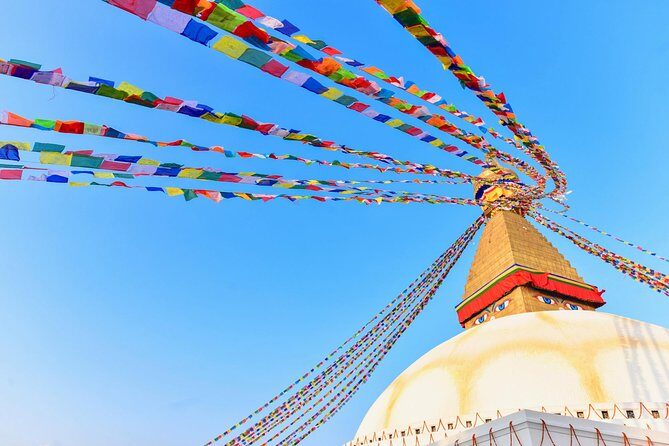
Then you move to Boudhanath Stupa, a UNESCO World Heritage Site and one of the largest stupas in the world. The experience here is simple but powerful: you can circumambulate the stupa, watch prayer wheels in motion, and see monks and worshippers move through daily devotion. The vibe is spiritual and everyday at the same time—less staged than many tourist attractions.
Finally, you climb to Swayambhunath, often called the Monkey Temple. The route is a staircase up a hill, and at the top you get wide views over Kathmandu and the Himalayan range on clear days. You’ll also see the eye symbolism and smaller shrines within the complex, plus the monkeys that live on-site.
What I like about this combo is the contrast. Hindu cremation rituals at Pashupatinath sit side-by-side with Buddhist practice at Boudhanath and Swayambhunath. You’re not just collecting photos; you’re seeing how different faiths shape daily life in Kathmandu.
Day 3: Kathmandu to Pokhara, Plus Manakamana Temple by Cable Car
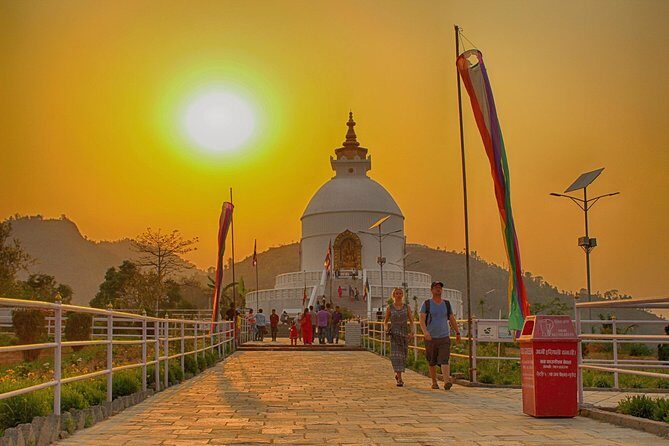
Day 3 is travel with a built-in scenic break. The route to Pokhara is about 200 kilometers, and the plan includes a cable car stop at Manakamana Temple along the way. It’s one of those pauses that turns a long transfer into something you’ll remember.
Pokhara arrival includes a local hotel check-in and an easy lakeside walk with mountain views around you. That lake stroll time is genuinely valuable. After two concentrated days in Kathmandu’s temples, this is where you slow down and start enjoying the airier, more relaxed feel of Pokhara.
Transport choice matters here. For solo travelers, there’s mention of a tourist bus option that can take about 7–8 hours. If you want to skip the long day drive, you can take a flight to Pokhara for an additional USD 120 per person. If you hate transit days, I’d strongly consider flying—then you’ll have more energy for the sunrise the next morning.
Day 4: Sarangkot Sunrise, Pokhara Sights, and Phewa Lake Views
This is an early-start day, designed around the payoff view. You transfer to Sarangkot for sunrise over the Himalayas, with Annapurna, Dhaulagiri, and Machhapuchhre (Fishtail) peaks in the view. If the weather is clear, it’s the kind of moment that makes the whole trip feel real.
After sunrise, you shift into a classic Pokhara sightseeing circuit:
- Bindabasini Temple as a cultural stop early in the day
- Mahendra Cave, where you explore limestone formations and stalactites
- Seti River Gorge, known for its milky white water and gorge viewpoints
- Devi’s Fall, a dramatic natural feature
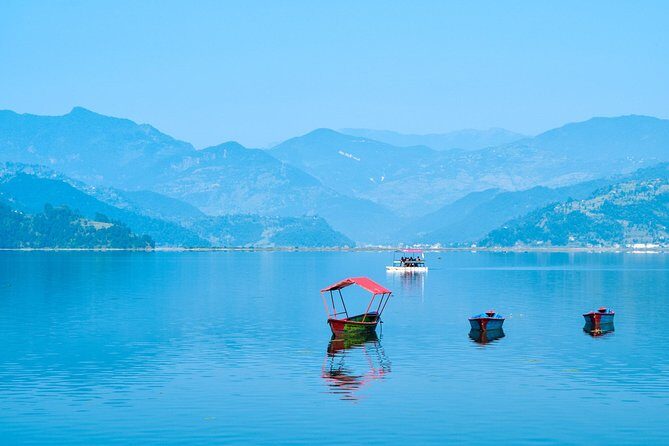
- Phewa Lake, including a boat ride and mountain reflections from the lake area
The best part of Pokhara sightseeing like this is that you’re not locked into one theme. You get spiritual sites, caves, river scenery, and then lake time that slows everything down again. The boat ride on Phewa Lake also tends to be one of those low-effort, high-reward moments—good if you’re tired from walking uphill the day before.
One practical consideration: you’ll be moving from site to site. Wear comfortable shoes and expect some short walks and uneven footing around caves and viewpoints.





Day 5: Transfer to Chitwan and a First Taste of Tharu Culture
Chitwan is a switch in gear. You’ll arrive and be welcomed with a refreshing drink at your jungle resort. Your accommodation is Holiday Resort Chitwan or a similar 3-star option, and you’ll have lunch first before an afternoon/evening program.
There’s another travel-choice moment here too. The plan mentions a 5–6 hour bus ride from Pokhara to Chitwan, and you can instead fly for an additional USD 80 per person if you’d rather reduce transit time.
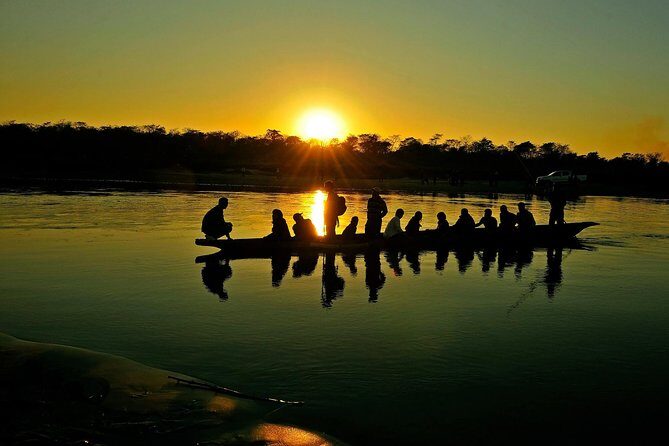
Dinner and meals are included during your Chitwan block, and that matters because it prevents you from hunting for food right when you arrive. After you rest, you go to Chitwan Tharu Village. You’ll canoe along the Rapti River for sunset viewing, then visit traditional Tharu homes and see a cultural dance performance.
I like that this day doesn’t throw you straight into full-day safari mode. You get culture, river time, and a calm rhythm—so when the early safari schedule starts tomorrow, you’re not totally fried.
Day 6: Chitwan National Park—Canoe, Jungle Walk, and a Jeep Safari
This is your main wildlife day, with clear blocks:
- 7:15 breakfast
- 8:00 canoe ride + jungle walk
- 12:00 lunch
- 1:30 jeep safari
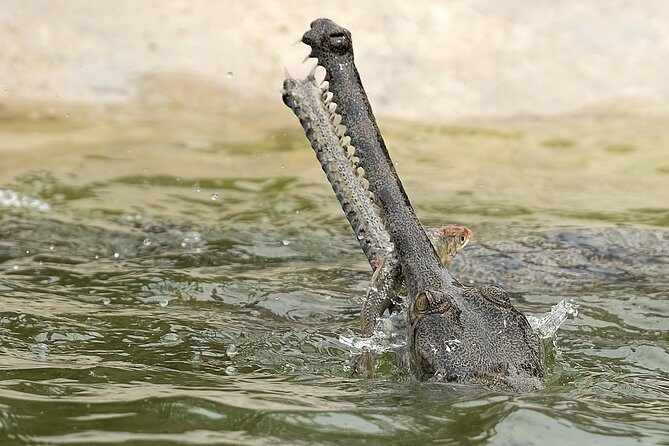
On the Rapti River canoe ride, you’ll have a strong chance for bird watching and wildlife sightings. The plan specifically calls out the hope of spotting two rare crocodile species: Marsh Mugger and the fish-eating Gharial. Even if you don’t see them, the river pace is quieter and more patient than road viewing, and that usually makes a difference for animal sightings.
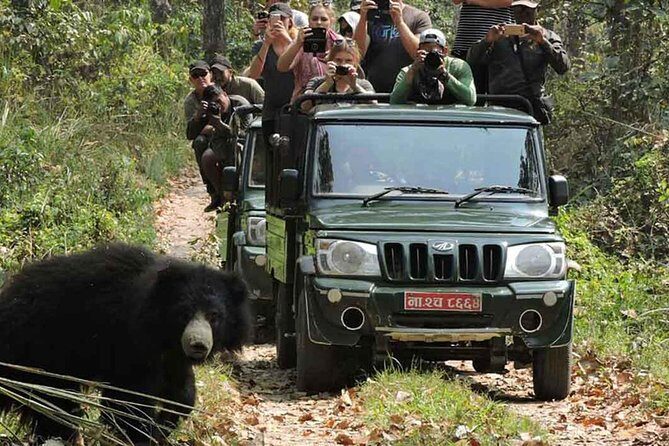
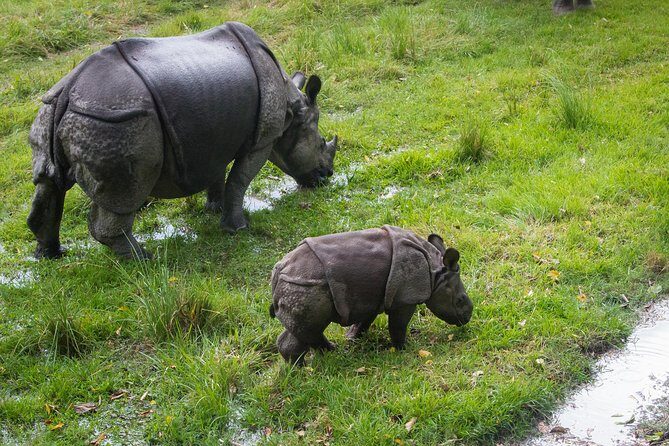
The jungle walk is led by trained naturalists, and you’re guided to prime spots to see wildlife like deer, rhinos, and sloth bears, plus information on local plants and animals. This part is often where people learn how to notice what they’d otherwise miss.
Then you shift to jeep safari in the afternoon. It’s a different way of seeing the park: more ground covered, more chances to spot animals that are harder to see from walking.
One thing to know: wildlife is wildlife. The itinerary sets you up for the right moments—morning canoe and walk are planned for a reason—but sightings aren’t guaranteed. What’s guaranteed is that you’ll be outside, moving through habitat in multiple formats.
Day 7: The Smooth Finish—Back to Pokhara or Kathmandu
Day 7 starts early, but it’s not another packed day of activities. You’ll wake up at 6:00, have breakfast by 6:30, then depart around 7:00 for your return destination, either Pokhara or Kathmandu.
This is one of the schedule strengths: you’re not trying to squeeze one last big attraction on a tired day. It keeps the final day manageable and reduces stress.
If you have onward plans, this is the day you’ll want to double-check timing so you don’t accidentally plan something tight right after the transfer.
Day 8: Private Transfer to Your Airport Departure
Your final day is clean and practical: a comfortable private transfer to the airport plus a professional guide to help you board your next flight. That’s the kind of finishing touch that saves time and reduces last-minute confusion.
It also helps you end the trip with a calm mindset. After Kathmandu’s sacred sites, Pokhara’s views, and Chitwan’s wildlife time, you’ll likely be ready to just get home and process it all.
Price and Value: What $1,400 Covers (and What You’ll Still Need)
At $1,400 per person, this is priced like a mid-range guided package that does more than basic city touring. What you do get included:
- air-conditioned vehicle for transfers
- hotel accommodations and a guide
- tourist bus where noted
- entrance fees for several major sights (listed temple and attraction tickets are included)
- meals in bulk during the trip (breakfasts and select lunches/dinners as specified)
What’s not included:
- international airfare, visa fee, and travel insurance
- some meals in Kathmandu and Pokhara (lunch/dinner, bar, and beverages not included there)
- tipping to guide and drivers
- domestic flights (optional)
To me, the value hinges on two things. First, you’re paying for logistics: multiple regions in 8 days, with guided stops and transportation. Second, you’re paying for structured safari time in Chitwan rather than just visiting the park area.
If you were planning this on your own, the cost would likely balloon once you start coordinating drivers, entrance tickets, guides, and domestic flights. Here, many of those pieces are bundled.
Getting Around: Buses vs Flights Without Losing Your Day
Transport is one of the biggest quality-of-life factors on this itinerary. The plan offers flight alternatives when you want to reduce long travel days:
- Kathmandu to Pokhara: flight possible for USD 120 per person
- Pokhara to Chitwan: flight possible for USD 80 per person
The upside of flying is obvious: you preserve energy for sunrise and wildlife activities. The upside of buses is cheaper and often gives you more chances to see the changing scenery—but the time cost is real (7–8 hours for Kathmandu–Pokhara and 5–6 hours for Pokhara–Chitwan).
My practical advice: if you’re sensitive to early mornings or you want a calmer experience, lean toward flights. If budget is your top priority, the bus days are workable as long as you plan to rest when you arrive.
Optional Mountain Flight: A Good Add-On for Clear-Sky Days
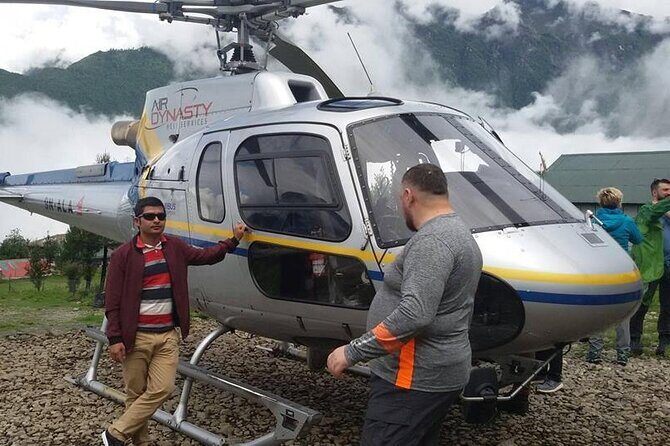
The tour lists an optional mountain flight. This can be a strong add-on when weather is good and you want a high-level view you can’t get from viewpoints alone.
Because the details and timing aren’t spelled out in the package info you provided, treat it as a decision you make once you see conditions and confirm availability with your organizer. It’s also the kind of add-on that can turn a good scenery day into a standout memory, especially for first-time Nepal visitors.
Who This Tour Suits Best (and Who Should Rethink It)
This is a great match if you want a guided highlight run that covers three regions: culture, scenery, and wildlife. It also fits well if you like knowing what’s next each day and want a local guide to interpret what you’re seeing.
It’s especially suitable for:
- first-time Nepal visitors who don’t want to plan transport across regions
- groups and friends who want built-in coordination
- people who want real Chitwan activity, not just a short visit
Consider rethinking if:
- you strongly dislike early mornings (Sarangkot sunrise and safari scheduling are early)
- long bus rides drain you and you’re not interested in the flight options
- you prefer slow travel with lots of unscheduled time in one place
Should You Book This Nepal Highlights Tour?
If you want a structured, high-coverage Nepal trip that still includes meaningful time in each region, I’d say this package is worth considering. The strongest points are the Kathmandu temple circuit, the Sarangkot sunrise planning, and the Chitwan wildlife format (canoe + jungle walk + jeep safari). Add in the organizer support that’s been praised—Pradip with clear communication, and guides like Hum and Suhail—and you’re getting more than a checklist.
Book it if you want: fewer planning headaches, guided interpretation, and a balanced mix of culture, nature, and wildlife in 8 days. Skip or adjust it if you’re travel-weary or want more time per region—because here, you’re moving often, and the best moments require good wake-up timing.
FAQ
Where does the tour start?
It starts at Tribhuvan Airport in Kathmandu, Nepal. You’ll be met by a guide and driver holding a sign with your name.
Is pickup included from the airport?
Yes. The tour includes pickup and a transfer from Kathmandu airport to your hotel.
What meals are included?
Breakfast is included for 7 days, plus 2 lunches and 2 dinners are included. Lunch and dinner in Kathmandu and Pokhara are not included, along with bar and beverages.
Are hotel stays included?
Yes. The tour includes hotel accommodation, with Chitwan listed as Holiday Resort Chitwan or a similar 3-star hotel.
Do I need to pay for entrance tickets?
For several key sights, admission tickets are included as part of the tour stops, and the package also states all fees and taxes are covered.
Are domestic flights included?
No. Domestic flights are listed as not included. The tour mentions optional flights to Pokhara and Chitwan if you want to avoid long bus rides.
Can I avoid the long bus ride between Kathmandu and Pokhara?
Yes. A flight to Pokhara is available as an option for an additional USD 120 per person.
Can I avoid the long bus ride between Pokhara and Chitwan?
Yes. The tour mentions you can take a flight for an additional USD 80 per person if you prefer to avoid the 5–6 hour bus ride.
Is free cancellation available?
Yes. You can cancel up to 24 hours in advance for a full refund. Within 24 hours of the start time, no refund is provided.