REVIEW · KATHMANDU
Half day cooking class in Thamel kathmandu
Book on Viator →Operated by Nepal Cooking School · Bookable on Viator
Momos and spices, taught step by step. In Thamel, I love the market ingredient guidance and the hands-on momo-making from scratch, then you eat what you cook while it’s still hot. The only real catch: you may be climbing a few flights of stairs to reach the kitchen.
You’ll choose one of three time windows (morning, afternoon, evening), and it runs about 2 hours 30 minutes. Small groups (up to 8) help the class feel more personal, and pickup is offered with a mobile ticket.
This is also a very low-pressure way to learn Nepali cooking. A meal and beverages are included, and you don’t need prior cooking experience.
In This Review
- Key highlights worth your time
- Thamel Start Point: Divine Kathmandu Hotel and a Small-Group Rhythm
- Three Shifts in the Day: How to Pick Morning, Afternoon, or Evening
- Market Ingredient Time in Thamel: What You Gain, and When It Can Feel Like Too Much
- From Scratch to Momo Technique: How the Cooking Teaching Actually Helps You
- The Four-Dish Menus: Variety Without the Guesswork
- You Cook One Course, Then You Eat It: Why This Format Feels Worth It
- What You’re Really Paying For: Value at Around $28
- Family-Friendly and Beginner-Ready: Who This Class Suits Best
- Potential Drawbacks to Know Before You Go
- Should You Book This Thamel Cooking Class?
- FAQ
- How long is the half-day cooking class in Thamel?
- What time shifts are available?
- Does the class include momos?
- What’s included in the price?
- Is pickup available?
- Do I need cooking experience?
- Are there different menus and dishes?
Key highlights worth your time
- Three daily shifts let you match the class to your Kathmandu schedule
- Up to 8 people means you get real attention while you cook
- Momos appear on every menu, so you won’t miss the big-name dish
- Cook and eat fresh: you make each course, then sit down to it hot
- Spice control is yours: you decide how much chili goes in
- Instructors named Nilam and Anshu are repeatedly praised for clear, friendly teaching
Thamel Start Point: Divine Kathmandu Hotel and a Small-Group Rhythm
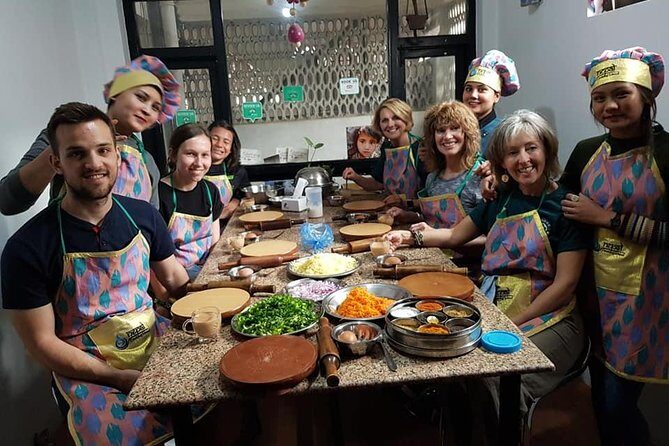
The experience begins in Thamel, at the Divine Kathmandu Hotel area (Paknajol Marg Amrit Marg, Thamel). It’s convenient because Thamel is where you’ll already be spending most of your sightseeing time, so you’re not carving out extra travel just to get to class.
Pickup is offered, which is a nice buffer in a city where traffic and walking routes can shift quickly. And the group is capped at 8 travelers, so this isn’t a drop-off-and-watch deal. You’ll cook, ask questions, and get feedback while the food is still in progress.
Practical note: the class ends back at the meeting point, so you don’t have to plan a separate return. If you’re staying in Thamel, this is one of those activities that keeps logistics simple.
You can also read our reviews of more cooking classes in Kathmandu

Three Shifts in the Day: How to Pick Morning, Afternoon, or Evening
You get three shifts:
- Morning: 9:00 am to 12:30 pm
- Afternoon: 1:30 pm to 4:00 pm
- Evening: 4:30 pm to 8:00 pm
The duration is about 2 hours 30 minutes, so the shift times act like a comfortable window that includes the full rhythm of cooking, eating, and wrapping up.
Here’s how to choose:
- If you want a calmer start, go morning. You’ll likely finish with plenty of day left for other Kathmandu plans.
- If you’re sightseeing in the morning and want a later activity, afternoon fits well.
- If you prefer a more relaxed feel and you like finishing the day with a warm meal, the evening shift is a strong option.
One detail I appreciate: each shift is structured the same way (cook step-by-step, eat your course), so you’re not sacrificing quality if you pick the time that works best for you.
Market Ingredient Time in Thamel: What You Gain, and When It Can Feel Like Too Much
The class experience often includes a market-style segment where you learn what ingredients to pick and why. In past sessions, people have been taken through local vegetable and spice areas, with explanations of spices and what to look for. This is where the class becomes more than recipes. You start learning how Nepali cooks think: taste, balance, freshness, and texture.
You should also know that spice-shopping can be a mixed bag. Some participants loved the shopping stop for the context and the chance to bring spices home. Others felt it took more time than they wanted, especially if their focus was simply getting into the cooking.
My advice: if you’re the type who enjoys browsing ingredients and learning what’s what, you’ll probably consider this part a highlight. If you’d rather skip extra time out of the kitchen, just go in expecting that the market segment is part of the overall flow.
From Scratch to Momo Technique: How the Cooking Teaching Actually Helps You
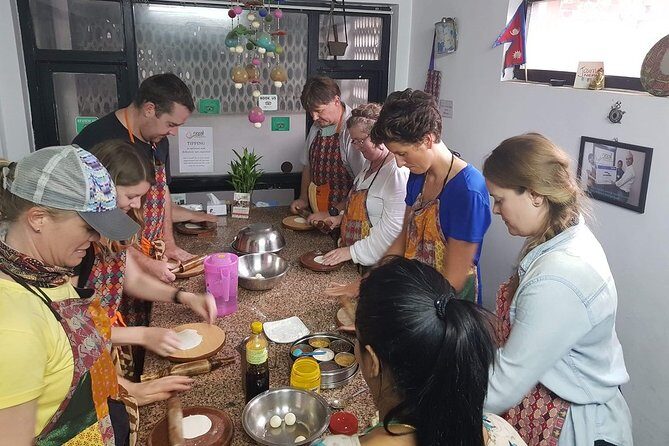
This class is built for people who know nothing about Nepali cooking—and that’s a big part of its value. You start from scratch, including how to choose ingredients. Then you build skills as you go, including more advanced techniques like making momos.
The teaching style is practical:
- Step-by-step guidance while you cook
- You make one course, then eat it right away
- You can adjust the level of ingredients, especially chili
That last point matters more than it sounds. Nepalese cuisine can be spicy, but you’re not forced into a one-size-fits-all bowl. If you don’t want heat, you can hold back.
In the momo-focused side of the menu, the class also gives you the satisfying “I can do this again later” feeling. If someone in your group is fixated on momos (and in Kathmandu, that’s most people), you’re in good hands. Momo is intentionally included on each menu.
The Four-Dish Menus: Variety Without the Guesswork
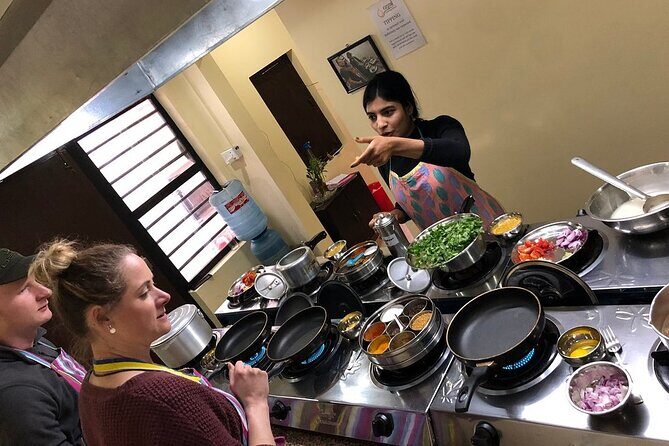
There are three menus, and each one includes four traditional Nepali dishes. That structure is great for visitors because you get variety without having to figure out what to order in a restaurant and then hope you guessed right.
The menus also reduce decision fatigue. You’re not piecing together a meal from scratch. You pick a menu, follow the plan, and learn as you cook.
You might see dishes like:
- Daal (often highlighted as a recipe people want to repeat at home)
- Chicken curry with daal on the side
- Chapata-style egg roll where you make the dough yourself
- Chocolate momos (dumplings) on certain menus
One more thing I like: momos aren’t treated like an optional extra. The class design aims to ensure you don’t miss them, no matter which menu you choose.
If you’re vegetarian, you’ll have an easier time than you would at many cooking experiences. At least one participant shared they had no problem going vegetarian. Gluten-free came up too in a different case, suggesting the team may be able to adjust depending on what you need—so it’s smart to ask when you book.
A few more Kathmandu tours and experiences worth a look

You Cook One Course, Then You Eat It: Why This Format Feels Worth It
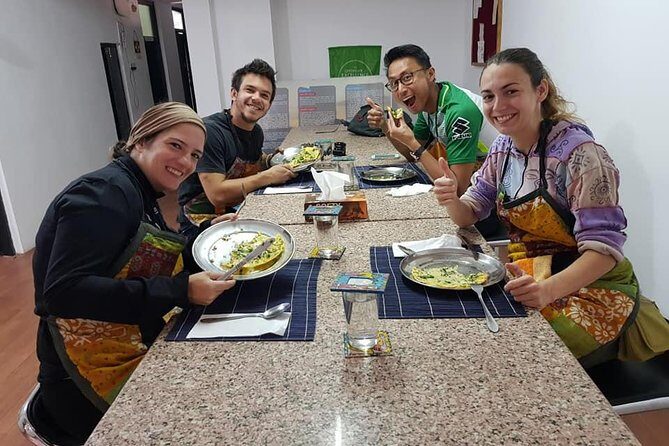
A big advantage here is the timing: you cook a course, then eat it while it’s fresh and hot. That makes the class feel like a meal experience, not a classroom session where food is always “next.”
This format also changes how you learn. When you eat what you just made, you immediately notice what worked. Too salty? Too mild? Not enough texture? You learn by tasting right away.
And come hungry. The experience includes a meal and beverages, and it isn’t just one snack and a single tasting portion. The included meals list includes breakfast, coffee and/or tea, snacks, and dinner along with the lunch cooking course.
So yes, this is a cooking class—but it’s also a full value meal day. That’s why many people rate it so highly.
What You’re Really Paying For: Value at Around $28
At $28 per person, the key question isn’t whether you’re buying ingredients. You’re not just buying food. You’re paying for:
- A structured lesson with clear instruction
- Small-group attention (max 8)
- A market/ingredient learning component in Thamel
- The time cost of being guided through a multi-dish cooking flow
- Multiple included meals and beverages
Also, the class doesn’t include alcoholic beverages and doesn’t include private transportation, so if you’re budgeting, plan on covering those separately. But the rest of the package already covers a lot of what you’d normally spend across meals in Kathmandu.
When a class like this is consistently rated around 4.9 with nearly universal recommendation, it usually means people feel they got more than they expected: skill plus food plus organization.
Family-Friendly and Beginner-Ready: Who This Class Suits Best
This is one of those activities that works across age ranges. It’s family-friendly and has been described as parent friendly, which tells you the tone is relaxed—not intimidating.
You also don’t need cooking experience. The whole setup is meant for first-timers. You’ll be guided through choosing ingredients, then progressing into techniques like momo-making. Even if you can’t imagine yourself making dumplings, you’ll likely understand the process well enough to repeat it at home.
Food lovers will especially enjoy it, but you don’t need to be an extreme foodie. If you just want to eat something good while learning how it’s made, this fits.
If you’re traveling with a group of friends, the small size helps with interaction. If you’re solo, it can still feel comfortable because your attention level stays high.
Potential Drawbacks to Know Before You Go
No experience is perfect, and a few practical points show up repeatedly in the way people talk about it.
1) Stairs to the kitchen
One participant specifically warned about climbing four flights of stairs. That doesn’t mean you should avoid it, but if you have mobility limits or you’re wearing shoes you don’t trust on stairs, plan accordingly.
2) Shopping time isn’t everyone’s favorite
Some people enjoyed the spice market run for context and the ability to buy spices. Others felt it ate time they’d rather spend cooking. If your priority is maximum time at the cutting board, go in mentally prepared for this to be part of the experience.
3) Spice is optional, but taste is personal
The good news is you can adjust chili levels to your preference. Still, tasting is part of learning, so you might end up liking things you expected to dislike—or needing to ask for less heat as you go.
Should You Book This Thamel Cooking Class?
If you want a hands-on way to learn Nepali flavors in Thamel, this is a smart bet. I’d book it if you care about learning actual techniques (especially momos), you want a structured meal experience, and you like the idea of eating what you cook while it’s still hot.
I wouldn’t book it if stairs are a deal-breaker for you, or if you dislike any ingredient-shopping component and want a strictly kitchen-only format. For everyone else, the mix of instruction, small group size, and included meals makes it feel like good value in Kathmandu.
If you do book, come hungry, pick the shift that matches your energy, and be clear about your spice comfort level from the start.
FAQ
How long is the half-day cooking class in Thamel?
The class runs about 2 hours 30 minutes (approx.).
What time shifts are available?
There are three shifts: 9:00 am to 12:30 pm, 1:30 pm to 4:00 pm, and 4:30 pm to 8:00 pm.
Does the class include momos?
Yes. Momo is included on each of the menus so no one misses out.
What’s included in the price?
Your experience includes the lunch cooking course plus breakfast, coffee and/or tea, snacks, and dinner. A meal and beverages are included.
Is pickup available?
Pickup is offered, and you’ll receive a mobile ticket.
Do I need cooking experience?
No. You don’t need cooking experience to join.
Are there different menus and dishes?
Yes. There are three menus, and each menu includes four traditional Nepali dishes.