REVIEW · KATHMANDU
Kathmandu: Local Women-Lead Nepali Cooking & Momo Class
Book on GetYourGuide →Operated by Luxury Holidays Nepal · Bookable on GetYourGuide
Momo is a skill you can actually learn. In Kathmandu’s Thamel area, this hands-on cooking class pairs a market tour with a step-by-step kitchen session so you come away knowing what goes into real Nepali comfort food. The class centers on momo and dal bhat, then lets you round out your meal with extra choices so you get a full plate, not just one dish.
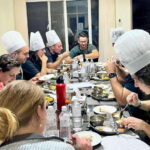
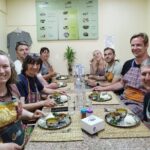
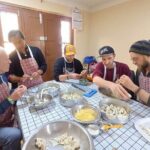
I really like the way the instruction is practical. You’re not just watching—everyone helps, cooks, and then eats what they made, with an experienced chef guiding the process and adjusting to preferences like vegetarian needs and spice level when you share that up front.
One thing to plan for: you’ll be actively cooking, so you’ll want comfortable clothes and you should arrive about 15 minutes early. Also, hotel pickup and drop-off only happen if you select that option when booking, so double-check how you’re getting to the venue.
In This Review
- Key moments worth knowing before you book
- A Thamel cooking class that turns ingredients into a real meal
- Price and what you really get for it ($5 is the hook)
- How the day runs: market shopping, then kitchen work
- Starting point and the warm-up
- Thamel cooking time (about 3–4 hours total)
- Drop-off back to the meeting area
- The market tour: learning what makes Nepali cooking taste right
- Momo making: where the skill clicks
- Dal bhat: the comfort base of Nepalese plates
- Choose your extras: starters, mains, and dessert
- Spice level and dietary needs: tell them early
- Meet the instructors and learn at your pace
- What you eat at the end: portions matter
- Getting there: pickup options and timing that prevent stress
- Who this class suits best (and who should skip it)
- Should you book this Kathmandu momo and dal bhat class?
- FAQ
- Where does the class start?
- How long is the cooking class?
- What dishes will I learn to make?
- Is hotel pickup and drop-off included?
- Do I need to bring anything?
- Is the class taught in English?
- Can the chef accommodate dietary restrictions or allergies?
- Is it suitable for kids?
- Is the class wheelchair accessible?
- How big is the group?
Key moments worth knowing before you book
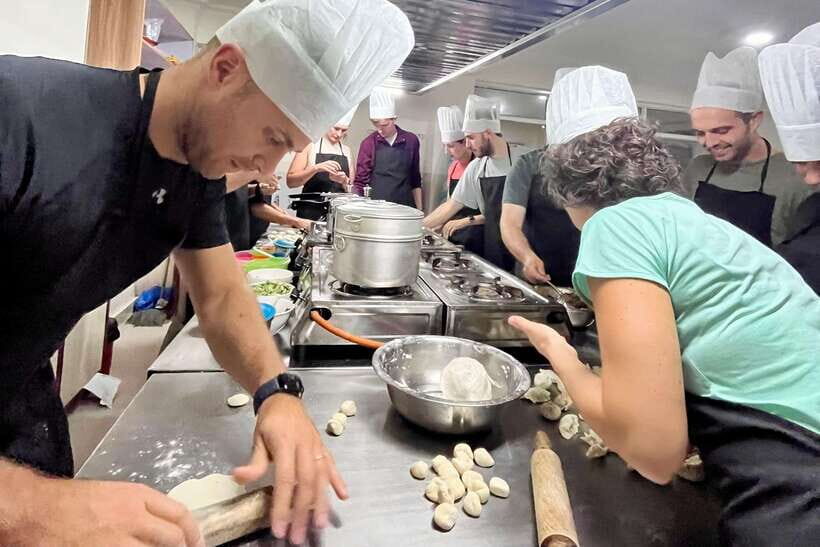
- Market tour first, so you see the ingredients before the cooking starts
- Small group (up to 10), which makes it easier to get help at the stove
- Momo + dal bhat focus, the two dishes most visitors want to nail down
- Masala tea included, a simple but authentic touch during the lesson
- English instruction, useful if you don’t speak Nepali
- Optional hotel pickup within Kathmandu Valley, for easier logistics
A Thamel cooking class that turns ingredients into a real meal
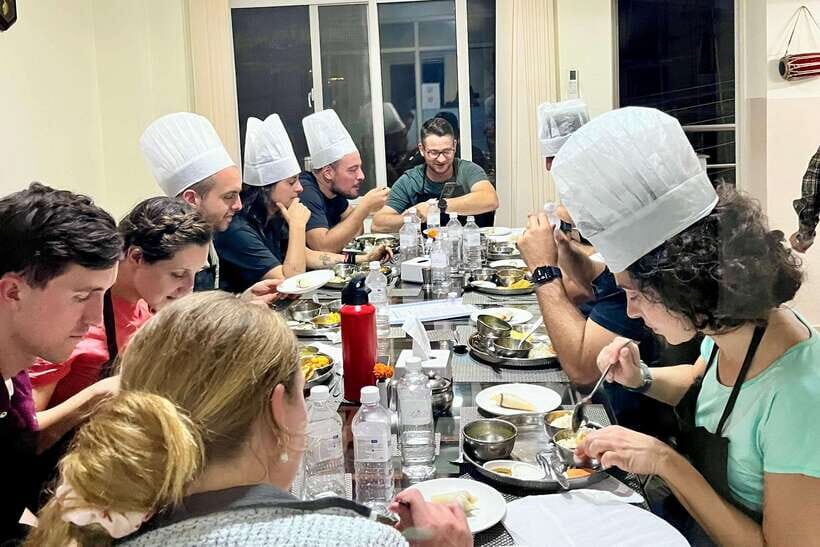
If Kathmandu has one food skill that feels both “local” and “doable,” it’s making momo. This class takes that idea seriously. You start with a quick shopping run for ingredients, then you move into a kitchen where you shape, fill, and cook your own dumplings—plus you learn how dal bhat comes together, Nepal’s staple comfort meal.
What makes it more than a tourist cooking demo is the pace. You’re guided through each step, and you get time to do the work yourself. That matters because momo isn’t hard once someone breaks it into clear parts, but it’s also not something you can fully learn from a recipe card alone.
The cooking academy is in the Thamel area, and that’s a big practical win. You’re not traveling across town for hours just to stand in a kitchen. It’s set up for short, focused sessions that fit well into a typical Kathmandu day.
You can also read our reviews of more cooking classes in Kathmandu
Price and what you really get for it ($5 is the hook)
At around $5 per person, this is one of those rare Kathmandu food experiences that feels priced for access, not for extracting maximum profit. Yes, $5 is low. But the value comes from where the effort goes: you’re paying for hands-on teaching, not just for ingredients and a seat.
Here’s the value equation that made sense to me:
- You learn core Nepal dishes (momo and dal bhat) instead of random bites
- You get help sourcing ingredients through a market/shop tour
- You get a tasting session of the food you prepared
- You leave with more than a memory—there’s often a recipe PDF provided after the class
If you like learning skills you can repeat at home, this one fits. If you’re hoping for a silent, sit-and-watch performance, you may find it too hands-on (in a good way, just be aware).
How the day runs: market shopping, then kitchen work
This experience is built around a smooth flow: you don’t bounce around the city or get lost in confusing transitions.
Starting point and the warm-up
You begin at the Kathmandu Cooking Academy. If you selected hotel pickup, you’ll be collected within Kathmandu Valley and taken to the venue. If not, you’ll make your own way and start there.
Arrive about 15 minutes early. That’s not a random instruction—it helps the class start cleanly, with time for introductions and setup before you start cooking.
Thamel cooking time (about 3–4 hours total)
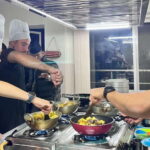
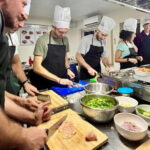
Most of your time is spent in the cooking session itself (around 3 hours is typical including the market visit). During this period, you’ll:
- shop for ingredients for the dishes you’ll make
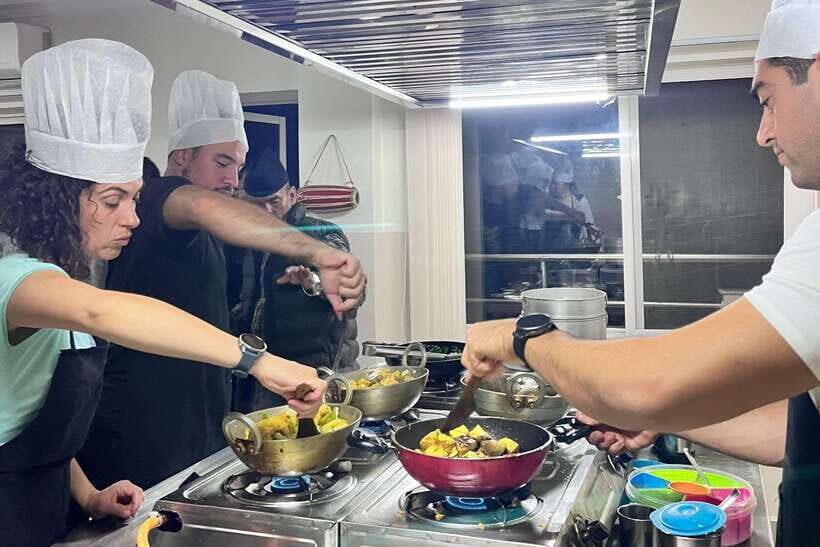
- prep and cook with the chef’s step-by-step guidance
- eat what you made as part of the lesson
A few more Kathmandu tours and experiences worth a look

Drop-off back to the meeting area
At the end, the activity finishes back at the meeting point. If you booked pickup/drop-off service, the class ends with return drop-off to one of the listed locations.
The market tour: learning what makes Nepali cooking taste right
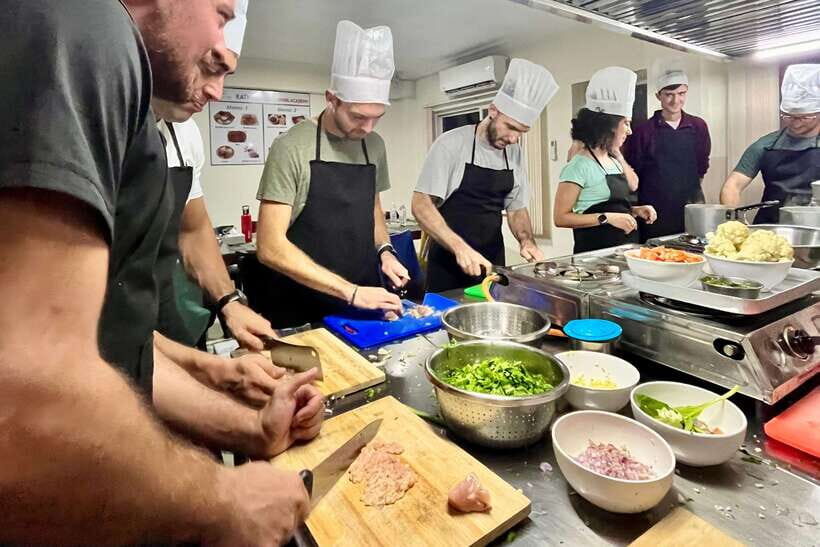
One of the best parts of Nepalese food classes is that they start with ingredients. Here, the market/shop stop helps you understand why Nepali flavor works—because spices and aromatics aren’t an afterthought.
You’re shopping for the ingredients that will show up in your dumplings and your dal bhat. That matters because once you know what you were looking for, you’ll recognize the same flavors later when you try cooking at home.
Practical tip: bring your camera. It’s listed as the only thing you’re specifically asked to bring, and you’ll likely want photos during the shopping and cooking.
Momo making: where the skill clicks
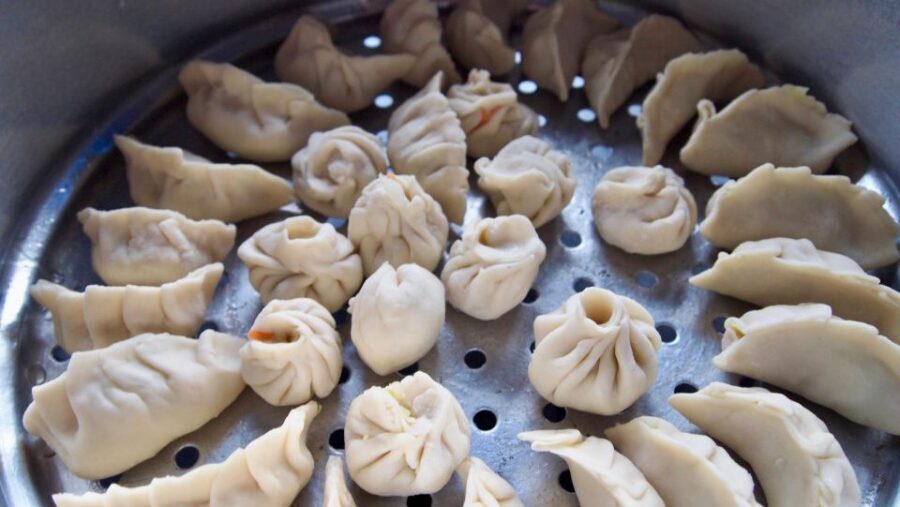
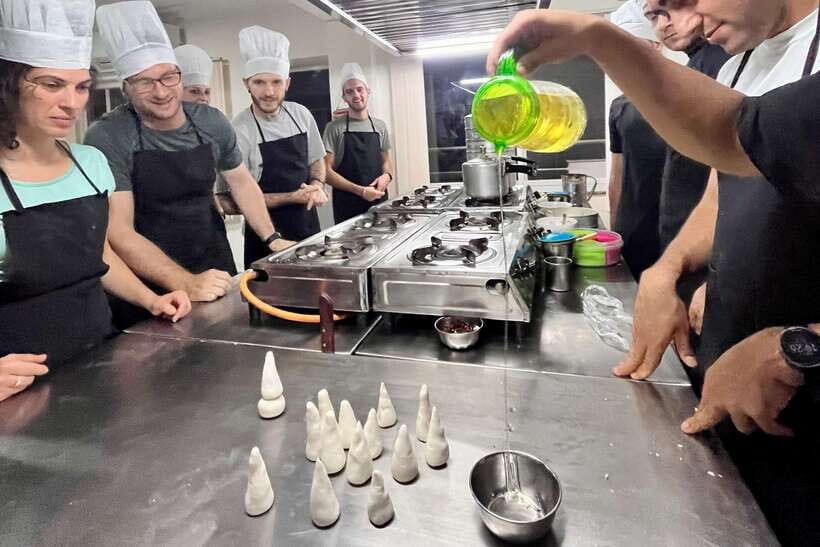
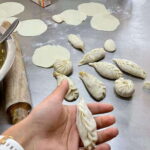
Momo is the star, and the class teaches it in a hands-on way. You’ll follow guidance from an experienced chef/instructor, and you’ll get to participate rather than just observe.
Momo lessons tend to fall into a few key skills, and this one is structured to cover them:
- getting the right filling mix
- understanding how to portion and assemble dumplings
- cooking them properly so they don’t turn soggy or miss the texture
You can also end up choosing different momo styles or protein options depending on what’s offered that day. Some classes include choices like chicken momo, but the big win is learning the technique—how the wrapper and filling come together.
And because this is a small group, you’re not stuck waiting your turn for help. If you’re new to cooking, you’ll still get patient coaching through the tricky parts.
Dal bhat: the comfort base of Nepalese plates
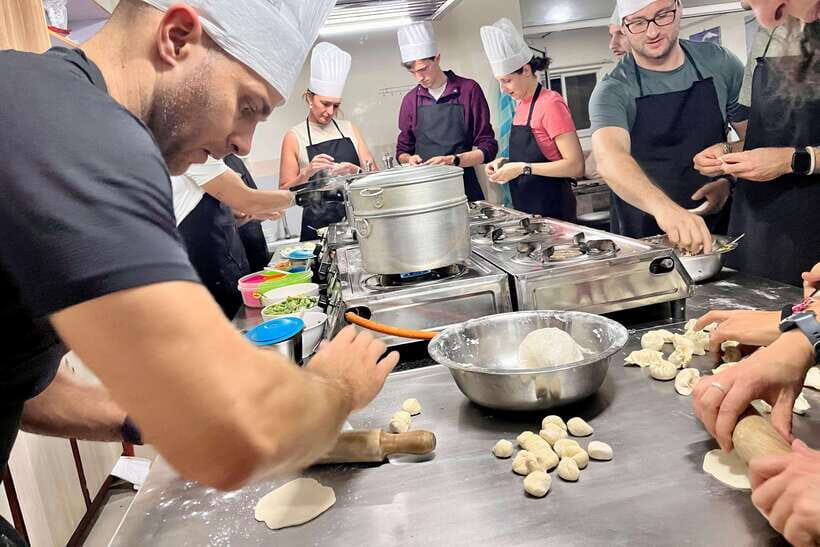
After (or alongside) the momo work, you’ll learn dal bhat, the classic Nepalese comfort meal built around lentils (dal) and rice (bhat). Dal bhat isn’t fancy, but it’s deeply satisfying—and it’s the backbone of why Nepalese home cooking tastes like home.
In class, you’ll cook your dal and rice together as part of the meal plan. You’ll also learn how seasoning and spice balance can change the whole experience. The chef guidance is important here because dal isn’t just about throwing ingredients into a pot—it’s about timing and flavor building.
What I like about this pairing (momo + dal bhat) is that it gives you two different cooking worlds:
- momo teaches hands-on technique
- dal bhat teaches everyday “build the base” flavor logic
That mix is what makes this class useful after you leave Kathmandu.
Choose your extras: starters, mains, and dessert
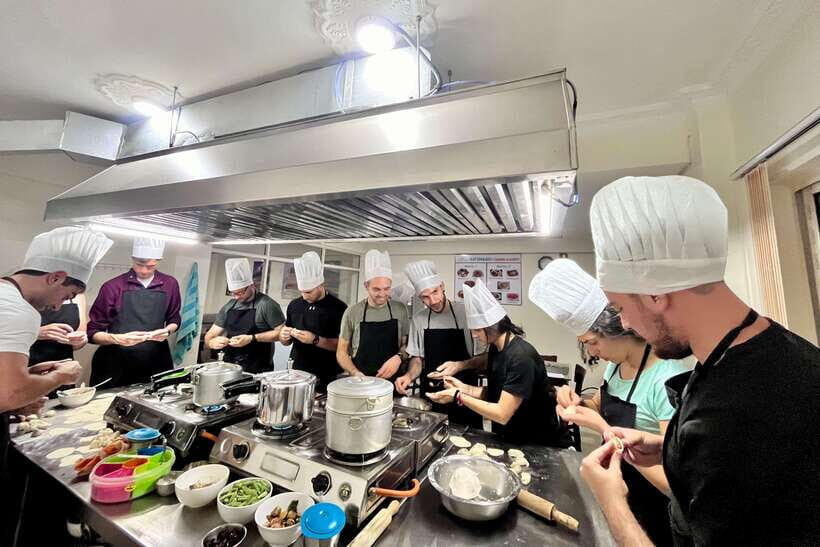
The meal format is flexible. You focus on momo and dal bhat, then you choose additional dishes to round out your plate. Depending on what’s available in your session, your extra choices might include things like:
- spiced mashed potato patties (aloo chop)
- mushroom choila
- a Nepali-style dessert such as barra
Some participants also report choosing between starter options and desserts, which is a nice way to avoid getting stuck with a single fixed menu.
Two practical reasons this matters:
- You can match the class to your tastes (including vegetarian preferences when you share them in advance).
- You get a broader picture of Nepali street-to-home cooking, not just dumplings.
Spice level and dietary needs: tell them early
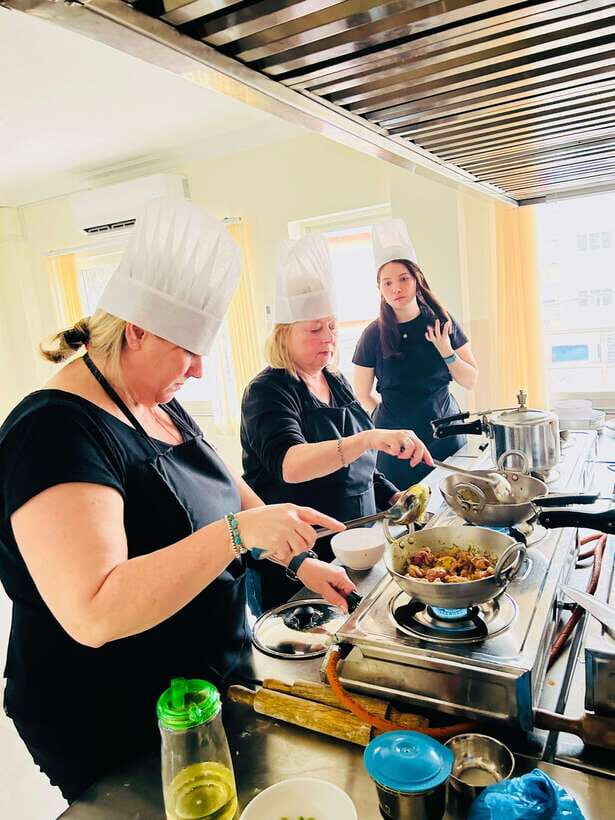
This class explicitly asks you to inform them about dietary restrictions or allergies in advance. That’s smart, and it’s not just a checkbox. When you share your needs ahead of time, you’re more likely to get a meal that works for you—whether that means vegetarian cooking or adjusting spice level.
If you’re going in with clear expectations (vegetarian, low spice, allergy needs), send the details when booking. It reduces stress and helps the chef plan what you’ll cook.
Meet the instructors and learn at your pace
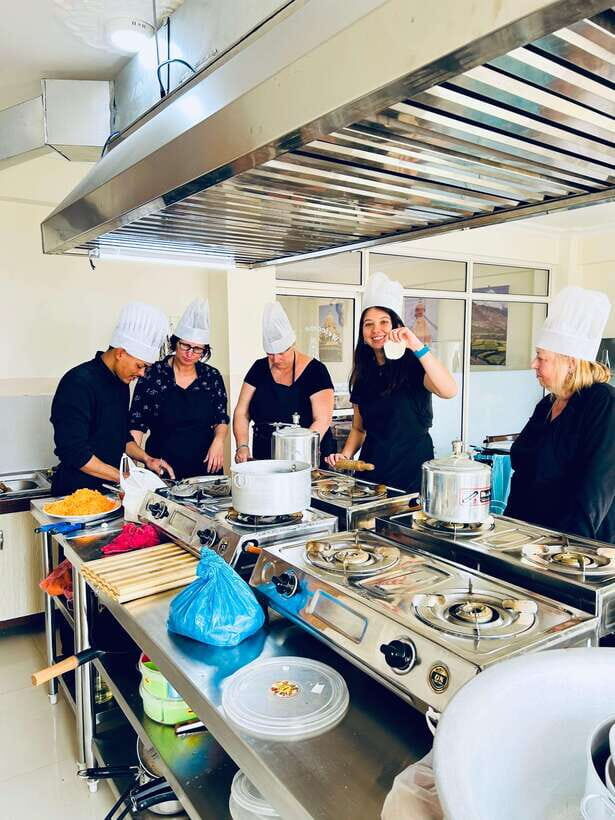
The instruction style here is friendly and patient. Several people highlight that explanations are clear, and the cooking pace works even for first-timers. One person even mentioned they had essentially a private feel when only one student was in the class, which tells you they don’t just run on rigid group numbers.
The chef and guide also bring some personality—humor and culture woven into the cooking. That’s not extra fluff. It keeps you engaged while you’re learning physical skills like dumpling shaping.
And since this is small group teaching, it’s easier to ask questions without feeling like you’re interrupting.
What you eat at the end: portions matter
You should come hungry. The class ends with a tasting session of what you prepared, and multiple people mention the quantities are generous. You’re not leaving with a couple of bites and a drink—you’re eating a real Kathmandu meal you made yourself.
Included with the lesson is Nepali masala tea during the class. It’s a simple comfort that fits naturally with spice-heavy cooking.
Getting there: pickup options and timing that prevent stress
If you want the easiest day, select hotel pickup and drop-off from Kathmandu Valley during booking. If you don’t, plan to get yourself to the Kathmandu Cooking Academy in Thamel.
Either way, timing is key:
- arrive around 15 minutes early
- wear comfortable clothes for active cooking
Because you’ll be prepping and handling food, avoid anything too formal or restrictive. If you’re short on time, Thamel’s central feel helps—you’re less likely to waste your day stuck in transit.
Wheelchair accessibility is listed, so if you have mobility needs, this is a reasonable option to ask about directly when booking.
Who this class suits best (and who should skip it)
This is a great fit if you:
- want a practical Kathmandu food skill you can repeat at home
- like learning through doing, not just watching
- enjoy dumplings and want momo technique, not a generic lecture
- want a menu with options and the chance to adjust spice level or diet
It’s also a solid choice for couples or solo travelers. Small groups keep the experience personal, and some sessions run even when the group is very small.
It may not be ideal if you:
- want a fully hands-off experience
- have very young children (the class is not suitable for children under 5)
- are traveling with someone very elderly (people over 95 are listed as not suitable)
Should you book this Kathmandu momo and dal bhat class?
If your goal is real hands-on Nepali cooking with strong instruction, I’d book it. The price-to-learning ratio is excellent, and the combination of a market tour plus cooking plus tasting gives you a complete food experience without turning your day into a long ordeal.
Book it especially if you’re the type who likes to go beyond eating and come home with a skill. The dumpling work alone is worth it, and the dal bhat base meal makes your takeaway feel grounded, not just fun.
If you’re cautious about dietary restrictions, message your needs before you arrive so the chef can adjust what you cook. And if you hate active cooking, skip this one—this experience is built around participation.
FAQ
Where does the class start?
You’ll find the Kathmandu Cooking Academy on Google Maps to reach the meeting point. If you select hotel pickup, you’ll be collected from within Kathmandu Valley.
How long is the cooking class?
It runs about 3–4 hours total, with around 3 hours typical including the market visit, prep, and cooking time. You can check availability to see the starting times.
What dishes will I learn to make?
The class focuses on momo and dal bhat, plus you can choose an additional dish to round out your meal.
Is hotel pickup and drop-off included?
Hotel pickup and drop-off is included only if you select that option during booking. Otherwise, you make your own way to the cooking venue.
Do I need to bring anything?
You should bring a camera. The class provides cooking equipment and accessories.
Is the class taught in English?
Yes. The instructor teaches in English.
Can the chef accommodate dietary restrictions or allergies?
You should inform the organizers in advance if you have dietary restrictions or allergies so they can try to accommodate your needs.
Is it suitable for kids?
Children above age 7 are welcome with adult supervision. It is not suitable for children under 5.
Is the class wheelchair accessible?
Yes, wheelchair accessibility is listed for this activity.
How big is the group?
The group is small, limited to 10 participants.