REVIEW · KATHMANDU
Kathmandu: Local Women-Led Nepali Cooking & Momo Class
Book on GetYourGuide →Operated by Relax Getaways Pvt. Ltd · Bookable on GetYourGuide
Kathmandu food class can be as fun as it is practical. In this hands-on momo and dal bhat workshop in Thamel, I love how you start from basics and leave with real skills, not just a full plate. The team at Kathmandu Cooking Academy (including Chef Bikram and staff like Nishma and Kamal) keeps things friendly, with step-by-step help while you cook.
My other favorite part is the market ingredient run. You don’t just get handed a shopping list—you get to see spices, vegetables, and meat options up close, then bring those choices right back to the kitchen to cook. One thing to consider: the class is not suitable for wheelchair users (and it’s also not suitable for visually impaired people).
In This Review
- Key things to know before you go
- Why this Kathmandu class starts in Thamel, not the kitchen
- What you cook: momo, dal bhat, and your add-on choices
- The 3-hour rhythm: tea, market, prep, cook, and taste
- How the teaching feels in a small group
- Dishes you’ll want to pay attention to (and what they teach)
- Momo: the technique behind the fun
- Dal bhat: the comfort core
- Bara, chatamari, and thukpa: texture and flavor building
- Yomari and carrot pudding: Nepali sweets without the intimidation
- Masala tea: the easy flavor lesson
- Price and value: why $9 can feel like a win
- Who this class is best for (and what might not fit)
- Practical tips that make your class smoother
- Should you book Kathmandu Local Women-Led Nepali Cooking & Momo Class?
- FAQ
- How long is the cooking class in Kathmandu?
- Where does the class take place?
- Is hotel pickup and drop-off included?
- What dishes does the class focus on?
- Can I choose vegetarian dishes?
- How do dietary restrictions and allergies work?
- What should I bring and wear?
- Is the class accessible for everyone?
Key things to know before you go
- Small group size (up to 10): more coaching and less waiting for your turn.
- Market visit in Thamel: you learn what to buy and why, before the stove heats up.
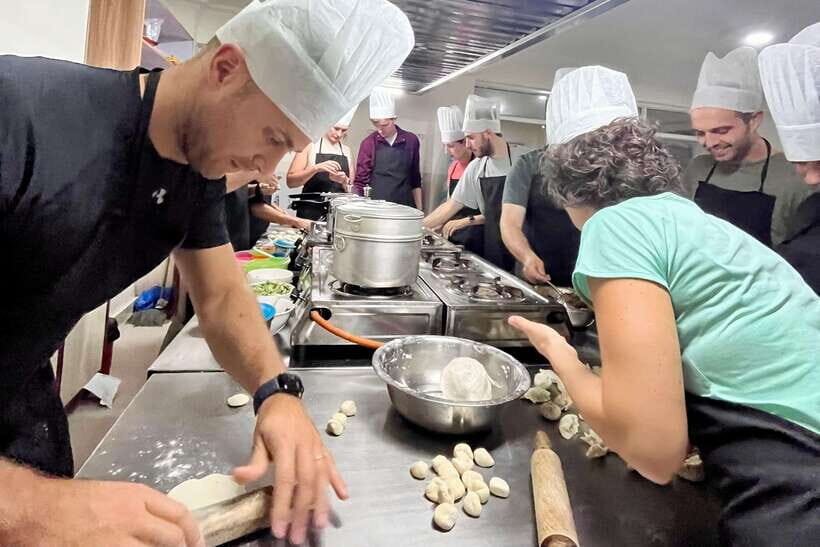
- Hands-on cooking, not just watching: step-by-step guidance with lots of making.
- Focus on momo and dal bhat: you’ll master the core Nepali meal combos, with options to add more dishes.
- Meal tasting that matches what you cook: you eat the results, plus Nepali tea during the lesson.
- Recipe book in PDF form: you can request it after the class via WhatsApp.
Why this Kathmandu class starts in Thamel, not the kitchen
Thamel is where many short-cutters in Kathmandu land first. That’s good news here, because you can fit this into a normal day without a complicated schedule. Most sessions center around Thamel and the Kathmandu Cooking Academy kitchen, with hotel pickup available if you select it.
Starting with shopping makes the whole experience click. You see the ingredients while someone explains what matters—freshness, basic spice choices, and how different items shape the flavor. It’s also an easy way to learn Nepali cooking logic: you’re not memorizing a single recipe, you’re understanding how cooks build flavor.
If you like food experiences that feel grounded (instead of staged), this is a strong match. You’re in a real neighborhood setting, walking among stalls for vegetables, spices, and optional meat, then going back to cook with what you bought.
You can also read our reviews of more cooking classes in Kathmandu

What you cook: momo, dal bhat, and your add-on choices
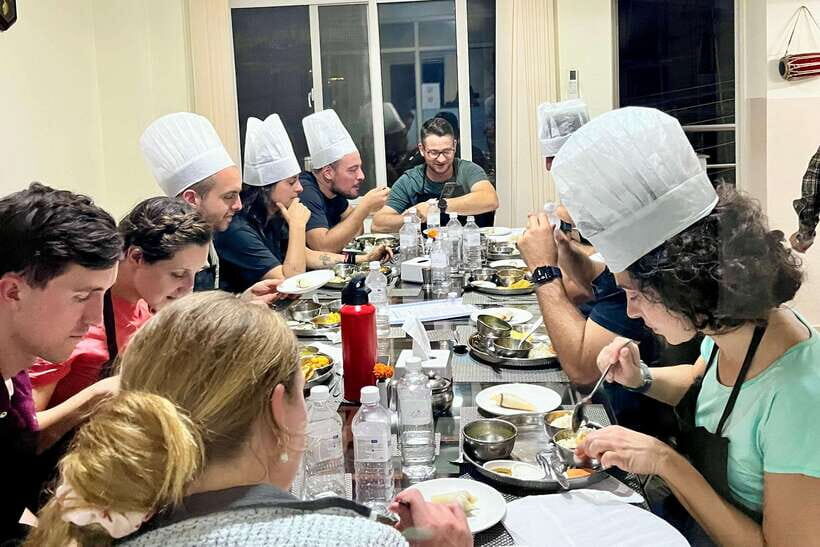
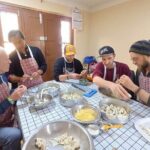
The class menu has a core that repeats: momo and dal bhat. That matters because these aren’t just random dishes on a list. They’re the backbone of what many Nepalis eat regularly—rice with lentil soup for comfort, plus dumplings for variety and fun.
You also get to choose additional dishes. Depending on your group and what’s available that day, you might make things like:
- Bara (deep-fried lentil patties)
- Yomari (sweet dumplings with jaggery and sesame)
- Chatamari (often called Nepali pizza, a flatbread topped with ingredients)
- Thukpa (noodle soup with Tibetan roots)
- Mushroom Choila (spicy marinated mushroom dish)
- A curry with roti (you may see chicken curry or similar options)
- Dessert items such as carrot pudding
- Masala tea as part of the lesson
Here’s the practical part: if you’re a beginner, repeating momo and dal bhat gives you something you can actually replicate later. And if you’re more experienced, the extra options let you explore. You can end up learning a savory dumpling technique and a lentil-rice meal structure, plus one or two other dishes for variety.
Vegetarian and meat options are offered. The key is to tell the team your preference in advance so they can plan the shopping and prep.
The 3-hour rhythm: tea, market, prep, cook, and taste
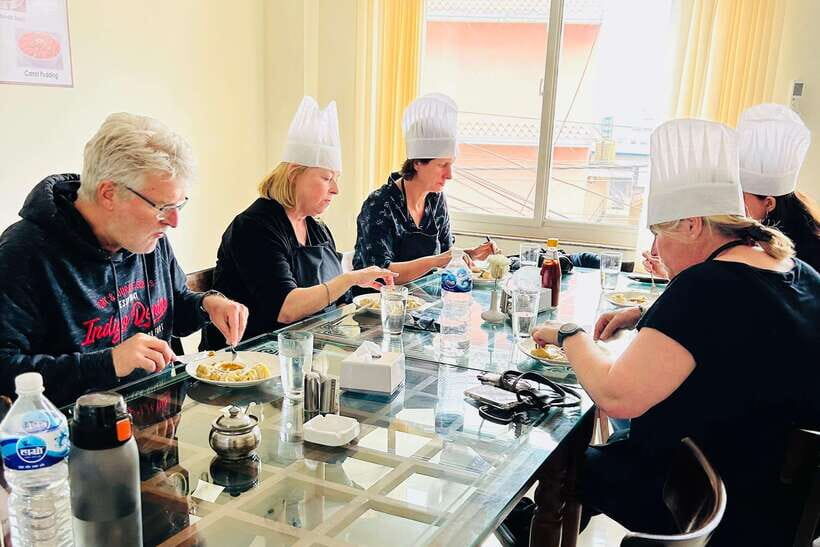
The timetable runs around 3 hours when you include everything. Exact start times vary, but the structure is consistent: tea and introductions, a market stop, then return to cook and eat.
1) Starting point and warm-up
You meet at a designated pickup point if you chose pickup, or at the meeting point option tied to your booking. In Thamel, you’ll get masala tea while the group organizes and you choose what to cook.
2) Market/shop tour
This is more than a sightseeing walk. The point is ingredient selection. You’ll buy vegetables, spices, and meat where relevant. You’ll also get a sense of how Nepali cooks think about seasoning and base flavors before the stove work begins.
3) Kitchen prep and hands-on cooking
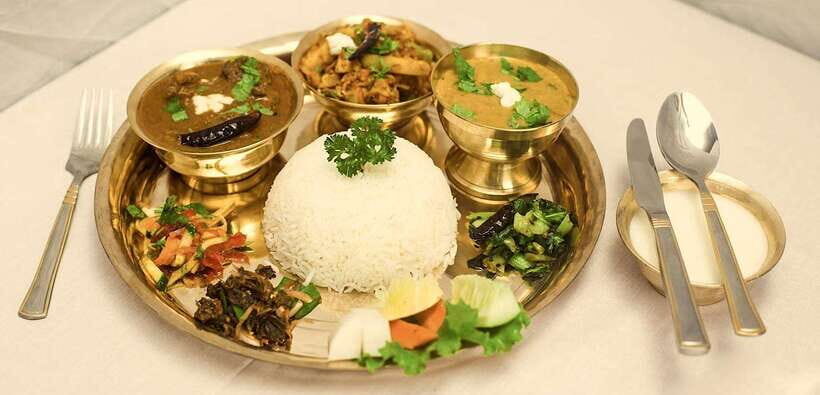
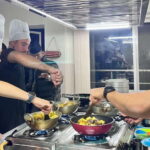
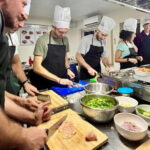
The chef and instructors walk you through the process step by step. You’ll do actual chopping, mixing, shaping, and cooking, not just stand by.
One small detail I appreciate: the instructors explain ordering and reasoning—why you do one step before another. That’s useful because cooking mistakes often happen when people rush the sequence.
4) Tasting session
At the end, you eat what you made. There’s no awkward “now you get a snack” ending—you get a proper meal feel. The class is designed so you leave full and satisfied, with the flavors you built yourself.
How the teaching feels in a small group
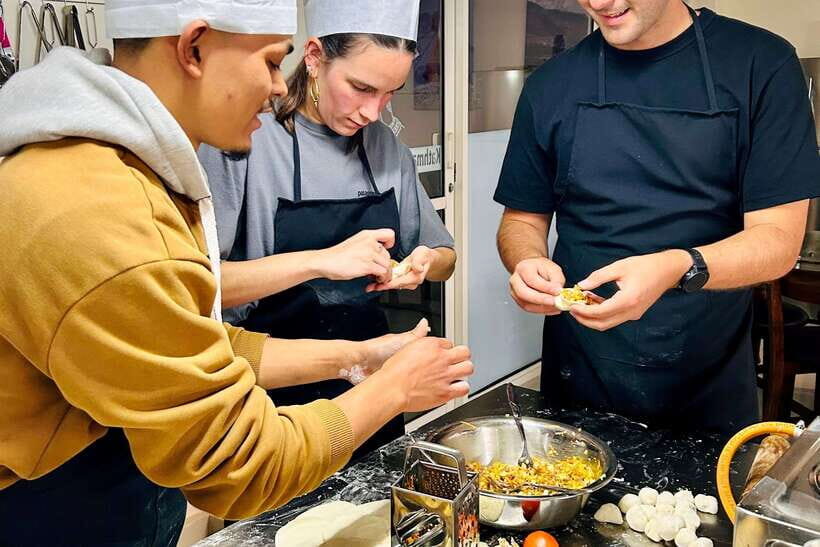
With a group limit of 10, you get real attention. In a bigger class, momo folding can turn into a chaotic line of wait-times. Here, you’re more likely to get corrections and help when your dough, filling, or folding isn’t behaving.
The vibe is patient and practical. Names like Bikram, Nishma, and Kamal come up in the experience stories, and what people respond to is the teaching style: clear guidance, personal attention when you’re stuck, and friendly answers when you ask why something works.
It also helps that English instruction is available. If you’re not a confident speaker, you’re still able to follow along—most of the learning is visual and hands-on, with explanation layered in.
Another plus: the kitchen is kept clean and well organized. That sounds basic, but it affects everything. When you’re chopping and cooking for real, clean stations make the whole day feel smoother.
Dishes you’ll want to pay attention to (and what they teach)
Even with multiple dish options, the class tends to teach a few repeat skills. Here’s what to watch for so you leave with usable takeaways.
A few more Kathmandu tours and experiences worth a look

Momo: the technique behind the fun
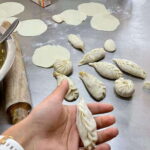
Momo is the headline. You’ll learn how to choose fillings (often chicken or vegetarian), then how to shape and cook the dumplings. You may see different momo designs explained, and you’ll likely discover that small changes in folding can affect how neat the dumplings look.
Even if your first batch doesn’t look like a professional, the class is still worth it because you learn the method. And you get to eat the results, which makes practice far less stressful.
Dal bhat: the comfort core
Dal bhat is rice with lentil soup, built around spices. This teaches you how to balance a soup base and how rice and dal come together as a meal. If you want to cook one “anchor” meal at home, this is the one to memorize.
Bara, chatamari, and thukpa: texture and flavor building
If you pick bara, you’ll learn about crisp outside/soft inside texture and how lentil batter performs when fried. Chatamari adds a different skill: assembling toppings on a flatbread-style base. Thukpa teaches soup structure—noodles, broth, and seasoning timing.
Yomari and carrot pudding: Nepali sweets without the intimidation
Dessert usually feels intimidating in cooking classes. Here, sweets like yomari (jaggery and sesame dumplings) and carrot pudding show up as approachable contrasts to the savory dishes. You get a clearer picture of how Nepali sweets build flavor without needing fancy equipment.
Masala tea: the easy flavor lesson
Masala tea is included during the lesson. Even if you don’t take notes, you’ll learn that Nepali tea blends black tea with spices for warmth and aroma. It’s the kind of drink that makes the market-to-kitchen flow feel complete.
Price and value: why $9 can feel like a win
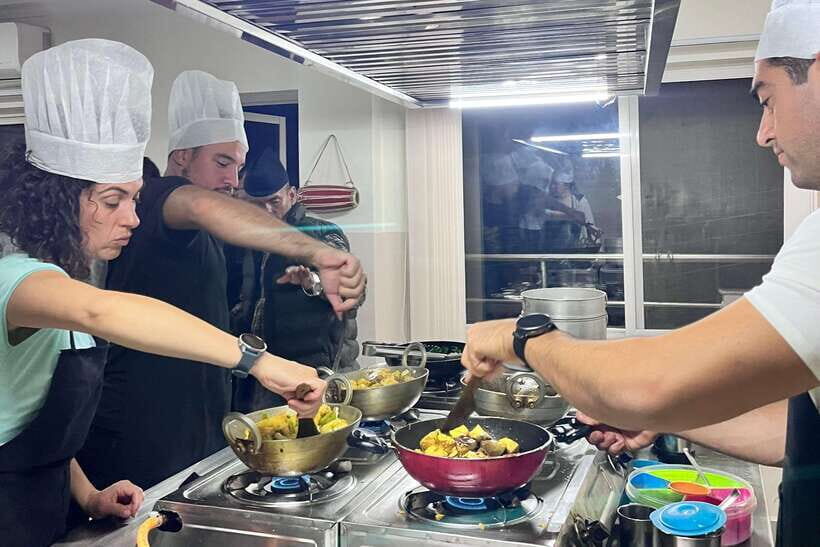
At $9 per person, this stands out for what you actually get. The class isn’t just a single dish. You’re typically cooking multiple dishes (with choices), doing ingredient shopping, and eating the full meal afterward. You also get equipment access and a tasting session included in the price.
Think about what’s folded in:
- Step-by-step cooking instruction
- Market ingredient tour
- Cooking equipment and accessories
- Food tasting of what you prepare
- Masala tea during the lesson
- Optional hotel pickup/drop-off if you choose it
For budget-minded visitors, this is one of those Kathmandu activities that doesn’t feel like a watered-down “tourist version.” You’re paying for instruction and for a meal outcome. The small group size also supports that value—more help tends to mean fewer mistakes and more confidence by the end.
You’ll still want to set expectations right. It’s a cooking class, but the menu focus keeps returning to momo and dal bhat. If you’re looking for a class that covers only desserts, only regional specialties, or only advanced technique, you might find the shared structure limits your options. For most people, though, that structure is exactly why it’s a good first cooking class.
Who this class is best for (and what might not fit)
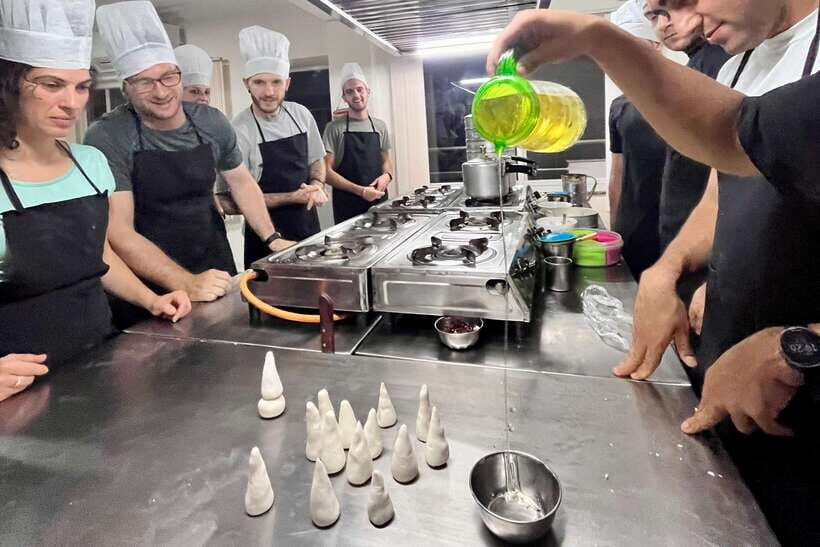
This workshop is ideal if you:
- Want real cooking practice, not just watching
- Like learning by making, tasting, and repeating steps
- Are curious about Nepali everyday food like momo and dal bhat
- Want vegetarian options as well as meat choices
- Prefer small groups with patient teaching
It’s less ideal if:
- You use a wheelchair or need full accessibility support (the class is not suitable for wheelchair users)
- You are visually impaired (it’s also not suitable for visually impaired people)
- You want a quiet, seated experience rather than active prep and cooking
Also keep in mind that you should arrive on time. The class is planned to run smoothly, and they ask you to arrive about 15 minutes early so the start doesn’t get rushed.
Practical tips that make your class smoother
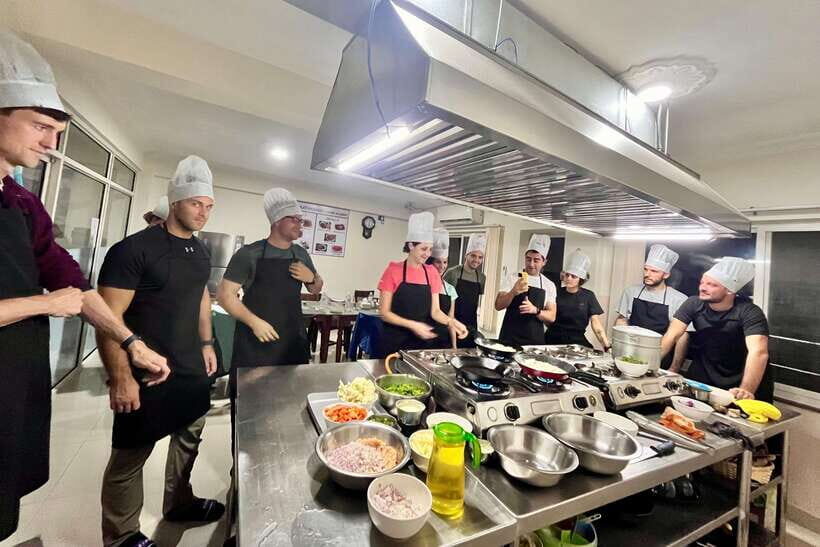
Bring a camera, because you’ll likely want photos of your dishes and the kitchen setup. Wear comfortable clothing for cooking. You’ll get aprons and cooking equipment, but you still want clothes you can move in.
If you have dietary needs, tell the team in advance. The class supports dietary preferences when you communicate them, and you may be able to adapt choices to match restrictions like vegetarian needs (and other specific requests). The more specific you are, the easier it is for them to plan market stops and ingredient prep.
If you’re hoping to take recipes home, know how it works. There’s no automatic printed recipe package included. Instead, you can request a PDF recipe book after the class via WhatsApp. Physical books are available for purchase at an additional cost.
Should you book Kathmandu Local Women-Led Nepali Cooking & Momo Class?
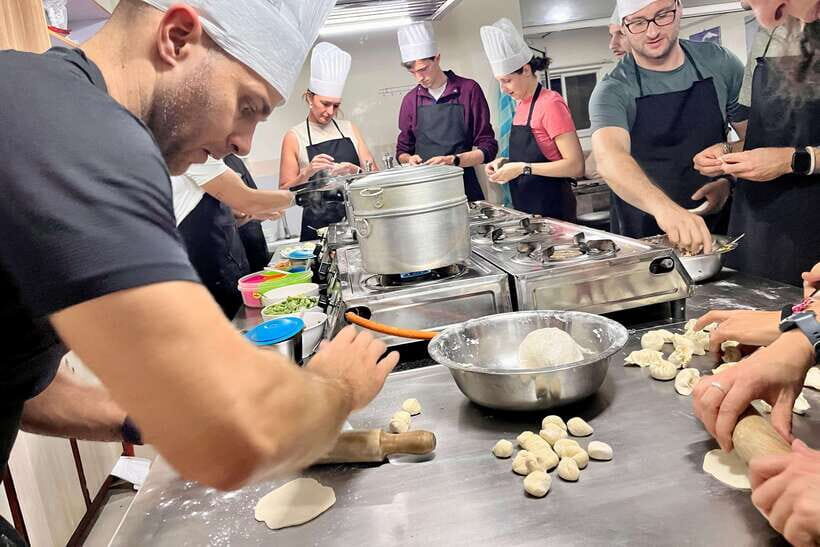
I think you should book it if you want a high-value Kathmandu food experience with hands-on learning, a market visit, and an included meal you helped cook. The $9 price point is hard to beat given the market-shopping component and the instruction time, especially with a small group limit.
Book it sooner if you’re visiting around the time your schedule allows, since start times depend on availability and the class runs about 3 hours. If you need accessibility accommodations, double-check suitability before you commit.
For most visitors to Kathmandu, this is one of those activities that turns food curiosity into a practical skill you can use again at home.
FAQ
How long is the cooking class in Kathmandu?
The experience lasts about 3 hours, including the market visit, cooking, and tasting. The listed duration can be 2–4 hours depending on the starting time available.
Where does the class take place?
The session centers around Thamel, with the cooking class at Kathmandu Cooking Academy. Pickup and the exact meeting point can vary by the option you book.
Is hotel pickup and drop-off included?
Hotel pickup and drop-off are included if you select the pickup option. Pickup is available from within Kathmandu, and you’ll need to share your hotel details when booking.
What dishes does the class focus on?
The class focuses on momo and dal bhat as the main dishes. You can also choose additional Nepali dishes.
Can I choose vegetarian dishes?
Yes. Vegetarian options are offered, and you can select your preferred dishes in advance.
How do dietary restrictions and allergies work?
Let the academy know about dietary restrictions and preferences ahead of time so they can plan the market ingredients and cooking. Inform them of any allergies or medical conditions prior to the class.
What should I bring and wear?
Bring a camera. Wear comfortable clothing for cooking. Aprons and equipment are provided.
Is the class accessible for everyone?
No. The experience is not suitable for wheelchair users and it’s also not suitable for visually impaired people.