REVIEW · KATHMANDU
Traditional Nepali Momo Making Classes
Book on Viator →Operated by Classic Nepal · Bookable on Viator
If you can fold dumplings, you can make momos. This traditional Nepali cooking class at Namaste Cooking School in Thamel starts with a warm masala chai welcome, then walks you through filling, shaping, and cooking like a local would. It’s also run by women focused on Nepal’s indigenous culinary roots, with ingredient sourcing tied closely to nearby farmers.
I love the hands-on pacing. You don’t just watch; you get your hands on the dough and filling and learn techniques that make a difference in taste and texture. I also like that you leave with something practical: a Namaste Cooking School Recipe Book you can actually use at home, not just a vague set of memories.
One possible drawback: this experience is marked as weather-dependent. If Kathmandu weather isn’t cooperating, your class could be moved or adjusted, so plan a little flex time.
In This Review
- Key things to know before you go
- Namaste Cooking School in Thamel: a short, friendly intro to Nepali cooking
- 90 minutes from chai to momos: what the schedule feels like
- The spice lesson that actually helps you cook later
- Ingredients tied to local farmers: where the flavor comes from
- Lunch is included, and it’s part of the lesson
- Group size and English instruction: comfortable even if you’re nervous
- Price and value: $18 is a bargain if you want real technique
- Your recipe book takeaway: the souvenir that keeps paying off
- Who this momo class is best for
- Should you book Namaste Cooking School’s Traditional Nepali Momo Making Class?
- FAQ
- What time does the momo making class start?
- How long is the Traditional Nepali Momo Making Class?
- Is lunch included?
- Where is the meeting point in Kathmandu?
- Is the class taught in English?
- How many people are in the group?
- Do I get something to take home?
- What if the weather is poor?
- Can I cancel for a full refund?
Key things to know before you go
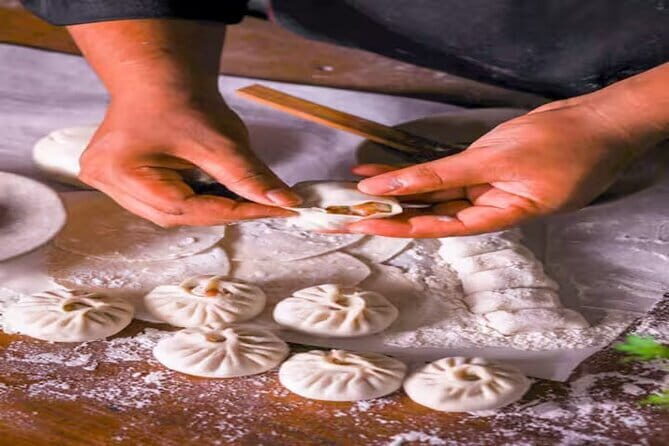
- Thamel location, small group size: typically up to 16 people, so it doesn’t feel like a production line.
- Chai first, then menu: you start with masala chai and then choose your menu before cooking.
- Spice basics, not just instructions: you get an overview of the regional spices behind Nepali momo flavor.
- Hands-on shaping and learning by doing: you practice the process instead of watching from across the room.
- Lunch included: you’re not leaving hungry after the lesson.
- Recipe book takeaway: you get a keepsake designed to help you recreate the food later.
Namaste Cooking School in Thamel: a short, friendly intro to Nepali cooking
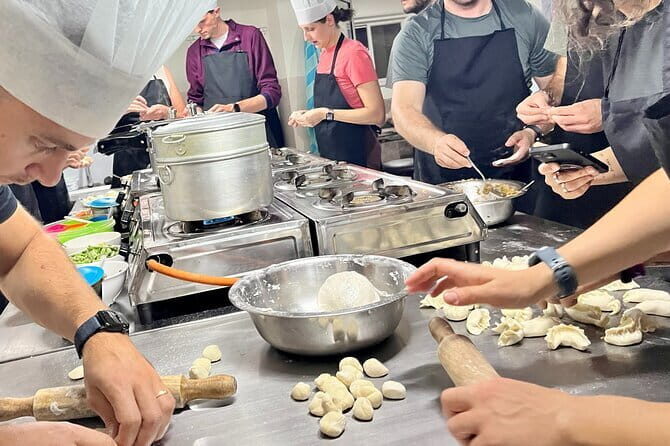
Kathmandu’s Thamel is easy to reach, and this class is set right in the middle of it. The upside for you is simple: you can slot it into an afternoon without turning your day into logistics. The meeting point is Bhagwati Marg, Kathmandu (44600), and the activity ends back there, which keeps things low-stress.
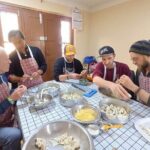
This is also a small-class format (up to 16 people). That matters more than it sounds. When the room is smaller, you get more time to ask questions about dough texture, filling consistency, and the little shaping moves that keep momos from opening up during cooking. It’s the difference between learning a recipe and learning a technique.
A nice extra detail from past experiences: the kitchen setup can include rooftop-style views of Kathmandu. Even if you’re focused on cooking, a bit of skyline air makes the whole session feel like a real break from the usual sightseeing loop.
A few more Kathmandu tours and experiences worth a look


90 minutes from chai to momos: what the schedule feels like
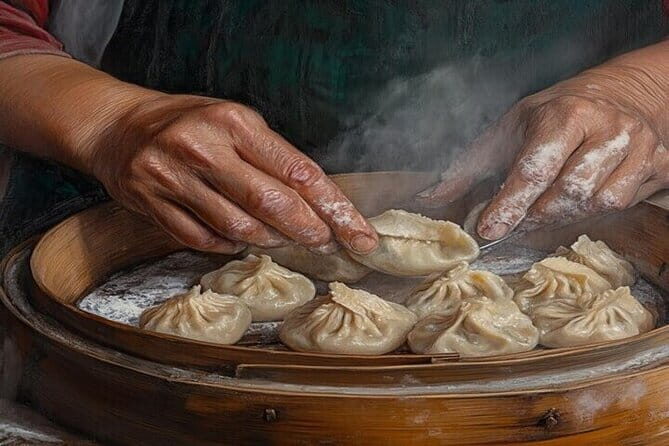
The class runs about 1 hour 30 minutes and typically starts at 12:30 pm. That timing is ideal if you want lunch but you’d rather earn it than order it.
Here’s how the flow works, step by step:
First, you’ll get a warm welcome and a traditional cup of masala chai. It’s not just a drink; it’s a reset button. You start relaxed, you meet the instructors, and you’re already in the mood for Nepal’s flavors.
Next comes menu selection. You choose from the school’s momo menus, and they ask about dietary restrictions or allergies. This is smart planning on their side, and it helps you keep your lunch safe and satisfying.
Then you’ll get an introduction to Nepali spices tied to momo flavors. This part is easy to skip in many cooking classes, but I think it’s one of the most useful sections for you. Once you understand the spice logic, you can adjust flavors later at home instead of following a list blindly.
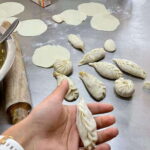
Finally, you move into the hands-on cooking session. This is the core experience: you make your momos with guidance, learn by doing, and practice shaping until it looks like what you came for.
The spice lesson that actually helps you cook later
A momo tastes like more than dumplings. It’s spices, aroma, and balance. In this class, you’re given an overview of the regional spices integral to Nepali momo cuisine, before you start working.
For you, that means you’ll know what to pay attention to while you cook:
- how the spice profile should smell when it’s being worked into the filling or sauce
- why certain spices show up more often in Nepali-style cooking than in other dumpling traditions
- how to reason your way through flavor if something feels too mild, too sharp, or too flat
This is also where the women-run focus of the school comes through. Their mission is to preserve indigenous Nepali culinary heritage, and that translates into teaching you the “why,” not only the “do this next.”
If you’re worried about being a beginner, don’t. You’re not expected to arrive with perfect knife skills or dumpling experience. The class is built around learning the basics in real time.
Ingredients tied to local farmers: where the flavor comes from
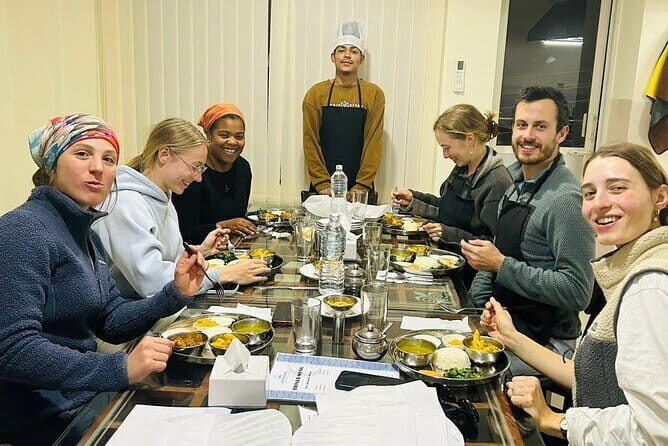
One standout theme is authenticity through sourcing. The school emphasizes ingredient sourcing directly from local farmers, aiming for true Nepali flavors rather than generic or imported shortcuts.
That matters because momo filling isn’t just about dumplings. It’s about how the ingredients taste after cooking: the freshness of herbs, the bite of aromatics, and the way spices behave when they hit heat. When ingredients are sourced locally with that goal in mind, the end result tends to taste more like Nepal and less like a global compromise.
You don’t have to know farming supply chains to appreciate this. You just notice it on your plate and remember it when you try to cook later.
Lunch is included, and it’s part of the lesson
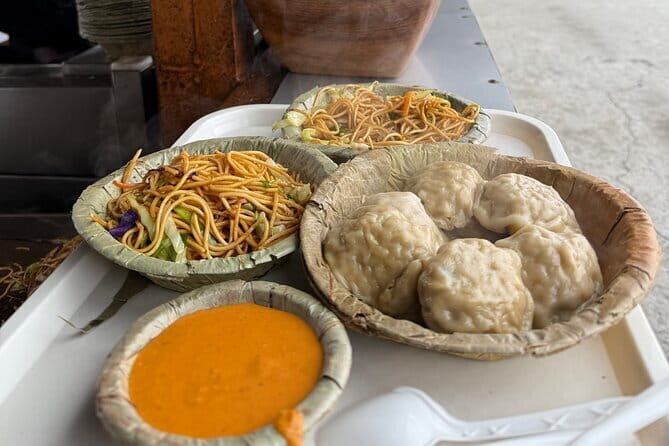
This experience includes lunch. That’s a big value point, because $18 for a guided class can sound like “paying for activity,” until you see that you’re also eating what you make.
Most classes here center on momo menus, and hands-on sessions typically involve vegetable momos. In other words, you’re not standing by while someone else eats and you just snack on the idea. You finish the course and then you get lunch as part of the overall experience.
You’ll also start with masala chai. If you don’t drink it, you may be offered an alternative tea option during the class. The key is that they ask about preferences and allergies during the menu selection stage, so speak up early.
One practical tip: show up a little hungry. You want your energy for dough work. Also, don’t plan a huge meal right before. A momo class is fun, but it’s still a food-making workout.





Group size and English instruction: comfortable even if you’re nervous
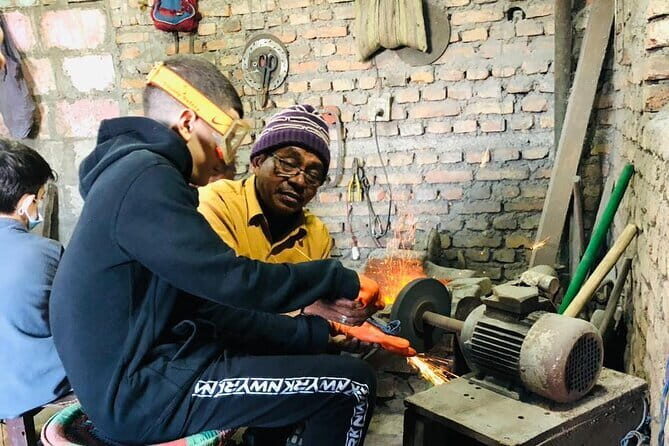
The class is offered in English, which helps you follow technique without guessing. With up to 16 people, instructors can still manage questions without rushing you out.
If you tend to get shy in group settings, this class format can feel friendly. Many cooking lessons focus on output; this one focuses on teaching the process. The instructors are patient and guide you through what to do, including those shaping steps people often struggle with the first time.
A few past sessions specifically mention instructors such as Sushila and Sabita as key teachers. If they’re on your day, you’re likely to get clear instruction and a warm, encouraging approach.
Price and value: $18 is a bargain if you want real technique

At $18 per person, this class is priced like a small cultural activity, not a premium workshop. What makes it feel like good value is what you get bundled in:
- English instruction
- lunch included
- hands-on cooking time
- an ingredient/spice overview
- and a recipe book to take home
If you were to pay for a restaurant meal in Thamel, you’d get food and maybe the satisfaction of eating. Here, you get food plus repeatable skills. That turns the cost into something you can use again.
Also, booking demand is real. This experience is often booked about 8 days in advance. If you’re traveling in peak season or you’re aiming for a specific day, I’d reserve ahead so you don’t end up eating momos somewhere else out of desperation.
Your recipe book takeaway: the souvenir that keeps paying off
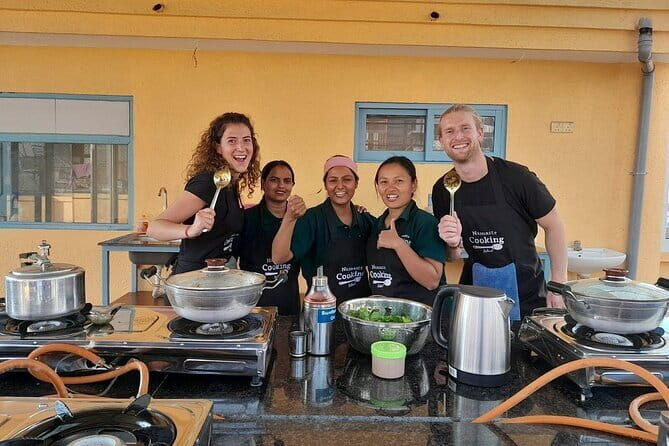
You’ll receive a Namaste Cooking School Recipe Book after the class. This is one of the best parts for practical travelers, because it reduces the “I ate something great once” problem.
When you get home, your memory fades fast—especially for spice blends and shaping steps. Having a written guide helps you recreate the technique, not just the idea of it.
If you like cooking even a little, you’ll find it useful. If you don’t cook, it can still be fun to browse and try one or two parts later.
Who this momo class is best for
This is a great match if you want:
- a short, structured cultural experience in Kathmandu
- an easy lunch plan that doesn’t rely on restaurant luck
- hands-on instruction rather than passive sightseeing
- a beginner-friendly way to learn Nepali flavors
It also works well for families. One family experience highlighted that even an 8-year-old ended up enjoying the class after starting uncertain. That points to a teaching style that can handle a mixed group, at least in the sense of keeping things approachable.
Who might not love it:
- If you only want a full-day deep training in cooking, 1 hour 30 minutes might feel short.
- If you hate weather-related uncertainty, remember the experience is marked as weather-dependent. It’s usually a safe bet in Kathmandu, but still, keep a little flexibility.
Should you book Namaste Cooking School’s Traditional Nepali Momo Making Class?
Yes, I think you should book it if you want a genuine taste of Kathmandu that’s more than eating. This class hits the sweet spot: short timing, small group feel, real technique, and lunch included.
Book it especially if you’re the kind of traveler who likes to return home with a skill. The spice overview and recipe book make it easier to cook again instead of just collecting photos.
Skip it only if you’re the type who wants a long, slow cooking retreat or you can’t handle any possibility of weather disruption. Otherwise, this is a smart value play for a practical afternoon in Thamel—chai to start, momos to finish, and a guide you can keep using.
FAQ
What time does the momo making class start?
The class starts at 12:30 pm (local time).
How long is the Traditional Nepali Momo Making Class?
It lasts about 1 hour 30 minutes.
Is lunch included?
Yes. Lunch is included.
Where is the meeting point in Kathmandu?
The meeting point is Bhagwati Marg, Kathmandu 44600, Nepal.
Is the class taught in English?
Yes. English is offered.
How many people are in the group?
The class has a maximum of 16 travelers.
Do I get something to take home?
Yes. You receive a Namaste Cooking School Recipe Book after the course.
What if the weather is poor?
The experience requires good weather. If it’s canceled due to poor weather, you’ll be offered a different date or a full refund.
Can I cancel for a full refund?
You can cancel up to 24 hours in advance for a full refund. If you cancel less than 24 hours before the start time, the amount paid will not be refunded.