REVIEW · KATHMANDU
Nepal Highlights Tour: 5 Nights 6 Days Kathmandu & Pokhara Tour
Book on Viator →Operated by Breakfree Adventures Pvt. Ltd. · Bookable on Viator
Some places hit fast. Nepal’s does.
This Nepal Highlights Tour packs the big emotional beats in just 6 days: Kathmandu’s UNESCO temples and squares, then Pokhara’s lake-country calm and a Himalayan sunrise from Sarangkot. I like that you’re not just moving between viewpoints, you’re also getting context around the Hindu and Buddhist sites you pass every day.
Two things I especially like are the Kathmandu UNESCO day (Patan Durbar Square, Swayambhunath, Pashupatinath, and Boudhanath in one run) and the Sarangkot sunrise set-up that’s designed around seeing the mountain show. One thing to consider: a lot of the value here is time-sensitive, so you’ll want to be ready for early mornings and an overland drive schedule.
In This Review
- Key points before you go
- A tight route that balances big sights and breathing room
- Day 1: Arrive in Kathmandu with a real landing plan
- Kathmandu City Tour: Patan, Swayambhunath, Pashupatinath, and Boudhanath
- Patan Durbar Square: craftsmanship and royal-era leftovers
- Swayambhunath (Monkey Temple): a hilltop view with living energy
- Pashupatinath: the Hindu holy river atmosphere
- Boudhanath: a major Buddhist stupa with a calming rhythm
- A small heads-up about entrance fees
- Getting to Pokhara by tourist bus: when the journey becomes part of the day
- Day 4: Sarangkot sunrise and Pokhara’s top sights in one go
- Sarangkot sunrise: why this stop matters
- World Peace Stupa: calm views with a modern purpose
- Davis Fall: famous name, real flow
- Gupteshwor Cave: a change of pace into the earth
- Suspension Bridge and Lord Shiva temple: easy walking, strong vibe
- Day 5: the return drive to Kathmandu, minus the guesswork
- Day 6: fly out with the tour already done
- What you’re really paying for: $572.12 per person and the value math
- Included
- Not included
- How organization and guides shape the experience
- Group size and your freedom to wander
- Who this tour suits best (and who might want to adjust)
- Tips to make the most of every day
- Should you book the Nepal Highlights Tour?
- FAQ
- How long is the Nepal Highlights Tour (Kathmandu & Pokhara)?
- Which cities does the itinerary include?
- Is airport pickup and drop-off included?
- Does the tour include hotel accommodation?
- Are city tours and guides included?
- Which UNESCO World Heritage Sites are visited in Kathmandu?
- Is there a sunrise experience included?
- Are entrance fees included for sightseeing?
- Can the booking be changed or refunded after purchase?
Key points before you go
- UNESCO in one Kathmandu day: Patan Durbar Square, Swayambhunath, Pashupatinath, and Boudhanath, handled in a logical loop.
- Sarangkot sunrise planning: you start at dawn to maximize your chances of clear views over the Himalayas.
- Pokhara highlights beyond the obvious: World Peace Stupa, Davis Fall, Gupteshwor Cave, Suspension Bridge, and more.
- All transfers handled: airport pickup/drop-off and air-conditioned tourist bus transfers are included.
- You budget smartly: entrance fees are not included, so you’ll want a little cash/card ready for temple and site charges.
A tight route that balances big sights and breathing room
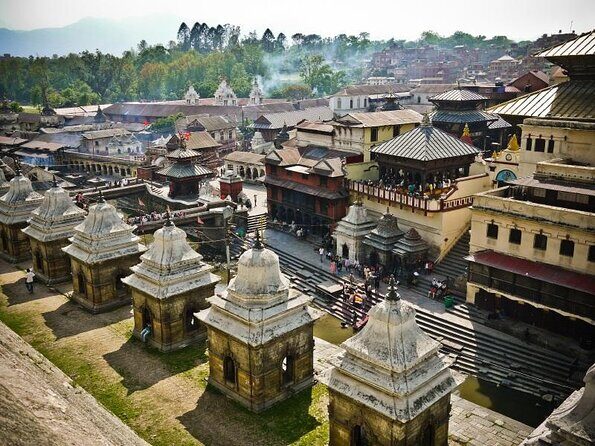
This tour is built for people who want major Kathmandu history plus Pokhara scenery without spending your time figuring out logistics. You get airport transfers, hotels in both cities with breakfast included, and guided sightseeing days that follow a sensible flow.
The pacing is also the main reason this works. Kathmandu gets one full city day that hits four UNESCO locations. Pokhara gets a dawn moment, then a packed sightseeing afternoon. You still have free time blocks on most days, so you can grab snacks, do light wandering, or just sit and watch life go by.
A few more Kathmandu tours and experiences worth a look
Day 1: Arrive in Kathmandu with a real landing plan
On arrival day, you meet at the airport and transfer to your hotel. After that, the rest of the day is free to explore on your own, which is exactly what I recommend for a first day in a new city.
Why that matters: Kathmandu traffic and navigation can be chaotic early on. Giving you time to walk, find your bearings, and sort out simple needs (ATM, water, a local SIM if you want one) makes the next days much easier.
Practical tip: Kathmandu evenings can be busy and sometimes a bit noisy. If you’re sensitive to early starts later, ask your hotel about a quieter room location when you check in.
Kathmandu City Tour: Patan, Swayambhunath, Pashupatinath, and Boudhanath
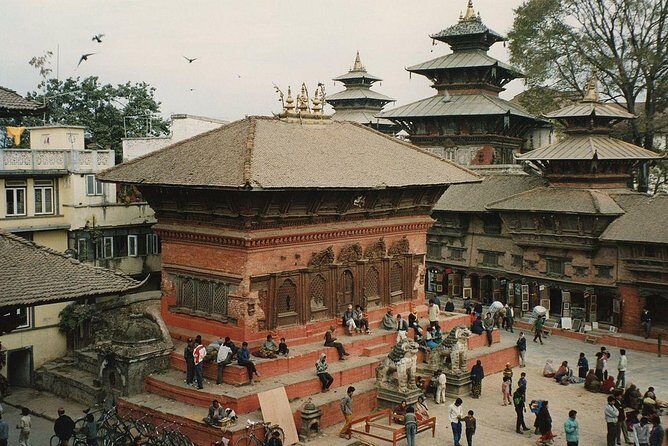
This is the tour’s cornerstone day. Your guide brings you to four UNESCO World Heritage Sites, each with a totally different feel.
Patan Durbar Square: craftsmanship and royal-era leftovers
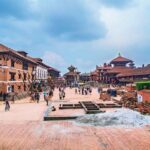
Patan Durbar Square is known for its historic palaces and temples. Even if you don’t go deep into dates, you can see how the city’s identity is built into stonework, courtyards, and carved details.
What I like for you here: Patan often feels a bit more relaxed than the busier parts of Kathmandu, so you can slow down and actually look.
Swayambhunath (Monkey Temple): a hilltop view with living energy
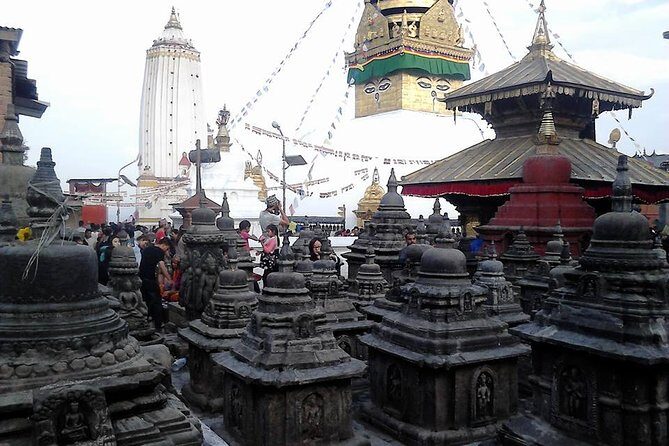
Swayambhunath sits up on a hill, and that altitude changes the experience. Views open up as you climb, and the whole place feels active without being rushed.
The monkey part is real, but your biggest takeaway is the blend of sacred space and everyday movement. Keep your phone secure, and don’t feed animals.




Pashupatinath: the Hindu holy river atmosphere
Pashupatinath is the Hindu temple complex on the banks of the Bagmati River. The setting matters. You’re not just looking at architecture; you’re watching ritual life tied to the river.
This is one of those stops where a guide helps. Even when you’re respectful and observant on your own, having context on what you’re seeing makes the visit feel less like sightseeing and more like understanding.
Boudhanath: a major Buddhist stupa with a calming rhythm
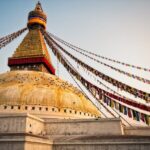
Boudhanath is the largest Buddhist stupa inside Kathmandu. If Pashupatinath is river-driven and immediate, Boudhanath is more meditative in tone.
In practice, you’ll likely spend time just watching people move around the stupa. It’s a simple action with a lot of meaning, and it’s one of the most memorable moments of the whole itinerary.
A small heads-up about entrance fees
Entrance fees during Kathmandu sightseeing aren’t included in your tour price. So while the sites are guided and organized, you’ll still want to budget a little for ticketed access or offerings where required.
Getting to Pokhara by tourist bus: when the journey becomes part of the day
Day 3 is an early drive from Kathmandu to Pokhara by tourist bus, with drop-off at your hotel. In a tour like this, the real question is not whether you travel, it’s whether you lose the whole day doing it.
Here, you do lose the morning to the road, but you still get a free afternoon in Pokhara. That’s a smart trade because Pokhara is a place where you actually enjoy the slow hours: lakeside strolls, casual cafés, and easy conversation.
Practical note: road travel times can vary. If you’re prone to motion sickness, bring what works for you.
Day 4: Sarangkot sunrise and Pokhara’s top sights in one go
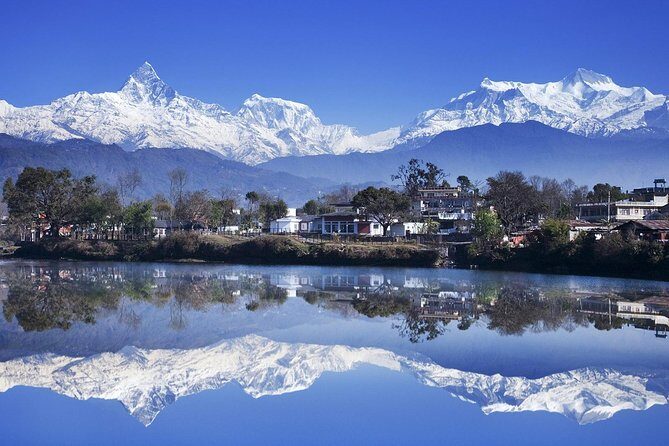
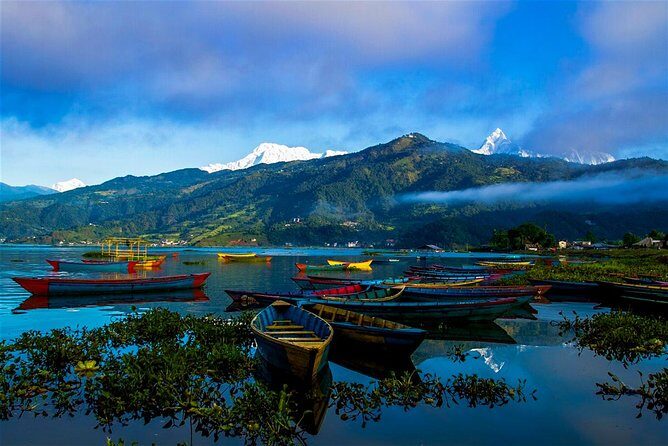
If Kathmandu is about sacred landmarks, Pokhara is about atmosphere. Day 4 gives you the clearest contrast: a dawn trip to Sarangkot, then sightseeing that ranges from viewpoints to caves to famous falls.
Sarangkot sunrise: why this stop matters
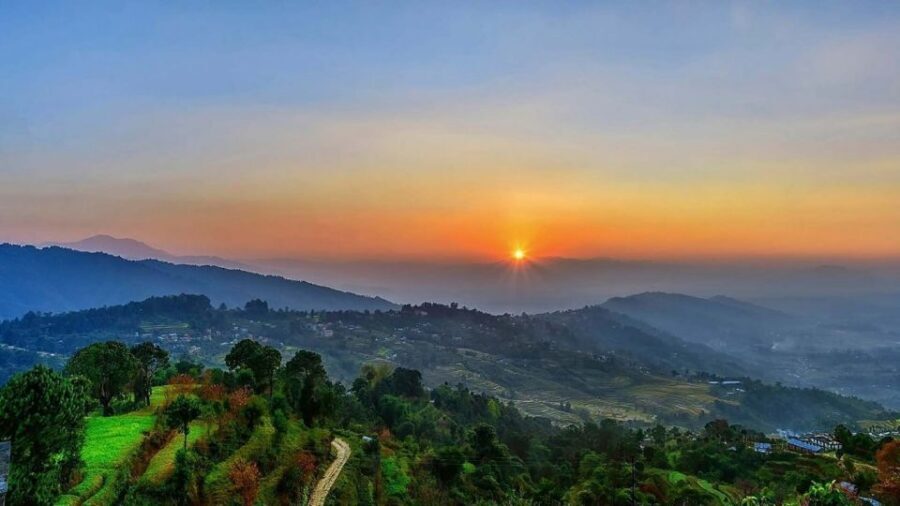
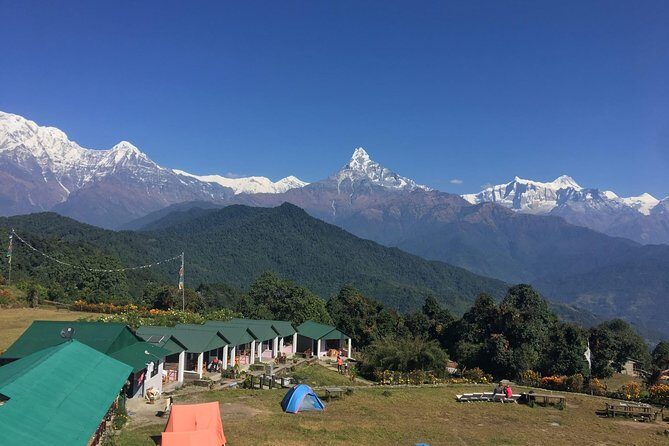
You’ll head to Sarangkot at the break of dawn, then you’ll watch for the Himalayas. This is the tour’s big “wow” moment, the one most people remember long after the temple photos fade.
The catch: sunrise depends on weather. That’s not a problem with the tour; it’s just the mountain reality. What you can control is your readiness—dress for cool early air and be patient.
World Peace Stupa: calm views with a modern purpose
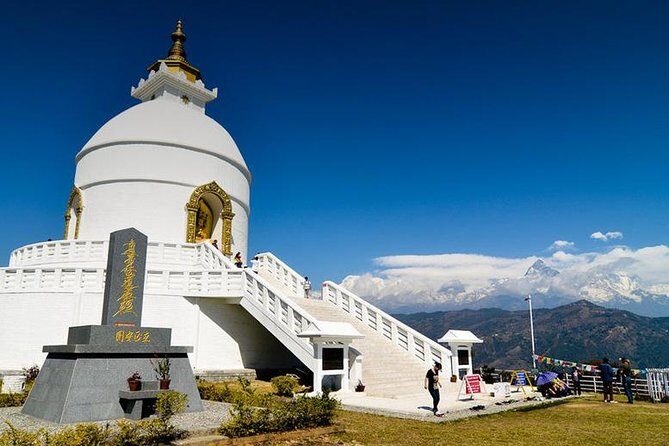
After sunrise, you’ll back to the hotel for breakfast, then continue to Pokhara sightseeing. The World Peace Stupa is a good mid-morning stop because it shifts you from “I’m staring at peaks” to “I’m looking at the whole valley system.”
It’s a nice place to regroup before the day gets busier.
Davis Fall: famous name, real flow
Davis Fall is known for its water action, and it’s worth seeing for the way the water disappears and reappears. It’s one of those stops that feels more interesting in person than in photos.
Bring quick-dry shoes if you’re sensitive to splashes or slick edges around water features.
Gupteshwor Cave: a change of pace into the earth
Gupteshwor Cave gives you an underground break from daylight. If you’ve only ever seen caves in movie-style darkness, you’ll appreciate how a real cave changes your sense of temperature and sound.
Your guide can help you move safely and efficiently, especially if it’s crowded.
Suspension Bridge and Lord Shiva temple: easy walking, strong vibe
Later you’ll see the suspension bridge and a Lord Shiva temple. This part is more about atmosphere and photos that feel like they belong in your memory, not just on your camera roll.
If you like small moments—people chatting, locals moving through their day—this segment delivers.
Day 5: the return drive to Kathmandu, minus the guesswork
After breakfast, you drive back to Kathmandu via overland tourist bus. The afternoon is free again, so you’re not stuck in transit all day long.
One reason this is valuable: after two cities and a dawn start, your body appreciates a schedule that doesn’t demand constant decision-making. You get to recover a bit, shower, and do last-minute shopping or a casual revisit of a place you liked.
Day 6: fly out with the tour already done
Trip ends with airport drop-off. That “done and handled” feeling matters because Nepal schedules can be tight around flights.
Also, this kind of close-out matters when you’re planning return travel. You’re not trying to coordinate a last-minute ride after a long day of walking.
What you’re really paying for: $572.12 per person and the value math
At $572.12 per person, this is positioned as a guided, low-stress highlights package for Kathmandu and Pokhara. To judge value, look at what’s included versus what you’ll likely spend anyway.
Included
You get:
- Airport pickup and drop-off by private vehicle
- Hotel accommodation in Kathmandu and Pokhara, with breakfast
- Guided Kathmandu and Pokhara city tours (with private vehicle and guide)
- A/C tourist bus transfers Kathmandu → Pokhara → Kathmandu
- An experienced English speaking guide
- Government taxes, VAT, and office service charge
Not included
You’ll still need to budget for:
- Entrance fees during Kathmandu/Pokhara sightseeing
- Tips for guide/drivers
- Personal expenses (meals, phone calls, laundry, bar bills, and other extras)
Here’s the honest way I think about it: you’re paying to remove friction—transport planning, a guide to make sense of religious sites, and organized transfers. If you enjoy independent travel, you might spend less on paper by booking hotels and drivers yourself. But if you want your time in Nepal to feel smoother and guided, this price is trying to buy you that convenience.
How organization and guides shape the experience
A tour can be a list of stops. The good ones are also a reliability machine.
In guest feedback tied to this company, people praised the way things were arranged smoothly, including local flights booked efficiently and activities handled without chaos. You also see specific guide names mentioned in positive notes, including Ram and Shankar, and another guest thanks Baratt and tour guides for memorable experiences with Breakfree Adventures.
I can’t say which guide you’ll have on your dates, but the pattern is useful: the provider clearly invests in making the schedule work.
What you’ll feel on the ground is this:
- You don’t waste time at ticket counters or searching for the right entrance
- You have someone to explain what you’re seeing at major temples
- Transfers happen on a set plan, not a “call this number and hope” vibe
Also, the listing notes include pickup offered and a mobile ticket, which usually means fewer paper headaches.
Group size and your freedom to wander
Your booking info says this is a private tour/activity, meaning only your group participates. That’s a meaningful difference from big group bus tours, because you’re not squeezed into someone else’s pace.
Still, you’ll notice the itinerary has structured sightseeing blocks plus free time. That balance is the best part. You can enjoy guided UNESCO sites, then step out on your own in Pokhara later without feeling like every minute is assigned.
Who this tour suits best (and who might want to adjust)
This Nepal Highlights Tour is a good match if you:
- Want UNESCO culture in Kathmandu without spending days building an itinerary
- Care about seeing the Himalayas at sunrise, not just hearing about them
- Prefer guided days with practical transfers instead of constant planning
- Like a mix of sacred sites and natural scenery
It might not be perfect for you if you:
- Hate early starts, since Sarangkot is planned around dawn
- Plan to spend long hours inside museums or very slow temple visits (the schedule is structured)
- Want every entrance handled by the tour, since entry fees are not included
Tips to make the most of every day
A few practical things will help you enjoy the plan instead of fighting it:
- Bring cash/card for entrance fees. You’ll see many sites where access may cost extra even with a guide.
- Dress for early cold on sunrise morning. Nepal dawn can feel chilly even if midday is warm.
- Expect walking on sacred sites. Wear comfortable shoes and keep your pace steady, especially around steps and uneven surfaces.
- Keep your day-of plan flexible during free afternoons. Pokhara is more fun when you follow your mood: lake stroll, café pause, or a quick viewpoint.
- Plan tipping calmly for guide and drivers since it’s not included. Having small amounts ready avoids last-minute awkwardness.
Should you book the Nepal Highlights Tour?
If you want the highlights of Kathmandu and Pokhara with less hassle, I’d lean yes. This itinerary covers the big UNESCO landmarks in a single guided day, adds a true sunrise moment at Sarangkot, and follows it with well-known Pokhara stops that don’t require you to “figure it out” on your own.
Book it if you value organization, a guide’s explanations at major religious sites, and predictable transfers across two cities. Consider another style of trip only if you want maximum control over every cost and hate early mornings.
If your goal is to leave Nepal with stories from UNESCO squares, a dawn view of the Himalayas, and a calm lake-town ending, this one delivers that package.
FAQ
How long is the Nepal Highlights Tour (Kathmandu & Pokhara)?
The tour runs for about 6 days (5 nights).
Which cities does the itinerary include?
It includes Kathmandu and Pokhara.
Is airport pickup and drop-off included?
Yes. Airport pickup and drop-off are included by private vehicle according to the itinerary.
Does the tour include hotel accommodation?
Yes. Accommodation in Kathmandu and Pokhara is included, with breakfast.
Are city tours and guides included?
Yes. Kathmandu and Pokhara city tours include an experienced English-speaking guide, private vehicle, and guided sightseeing.
Which UNESCO World Heritage Sites are visited in Kathmandu?
The tour visits Patan Durbar Square, Swyambhunath (Monkey Temple), Pashupatinath, and Boudhanath.
Is there a sunrise experience included?
Yes. Day 4 includes a Sarangkot sunrise tour.
Are entrance fees included for sightseeing?
No. Entrance fees during Kathmandu/Pokhara sightseeing are not included.
Can the booking be changed or refunded after purchase?
The experience is non-refundable and cannot be changed for any reason. If you cancel or request an amendment, the amount paid will not be refunded.