REVIEW · KATHMANDU
Best of Nepal Luxury Adventure Tour Package – 9 Days
Book on Viator →Operated by Welcome Nepal Treks P.ltd · Bookable on Viator
Some places in Nepal feel made for a comfort-first traveler. This 9-day luxury adventure blends Kathmandu heritage with jungle and mountain days.
I like how the pace is active but not stressful: private air-conditioned transport, 5-star hotels, and a full schedule of guided sights keep you moving without the guesswork. I also love the mix of experiences that don’t feel like checkboxes, especially Royal Chitwan National Park plus the Dhampus hike that gives you that high-hill sense of space.
The main drawback to plan for is the travel time. Long drives connect each region, and early mornings for sunrise sights mean you’ll be up and going before your body fully agrees with the plan.
In This Review
- Key takeaways before you go
- A luxury tour that still feels like real Nepal
- Price and what you’re really paying for ($1,900 per person)
- Day 1 in Kathmandu: airport pickup and a smoother first night
- Kathmandu temples you’ll actually enjoy: Pashupatinath and Swayambhunath
- Chitwan National Park and Trishuli rafting: wildlife + river energy
- A second Chitwan day that mixes safari styles
- Pokhara arrival and Fewa Lake: a calm buffer day
- Sarangkot sunrise day: the morning everyone remembers
- Dhampus Australian Camp: hiking that feels like a real shift
- Pokhara free time on day 7: rest or add-ons
- The long drive back to Kathmandu and a Nepal night
- Day 9: monkey temple or Pashupatinath, then off to the airport
- The human factor: guides and drivers make this feel smooth
- Who this luxury adventure suits best
- Should you book this Nepal luxury adventure?
- FAQ
- FAQ
- What places does this 9-day tour cover?
- How long is the tour?
- What’s included with meals?
- Is Trishuli River rafting included?
- Where do you stay in Dhampus?
- What kind of accommodation is included in the cities?
- Is transportation included?
- When and where does pickup start?
- Is there free cancellation?
Key takeaways before you go
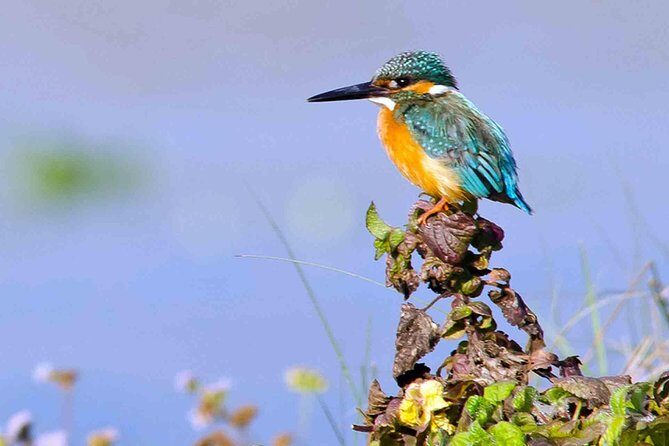
- Royal Chitwan National Park wildlife time with jeep safari, canoe/river activity, birds, and a Tharu culture evening
- Trishuli River rafting with lunch that breaks up the long road days with real adrenaline
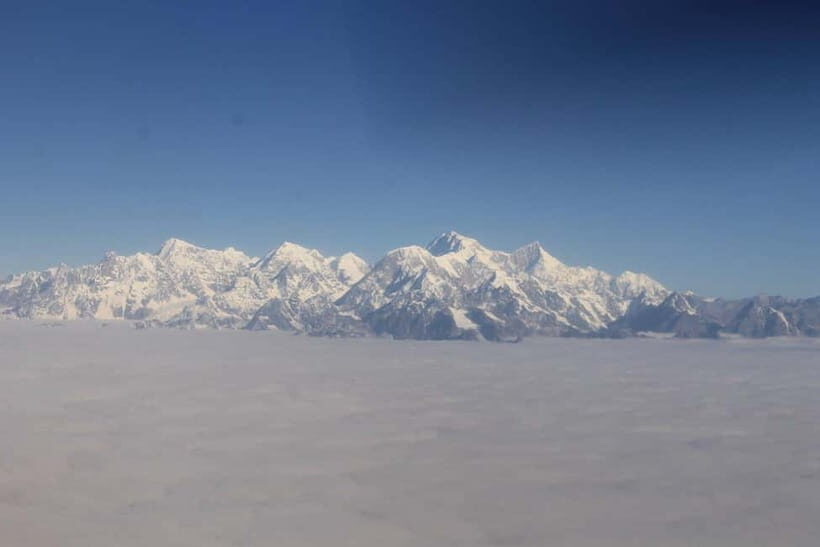
- Pokhara sunrise from Sarangkot with Himalayan views and Machhapuchhre in the mix
- Dhampus Australian Camp hiking plus a simple tea house lodge night that changes the mood
- Guides and transfers that reduce friction: city guide in Kathmandu and a trekking guide for Dhampus
- Value inside the price: many entrances, meals, and activities are handled, not left for you to chase later
A luxury tour that still feels like real Nepal
This is a “see a lot, stay comfortable” kind of trip. You’ll sleep in 5-star hotels in the city areas, then trade that polish for a more basic tea house lodge night in Dhampus so the trip doesn’t feel like pure sightseeing bus days.
What makes the loop work is the way the regions connect. Kathmandu gives you temples and history. Chitwan adds jungle wildlife and culture. Pokhara brings lakeside downtime and big mountain mornings. Then Dhampus adds a quieter, hill-country feel with hiking and rural village scenery along the way.
The tone is also practical. You’re not left wandering between far-flung stops. The tour includes transfers, city guiding, and a trekking guide, which is exactly what helps when Nepal logistics are new to you.
A few more Kathmandu tours and experiences worth a look
Price and what you’re really paying for ($1,900 per person)
At $1,900 per person for about 9 days, the price isn’t bargain-bin cheap. But it’s also not only paying for a car and a room. You’re buying a bundle of real services: hotel stays in multiple places, most meals, entrance fees per program, and guided activities.
Here’s where your money goes in plain terms:
- Accommodation: 5-star hotels throughout the cities plus a tea house lodge for 1 night in Dhampus
- Food: full board meals in Chitwan, and breakfast/lunch/dinner coverage for the hiking day in Dhampus (other lunches/dinners are only covered when explicitly included)
- Big activities: Trishuli River rafting with lunch, plus Chitwan jungle activities
- Human help: a Kathmandu city guide and a Dhampus trekking guide
- Getting there safely and comfortably: air-conditioned transport and hotel-to-hotel transfers
If you were to assemble all of this yourself, you’d likely spend time coordinating guides, park access, meal plans, and transport. The real value here is reduced planning friction. You can focus on the experiences.
Day 1 in Kathmandu: airport pickup and a smoother first night
You start at Tribhuvan Airport in Kathmandu, with pickup and transfer to your hotel. Check in comes with a welcome drink, which sounds small, but it’s one of those Nepal travel details that helps you feel human again after a flight.
Kathmandu is often the part where jet lag bites. A guided, prepared arrival day keeps you from turning your first evening into a stressed scavenger hunt.
Also, the tour positions you well for the next days by handling transfers cleanly. You won’t have to figure out how to get around while you’re still getting your bearings.
Kathmandu temples you’ll actually enjoy: Pashupatinath and Swayambhunath
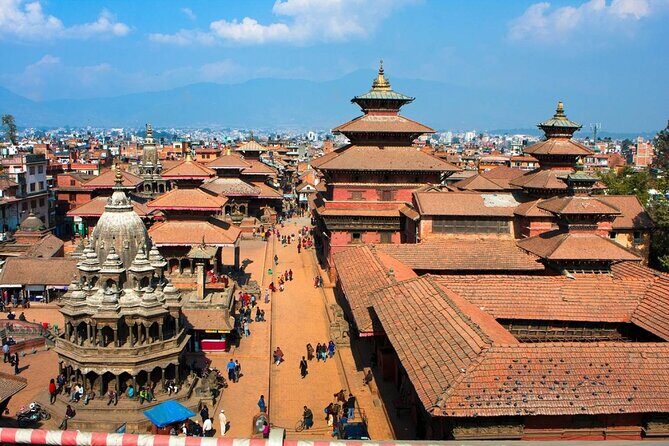
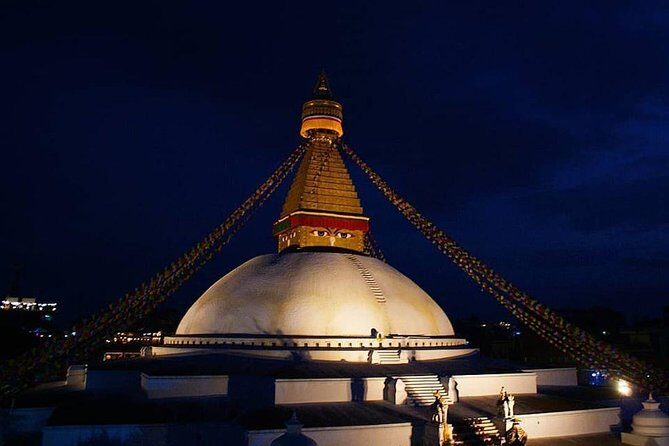
You’ll spend time sightseeing around classic Kathmandu landmarks, including Pashupatinath and Swayambhunath (often called the Monkey Temple). These are spiritual and photogenic in their own ways, but the reason a guide matters is etiquette and timing.
Pashupatinath is a Hindu temple complex along the Bagmati River. It’s best when you have context for what you’re seeing and how to behave respectfully near religious life. Swayambhunath sits on a hill and gives you a different view angle over the city, plus the layered feeling of temples, stairs, and viewpoints.
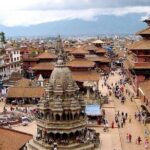
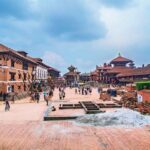
There’s also mention of Durbar Square as part of the options on the last day. So you’ll likely get a mix of religious sites and old-city atmosphere before departure.
One practical note: these sights involve walking and stairs. Wear shoes you can trust, not the “cute but questionable” pair you brought for photos.
Chitwan National Park and Trishuli rafting: wildlife + river energy
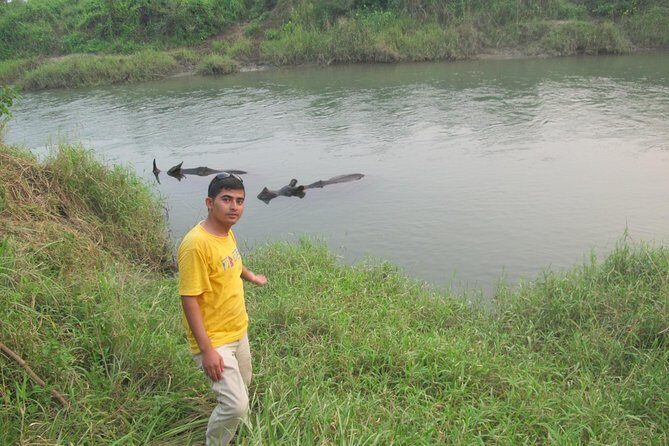
Chitwan is where the trip shifts from temple pacing to jungle pacing. You drive from Kathmandu toward the Chitwan area after breakfast, with a stop for rafting on the Trishuli River. The rafting includes lunch, which is a smart way to keep a long day from turning into constant meal searching.
Trishuli rafting is your reset button. After hours on the road, you get the physical payoff right away. Even if you’re not seeking chaos, the river time gives you an active memory that stands out.
Then you move into Chitwan timing with an evening natural walk. This is a good strategy because wildlife viewing in jungle regions often works best when the day cools down. It also sets expectations for what you’ll see the next morning.




A second Chitwan day that mixes safari styles
The following day gives you multiple ways to experience the park:
- Jeep safari for wider searching and practical wildlife spotting
- Bird watching for the quieter, patient side of the jungle
- Canoe/river activity later in the afternoon, which slows things down and lets you watch the river margins
Then there’s Tharu village culture in the evening. That matters because Chitwan is more than animals; it’s also people and local life that shape the region.
If you want a trip where wildlife isn’t just a single car ride and done, this format is the reason it feels worth it.
Pokhara arrival and Fewa Lake: a calm buffer day
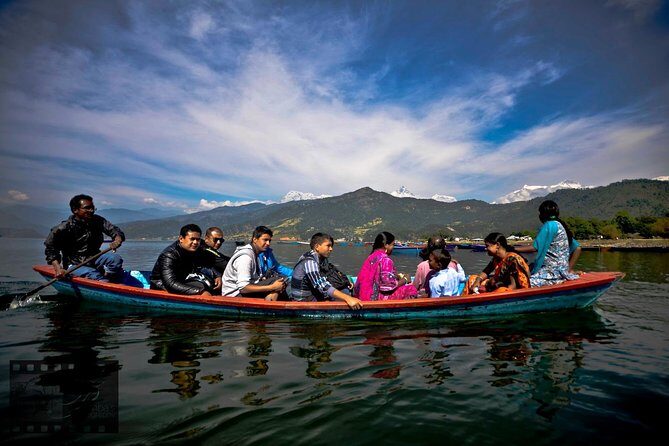
Day 4 moves you to Pokhara, and the pace eases. After breakfast you drive to Pokhara, then the evening includes self-boating on Phewa (Fewa) Lake.
That self-boat time is a nice change from the earlier days. Instead of another checklist activity, you get space to look, breathe, and take photos at your own speed. Pokhara’s lake setting also helps you recover from the longer travel legs.
One thing I appreciate about this kind of buffer is how it keeps the trip from feeling like constant exertion. You’ll still have early mornings later, so day 4 is your chance to keep energy for the hills.
Sarangkot sunrise day: the morning everyone remembers
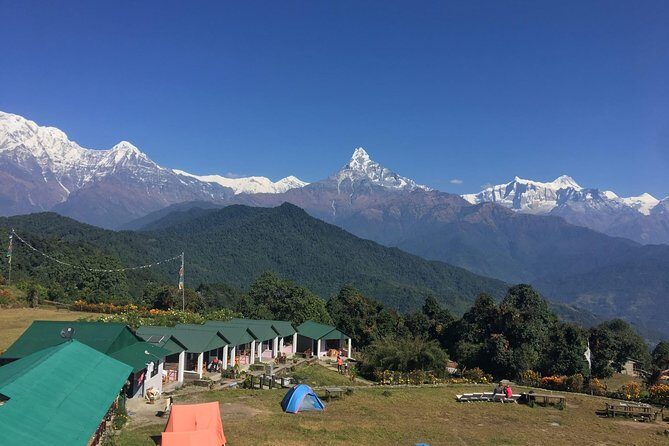
On day 5, you go early to Sarangkot for sunrise views. This is the classic Nepal “watch the sky change” moment, and the tour is set up to give you a front-row view of big Himalayan scenery, including Machhapuchhre (the fishtail peak).
You’ll also visit several major Pokhara-area stops:
- Bindabasini Temple
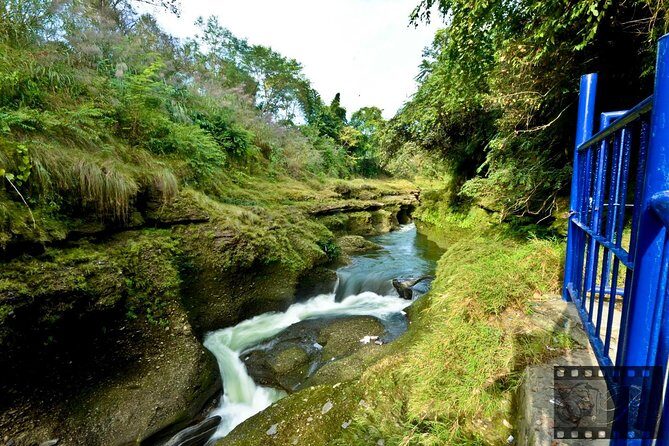
- Davis Falls
- Gupteshwar Cave
- Regional museum
The timing here is the key. These sights are easier when you’re not chasing them after a late start. Sunrise first, then temples and sights, gives the day structure.
Wear layers. Sunrise at Sarangkot can be cool, even when you’re used to warm city temperatures. Bring something you can put on fast.
Dhampus Australian Camp: hiking that feels like a real shift
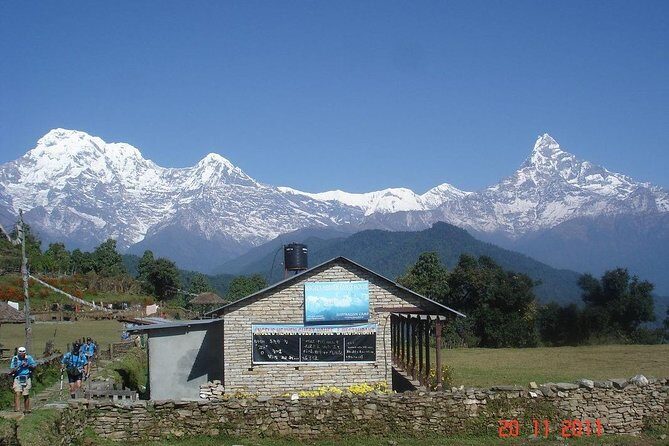
Dhampus is where the trip turns from sightseeing to walking. You travel from Pokhara to Dhampus by private car/van/jeep, then you hike in the Australian Camp area. The tour includes the support of a trekking guide and also covers meals for that hiking day, plus lodging at a tea house lodge for 1 night.
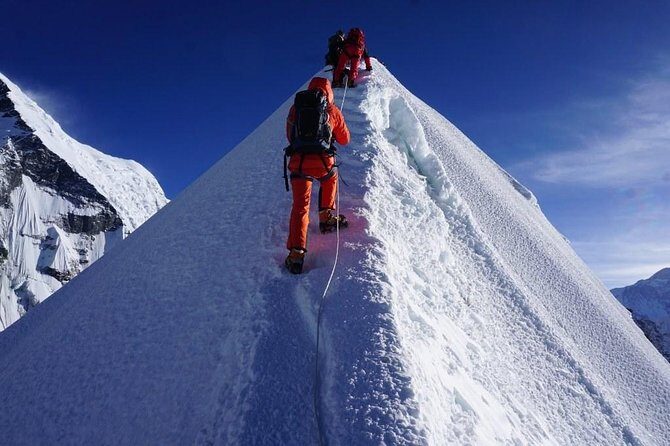
This is the day that tends to feel most personal because it’s not all about iconic viewpoints. You move through villages, terraced farms, and dense forest areas on the approach. Even if your hiking pace is relaxed, you’ll feel how the hills work: footpath rhythm, cooler air, and small pauses for views.
And the tea house lodge night is a useful trade. You get warmth and a simple stay without losing the adventure edge. It’s not the same comfort level as the city hotels, but that’s the point. You come back to civilization feeling like you left it for a bit.
Bring a small daypack for water and layers. The tour provides meals, but personal items make the hike easier.
Pokhara free time on day 7: rest or add-ons
Day 7 is built in as flexibility. After breakfast, you either trek or drive back to Pokhara, then you get free time to rest.
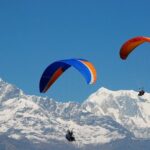
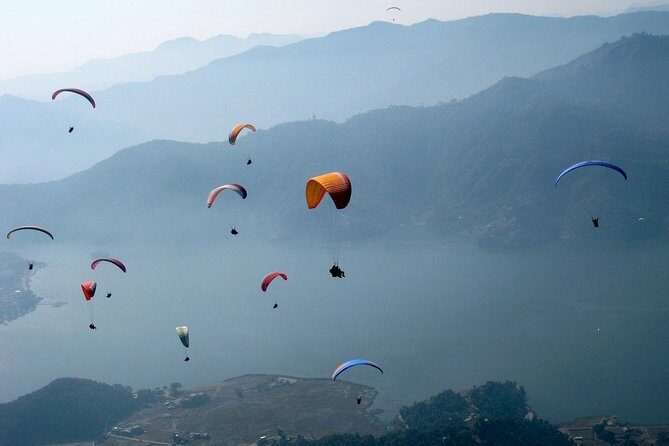
That free block is useful for two reasons. First, after days of early mornings and active experiences, rest isn’t a luxury. Second, Pokhara is where many people add extra adventure activities on their own schedule. One review noted paragliding and bungee jumping in Pokhara as added fun, so if those are your interests, this is the moment to look at options locally and at your own cost.
If you’d rather keep it simple, a slow afternoon by the lake still counts as part of the trip. You’re not short on things to do later; day 7 is your pause button.
The long drive back to Kathmandu and a Nepal night
On day 8 you return to Kathmandu, about a 6-hour drive, with scenic Himalayan nature along the way. The best part of these transfer days is how they reset your perspective. You’re moving between ecosystems, not just crossing streets.
In the evening there’s a farewell dinner with Nepalese cuisine and dancing. That’s your final culture moment before departure. It also gives you a shared end-of-trip feeling, even if your group style is quieter.
Dress comfortably for dinner. You’ll likely be sitting for parts of the meal and watching performances, so plan for a modest, easy outfit.
Day 9: monkey temple or Pashupatinath, then off to the airport
On the last day, you check out after breakfast and head toward departure. Sightseeing includes options such as Monkey Temple (Swayambhunath), Pashupatinath, or Durbar Square. The timing is short, so you’ll want to travel light and keep shoes ready.
Departure is planned after sightseeing, and the meeting point for your trip start was the airport, so the last day keeps you aligned with that same flow.
If you have a flight early afternoon, this day format still makes sense. But if your flight is very late at night, you might prefer extra time in Kathmandu beyond what’s included.
The human factor: guides and drivers make this feel smooth
This tour’s structure is strong, but it’s the people that often make it feel easy.
In the trip community connected to Welcome Nepal Treks P.ltd, you’ll see names like Hari (the owner) tied to smooth operations and quick communication. You may also encounter guides such as Sumit or Rabina, and drivers like Krishna or Ram, depending on your departure. Even if names vary, the theme in these reports is consistent: dependable driving and helpful guiding.
That matters because Nepal logistics can change fast. When your day runs on time, you get more daylight for sunrise views and fewer rushed moments during temple walks.
Who this luxury adventure suits best
This is a great fit if you want:
- Comfort-first hotels plus real activities (not a “sit all day” tour)
- Wildlife time in Chitwan with multiple activity styles
- A mountain morning in Pokhara that aims for sunrise views
- A short hiking experience in Dhampus with a guide and a simple lodge night
It may not be the best fit if:
- You dislike early mornings. Sarangkot sunrise is the centerpiece.
- You want lots of unplanned free time. The schedule is full, with travel days built in.
Should you book this Nepal luxury adventure?
I’d book it if you want a Nepal trip that balances comfort with genuine variety: jungle safari, river adrenaline, temple culture, and mountain views in one loop. The price makes sense when you consider the included meals, entrance fees, park activities, rafting with lunch, and the guided portions that reduce planning stress.
I’d think twice only if you’re sensitive to long drives or you’re hoping for a slow, choose-your-own-day style. This tour is designed to move. If that works for you, you’ll likely feel like Nepal packed plenty of “real moments” into 9 days, not just a long string of transfers.
FAQ
FAQ
What places does this 9-day tour cover?
It covers Kathmandu, Chitwan, Pokhara, and Dhampus (Australian Camp).
How long is the tour?
The duration is listed as approximately 9 days.
What’s included with meals?
Full board meals are included in Chitwan (breakfast, lunch, and dinner). Meals are also included for the Dhampus hiking day (breakfast, lunch, and dinner). Outside those parts, lunches and dinners aren’t included unless mentioned in the plan.
Is Trishuli River rafting included?
Yes. Rafting on the Trishuli River with lunch is included.
Where do you stay in Dhampus?
You stay at a tea house lodge in Dhampus for 1 night.
What kind of accommodation is included in the cities?
You get 5-star accommodation in the hotels included on the program.
Is transportation included?
Yes. Transfers and drives to hotels and excursions are included using air-conditioned transport.
When and where does pickup start?
The start point is Tribhuvan Airport in Kathmandu, with a listed start time of 8:15 am.
Is there free cancellation?
Yes. Free cancellation is available if you cancel up to 24 hours in advance for a full refund.