REVIEW · KATHMANDU
Poonhill Trek
Book on Viator →Operated by Green Valley Nepal Treks & Research Hub Pvt Ltd · Bookable on Viator
Poon Hill is short trek, big payoff. This 7-day route gives you close-up mountain views in the Annapurna region without committing to a weeks-long grind, plus time to adjust as you go higher and lower. You’ll start with an easy rhythm of driving, village walks, and teahouse evenings, then hit the good stuff: sunrise from Poon Hill at 3,210m and a real mountain day with hot springs.
Two things I really like: the trek feels manageable for moderate fitness rather than “sport-only,” and the package handles the paperwork side with permits and national park fees included. You also get the benefit of a small group (max 14), so you’re not just a number in a line of headlamps.
One drawback to consider: it’s still a trek with steep climbs—especially up toward Ulleri and Deurali—so if your idea of hiking is flat city paths, you’ll work for every viewpoint. Plan for sore legs, and don’t underestimate early-morning cold on the sunrise day.
In This Review
- Key Points Worth Knowing Before You Go
- Why Poon Hill Works: Sunrise Views Without a Huge Commitment
- Your 7-Day Route: Kathmandu to Pokhara and Back
- Day 2: Nayapool to Ulleri, the Steep Start That Sets the Tone
- Rhododendron and Oak Forest Days to Ghorepani
- Poon Hill at 3,210m: The Photographer Moment
- Tadapani to Gurjung: The Trail Gets Quiet and Human
- Hot Spring Day at Jhinu: Recovery With Real Mountain Views
- Modi Khola Descent to Birethanti: Fish Tail Views on the Way Down
- Price and Logistics: Is $600 Good Value Here?
- Who This Trek Suits (and Who Should Rethink It)
- Altitude Reality Check: The 3,210m Moment
- Guides, Small-Group Feel, and the Human Side of Trekking
- Should You Book This Poon Hill Trek?
- FAQ
- What time does the trek start, and where do I meet?
- How do I get to Pokhara on the first day?
- Is Poon Hill access included?
- Are permits and national park fees included?
- What meals are included in the trek?
- How large is the group?
Key Points Worth Knowing Before You Go
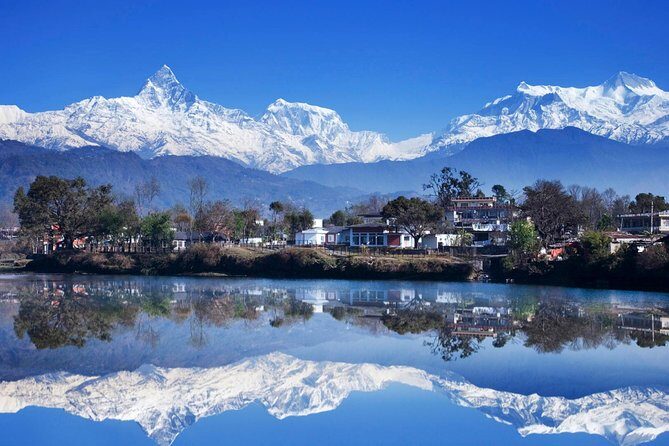
- 3,210m Poon Hill viewpoint with a short morning climb that’s built for photographers
- Hot springs day at Jhinu so you earn the soak after the walking
- Small-group trek size (max 14) helps with attention from your professional guide
- National park fees and permits included, so you don’t scramble for details mid-trip
- Rhododendron and oak forests make several sections feel cooler and more scenic than “just stairs”
Why Poon Hill Works: Sunrise Views Without a Huge Commitment
Poon Hill is the kind of mountain stop that makes you understand why people chase sunrise in the hills. You’re not just looking at snow far away—you’re getting a layered view of peaks that feel close enough to study with your eyes. And because this route takes about 7 days, you’re not forced into a speed-run trek that leaves no margin for altitude or fatigue.
I like that the trip doesn’t pretend this is effortless. It gives you a progression: start from lower trails, build through forests and villages, then go for the big viewpoint moment. After that, you hike down through river valleys—so the story of the trek has both effort and payoff, not just one dramatic morning.
The overall feel is “real trek,” but not extreme. Expect uneven paths, steps, and steep sections. You’ll also get teahouse-style nights where you can recover, eat well, and talk with your group before lights out.
You can also read our reviews of more hiking tours in Kathmandu
Your 7-Day Route: Kathmandu to Pokhara and Back
Your day starts early: the meeting point is Green Valley Nepal Treks & Research Hub Pvt Ltd in Kathmandu, with a start time of 6:30am. From there, you head toward Pokhara, which is about 200 km from Kathmandu.
On Day 1, you travel by bus for roughly 6 hours, taking lunch somewhere en route. If you prefer saving time (and energy), there’s also an optional ~30-minute flight to Pokhara, followed by free time to explore—Pokhara is known for scenic views and lakeside stays, and this is one of the easiest parts of the trip.
You’ll also return later the same way: after finishing your final trekking day and getting back to Pokhara, you take a 6–7 hour bus ride to Kathmandu and finish with a farewell dinner. It’s a practical loop that keeps the trek focused while still giving you a proper start and finish.
Day 2: Nayapool to Ulleri, the Steep Start That Sets the Tone
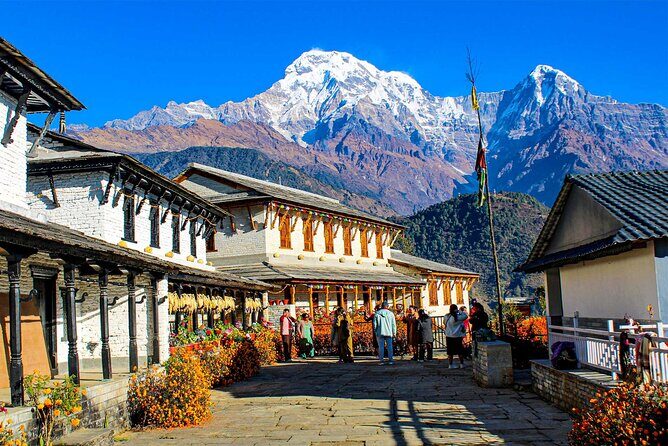
After reaching Pokhara, you drive about 1 hour to Nayapool, where the trek begins. Right away, you follow the Modi River near the trail—an easy warm-up that helps you get your legs working without going straight into pain.
From there you reach Birethani, and the route continues through small villages and teahouses. You’ll climb toward Hille and then Tikhedhunga, and then comes the section most people feel: a steep ascent up to Ulleri, a large Magar village. This day is often where you learn your personal pace.
Why Ulleri matters: it’s not just another overnight. It’s a character-building village stage that gives you a sense of how trekking fits into local life. You’ll also start seeing how quickly the air can change as your elevation rises day by day.
Rhododendron and Oak Forest Days to Ghorepani
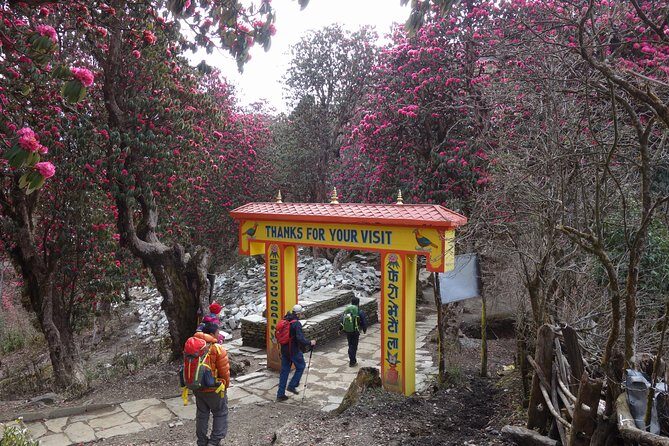
Day 3 shifts from the early climb to a more steady rhythm. The trail becomes a gentle ascent through rhododendron and oak forests toward Banthanti, and then on to Ghorepani, where you’ll stay.
This is a key trekking day because forests make walking feel better. Less “burning sun, hot rocks,” more shaded rhythm. You also start moving like a trekker: steady steps, rest when the trail allows, and saving your energy for the sunrise morning.
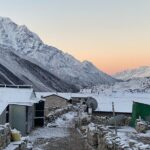
Ghorepani is popular because it’s the launch point for the Poon Hill hike, meaning the town is built for trekkers. Expect teahouse life, conversations, and that focused pre-dawn energy creeping in even before you see the mountain lights.
Poon Hill at 3,210m: The Photographer Moment
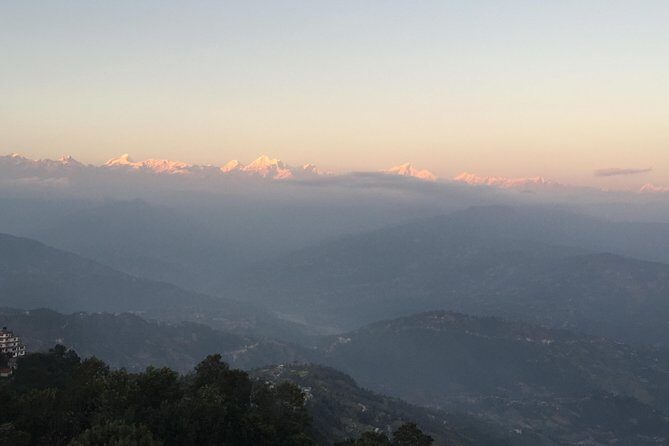
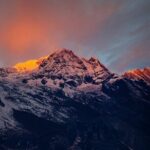
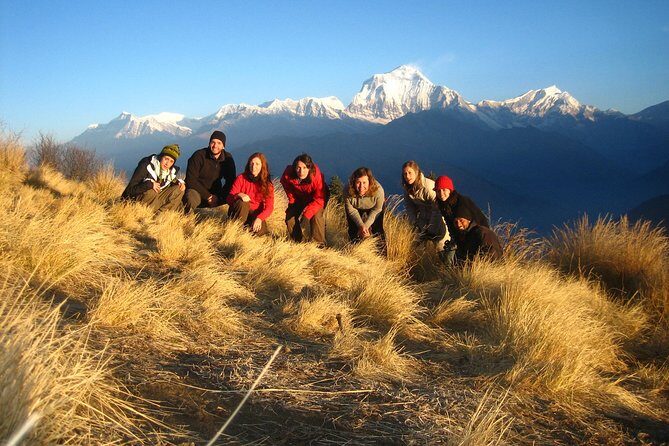
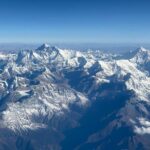
Day 4 is the reason many people book this trek. You hike to Poon Hill early, and it takes about 45 minutes to reach the top. The viewpoint sits at 3,210m, and the payoff is the sweeping panoramic mountain view for which the area is famous.
Then you do the smart part: you return to Ghorepani for breakfast instead of trying to rush the whole day right after sunrise. That buffer matters. Sunrise hikes are beautiful, but they can make you feel lightheaded if you go too hard too soon.
After breakfast, you move toward Deurali with a steep, strenuous climb. From Deurali, the route becomes easier again as you walk via a jungle trail toward Banthanti, and then continue down to Tadapani for the night. In other words: you get one big “view day,” then you keep walking enough to earn the next day’s rest.
Tadapani to Gurjung: The Trail Gets Quiet and Human
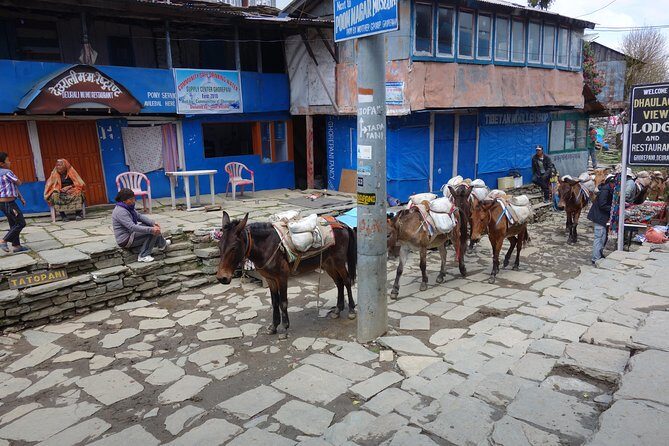
Day 5 starts with a gradual descent through rhododendron forests, plus some crossing and re-climbing as you work toward Gurjung, a Gurung village. You’ll cross the Kimsung River, then continue ascending.
This is one of those days where you start noticing the details you usually miss on faster treks: the way the trail curves through daily village life, the texture of the air as elevation changes, and the way your legs settle into a routine. It’s also the day that sets you up for the reward to come.
The climax is the hot spring stop: you reach Hot Spring later in the day and spend time soaking. This isn’t a tourist detour—it’s the logical end to a day of walking. Your body feels better fast, and your mind gets calmer too.
Hot Spring Day at Jhinu: Recovery With Real Mountain Views
Hot springs are one of the best reasons to choose a longer Poon Hill trek. A lot of “quick” versions skip this kind of downshift. Here, you get the chance to unwind with water that feels like a reset button after a trek day.
From a practical standpoint, this is also when you’ll appreciate how warm-up and recovery work on a multi-day hike. If your knees or hips tend to complain, soaking can help you walk better on the final descent day.
You’ll overnight at a guesthouse after the hot springs. The day has a calm, earned feeling. It’s not just about the viewpoint anymore—it’s about feeling good enough to enjoy the return.
Modi Khola Descent to Birethanti: Fish Tail Views on the Way Down
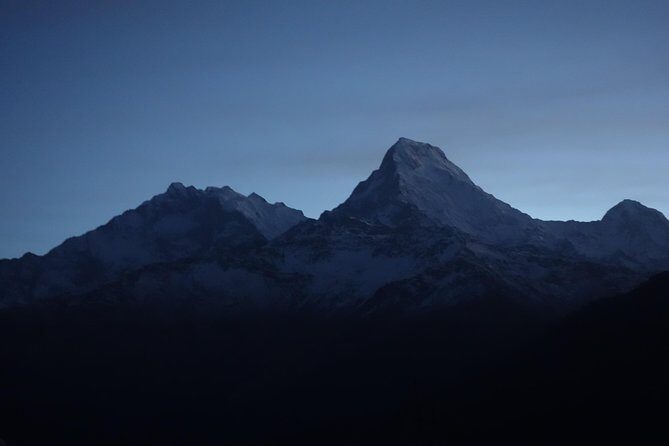
Day 6 is your descent story, and it’s a good one. From Jhinu, you take the trail down toward Modi Khola, with magnificent views of Fish Tail and the Annapurna range.
Then you follow the trail along the banks of Modi Khola until you reach Birethanti, the same area where the trek began from Pokhara. That “loop-back” feeling is satisfying—you can look back and understand the route without needing a map app to prove it.
Once you’re near Birethanti, you walk for about half an hour to reach the van. Then you ride back to Pokhara for your final night, with a real hotel stay. It’s a smart ending: enough trekking to stay proud, enough comfort to recover.
Price and Logistics: Is $600 Good Value Here?
At $600 per person for about 7 days, the value mostly comes from what’s included versus what you’d otherwise have to piece together yourself.
You get:
- Professional guide support throughout the trek
- Accommodation as per the itinerary
- National park fees and permits included
- All activities tied to the route
- Round-trip shared transfers (and hotel pickup/drop-off only if you select it)
- Most meals: 5 breakfasts, 5 lunches, and 4 dinners
What that means for you: you’re paying for coordination—transport between Kathmandu and Pokhara, the trekking logistics, and the fees that often surprise people when they try to DIY. For a destination like Nepal where trekking involves paperwork and on-the-ground decisions, that’s not just convenience. It protects your time and reduces stress.
Where you should watch the budget: drinks aren’t included, and there can be excess luggage charges if your load runs heavy. Also, if you don’t select hotel pickup/drop-off in Kathmandu, you’ll handle the start point by yourself.
The trek’s small-group max (14 people) also matters. You’re more likely to get real attention from the guide—especially if weather changes or someone needs a slower pace.
Who This Trek Suits (and Who Should Rethink It)
This Poon Hill trek is best suited to moderately fit people who can handle steep sections and uneven steps. The route includes real climbs: Ulleri, then Deurali, plus the final push to Poon Hill early morning.
It’s also surprisingly flexible in who it attracts. In the operator’s story, you’ll find examples of first-time hikers taking it on, and even family groups building confidence together. That doesn’t mean it’s “easy.” It means the pace and the guide support can help you do it safely and enjoyably if you’re willing to take breaks and accept that you’ll slow down sometimes.
If you:
- want mountain views without weeks on the trail
- like village walking and teahouse nights
- want a planned structure with less decision fatigue
…this fits well.
If you:
- dislike stairs and steep grades
- get nervous about altitude and early mornings
- want a mostly level hike with minimal effort
…you might find this a tougher match than you expected.
Altitude Reality Check: The 3,210m Moment
The headline altitude point is Poon Hill at 3,210m, and the trek still includes ups and downs across multiple days. Most people feel it as effort level more than dramatic altitude illness—especially since this itinerary allows time to adjust rather than stacking everything into a single push.
Still, early starts and cold mornings can hit hard. Dress for chilly dawn weather on the viewpoint day. Bring layers you can peel off once you’re moving, because the ascent can warm you quickly.
Also, pace beats pride. If you try to walk the steep sections like you’re sprinting through a gym session, you’ll pay for it later. The better plan is steady breathing and frequent short rests—exactly what a good mountain day demands.
Guides, Small-Group Feel, and the Human Side of Trekking
One reason trekking here feels good is the human team behind it. Green Valley Nepal Treks & Research Hub Pvt Ltd runs this as a guided experience, not a self-serve walk. The pro guide is a big deal for routes, timing, and helping you stay calm when conditions change.
You might work with guides such as Krishna, who’s described as having 13 years of experience, or Phurba, noted for being accommodating during the trek. Other names that come up include Sushanta, Bhairas, Gopal, Kishore, and Rajan—and the common thread is practical support, whether it’s pacing a group or making sure you’re comfortable.
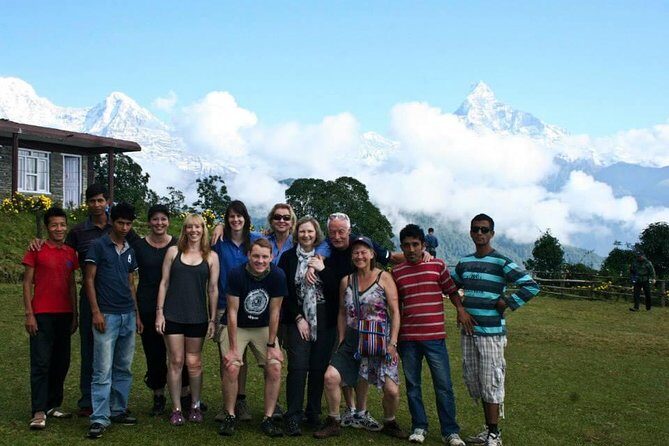
Group size matters too. With a maximum of 14, it’s easier for the guide to notice who’s lagging, who needs hydration, and who’s ready to keep moving. That’s how a trek turns from “I got through it” into “I enjoyed it.”
Should You Book This Poon Hill Trek?
Yes—if you want a classic Annapurna-area hike with a clear goal (Poon Hill sunrise), a rewarding recovery stop (hot springs), and enough days to avoid the “rushed trek” feeling. I also think it’s a strong pick if you’d rather pay for permits, national park fees, and coordination than DIY the route and worry about the details.
I’d think twice if you’re aiming for a light walk, because the route includes steep climbs and early-morning effort. But if you can handle stairs, take breaks, and bring a good attitude, this is the kind of trek that gives you stories—and views—that stick.
If you want the best match, be honest about your fitness level and plan to go slow on the climbs. This trek rewards pacing more than speed.
FAQ
What time does the trek start, and where do I meet?
The start time is 6:30am, and the meeting point is Green Nepal Tourism Pvt Ltd on Nikhil Marga, Mitranagar Marg, Kathmandu 44600, Nepal.
How do I get to Pokhara on the first day?
You can take a bus (about 6 hours for the 200 km trip) with lunch along the way, or you can opt for a flight that takes about 30 minutes, then explore Pokhara.
Is Poon Hill access included?
Yes. The hike to Poon Hill and the related admission ticket is included, and the viewpoint is at 3,210m.
Are permits and national park fees included?
Yes. Permits are included, and national park fees are included as well.
What meals are included in the trek?
Breakfast is included for 5 days, lunch for 5 days, and dinner for 4 days, based on the itinerary.
How large is the group?
This trek is limited to a maximum of 14 travelers, which is intended to keep it small-group focused.