REVIEW · KATHMANDU
14 days Everest Base Camp Trek
Book on Viator →Operated by Ambition Himalaya Treks & Expeditions · Bookable on Viator
You can feel the Himalaya calling. This 14-day Everest Base Camp trek from Kathmandu mixes iconic Sherpa villages with big-altitude moments like Kala Patthar. You’ll fly into Lukla, hike day after day through Khumbu country, and finish with a return flight that gets you back to Kathmandu while your legs still work.
Two things I really like about this trip: the operator keeps logistics tight (airport transfers, domestic flights, permits, and hotel in Kathmandu), and you get real people support. In the reviews, Shishir is repeatedly praised for being responsive when plans get weird, and that matters when you’re dealing with mountain weather and timing.
One thing to consider: this trek depends on domestic flights to Lukla, and there’s a specific contingency if flights require using Ramechhap instead. That can add extra transit time before you even start hiking.
In This Review
- Key highlights worth knowing before you go
- Everest Base Camp in 14 days: the “big views, real effort” mix
- Kathmandu to Lukla: included flights and the Ramechhap contingency
- Day 1 in Kathmandu: a welcome dinner and an early night
- Trail Days 2–6: Phakding, Namche, Tengboche, and the viewpoints that earn their reputation
- Dingboche acclimatization: the slower day that pays off later
- Toward Lobuche: Dughla, Thukla Pass memorials, and the eerie beauty
- Base Camp at dawn and Kala Patthar: headlamps, glacial terrain, and sunrise payoff
- Days 11–13: the easier walking feeling, and the last look at Namche and Lukla
- What you’re really paying for: value breakdown of flights, permits, meals, and gear
- Support that shows up when plans get real: Shishir and the guides/porters
- Who should choose this Everest Base Camp trek, and who should think twice
- Should you book this 14-day Everest Base Camp trek?
- FAQ
- How long is the Everest Base Camp trek?
- Where does the trek start and end?
- Are airport transfers included?
- Are the flights to Lukla included?
- What happens if flights to Lukla require using Ramechhap?
- How high do you go?
- Are permits included?
- Is food included during the trek?
- Is trekking gear included?
- Is tipping included?
Key highlights worth knowing before you go
- Kathmandu–Lukla round-trip flights included so you skip the long approach trek to the Khumbu
- Kala Patthar sunrise with headlamps is built in, not left to chance
- Acclimatization in Dingboche gives you a slower day and a viewpoint detour to Nangkartshang Hill
- Tea-house trekking with full-board meals keeps your daily planning simple
- Gear support on request includes a down jacket, sleeping bag, and duffel bag
Everest Base Camp in 14 days: the “big views, real effort” mix
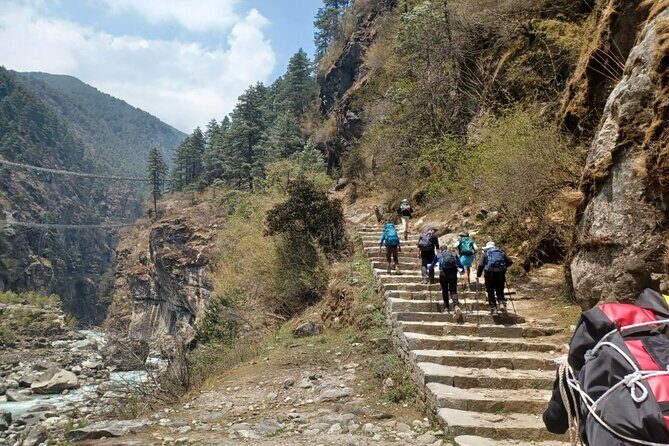
This trek is known for a simple reason: you spend days walking through Sherpa settlements and glacial terrain, then you hit two of the most meaningful lookouts in the region. The tour takes you to Everest Base Camp (5,316 m) and up to Kala Patthar (5,545 m) for wide sunrise views over major peaks.
What makes this plan feel workable is the pacing. You’re not thrown straight into the highest altitudes without a buffer—there’s a dedicated acclimatization day in Dingboche, plus gradual gains through Tengboche, Dingboche, and Lobuche.
The tradeoff is that even with good pacing, you still need moderate physical fitness and a willingness to hike steadily on uneven paths. Some days are longer than they look on paper, and the air gets thinner fast once you’re beyond the main valley villages.
You can also read our reviews of more hiking tours in Kathmandu


Kathmandu to Lukla: included flights and the Ramechhap contingency
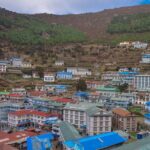
Your trip begins with Kathmandu airport pickup and a Kathmandu hotel stay with breakfast, then the trekking starts with a flight to Lukla. The big value here is that the package includes Kathmandu–Lukla–Kathmandu domestic flights and taxes, so you’re not hunting down tickets or trying to stitch together transport yourself.
The practical gotcha: during peak seasons in spring and autumn, flights may require going to Ramechhap to reach Lukla. If that happens, the plan includes private vehicle transfer to Ramechhap (about a 4-hour drive) before you fly.
If you dislike last-minute changeovers, plan mentally for flexibility. On the plus side, having ground transport arranged ahead of time reduces stress when schedules shift.
Day 1 in Kathmandu: a welcome dinner and an early night
In Kathmandu, you get the simple things done for you. You’re met at the airport, escorted to your hotel, and guided with a briefing in the evening by the tour team.
After that, you have a welcome dinner at a reputable Kathmandu restaurant and then the instruction is to sleep early. That matters because you’ve got an early morning flight next day, and jet lag plus thin mountain sleep schedules can turn a routine day into a rough one.
If you’re arriving from far away, I’d treat Day 1 as your reset button: hydrate, keep meals light, and don’t plan anything ambitious after briefing time.
Trail Days 2–6: Phakding, Namche, Tengboche, and the viewpoints that earn their reputation
The trek proper starts with Lukla to Phakding. The route passes villages like Cheplung and Ghat, and you’ll follow the Dudh Koshi River area for much of the early approach. The draw here is that you’re walking into a living region with monasteries, prayer wheels, and trail traffic that tells you you’re on a classic route for a reason.
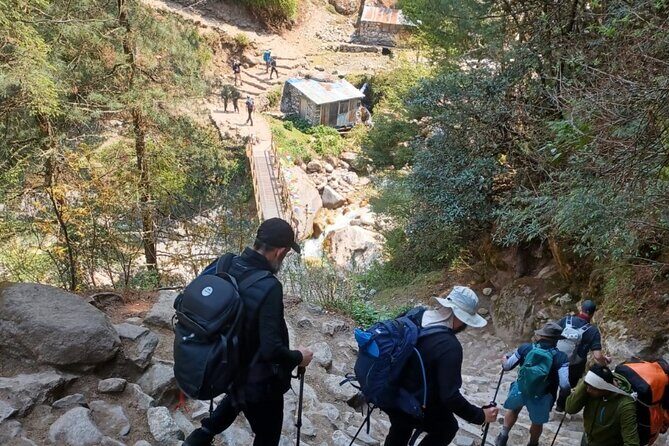
Next is Namche Bazaar, a key acclimatization stop and a place where the mountains start showing up in your day-to-day life. You’ll trek past Benkar, cross a suspension bridge, and reach Namche after passing into Sagarmatha National Park terrain. The plan includes time in Namche for a lodge stay and a solid dinner—plus it’s where you’ll likely feel the altitude more than on the first day.
Day 4 adds one of the best “reward hikes” on the trek: the climb to Everest View Hotel for panoramic views. This day is also where you can optionally visit the Sagarmatha National Park museum, which is a helpful way to understand Sherpa history and the region beyond just the photos.
Then you head to Tengboche, famous for the monastery grounds and mountain sightlines. The route goes through rhododendron forest, passes the Imja Khola area, and brings you into flat-ish terrain around Tengboche monastery for big views of Everest-related peaks. It’s a good day to notice how trails shift from river-valley hiking to more ridge-and-horizon walking.
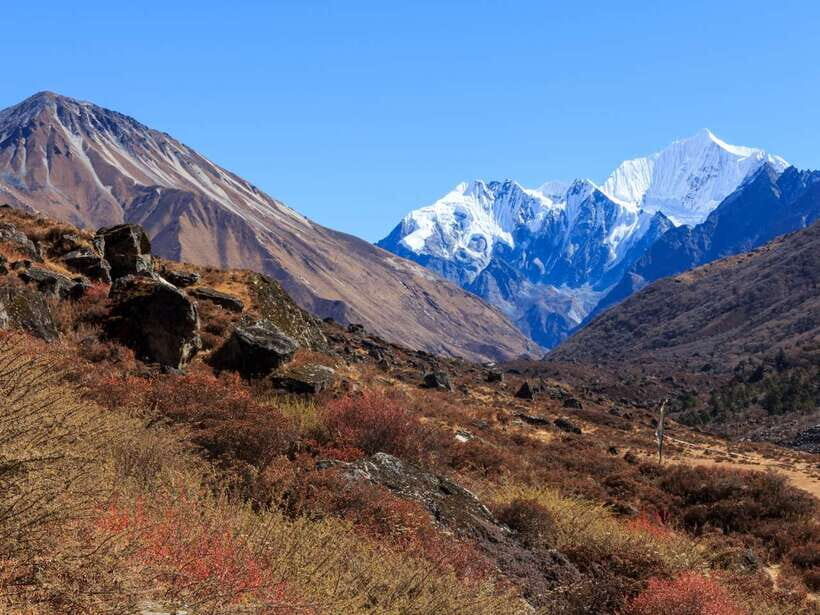
Finally, Dingboche is the landing spot for Day 6. The trek rolls through Deboche and Pangboche, where you see Tibetan-inscribed mani walls, then you continue upward to Dingboche. Here, you’ll find the dramatic backdrop of peaks like Lhotse, Island Peak, and Ama Dablam—exactly the kind of visual context that makes the later high-altitude days feel real.
Small consideration: tea-house stays and daily meals keep you warm and fed, but this is still a trail where you’ll need to be okay with simple rooms, shared facilities, and limited charging options.
Dingboche acclimatization: the slower day that pays off later
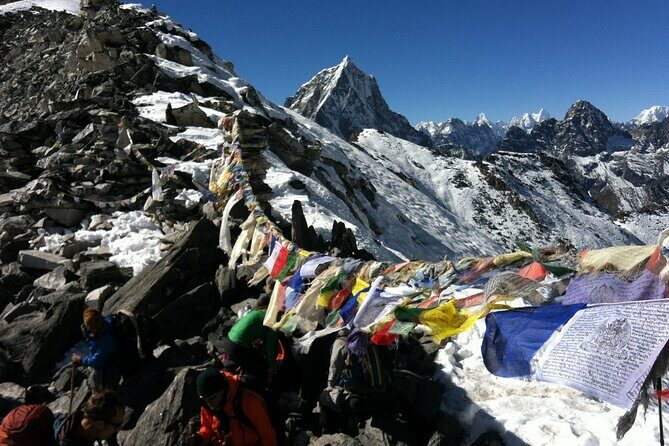
Day 7 is your acclimatization day, and it’s not filler. You rest for most of the day, then climb toward Nangkartshang Hill for views that include Makalu and Amphu Laptse in the backdrop.
The reason this is valuable is simple: it helps your body adjust before the trek pushes into the more rugged, higher terrain toward Lobuche and Base Camp. You’re still hiking, but it’s a controlled effort paired with time to recover.
There’s also a cultural stop: a brief tour of the Nangkartshang monastery. Even if you’re mostly there for the air and altitude, this adds meaning to the slow pace. It turns a rest day into a day you remember for more than just breathing exercises.
Practical note for you: if you feel nauseous or headachy, treat the day as a warning. Use the included rest time wisely and don’t try to “tough it out” for bragging rights.






Toward Lobuche: Dughla, Thukla Pass memorials, and the eerie beauty
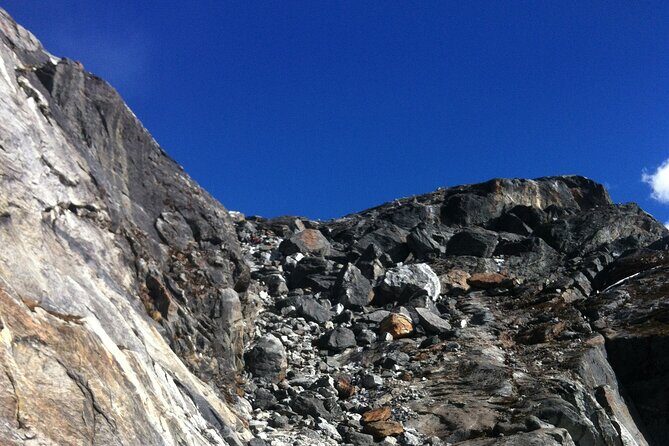
Day 8 moves you toward Lobuche via Dughla and the Thukla Pass area. The day is a mix: some downhill then uphill, with rocky and narrow sections as you approach higher, drier-looking terrain.
Thukla Pass includes memorials honoring deceased climbers. This is one of those moments where the trek becomes less about a bucket-list view and more about humility. It’s also a reminder that high mountains are unforgiving, which is why having a guide and keeping to the group matters.
When you reach Lobuche, the overnight stop puts you closer to the “icy desert” feel of the Khumbu highlands. You’re still sleeping in tea houses, but the surrounding vibe changes—less village life, more wind, more starkness, more focus on what’s next.
Base Camp at dawn and Kala Patthar: headlamps, glacial terrain, and sunrise payoff
Day 9 starts early and is structured for maximum experience. You hike from Lobuche toward Gorakshep, crossing glacial sections along the way. After arriving, you eat breakfast, then continue to Everest Base Camp for views of the Khumbu Icefall and nearby giants like Nuptse, Pumori, and Khumbutse.
Day 10 is the big second act: Kala Patthar. The climb is set up as a near-summit sunrise mission, and the plan specifically mentions using headlamps because you start before dawn. The hike to the top typically takes 2 to 3 hours, then you get sunrise views before descending back.
After you return to Base Camp, you’re set up with a hot meal. That’s not just comfort—it’s smart. After steep, cold-feeling altitude time, eating helps you recover so the descent doesn’t turn into a survival scramble.
If you’re wondering whether sunrise at Kala Patthar is worth it: it’s the kind of “yes” moment that earns its own place in your memory. The reason is that the view is wide, direct, and framed by the steepness of the terrain around you.
Days 11–13: the easier walking feeling, and the last look at Namche and Lukla
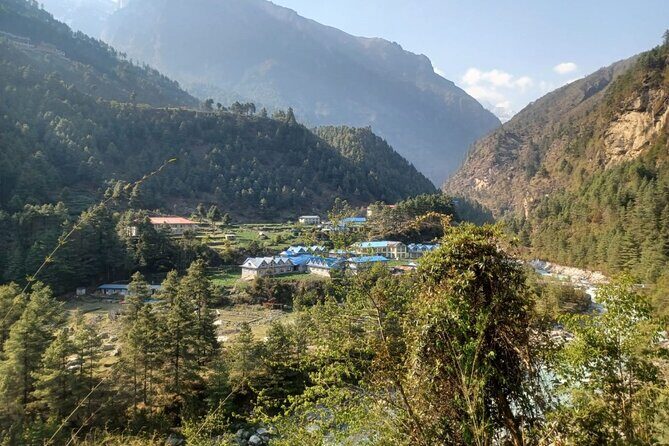
After Base Camp and Kala Patthar, the trek eases. Day 11 focuses on descent and mostly downhill hiking through conifer and rhododendron forests, returning via villages like Dingboche and Tengboche on the way to Namche Bazaar for your final night there.
Day 12 brings you down to Lukla, passing back over river corridors like the Bhote Koshi and Dudh Koshi areas, with a lunch break in Phakding and a chance to explore Lukla after unloading at the lodge. This is a good day to slow down, buy small souvenirs if you want them, and get some real rest.
Day 13 is Kathmandu again. You head back to Lukla airport early, then fly to Kathmandu and get time to relax, shower, and even add comfort like a massage if that’s your thing. It’s a nice landing after days where you’ve been on a strict rhythm.
What you’re really paying for: value breakdown of flights, permits, meals, and gear
The price is $1,499 per person for about 14 days, which is a lot of money—until you look at what’s included.
This package includes:
- Kathmandu hotel (3-star) with breakfast
- Domestic flights to and from Lukla (including taxes)
- National park and local entry permits
- Full-board meals on the trek (breakfast, lunch, dinner as scheduled)
- Twin-sharing tea-house lodging
- A government-licensed trekking guide who comes with meals, accommodation, and insurance
- Down jacket, sleeping bag, and duffel bag on request
- Private vehicle airport transfers
That’s a meaningful amount of “avoid-the-mess” planning. Flights, permits, and guide logistics are the parts that usually eat time and create stress if you handle everything alone.
What’s not included is also clear: personal nature expenses, hot and cold drinks, WiFi/internet, battery charging, and tipping for guides and porters. So set aside extra cash for everyday costs on the trail, especially in high-traffic tea houses where charging and drinks aren’t free.
The single biggest value question for you is simple: do you want your time spent hiking, not problem-solving? This package leans hard toward solving things for you.
Support that shows up when plans get real: Shishir and the guides/porters
In the reviews, the standout theme is communication and problem-solving. Shishir is repeatedly mentioned as being responsive—always on the other end of the phone—and helping resolve setbacks quickly in the traveler’s favor. That kind of responsiveness isn’t a luxury on this route; it’s a safety and sanity feature.
The trekking staff names also show up in positive feedback. Guides like Lok and Ghaman are credited with smooth organization and attentive care. Porters like Santha, plus others named such as Rai and Purna in different accounts, are praised for helping the trek feel manageable and enjoyable rather than chaotic.
The practical result for you: when you’re dealing with altitude, flight timing, and daily trail decisions, you want a team that watches the details. This trip’s included guide support and the emphasis on responsiveness are the reason so many people rate it highly.
Who should choose this Everest Base Camp trek, and who should think twice
This tour fits best if you:
- want the classic EBC route with Kala Patthar
- prefer a package that includes flights, permits, and meals
- have moderate physical fitness and can hike several hours daily
- value a guided group setup (and want your pickup and transfers handled)
You might think twice if:
- you strongly dislike uncertainty around flights to Lukla, including the possibility of starting via Ramechhap
- you need lots of private comfort and unlimited connectivity (charging and WiFi aren’t included)
Also, note that it’s described as a private tour/activity, meaning it’s your group rather than a random mix of strangers.
Should you book this 14-day Everest Base Camp trek?
If you want a guided, structured Everest Base Camp experience that handles flights, permits, meals, and daily logistics, this is a solid match. The value is strongest when you add up the included items that are usually the most annoying to arrange: the Lukla flights, park paperwork, guide insurance/coverage, and even key cold-weather gear on request.
If your biggest stress is flight timing and altitude tolerance, go into it with open eyes, especially around Lukla routing. And pack smart, because the trip gives you the gear you requested on request—but it can’t manage the mountain for you.
My call: book if you want less hassle and more mountain time, and you’re comfortable with the real altitude game of EBC and Kala Patthar.
FAQ
How long is the Everest Base Camp trek?
The duration is listed as 14 days (approx.).
Where does the trek start and end?
It starts and ends in Kathmandu, Nepal, with Day 14 returning to the airport for your departure.
Are airport transfers included?
Yes. The package includes airport transfers on a private vehicle as per the itinerary.
Are the flights to Lukla included?
Yes. Kathmandu–Lukla–Kathmandu domestic flights are included, along with all taxes.
What happens if flights to Lukla require using Ramechhap?
The plan notes that during peak seasons you may need to fly from Ramechhap. If that’s required, you’ll travel by private vehicle (about 4 hours) to reach the airport before flying to Lukla.
How high do you go?
You’ll reach Everest Base Camp (5,316 m) and Kala Patthar (5,545 m).
Are permits included?
Yes. The trip includes all required national park and local entry permits.
Is food included during the trek?
Yes. You get meals on full board as mentioned in the itinerary (breakfast, lunch, and dinner during trekking days).
Is trekking gear included?
Down jacket, sleeping bags, and a duffel bag are included on request.
Is tipping included?
No. Tipping for guides and porters is not included.