Sunrise over the Annapurna range from Sarangkot is the star. In just 3 days, you’ll also get a smooth transfer setup from Kathmandu, plus a guided Pokhara circuit that hits top sights like World Peace Pagoda and Fewa Tal. The trade-off is that the Kathmandu–Pokhara–Kathmandu rides are long and can feel bumpy.
I like that this plan mixes big-name views with genuinely calm moments, especially your time at Phewa Tal with a rowing boat. I also appreciate the practical structure: hotel pickup in Kathmandu, a tourist bus for the road section, and then an English-speaking guide with a private car for sightseeing. One thing to keep in mind: you’re committing to road travel on both ends, so if comfort is your top priority, consider your options before booking.
In This Review
- Quick hits before you go
- What this 3-day Pokhara highlight loop is really for
- Kathmandu to Pokhara by tourist bus: the long ride you accept
- Day 1 in Pokhara: check-in after the big travel block
- Day 2: Sarangkot sunrise, then Devi’s Fall, Gupteswar Gupha, and the lake
- Sarangkot sunrise: why the tour forces an early start
- World Peace Pagoda: temple views without the rush
- Devi’s Fall: the waterfall spectacle
- Gupteswar Gupha: natural cave scenery
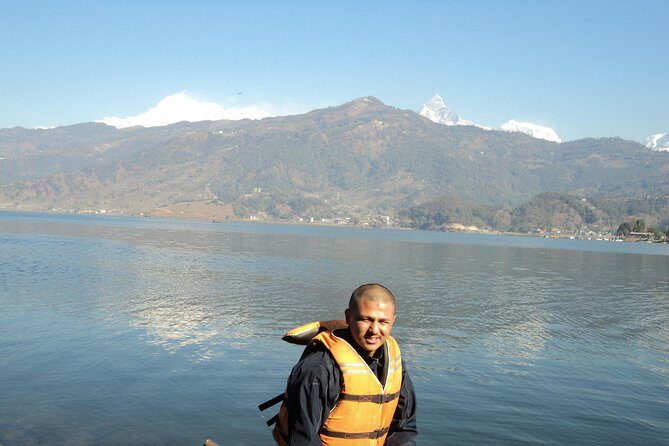
- Phewa Tal: the lake break with a rowing boat
- International Mountain Museum: how to make the mountains make sense
- Day 3: breakfast and the return to Kathmandu
- Price and logistics: what you pay, what you plan to pay
- Pace, comfort, and who this tour suits best
- Weather and timing tips for Annapurna views
- Should you book this 3 Days Pokhara Tour from Kathmandu?
- FAQ
- How long is the 3 Days Pokhara Tour from Kathmandu?
- What is included in the tour price?
- What is not included?
- Do I need to pay for tickets at each stop?
- Is there an early morning stop?
- Is the tour good for most travelers?
Quick hits before you go
- Early Sarangkot sunrise starting around 5:30 am from the Lakeside area
- Fewa Tal rowing boat for about an hour during your lake stop
- World Peace Pagoda with hilltop views toward the Annapurna region
- Devi’s Fall and Gupteswar Gupha for waterfall scenery plus a natural cave visit
- International Mountain Museum for mountaineering-focused context in Nepal
What this 3-day Pokhara highlight loop is really for
This tour is designed for people who want Pokhara’s best-known sights without a long vacation. You’re basically trading time for efficiency: the schedule is tight enough to cover a lot, but it still leaves room to enjoy places like the lake and hilltop viewpoints instead of only rushing photo stops.
If you’re on a short Nepal trip, this is a clear value. The itinerary also covers different moods in Pokhara: early morning mountain views, cool water scenery, a Japanese-style Buddhist temple viewpoint, and a museum stop that gives you some background for what you’re seeing in the Annapurna region.
The price point makes sense when you look at what’s included: hotel pickup/drop in Kathmandu, the round-trip tourist bus between Kathmandu and Pokhara, and then a private-car Pokhara circuit with an English-speaking guide. You’ll still pay for meals and some entrances, so it’s not a one-price-do-everything package—but it’s close enough that you can budget with confidence.
A few more Kathmandu tours and experiences worth a look

Kathmandu to Pokhara by tourist bus: the long ride you accept
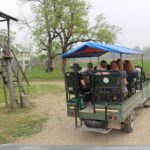
Day 1 starts with pickup from your Kathmandu hotel. From there, you transfer to the bus station and take a tourist bus to Pokhara. The ride is listed as about 8 hours.
In real life, that kind of bus schedule comes with two predictable realities:
- Roads can feel rough at times, so plan for a long, tiring day.
- It’s a full travel block, not a quick hop.
There’s also a practical point for the return: this tour runs back to Kathmandu as a scenic drive on a tourist bus, again around 8 hours. One reported issue from a past departure was a late drop near the roadside after dark rather than back at a central depot or directly where you expected. You can’t control traffic, but you can control your expectations: keep your evening flexible on Day 3, and don’t schedule anything tight right after arrival.
If you hate travel days, you might think about flying. But if you’re okay with road time for a lower-cost, organized transfer, the bus is part of what makes this itinerary work.
Day 1 in Pokhara: check-in after the big travel block
Once you arrive in Pokhara, you’ll transfer to your hotel. That’s the key Day 1 moment: you stop moving and start settling.
The tour doesn’t list extra admissions or major sightseeing on Day 1 beyond the transfer flow. That’s actually a plus. You get time to:
- Get your bearings in Pokhara
- Recover a bit from the Kathmandu road day
- Decide how you want to spend the evening, especially if you’re planning for an early sunrise wake-up next morning
This matters because Day 2 includes a very early start for Sarangkot.
Day 2: Sarangkot sunrise, then Devi’s Fall, Gupteswar Gupha, and the lake
Day 2 is the heart of the trip. It layers together viewpoint time, water sights, a cave visit, a temple on a hilltop, and then a lake break with boating. The timing is built around your Annapurna sunrise plan: you’re told to start around 5:30 am from the Lakeside area to reach Sarangkot at sunrise.
Sarangkot sunrise: why the tour forces an early start
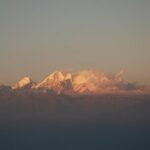
Sarangkot is where you go to look across the Annapurna range at first light. The tour’s schedule specifically calls for starting around 5:30 am so you catch the best chance at a good view.
What you should expect:
- Cold or chilly morning air, especially if you’re sensitive to early wake-ups
- A crowd situation that varies by season, since sunrise is popular here
- Real payoff if the sky cooperates
If you’re the type who can roll with early mornings, this stop justifies the entire itinerary.




World Peace Pagoda: temple views without the rush
After sunrise, you’ll head to the World Peace Pagoda. The listed visit is about 1 hour, and it’s described as a Japanese Buddhist temple on top of a hill.
This is one of those stops that can be quietly satisfying even if you’re not a temple person. You get:
- A sense of peace compared with the more hectic streets
- Views that put the Annapurna region into context
- A slower pace than the roadside photo stops
Admission is listed as free for this stop, so it’s low-stress once you’re there.
Devi’s Fall: the waterfall spectacle
Next up is Devi’s Fall. The visit time is short—around 20 minutes—and admissions are not included.
The practical part: you’ll want to bring your patience. Waterfalls usually mean people moving in and out of viewing areas, and the best angles can take a moment to find.
Still, it’s worth the quick visit because it gives Pokhara a signature “cool air and sound of water” moment.
Gupteswar Gupha: natural cave scenery
After Devi’s Fall, you’ll visit Gupteswar Gupha, a natural cave. The time is listed around 40 minutes, and admissions aren’t included.
This stop works well if you like places that feel physical and real, not just staged for photos. A cave visit also changes the pace, since it’s less about wide scenery and more about moving carefully through a different kind of space.
Wear shoes that handle uneven ground. And keep an eye on your footing if the cave area is slick.
Phewa Tal: the lake break with a rowing boat
Then you reach Phewa Tal, the lake stop. It’s listed as 1 hour and is marked as free for admission.
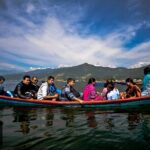
The overview adds an important extra: you’ll explore the lake by rowing boat for about an hour. That detail changes Phewa Tal from a simple viewing stop into an experience. You get time on the water instead of just standing near the shore.
This is also where the tour’s efficiency pays off. You’re not skipping the atmosphere. You’re getting a real chunk of time to slow down.
International Mountain Museum: how to make the mountains make sense
The last Day 2 stop is the International Mountain Museum, with an allotted 1 hour 30 minutes. Admission is not included here.
If you’re fascinated by Nepal’s climbing culture, this stop adds context. Even if you don’t know much about mountaineering, a museum visit can help you connect names, equipment, and stories to the mountains you saw in the sunrise photos.
It’s also a good indoor break if the weather shifts.
Day 3: breakfast and the return to Kathmandu
Day 3 begins after breakfast around 7:00 am. You’ll then transfer to the bus station and take a scenic tourist bus drive back to Kathmandu, listed as about 8 hours.
This is usually the day where you plan based on arrival time rather than your appetite for sightseeing. The tour ends once you’re back in Kathmandu, and there’s no additional listed program after the bus ride.
Because the trip is road-based, you’ll do best if you keep your Kathmandu evening open. If your hotel is far from the arrival drop, it’s worth factoring in time for a taxi or ride-share after you get settled.
Price and logistics: what you pay, what you plan to pay
The tour price is listed at $540 for the 3-day experience.
Here’s how that price makes sense:
- You’re covering hotel pickup and drop in Kathmandu.
- You’re getting round-trip tourist bus transfers between Kathmandu and Pokhara.
- You get a guided Pokhara circuit with an English-speaking guide and a private car for sightseeing.
What’s not included:
- Lunch and dinner
- Entrance fees at some stops (listed as approximately US$10 total)
- Gratitude is optional
So your real spending plan is fairly straightforward. Expect to budget meals separately and carry a little extra for entrances. If you’re careful with spending on Day 2 admissions, the tour stays good value.
Also pay attention to the tour size: it’s capped at a maximum of 25 travelers. That matters because it can keep the experience from feeling chaotic, especially during transfers and viewpoint stops.
Pace, comfort, and who this tour suits best
This trip is best for you if:
- You want Pokhara highlights in a short time
- You can handle early mornings (Sarangkot around 5:30 am)
- You don’t mind long bus days if it saves money and you’re traveling in a group
It may be a poor fit if:
- You strongly dislike road travel and prefer minimizing travel time
- You want guaranteed, hotel-to-hotel return precision at night (there’s a chance of late, roadside-style drop off based on past experience)
The tour provider is Couch Adventure Nepal (CAN), and they’re using a setup that combines shared transport with private-car touring once you reach Pokhara. That balance can be a good compromise: you pay less on the big travel leg, then you get more flexibility locally.
Weather and timing tips for Annapurna views
Most of your magic moments on this tour connect to morning conditions. Sunrise timing is set for Sarangkot, so you’ll benefit from simple prep:
- Dress in layers for pre-dawn temperatures
- Bring sunglasses if it’s bright right after sunrise
- Have a backup mindset: clouds can happen, and you’re still getting good sights even on a less-perfect day
Also, keep your Day 2 energy steady. You’re stacking multiple stops in one day, and the sunrise effort can make later sightseeing feel faster than you planned.
Should you book this 3 Days Pokhara Tour from Kathmandu?
I’d book it if you want a compact Pokhara “greatest hits” trip with organized transfers, an English-speaking guide in a private vehicle, and a day built around Annapurna sunrise plus a lake boating break. The price feels reasonable for what’s included, especially when you factor in the private-car sightseeing and the fact that lunch/dinner and a small entrance total are the only big add-ons.
I’d skip or rethink it if you’re sensitive to long road days. This itinerary includes two travel blocks (outbound and return) that can feel tiring, and at least one past experience noted an evening drop that wasn’t as direct as expected.
If you can handle the early start and the bus ride, this tour is a solid way to see Pokhara without overthinking logistics.
FAQ
How long is the 3 Days Pokhara Tour from Kathmandu?
It’s listed as 3 days (approx.), with an about 8-hour tourist bus ride on the way to Pokhara and another about 8-hour scenic bus ride back.
What is included in the tour price?
Included items are hotel pickup and drop off in Kathmandu, round-trip shared tourist bus transfer between Kathmandu and Pokhara, a full Pokhara tour with an English-speaking guide in a private car, and the trip is described as private.
What is not included?
Lunch and dinner are not included. Entrance fees for some stops are also not included (approx. US$10). Gratitude is optional.
Do I need to pay for tickets at each stop?
Not all stops have entrance fees. Some are listed as free (like World Peace Pagoda and Phewa Tal), while others are listed as not included (like Devi’s Fall, Gupteswar Gupha, and the International Mountain Museum).
Is there an early morning stop?
Yes. For Sarangkot sunrise, you’re instructed to start around 5:30 am from your hotel in the Lakeside area.
Is the tour good for most travelers?
It states that most travelers can participate, and the group size is capped at a maximum of 25 travelers.