REVIEW · KATHMANDU
Everest Base Camp Trek -14 Days
Book on Viator →Operated by Alpine Ramble Treks · Bookable on Viator
Everest starts with how you get there. This Everest Base Camp trek is built around a smooth handoff in Kathmandu and a pre-planned route up to Kalapathar and Base Camp, with a small team and a licensed guide keeping the whole rhythm on track. I like that the trip is set up to reduce the usual on-the-ground headaches, from meeting your crew to handling the core permits and documents.
Two things I especially like: you get full-board meals at trekking lodges (not just breakfast), and the trekking support is run by a real team people name in their stories. In the reviews, the owner Dil shows up a lot in the good way, and guides such as Sujal, Nir, Laxman, Ram, Saugat, and Subash get described as friendly and attentive to different group needs. One drawback to keep in mind: you pay extra for water, hot and cold drinks, Wi‑Fi, snacks, and any porter you decide you want during the trek.
In This Review
- Key things I’d tell a friend before you go
- What You’re Really Paying For: $1,420 and the value math
- Kathmandu in Thamel: your first win is how the trip starts
- The Lukla flight: short hop, big mood change
- Days on the trail: what each stage feels like
- Day 1: Arrive and reset in Kathmandu
- Day 2: Lukla and a short start for acclimatization
- Day 3: Pine forest trails and your first Everest view
- Day 4: Acclimatization day with big-sky viewpoints
- Day 5: Dudh-Koshi descent, then rhododendron ascent
- Day 6: Tengboche monastery in early light
- Day 7: Dingboche rest day in farming-land views
- Day 8: Steeper climb and the memorial ridge at Chukpo Lari
- Day 9: Lobuche, the glacier approach, and the long-awaited push
- Day 10: Kalapathar early rise and 360-degree sunrise views
- Day 11: Descend through Sherpa villages, return toward Tengboche
- Day 12: Return downhill with suspension bridges and familiar villages
- Day 13: Fly back to Kathmandu and take it easy
- Tengboche, memorials, and lodge life: the real texture of the trip
- Guide quality and the small-group advantage
- Packing, altitude, and what to do with included meds
- Who should book this trek—and who should reconsider
- Should you book Alpine Ramble Treks for Everest Base Camp?
- FAQ
- How many travelers are on this Everest Base Camp trek?
- Where does the trek start and end?
- What’s included in the trek package?
- What is not included?
- How long is the trek?
- Are the flights to Lukla included?
- Do I need to purchase a porter?
- What is the cancellation policy?
Key things I’d tell a friend before you go
- Small group (max 12): easier conversation, less chaos on the trail, and a better chance to form quick friendships.
- Lukla flights included: round-trip flights Kathmandu–Lukla with departure taxes, which removes a big planning headache.
- Licensed guide + permits handled: paperwork for Everest National Park and TIMS card is included, plus a government-licensed guide leads you.
- Kala Patthar sunrise timing: an early wake-up and the long climb to the viewpoint is part of the core plan.
- Lodge meals are included: breakfast, lunch, and dinner during the trek—expect simple, local, and consistent rather than fancy.
- Altitude support is built in: the trip includes a basic first aid kit with Diamox, and uses an itinerary with rest and acclimatization days.
What You’re Really Paying For: $1,420 and the value math
At $1,420 per person, this Everest Base Camp trek isn’t a bargain, and it’s not a luxury send-off either. It sits in the middle where most people want to land: you’re paying for coordination, safety structure, and time saved.
Here’s where the money makes sense. The package includes round-trip flights between Kathmandu and Lukla, full-board meals during the trek, trekking-lodge accommodations, a licensed guide, and the official paperwork for the Everest region (including Everest National Park and the TIMS card). It also includes a basic first aid medical kit and an emergency rescue operation funded by your travel insurance.
What’s not covered matters just as much. You pay for water and drinks, Wi‑Fi, snacks, and you’re responsible for tipping/gratitude to the guides and staff. If you like a lot of coffee, hot showers, and frequent upgrades, your trip cost will climb. If you keep it simple—fill up on what’s included and pace your purchases—this can feel like good value for a trek this logistically heavy.
One more value point: Everest Base Camp routes have changed over time, and the trip notes that Base Camp location may move. That’s why pre-planning matters. You’re not spending your limited time in Nepal negotiating logistics day by day.
You can also read our reviews of more hiking tours in Kathmandu


Kathmandu in Thamel: your first win is how the trip starts
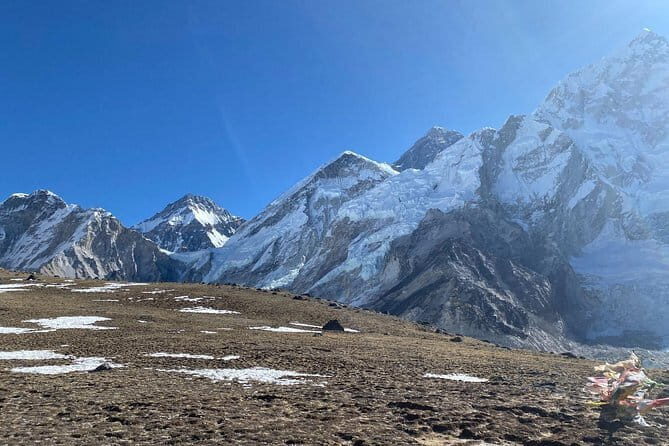
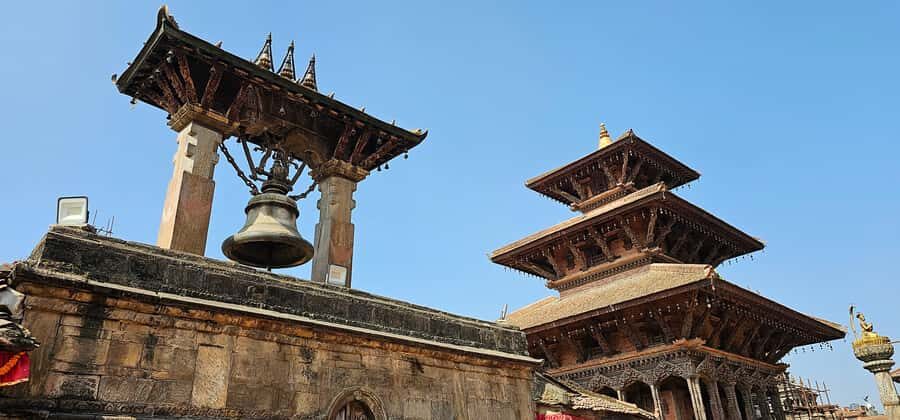
Your trip starts in Thamel, Kathmandu, with an airport transfer on arrival at Tribhuvan International Airport. You’ll be welcomed by the tour staff and taken to your hotel for overnight. Then later, after the trek, you get a night at a top Kathmandu hotel and dinner—so you end with a real chance to recharge, not just a rushed departure.
I like this setup because it lowers stress right away. EBC treks are hard enough without trying to figure out your first-night plan, where to eat, or how to get your bearings in a city you’re not used to. Thamel is practical for first-timers: lots of restaurants, easy walkability, and you’re near public transport.
Also, multiple reviews highlight the team’s hospitality when you arrive—things like airport pickup and friendly, personal touches. In real terms, that means you’re less likely to start the trek tired, confused, or missing paperwork.
The Lukla flight: short hop, big mood change
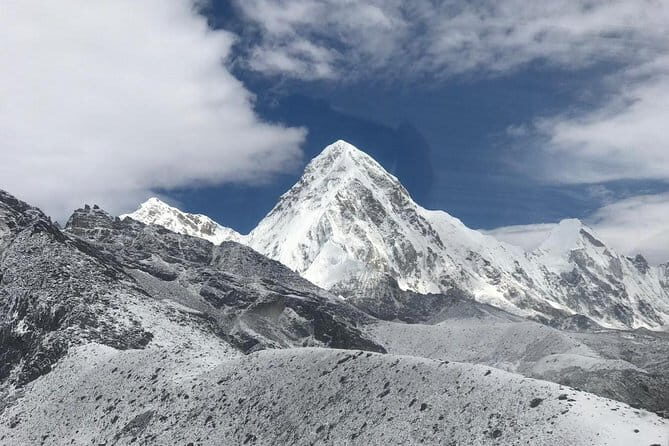
Day 2 begins with an early scenic flight of about 35 minutes to Lukla. It’s one of those flights that feels quick, but it changes everything psychologically. After you land, you’re in Sherpa country and the trekking life takes over fast.
You’ll meet and introduce your crew, including the team that carries your luggage for the trek. From a practical standpoint, that matters. The Everest region is not the place to accidentally burden yourself with extra weight while your body is adjusting to thinner air.
One thing to remember: flights to Lukla can affect schedules in real life (weather is a known variable on this route), but this package locks in the core travel plan by including the flights in the itinerary. That’s valuable even if minor disruptions happen—because you’re working inside a prepared framework.
Days on the trail: what each stage feels like
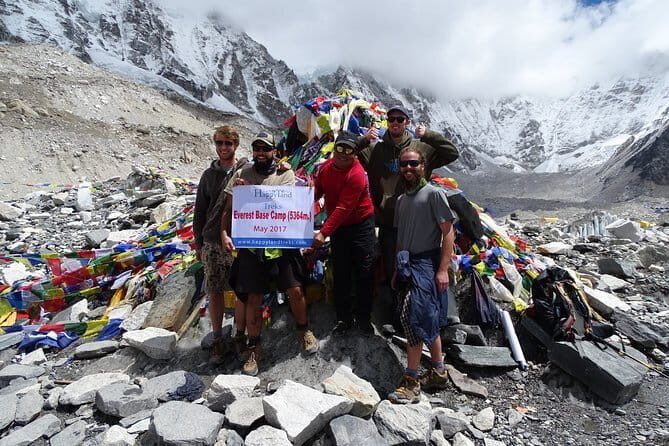
This is a classic “go higher, slow down, recover, repeat” trek. The itinerary includes acclimatization and rest days, and you’ll also hit some longer, tougher hiking stretches. Your best strategy is to treat each day as a learning day for your pace, not as a race.
Day 1: Arrive and reset in Kathmandu
You land, you get transferred, and you sleep. No hiking. No scrambling. Just enough time to eat, hydrate, and prepare your gear.





Day 2: Lukla and a short start for acclimatization
You fly into Lukla and begin with about 2 hours of acclimatization, then transition into the start of the trek. This is where I’d focus on breathing calmly and keeping effort steady. Early excitement is real, but pushing too hard on day one is the quickest way to feel awful later.
Day 3: Pine forest trails and your first Everest view
Day 3 starts with hot drinks and breakfast, then you trek through a lush pine forest, cross the Dudkosi River, and you get your first strong views of Everest and the surrounding giants.
This day is special because it’s the moment the trek turns from effort into awe. You still work for every kilometer, but the scenery starts pulling you forward.
Day 4: Acclimatization day with big-sky viewpoints
You rest and acclimatize, then ascend to lookout points for wide mountain views—Everest, Lhotse, Cholatse, Thamserku, Kwangde, Khandala, and Ama Dablam are specifically called out. It’s a reminder that acclimatization doesn’t always mean total rest. Sometimes it means moving enough to help your body adapt, without draining it.
If you tend to get restless, this day is a good compromise. You get motion and views, not just sitting.
Day 5: Dudh-Koshi descent, then rhododendron ascent
Day 5 follows the Everest “highway” route and includes a famous descent to the Dudh-Koshi River, followed by an ascent along rhododendron. This pattern—down, then up—is common in the Khumbu region, and it tests your legs in a very specific way.
Advice: on days like this, watch your downhill step length. Short steps save knees.
Day 6: Tengboche monastery in early light
After breakfast, the trail brings you into one of the most iconic stops: Tengboche Monastery. The itinerary calls out the monastery in the early morning light as pristine and extremely spectacular.
This day also moves through forests described with vivid character—pines and ridges that feel like a thick, sheltered world compared to the barren stretches higher up. It’s a great place to slow down and take your time with the camera, because it’s not just a scenic stop—it’s a cultural anchor.
Day 7: Dingboche rest day in farming-land views
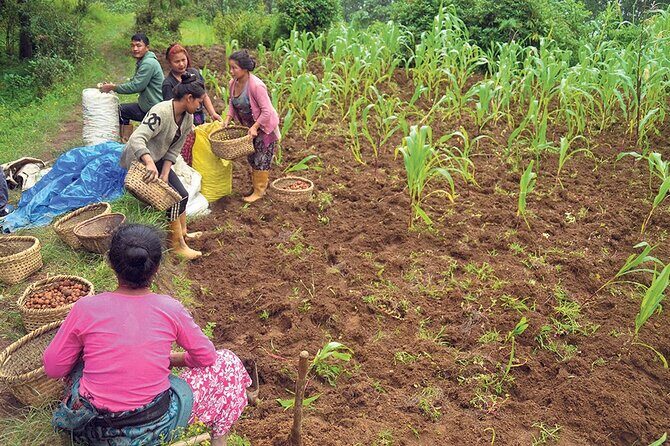
You get a rest day at Dingboche, a popular place for trekkers and climbers heading toward Everest, Ama Dablam, and Imja Tse. The village is described as beautiful, with fields and stone walls that protect barley.
Rest days can be boring on paper and great in real life. In Dingboche, rest usually means you can manage your breathing, hydrate, and stop the “I’m behind” feeling from creeping in.
Day 8: Steeper climb and the memorial ridge at Chukpo Lari
Day 8 starts with a gradual climb toward Duglha, then turns into a steep climb up to the ridge at Chukpo Lari, where there are memorials honoring climbers who died on Mount Everest.
This is one of those days where your mind catches up with the altitude. The view is likely the big reward, but the memorials also add weight. I like that the itinerary doesn’t treat the climb as a pure checklist. It acknowledges the seriousness of the mountain.
Day 9: Lobuche, the glacier approach, and the long-awaited push
Leaving from Lobuche, the trail follows flat meadow sections, then moves toward the Khumbu Glacier northwards and climbs up onto the lateral moraine.
The “exciting and long-awaited” feeling is easy to understand here: you’re getting closer to the dramatic glacial terrain that frames Everest’s approach. This is often where strong pacing matters most. If you arrive feeling good, the rest of the trek feels possible.
Day 10: Kalapathar early rise and 360-degree sunrise views
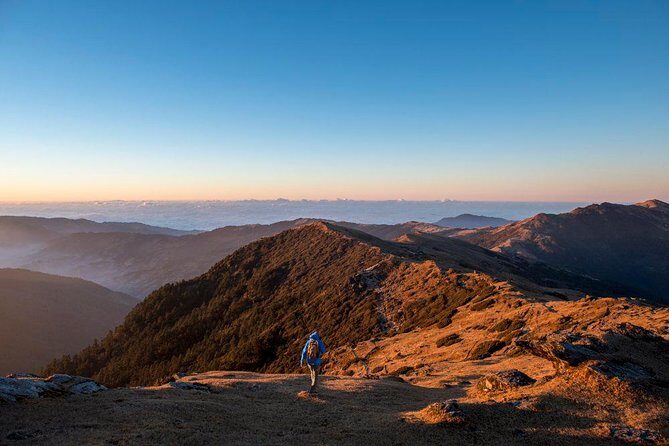
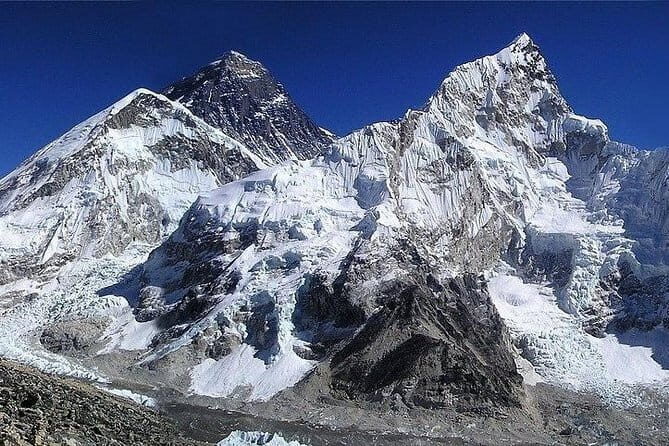
Wake up early and climb for about 2 hours to Kalapathar, known for sunrise views across the basin. The itinerary highlights views that include Everest and other major peaks around you.
This is the day that turns many people into early risers for good reason. The sunrise cost is discomfort, but the payoff is wide-open perspective—weather permitting. Your best plan: dress in layers, keep moving gently, and be ready for the cold even before the sun shows up.
Day 11: Descend through Sherpa villages, return toward Tengboche
The route descends through Sherpa villages, then works toward Dudh-Koshi, crosses the river, and continues into forest. After that, you climb back up to Tengboche.
The “descend, cross, then climb” rhythm can feel weird after the big push days. Think of it as recovery training for your body and your knees.
Day 12: Return downhill with suspension bridges and familiar villages
Day 12 takes you back through the villages you crossed earlier—Jorsalle, Manjo, Benkar, Phakding, and others. You’ll also walk over several suspension bridges across Dudh Koshi.
This day can be surprisingly emotional because the trail starts to feel familiar. It’s also where you’ll appreciate strong trekking poles and good boot traction.
Day 13: Fly back to Kathmandu and take it easy
You fly back to Kathmandu and then have leisure time in the city. This is where you can finally eat like a normal person, stretch out, and let sleep do its job.
Tengboche, memorials, and lodge life: the real texture of the trip
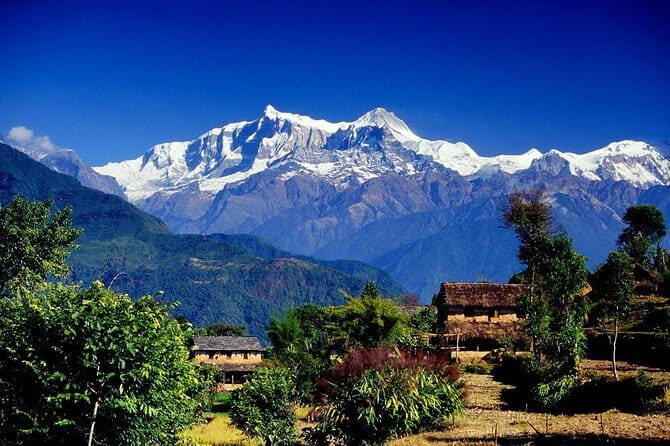
The famous part is Everest Base Camp, but the trip’s character comes from the smaller moments.
Tengboche is more than a photo stop. A monastery in the early morning light adds calm, and you’ll pass through forests that feel sheltered and cooler than the exposed zones you’ll see later. The itinerary also includes Dingboche, which gives you a rest day inside a village environment rather than a sterile “sit and wait” break.
Then there’s Chukpo Lari, where memorials honor climbers who died. That stop adds context. It reminds you that this region isn’t just about views; it’s about human effort and risk.
What about lodge life? The package includes accommodations at “best available trekking lodges.” In practical terms, think clean basics rather than modern hotels. Reviews also mention that some lodging can be more basic in places like Lukla, and that meals can be simple with menu repetition. That’s normal for the route. If you expect gourmet, you’ll feel disappointed. If you expect warmth, simplicity, and stamina fuel, you’ll feel fine.
Guide quality and the small-group advantage
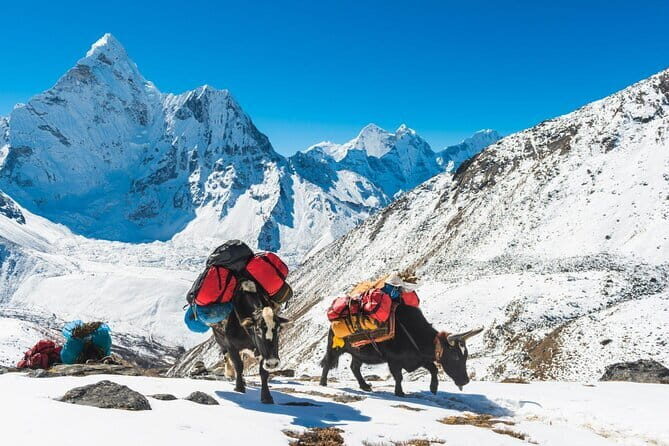
This trek caps at 12 travelers, which is one of the strongest reasons to choose this style of trip. On a trail that can get busy around key waypoints, a smaller group makes it easier to move together, regroup quickly, and ask questions without shouting.
The guide is also a big deal here. You’re assigned a government-licensed guide, and the stories I read name several guides and describe them as organized, supportive, and attentive. Names that show up include Dil (owner/organizer), and guides such as Sujal, Nir, Laxman, Ram, Saugat, and Subash. I can’t guarantee which one you’ll get, but the pattern is consistent: friendly, hands-on guidance rather than a silent “follow me” setup.
Also, you’re not left to negotiate everything yourself. The package is built to skip stress, including the paperwork for the Everest area. That’s especially helpful if you’re visiting Nepal for the first time or you just want the trail focus.
Packing, altitude, and what to do with included meds
At these elevations, altitude is the story whether you like it or not. The itinerary is designed with acclimatization and rest. Still, you should prepare for feeling winded and for cold nights.
A few important practical notes from what’s included:
- The trek includes a basic first aid kit, including Diamox for altitude sickness.
- You also get an emergency rescue operation funded by your travel insurance.
That doesn’t mean you can ignore altitude risk. It means your trip has the basics covered while you make smart choices: slow pace, steady hydration, and listening to your guide when you feel off.
For your gear and money planning:
- You pay for water and drinks.
- Wi‑Fi and snacks are not included, so plan on spending less time online than you might at home.
- You can add a porter if you need one, but a local porter is not automatically included in the package.
If you want an easy rule: pack for comfort and layer well. And keep your purchases light so you don’t get surprised by the daily “small costs” that pile up.
Who should book this trek—and who should reconsider
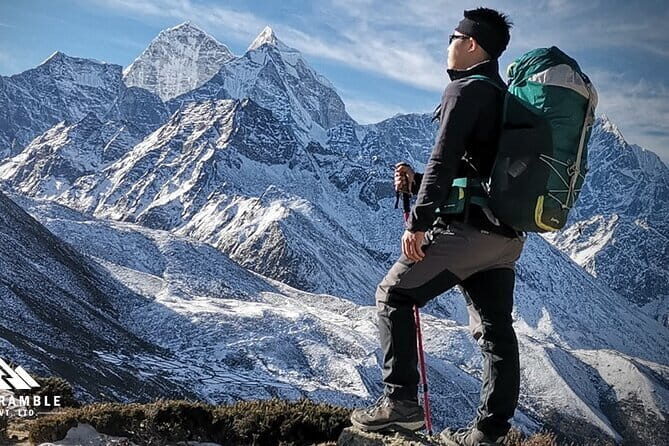
This Everest Base Camp trek is a good match if you:
- Want a guided, pre-planned route with permits and paperwork handled
- Prefer a small group over big bus-style trekking
- Are okay with trekking lodges and simple meals in exchange for big mountain payoff
- Have moderate physical fitness and you’re prepared to walk most days
Consider thinking twice if you:
- Want luxury hotel standards on the trail (that’s not the style here)
- Rely on frequent Wi‑Fi, hot showers, or lots of paid extras
- Are not comfortable planning for altitude and pacing on a multi-day climb
Also, if you’re traveling as a teen or with mixed experience levels, the guide support described in the reviews is a strong sign that the team can adapt to different needs.
Should you book Alpine Ramble Treks for Everest Base Camp?
I’d book this if you want a classic Everest Base Camp experience with fewer moving parts. The strongest reason is practical: you get flights, lodge meals, accommodations, a government-licensed guide, and the key paperwork—so you spend your energy on the trail instead of logistics.
I’d hesitate only if you know you’ll be frustrated by simple lodge lodging, menu repetition at certain stops, and the extra daily spending on water, drinks, Wi‑Fi, and snacks. This trip is built for hikers who like the mountains more than they like amenities.
If your goal is to reach Everest Base Camp and stand at Kalapathar at sunrise, with a team that’s small-group friendly and organized, this is a solid choice.
FAQ
How many travelers are on this Everest Base Camp trek?
The group size has a maximum of 12 travelers.
Where does the trek start and end?
It starts in Thamel, Kathmandu, Nepal. It ends back at the same meeting point after you return from the trek.
What’s included in the trek package?
The package includes full-board meals during the trek, trekking-lodge accommodations, a government-licensed guide, round-trip flights between Kathmandu and Lukla (with departure taxes), a first aid medical kit, trekking documents (Everest National Park and TIMS card), and emergency rescue operation funded by travel insurance.
What is not included?
Not included are international flights, accommodations and meals before and after the trek, a local porter if you need one, Nepal entry visa fees, and personal expenses like hot showers, hot and cold drinks, snacks, water, and Wi‑Fi. Tipping/gratitude to guides and staff is also not included.
How long is the trek?
The duration is listed as about 13 days (approx.), with the trek portion covering multiple days of hiking and acclimatization plus travel time to and from Lukla.
Are the flights to Lukla included?
Yes. Round-trip flights Kathmandu to Lukla and Lukla to Kathmandu are included, including departure taxes.
Do I need to purchase a porter?
A local porter is not included if you need one. You can arrange for a porter by paying extra.
What is the cancellation policy?
You can cancel up to 24 hours in advance for a full refund. If you cancel less than 24 hours before the experience starts, the amount paid is not refunded.