REVIEW · KATHMANDU
Everest Base Camp Trekking – 16 Days
Book on Viator →Operated by Eco Holidays Nepal · Bookable on Viator
Everest Base Camp reroutes your sense of distance. This 16-day trek has the right mix of big scenery and real rhythm, with the altitude building up gradually through Namche Bazaar and later the key payoff at Kalapatthar (5,545 m). I also like how the trip packages logistics tightly: flights, guide support, park fees, and most meals are handled so you can focus on walking and breathing.
One watch-out: the trek hinges on flight timing into Lukla, and weather can turn plans into a question mark, even though there’s an extra Kathmandu day saved for that.
In This Review
- Key highlights that make this Everest trek click
- From Tribhuvan Airport to trek mode in Kathmandu
- The Lukla flight that sets the whole tone
- Namche Bazaar: where acclimatization starts feeling real
- Tengboche to Dingboche: monasteries, villages, and slower elevation gains
- Lobuche and the route above Pheriche Valley
- Everest Base Camp day: big icons, big effort
- Kalapatthar at 5,545 m: the payoff morning
- Coming down the Khumbu: Pangboche, Thyangboche, and Namche
- Getting value for $2,350: what’s included and what you should plan for
- Who should book this 16-day Everest Base Camp trek?
- Should you book Everest Base Camp Trekking (16 Days)?
- FAQ
- Where does the experience start?
- How long is the Everest Base Camp trek?
- What kind of flights are included?
- Are meals included during the trek?
- Do I get a porter for my luggage?
- Is trekking equipment provided?
- Are national park fees included?
- What happens if flights are delayed or canceled?
- What are the age and health limits?
- Can I cancel and get a refund?
Key highlights that make this Everest trek click
- Lukla-to-trek start, fast flight: a short Kathmandu to Lukla flight gets you into the mountains quickly.
- Two real acclimatization days: rest time in Namche and again in Dingboche helps your body handle the climb.
- Tengboche and Thyangboche monastery visits: Buddhist sites add culture on top of peak views.
- Everest Base Camp day + Gorakshep overnight: you reach the goal, then stay nearby for the next-day push.
- Kalapatthar is the big altitude moment: an early climb for an eye-popping panorama that’s built into the schedule.
- Small group, private setup: up to 15 people per booking, and an assistant guide if the group gets bigger.
From Tribhuvan Airport to trek mode in Kathmandu
Your journey starts in Kathmandu at Tribhuvan Airport, with pickup arranged. After you check in, the schedule is kind to tired bodies: it’s a low-key Day 1 so you can reset from jet lag, meet your group, and ease into the plan.
That first evening includes dinner at a Nepalese restaurant plus local cultural programs. It’s not just a warm-up meal. Kathmandu food and culture can be surprisingly grounding before you head for a week of thin-air mornings. It also helps you get your bearings fast—especially if this is your first time in Nepal.
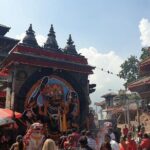
Day 2 is a Kathmandu heritage day at Kathmandu Durbar Square (about two hours). It’s also explicitly a preparation day for the trek, so don’t expect a marathon of sightseeing. Think of it as setting context: you’re about to walk through Sherpa culture and high-country landscapes, and a quick taste of the city’s historic core keeps it from feeling like the mountains appeared out of nowhere.
One practical note: admission for Durbar Square is not included, so budget for that separately.
You can also read our reviews of more hiking tours in Kathmandu
The Lukla flight that sets the whole tone
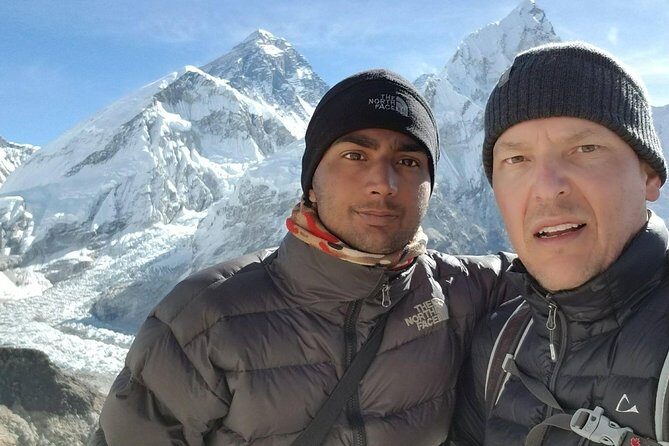
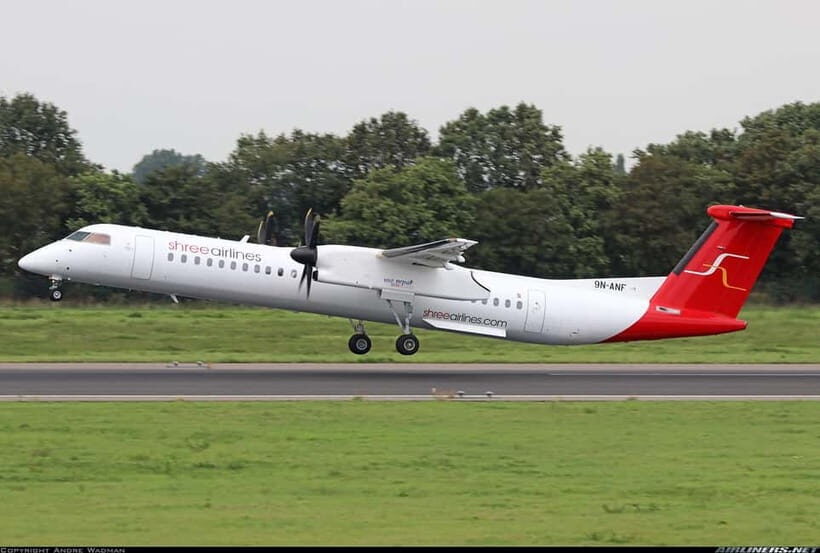
On Day 3, you take a short flight (listed as about 30 minutes) from Kathmandu to Lukla, and that’s where the trek officially begins. In plain terms: this flight is the hinge between city life and Khumbu trekking life.
Why it matters:
- You start walking sooner rather than spending days on long road transfers.
- You get quick exposure to the rolling hills and mountain views from above.
- You reduce the number of travel days that can throw off your acclimatization.
The trek that day ends in Phakding. This is a good first-night choice because it keeps you from rushing too hard immediately after the flight. You’ll feel the rhythm begin right away: lodge, food, sleep, then tomorrow you’ll start building altitude for real.
If you’re the type who hates uncertainty, here’s the reality: Lukla flights can be weather-sensitive. That’s not a reason to skip the trek—it’s just why you’ll want to treat this trip like a mountain trip, not a theme park schedule.
Namche Bazaar: where acclimatization starts feeling real
Day 4 walks you into Namche Bazaar, the Sherpa hub and gateway to the Everest region. The route is described as passing through pines and rhododendron trees before you reach the town. That matters because it breaks the monotony: you get forest scenery on the way up, then suddenly you’re in the busiest pocket of the Khumbu.
Namche is also where you’ll understand the practical side of Everest trekking: altitude isn’t just a number. It changes how you eat, how you climb, and how fast you recover.
Day 5 is a rest day for acclimatization, and you keep it flexible with a hike around Namche, a museum stop, and time to enjoy the snowcapped-peak views. This kind of day is one of the best uses of your time on an EBC trek, because it helps you move better later when the route gets steeper and colder.
What I like about this structure is that you’re not just “resting.” You’re learning the rhythm—walk gently, pause often, and let your body adjust before pushing higher.
Tengboche to Dingboche: monasteries, villages, and slower elevation gains
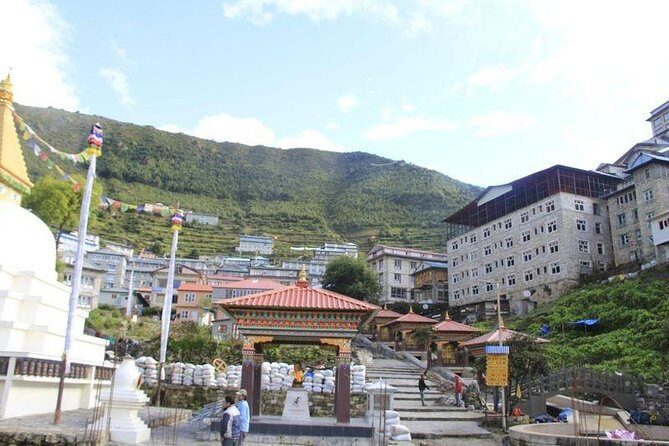
On Day 6, you head toward Tengboche Monastery (spelled Tyangboche in the itinerary text). You’re walking from Namche toward Tyanga boche/Tengboche, with mountain views along the way. The itinerary is clear that you visit the monastery and observe monks and priests during religious activities. Admission is not included, so again, plan for extra entry fees if you want to go inside.
Tengboche is one of the culture anchors of the trek. The monastery setting gives you something to look at besides peaks and stone paths—and it helps explain why Sherpa life here is deeply tied to spiritual tradition.
Day 7 brings you to Dingboche, passing through villages such as Pangboche and Deoboche. Dingboche is positioned for views and for acclimatization logic. You’ll spend the night there, and Day 8 is another rest day.
Day 8 keeps the same idea: stroll around Dingboche, enjoy the surrounding views, and give your body a chance to catch up. Two acclimatization breaks in this trek design are a big deal. They’re not there to pad the itinerary. They’re there to help you arrive higher feeling less smashed.
Lobuche and the route above Pheriche Valley
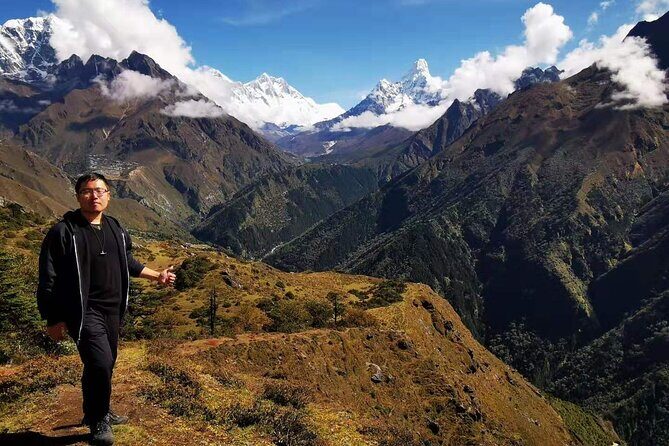
On Day 9, you head toward Lobuche, and the day’s description emphasizes a winding path above Pheriche valley. You also get key peak scenery, with mentions of Cholatse and Taboche along the way.
The itinerary notes that when you reach Thugla, the Khumbu glacier melts into a raging river. That’s the kind of detail that makes the day feel alive: you’re not just walking between towns; you’re moving through a living system of ice, water, and weather.
You sleep in Lobuche for the night. This is a classic “you’re getting close” staging point. The air usually feels thinner and colder, and that makes your next goal day feel sharper.
Everest Base Camp day: big icons, big effort
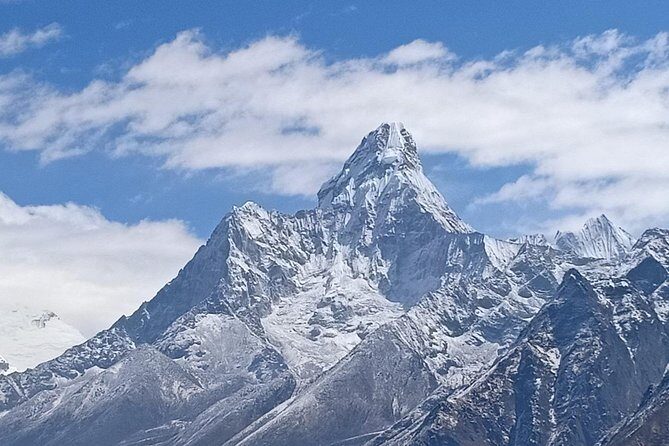
Day 10 is the headline. You walk to the main destination at Everest Base Camp, then continue to Gorakshep for overnight.
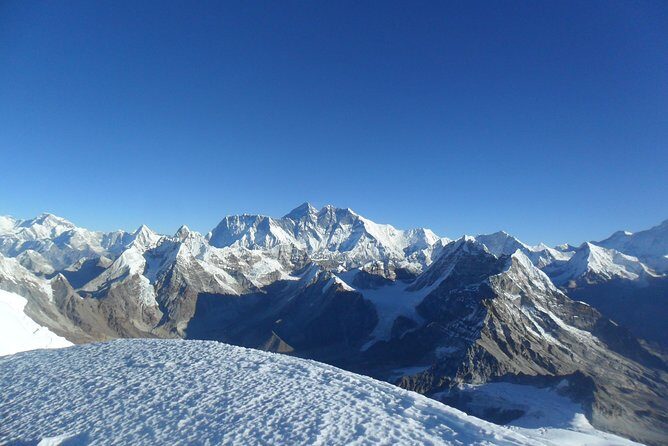
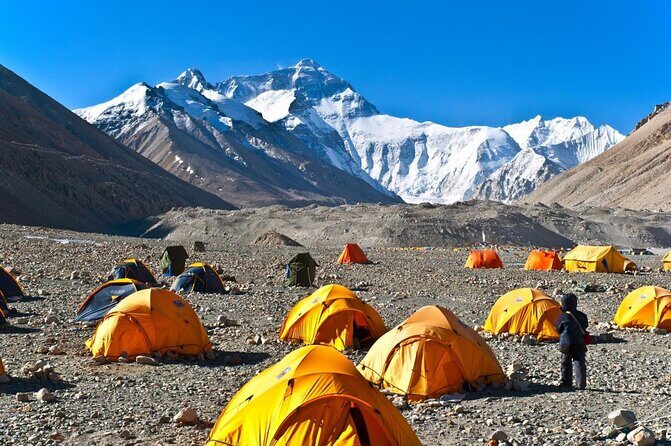
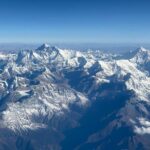
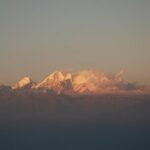
The description specifically calls out the sense of scale: you’ll enjoy watching towering peaks like Mount Everest, Nuptse, Lhotse, and Pumori, and you’ll have time for photos and a deep breath at the base camp area.
Then comes the practical part: after the high point, you still have the overnight at Gorakshep. That matters because tomorrow isn’t optional. It’s the day you climb higher and go for the panorama.
If you’re thinking about what to do with your energy at base camp: don’t burn it all at once. Spend time there, take photos, but still save enough for the early morning push.
Kalapatthar at 5,545 m: the payoff morning
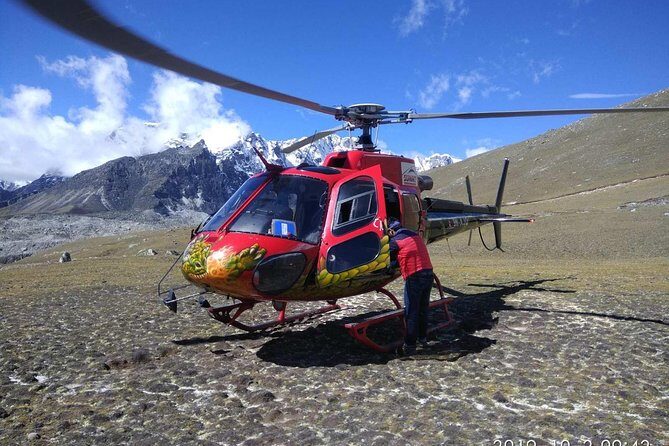
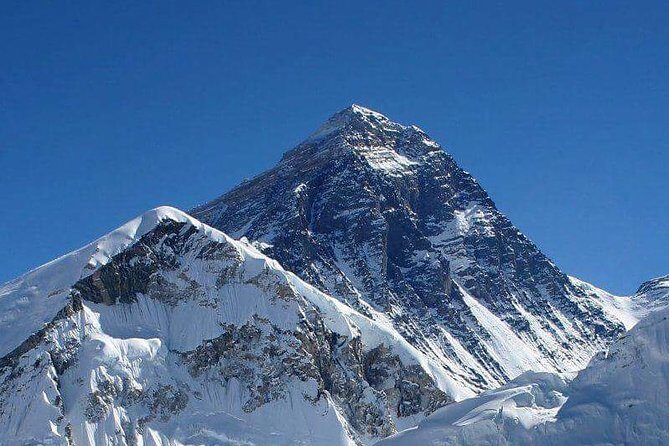
Day 11 starts before breakfast with an early climb to the top of a rocky hill above 5,545 m, which the itinerary calls the highest spot of the adventure. This is Kalapatthar, and it’s the day with the strongest “wow” factor.
The schedule promises an overwhelming panorama with close views of Everest and Mt. Pumori. After that, you descend to Gorakshep for breakfast, then continue trekking down toward Pheriche valley and onward to Pangboche for the night.
This day is a reminder that Everest treks aren’t only about a single destination. You earn the best views by doing a series of hard, controlled efforts. Kalapatthar is the one where you feel that effort most.
Coming down the Khumbu: Pangboche, Thyangboche, and Namche
The return route is often where trekkers either lose momentum or find their best flow. Here, Day 12 is an easy downhill but long walk back toward Namche Bazaar.
You start in Pangboche, then climb to Thyangboche (with the colorful monastery noted). From there, you walk back to Namche for the last overnight stop in the Khumbu area before heading to Lukla.
Day 13 is the walk from Namche toward Lukla, retracing the trail back to where your trek began. It’s also psychologically helpful: you get proof the route is finite. You’re not just climbing into the unknown.
Then Day 14 brings the flight back to Kathmandu from Lukla. After landing, you transfer to a hotel and have a rest day for the remainder of the day.
Getting value for $2,350: what’s included and what you should plan for
At $2,350.34 per person, this is not a cheap trip. But it’s also not a bare-bones “good luck with your permit” situation.
Here’s what you do get:
- Round-trip flight (included)
- Accommodation as per itinerary
- A professional guide with salary and insurance, plus an assistant guide if your group is larger than 6
- Transport by private vehicle in Kathmandu
- National park fees (included)
- Meals: 15 breakfasts, 11 lunches, 11 dinners
- Necessary trek equipment (provided during the trek and returned afterward)
- Local taxes included
Now the things to expect are not included:
- Porter service for caring luggage (not included)
- Alcoholic drinks
- Battery charge, WiFi, and shower access in high Himalayas
- Souvenir photos (sold separately)
- Excess luggage charges (if they apply)
My value take: if you compare against other EBC options, the price makes more sense when the flights, park fees, and most meals are bundled—because those are the costs that can add up fast on your own. The one big “value risk” is the porter/luggage piece. If you want that added help, plan for it, because the trek’s walking days are long enough that carrying a lot can slow you down.
Also, this is a private tour/activity where only your group participates, with a maximum of 15 people per booking. That’s a quieter, more manageable setup than big public group departures.
Who should book this 16-day Everest Base Camp trek?
This trek fits best if you:
- Have moderate physical fitness
- Want a structured plan with acclimatization days
- Prefer a guided experience with meals and park fees handled
- Care about mixing scenery with culture (monasteries and Sherpa-influenced village stops)
It’s not a good idea if you:
- Have heart complaints or other serious medical conditions (not recommended)
- Are pregnant (not recommended)
- Can’t handle the altitude challenges implied by a route that includes Kalapatthar above 5,545 m
One more practical point: this is a maximum-15 private booking, so if you’re traveling solo, you’ll still be in the loop with others, but you should feel you’re with an organized team rather than getting tossed into a random crowd.
Should you book Everest Base Camp Trekking (16 Days)?
Yes—if you want Everest Base Camp with a clear structure and you appreciate the “less to manage, more to walk” approach. The itinerary is built around acclimatization, culture stops at monastery sites, and a high-reward summit-morning at Kalapatthar. That combo is exactly what makes EBC feel like a complete experience instead of just a checklist.
I’d book it especially if the idea of handling flights, park fees, and daily meals yourself sounds like a hassle. The bundled logistics and included meals add up to real value.
But don’t book this on a tight schedule with no flexibility. Lukla weather can be unpredictable, and that’s why the trip includes an extra Kathmandu day if flight issues pop up. If you’re okay adapting—then this trek can be unforgettable for the right reasons, not just because Everest is famous.
FAQ
Where does the experience start?
The meeting point is Tribhuvan Airport in Kathmandu, Nepal.
How long is the Everest Base Camp trek?
The duration is 16 days (approx.).
What kind of flights are included?
Round-trip flights are included, and the trek includes a short flight from Kathmandu to Lukla at the start of the trekking portion, plus a flight back to Kathmandu from Lukla near the end.
Are meals included during the trek?
Yes. Breakfast is included 15 times, lunch is included 11 times, and dinner is included 11 times.
Do I get a porter for my luggage?
No. A porter is not included for caring luggage.
Is trekking equipment provided?
Yes. Necessary equipment is provided during the trek, and it needs to be returned after finishing.
Are national park fees included?
Yes. National park fees are included.
What happens if flights are delayed or canceled?
An extra day in Kathmandu (reserved on Day 15) is included in case of flight problems due to bad or unfavorable weather conditions, so you get time to rest or adjust.
What are the age and health limits?
The minimum age is 16. It is not recommended for participants with heart complaints or other serious medical conditions, and it is not recommended for pregnant women.
Can I cancel and get a refund?
Yes. There is free cancellation: you can cancel up to 24 hours in advance for a full refund. If you cancel less than 24 hours before the start time, the amount you paid is not refunded.