REVIEW · POKHARA
Ghorepani – Poon Hill Trek 3N-4D
Book on Viator →Operated by Sisne Rover Trekking · Bookable on Viator
Poon Hill is the easiest way to chase big Himalayan views fast, without camping. I like the teahouse-based nights (no tent hassle) and the built-in sunrise climb that aims straight at the Annapurna view window. The main thing to consider: this trek is weather-dependent, and clouds or rain can seriously blunt the views.
I also like the way this is run with a real government-licensed, English-speaking guide, plus paperwork and permits handled for you. That support matters when the trail turns steep, especially on the stair-heavy sections.
In This Review
- Key points to know before you go
- Why Poon Hill in 4 Days works for first-timers
- Day 1: from Pokhara via Nayapul to the stair climb at Ulleri
- Day 2: Ghorepani’s village rhythm and a slower build toward higher views
- Day 3: Poon Hill sunrise at 3,210m, and what to do if clouds show up
- Day 4: Tadapani’s steep descent through old rhododendron forest
- Teahouse comfort and meals: why this trek feels doable
- Guide support and permits: the stuff you don’t want to handle yourself
- Price and logistics: is $321 per person good value?
- Who this trek suits best (and who should think twice)
- Should you book this Poon Hill trek?
- FAQ
- How long is the Ghorepani – Poon Hill trek?
- Do I need to bring camping or tent gear?
- What meals are included?
- What permits are included?
- Is my Nepal visa fee included?
- What happens if weather is bad?
Key points to know before you go
- Teahouse lodging, not camping: you sleep in comfortable rooms each night, so your pack stays sane.
- Pokhara hotel to trail access: pickup and ground transfers reduce the “how do we get there” stress.
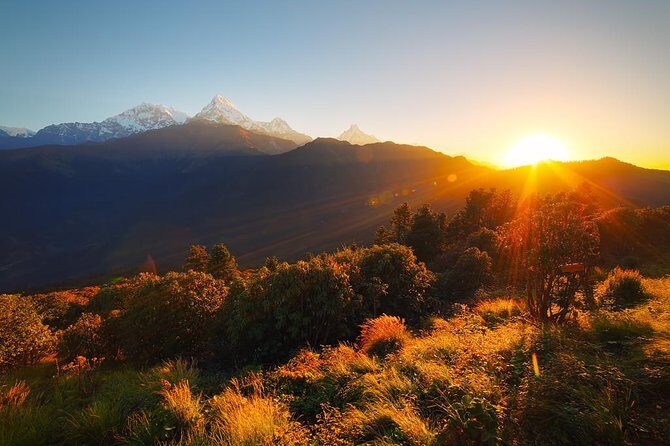
- Sunrise-focused Day 3: an early climb to Poon Hill (3,210m) is the day with the biggest payoff when skies cooperate.
- Ghorepani village immersion: small shops and crafts shops give you a real village feel, not just a viewpoint stop.
- Rhododendron forest descent on Day 4: expect steep downhills through old rhododendron trees and scenic forest sections.
- Practical inclusions: guide, teahouse accommodation, meals, permits (ACAP, TIMS), and a completion certificate are part of the package.
Why Poon Hill in 4 Days works for first-timers
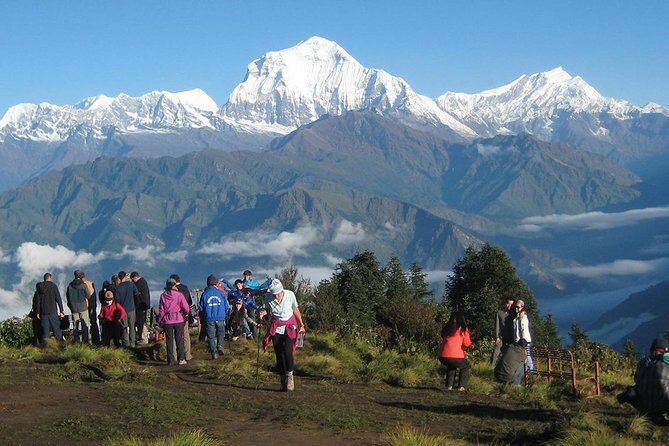
The Ghorepani–Poon Hill trek is popular for a reason: it’s a short Annapurna foothills trek that still delivers that classic Himalayan payoff. You’ll move through different “feels” of Nepal—sub-tropical valley forests at the start, village life in Ghorepani, then the high-mountain sunrise mission from Poon Hill.
The best part of this version is the balance between challenge and comfort. You’re trekking on rugged Himalayan paths, but you’re not carrying tents. And with teahouse rooms + three meals a day, you’re not stuck trying to plan food or find open guesthouses every night.
Still, keep expectations honest. The star is the sunrise view, and the mountains don’t care about your schedule. If weather turns, you’ll still trek (and still enjoy the woods, villages, and ridgeline air), but you might not get the dramatic panorama.
You can also read our reviews of more hiking tours in Pokhara
Day 1: from Pokhara via Nayapul to the stair climb at Ulleri
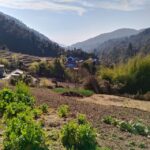
Your trek starts with a transfer from Pokhara to Nayapul (about an hour drive). From there you follow the river corridor through sub-tropical valley forest, crossing the Bhurungdi Khola on a bridge. This part is useful for orientation: your legs get moving, and you get a feel for the pace before the bigger climbing hits.
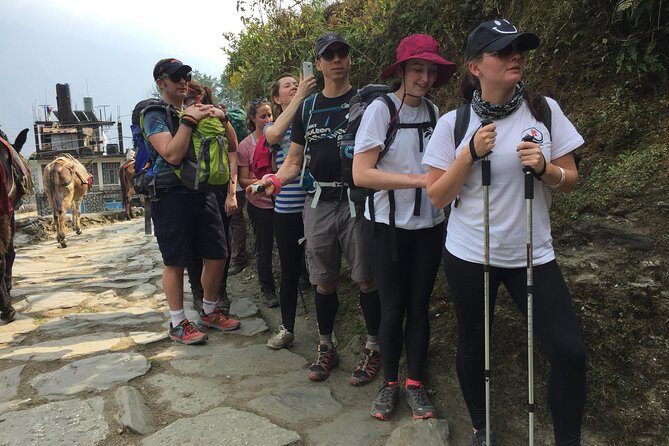
Then comes the real workout: you climb toward Tikhedhunga and up to Ulleri Hill, where the trail is famously stair-heavy. One solo trekper described it as thousands of steps (3,500+), and that’s exactly the kind of effort you should plan for. This is not a “just walk” day. It’s a steady uphill push where good footwear and pacing matter.
What I’d watch for: Day 1 can feel dusty and sunny depending on conditions. If you’re the type who gets cranky in dry heat, start hydrated and take breaks early, not at the point of exhaustion.
Day 2: Ghorepani’s village rhythm and a slower build toward higher views
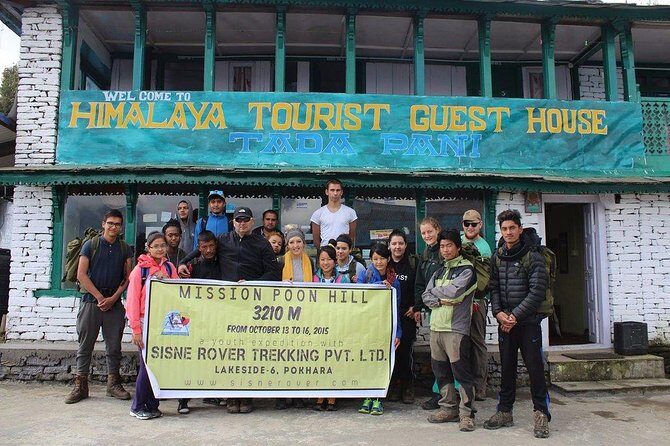
After breakfast you head up to Ghorepani, the overnight stop that acts like a staging point for the Poon Hill morning. Ghorepani is more than a dot on a map. You’ll pass through an area with small shops and stalls where people sell local products and crafts, so it has a lived-in feel.
The town itself sits in two parts—one on a saddle and another a short climb away—so the village can feel like it’s “layered” across the hillside. That matters because your teahouse room location affects what you’ll hear and see after trekking. Some rooms give you a better morning vibe for getting ready, while others are quieter and tuckier.
Why this day is valuable: it’s where the trek transitions from valley greenery into the more “mountain road to ridgeline” mindset. You’re still trekking, but it feels less like a one-day punishment and more like a gradual lift toward tomorrow morning’s viewpoint.
Day 3: Poon Hill sunrise at 3,210m, and what to do if clouds show up
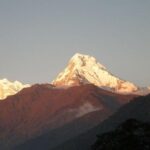
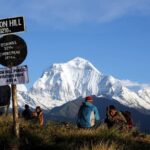
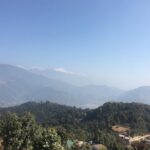
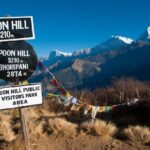
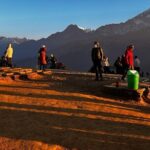
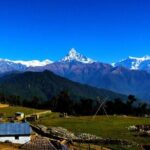
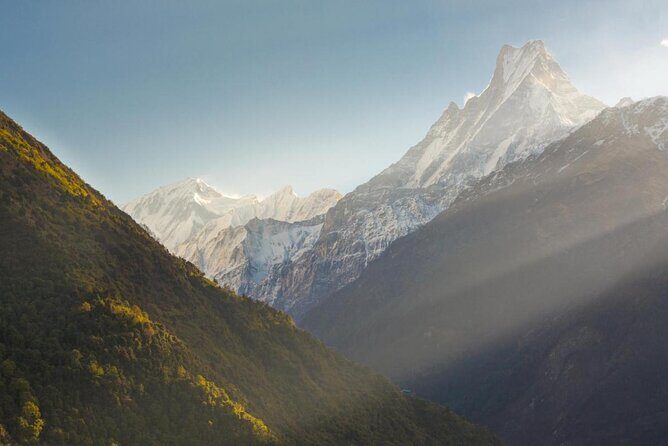
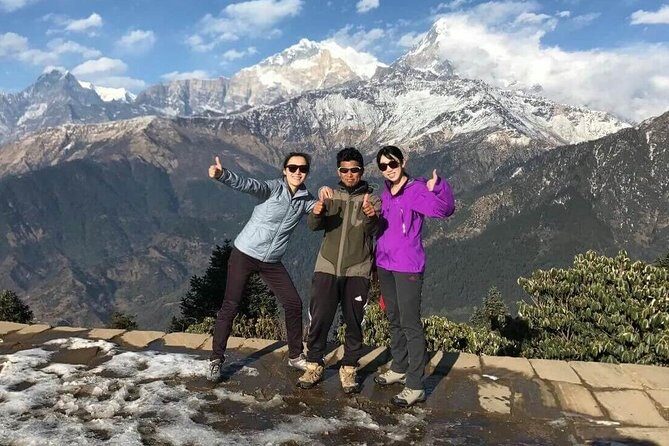
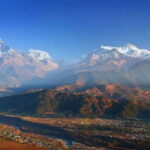
Poon Hill is the headline. The plan is to rise early and climb the steep trail to the viewpoint at 3,210m. You’re targeting sunrise because this is one of the best spots in the region for that first light reveal over the Annapurna mountain range. On clear days, the view can reach far enough to include the direction of Mustang, which is a big deal if you love that “how far can I see” feeling.
You’ll also notice the trek design here: the viewpoint time is short and focused. One schedule notes the viewpoint segment as about 30 minutes, with the admission ticket included. In other words, you’re not stuck hiking for hours just to stand around. You push, you reach, you watch the sky do its thing, then you descend and keep trekking.
The honest drawback: clouds or rain can hide the mountains completely. One recent trek described no mountain visibility at Poon Hill due to bad weather, but the day still worked as a meaningful experience because the trekking and atmosphere were the point.
Practical advice: bring a warm layer even if it feels mild before you start. Early-morning cold at altitude is real, and you’ll appreciate not rushing your gear.
Day 4: Tadapani’s steep descent through old rhododendron forest
Day 4 begins from Tadapani. From there, you descend through dense forest, including thick sections of old rhododendron trees. When rhododendrons are in bloom, the forest can change color in a way that feels almost unreal. Even when they aren’t in bloom, the forest is still dramatic—dark, cool, and alive with birds and moving shade.
This day is not about a distant panorama. It’s about legs and footing. A steep descent through forest is the kind of hiking that rewards slow steps and careful downhill form. If your knees get annoyed easily, plan to take shorter steps and use trekking poles if you have them.
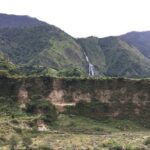
What you’ll like if you’re a forest person: the trek quiets down after the sunrise morning and brings you back to Nepal’s texture—trees, air, and the sound of waterfalls in the background during the right seasons.


Teahouse comfort and meals: why this trek feels doable
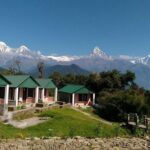
One reason people choose Poon Hill is that it stays grounded in daily comfort. You’ll sleep in teahouse rooms every night, which means no tent pitching, no sleeping bag logistics, and less “gear anxiety.” The package also includes three meals a day—breakfast (3), lunch (4), and dinner (3)—so your energy stays consistent.
That matters more than it sounds. When you’re climbing stair sections and then doing an early sunrise push, hunger and energy dips create the most common “I’m suffering” moments. Having meals built into the plan is a quiet quality-of-life upgrade.
Also included: a medical kit carried by your guide, plus a completion certificate. Those details aren’t glamorous, but they add up when you’re far from city infrastructure.
Guide support and permits: the stuff you don’t want to handle yourself
This trek includes an experienced English-speaking guide who is government-licensed, and it also covers required paperwork and permits: ACAP and TIMS. For many first-time trekkers, that’s one of the biggest stress removers. Nepal trekking rules can be straightforward once you know the steps, but the waiting, documents, and correct permits are not where you want your time to go.
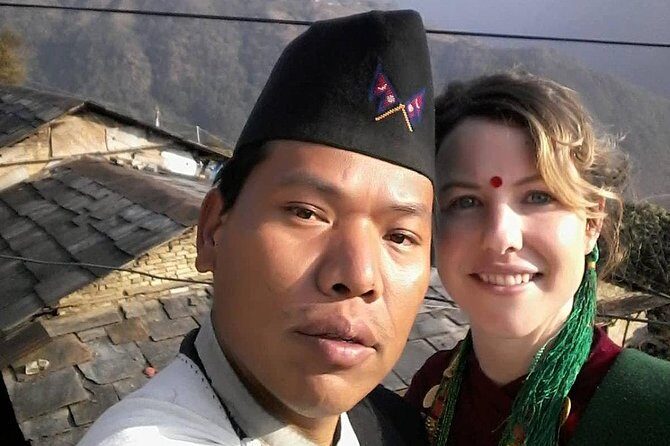
The guide experience is also where the human side really shows. One trekper described guide Diwan as friendly and patient when they had to take it slow up the many steps. Another trekper highlighted guide Anil (they called him Pai) for being knowledgeable and also for sharing Nepali culture and even phrases. And another team had guide Milan working closely with porter Krishnan, with both described as caring and supportive—especially helpful for a first trek.
You can’t control who you’ll be paired with, but you can control what you tell your guide. If you need a slower pace, say it early. Good trekking partners plan the day around you, not around a stopwatch.
Price and logistics: is $321 per person good value?
At $321.34 per person for about 4 days, this is not a budget trek—but it’s also not paying just for pretty views. You’re paying for a full operational package: Pokhara transfers, a government-licensed guide, teahouse accommodation, meals, permits, and included fees and taxes. You also get the completion certificate and a souvenir Hike More, Worry Less t-shirt.
Where value can wobble is expectations. One person felt it was overpriced and that details weren’t aligned with what they expected. With any trek package, I’d treat the inclusions list as your baseline and compare it directly with what you personally care about (private pacing, meal quality expectations, how you’ll handle weather uncertainty).
Also note what’s not included:
- Visa fee
- Travel and rescue insurance
- Personal expenses like extra drinks, laundry, battery recharge, and bottled/boiled water
- Tips for guide/porter/driver
- Anything beyond the listed transportation
Timing tip: the trek is commonly booked about 22 days in advance on average. If you’re traveling around a busy season or you have flexible plans, booking earlier can help lock in your preferred dates.
Who this trek suits best (and who should think twice)
This trek fits you if:
- You want the Annapurna sunrise experience without tent camping
- You’re okay with stairs and steep uphill effort, especially early in the hike
- You prefer a guided plan with permits handled
- You like mixing viewpoints with real village life (Ghorepani’s shops and stalls)
It may not fit you as well if:
- You’re expecting guaranteed mountain visibility at sunrise. Clouds happen.
- You struggle with downhill descents through forest. Day 4 is steep going down.
- You want a flat, easy walk. This plan includes major climbing days and step-heavy sections.
If you have moderate fitness, you’ll likely do fine with a sensible pace and breaks. But if you’re very new to trekking, go in with respect for the stairs and pack light.
Should you book this Poon Hill trek?
Yes—if you want the classic Poon Hill experience with practical comfort and low logistics stress. The package structure makes it easy to focus on trekking and views rather than permits, meals, and accommodation hunting.
Book it if:
- You appreciate teahouse nights and included meals
- You value a guide who can adjust pace and share local context (you’ll benefit most if you communicate your needs)
- You’re excited about sunrise hiking, even if weather might play games
Think twice if:
- You’re very price-sensitive and want only a bare-bones hike
- You can’t handle the idea that clouds may hide the mountains entirely
If you do book, set your mindset for the whole journey: sunrise is the goal, but the forests, villages, and the rhythm of uphill effort are what keep the trek meaningful even on rough-weather mornings.
FAQ
How long is the Ghorepani – Poon Hill trek?
It’s scheduled for about 4 days (3N-4D).
Do I need to bring camping or tent gear?
No. You sleep in teahouse rooms each night, so you do not need tents.
What meals are included?
The package includes breakfast (3), lunch (4), and dinner (3), during the trek days.
What permits are included?
Your trekking permits included in the package are ACAP and TIMS.
Is my Nepal visa fee included?
No. The Nepalese visa fee is not included.
What happens if weather is bad?
This experience requires good weather. If it’s canceled due to poor weather, you’ll be offered a different date or a full refund.